

Hiccups can strike at the worst moments, turning a quiet dinner or an important meeting into a series of awkward “hics.” The good news is that most bouts are short-lived and harmless, and a few simple techniques can often stop them fast. In this article, I’ll walk you through the most effective home remedies, common mistakes to avoid, and when it’s time to see a doctor.
Key Takeaways
- Hold your breath for 10-20 seconds to increase CO2 levels and calm the diaphragm.
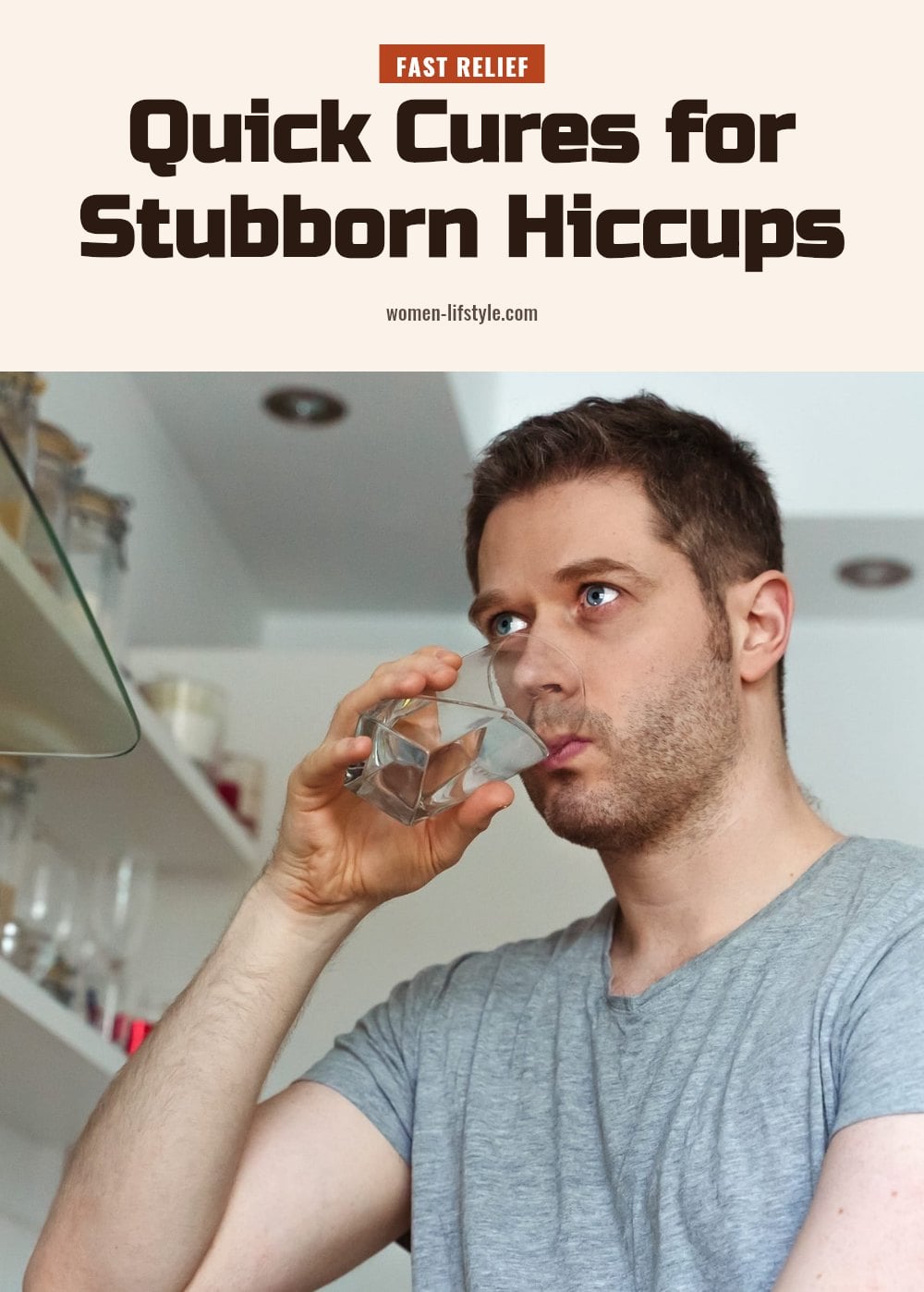
- Drink a glass of water quickly and continuously to interrupt the hiccup reflex.
- Gargle with ice water for about 30 seconds to stimulate the vagus nerve.
- Bring your knees to your chest and lean forward to compress the diaphragm.
- See a doctor if hiccups last longer than 48 hours or come with pain or fever.
How to Stop Hiccups Quickly
Hiccups are involuntary contractions of the diaphragm, the muscle at the base of your lungs. They are often harmless and usually resolve on their own within a few minutes to a few hours. Remedies work by interrupting the reflex that causes the spasms or by increasing carbon dioxide levels in your blood. For quick relief, try holding your breath for 10-20 seconds or drinking a glass of water quickly and continuously. These simple actions can often stop a bout of hiccups in its tracks.
Understanding Why Hiccups Happen
The Mechanism Behind the “Hic”
Hiccups are medically known as singultus. They happen when your diaphragm, the dome-shaped muscle at the base of your lungs, contracts involuntarily. Each contraction is followed by a sudden closure of your vocal cords, which creates the characteristic “hic” sound.
Common Triggers
- Eating too quickly: Swallowing air along with food can irritate the diaphragm.
- Carbonated drinks: The bubbles expand in your stomach and can push against the diaphragm.
- Alcohol: It can irritate the nerves that control the diaphragm.
- Stress or sudden excitement: Emotional changes can disrupt your breathing pattern.
- Spicy foods: They may irritate the stomach lining and trigger the reflex.
Most hiccups are acute and short-lived, lasting only a few minutes to a few hours. They are rarely a cause for concern on their own.
Effective Home Remedies to Stop Hiccups
Several home remedies can help stop hiccups by either stimulating the vagus or phrenic nerves or increasing carbon dioxide levels in your blood. Try one that sounds doable, and if it does not work, move on to another.
Breath-Holding
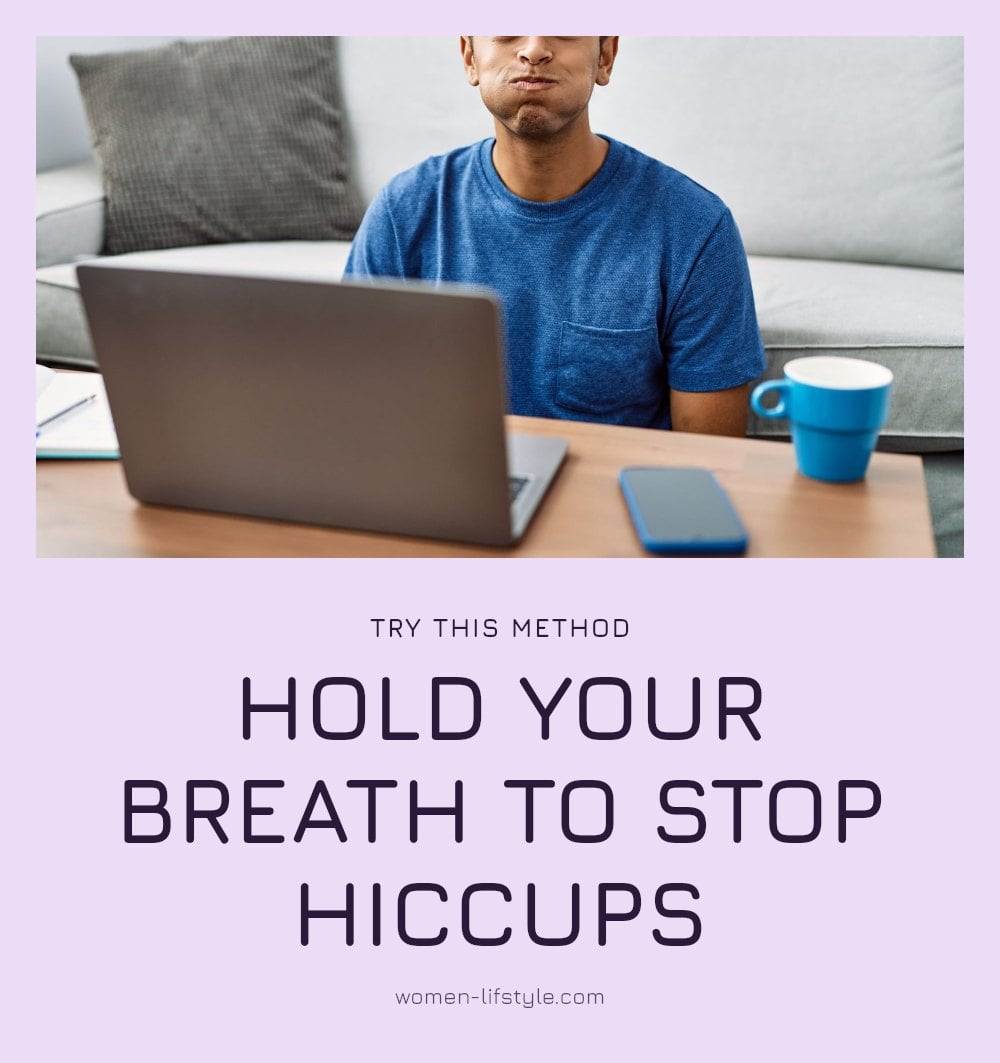
Take a deep breath and hold it for 10-20 seconds. This increases carbon dioxide in your blood, which can calm the diaphragm spasms. Exhale slowly and repeat if needed.
Drink Water
Drink a glass of water quickly and continuously. The act of swallowing interrupts the breathing rhythm and may reset the nerve signals. A common folk version is drinking from the “wrong side” of the glass, which means leaning over and sipping from the far edge. It works for some people, likely because the awkward posture changes how you swallow.
Gargle with Ice Water
Gargle with ice water for about 30 seconds. The cold temperature stimulates the vagus nerve, which runs from your brain to your abdomen and plays a role in the hiccup reflex. Many people find this works quickly.
Sugar or Honey
Eat a spoonful of granulated sugar or honey. This is a traditional remedy that may work by coating the throat and altering the nerve signals that trigger hiccups. Let it sit in your mouth for a few seconds before swallowing.
Paper Bag Breathing
Breathe into a paper bag for several breaths. This raises the carbon dioxide level in your blood. Caution: never place the bag over your head, only use it for 3-5 breaths, and never use a plastic bag. Stop immediately if you feel dizzy or lightheaded.
Knees to Chest
Sit down, pull your knees to your chest, and lean forward. This compresses the diaphragm and may help stop the spasms. Hold the position for 30-60 seconds.
My tip: keep a glass of ice water by your bed. If hiccups wake you, a few slow sips of very cold water often do the trick without fully waking you up.
Common Hiccup Mistakes to Avoid
Not every remedy works for everyone, and not every hiccup has the same trigger. Avoid these common mistakes so you do not waste time or put yourself at risk.
- Don’t assume one remedy works for everyone: What stops your partner’s hiccups may do nothing for you. Try a few different methods and see which one fits your body.
- Don’t ignore persistent hiccups: If hiccups last longer than 48 hours, they are considered persistent and may signal an underlying medical condition. Do not brush them off as a passing annoyance.
- Avoid dangerous or unverified remedies: Skip anything that involves choking, excessive force, or holding your breath for excessively long periods or to the point of actual distress. These can cause more harm than the hiccups themselves.
- Don’t assume all hiccups have the same trigger: Eating too quickly, carbonated drinks, alcohol, and stress are all possible causes. Pay attention to what sets yours off so you can address the root cause.
If a remedy causes pain or makes you feel worse, stop immediately. For persistent hiccups lasting over 48 hours, consult a doctor.
Tips to Prevent Future Hiccups
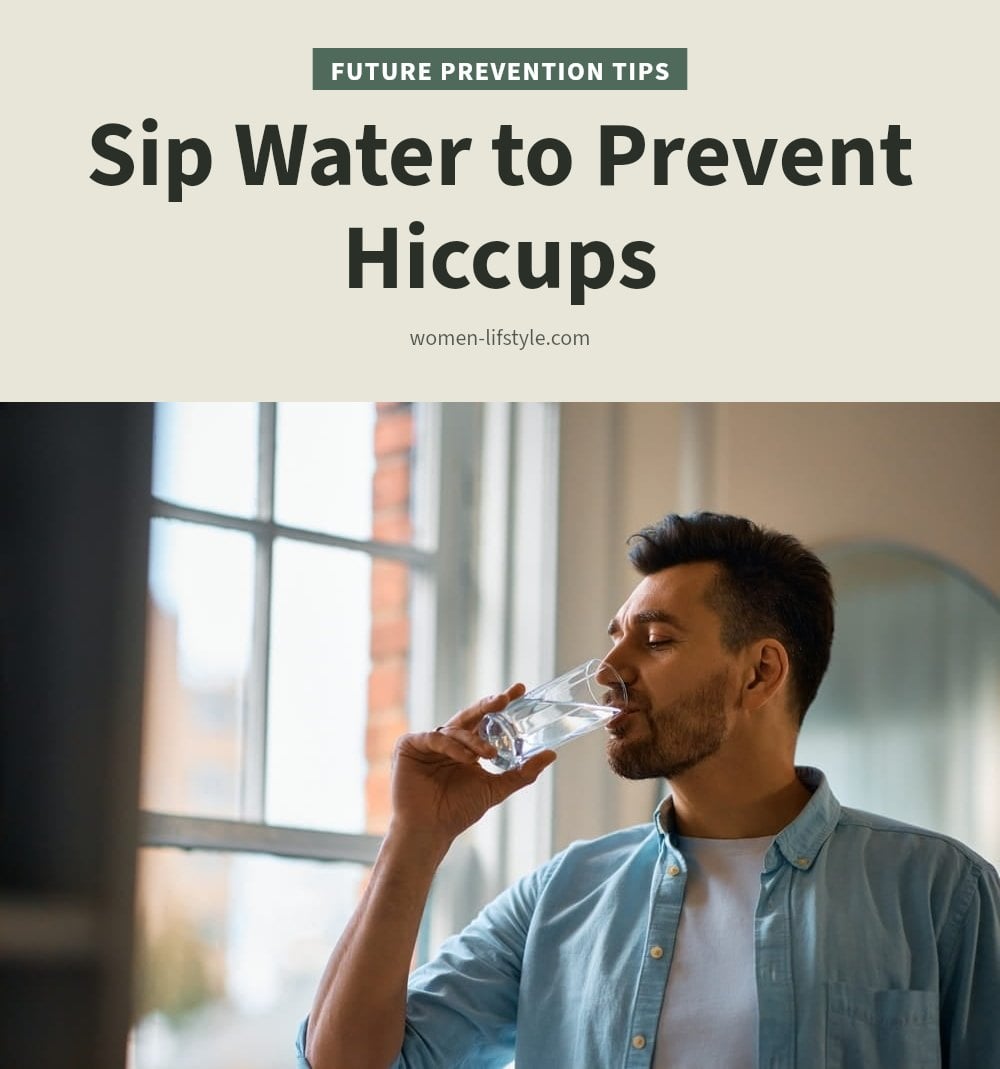
Most hiccup triggers are tied to how you eat and drink. Eating too quickly or overeating can overstimulate the diaphragm, so take smaller bites and chew thoroughly. If carbonated drinks or alcohol tend to set off your hiccups, cut back on them or sip them slowly instead.
Sudden excitement or stress can also bring on a bout. Taking a few slow breaths before a big moment or during a tense conversation may help keep your diaphragm relaxed. My tip: avoid large meals within two hours of bedtime, since a full stomach can push against the diaphragm and make spasms more likely.
When to See a Doctor for Hiccups
Most hiccups stop on their own within a few hours, but if yours last longer than 48 hours, they are considered persistent and may need a medical check. Seek attention sooner if hiccups come with pain, fever, shortness of breath, numbness, or trouble swallowing. These symptoms could point to an underlying condition that a doctor should evaluate.
Intractable hiccups, those lasting more than a month, are rare but can be linked to issues in the nervous system, metabolic disorders, or side effects of certain medications. A professional can help identify the cause and suggest appropriate treatment.
Frequently Asked Questions
Why do hiccups happen more often after eating?
Eating too quickly, overeating, or consuming carbonated drinks can overstimulate the diaphragm, triggering hiccups. Spicy foods and alcohol are also common culprits. Slowing down and taking smaller bites can help reduce how often you get them.
Can stress cause hiccups?
Yes, sudden excitement or stress is a known trigger for hiccups. The exact mechanism isn’t fully understood, but stress can affect your breathing pattern and diaphragm. If you notice hiccups during tense moments, try deep breathing or relaxation techniques to help prevent them.
Are there any medications for hiccups?
There are medications that doctors sometimes prescribe for persistent hiccups, but they’re not over-the-counter and should only be used under medical supervision. If your hiccups last more than 48 hours, talk to a doctor about options. Don’t self-medicate, as these drugs can have side effects.
Is it true that scaring someone can stop hiccups?
Scaring someone is a folk remedy that might work for some people, but it’s not reliable and can be unpleasant. The idea is that the sudden shock interrupts the hiccup reflex. There’s no strong evidence behind it, so it’s better to try safer methods like breath-holding or drinking water.
How long is too long for hiccups to last?
Most hiccups stop on their own within a few hours. If yours last longer than 48 hours, they’re considered persistent and you should see a doctor. Seek immediate medical attention if hiccups come with pain, fever, shortness of breath, numbness, or difficulty swallowing.
Final Thoughts
My tip: keep a few of these remedies in your back pocket and try them in order until one works. Most hiccups resolve on their own within a few minutes to a few hours, so you usually have time to experiment. If yours stick around for more than two days, or if they’re accompanied by pain or trouble swallowing, don’t wait, make an appointment with your doctor. With a little patience, you’ll find what works for you.
This article is for general information only and is not a substitute for professional medical advice. If you have persistent hiccups lasting more than 48 hours, or if you experience other symptoms like pain or trouble breathing, please consult a doctor or other qualified healthcare provider.
