

If you’ve ever felt that sudden burning sensation in your chest after a meal, you know how uncomfortable heartburn can be. It happens when stomach acid flows back into your esophagus, and while it’s common, it doesn’t have to ruin your day. This article covers the quickest ways to soothe the burn at home, the lifestyle changes that can prevent it, and when it’s time to see a doctor.
Key Takeaways
- Antacids neutralize stomach acid within minutes for fast, temporary relief.
- Eat smaller, more frequent meals and stay upright for 2-3 hours after eating.
- Elevate the head of your bed by 6-8 inches to prevent nighttime reflux.
- Avoid trigger foods like spicy, fatty, or acidic items and carbonated drinks.
- If heartburn occurs more than twice a week, consult a doctor to rule out GERD.
What is Heartburn and How Can I Relieve It?
Heartburn is that burning sensation in your chest, usually after a meal, caused by stomach acid backing up into your esophagus. For quick relief, over-the-counter antacids can neutralize the acid within minutes. But the real key to managing heartburn at home is understanding what triggers it for you and making small lifestyle adjustments to prevent it from happening in the first place.
Why Heartburn Happens: Understanding the Cause
Heartburn happens when the lower esophageal sphincter (LES), a ring of muscle that acts as a valve between your esophagus and stomach, weakens or relaxes at the wrong time. This allows stomach acid to flow back up, irritating the sensitive lining of your esophagus.
Common triggers that can cause the LES to relax or increase stomach pressure include:
- Large meals, especially high in fat or fried foods
- Spicy dishes, citrus fruits, tomatoes, chocolate, and peppermint
- Caffeine, alcohol, and carbonated beverages
- Eating quickly or lying down right after eating
Certain factors also raise your risk of heartburn. Obesity and pregnancy add pressure on the abdomen, while smoking can weaken the LES and boost acid production.
Immediate Relief: Over-the-Counter Options
When heartburn strikes, over-the-counter options can help. Here is how they work and when to reach for each.
Antacids neutralize stomach acid for fast, temporary relief. They work within minutes, making them a good choice for occasional heartburn after a meal. Look for ones containing calcium carbonate or magnesium.
H2 blockers reduce the amount of acid your stomach produces. They take longer to kick in than antacids (about 30 to 60 minutes) but provide relief that lasts several hours. They are useful when you know a trigger meal is coming or for more persistent symptoms.
Proton pump inhibitors (PPIs) are stronger acid reducers designed for frequent or severe heartburn. They block acid production at the source and can take one to four days to reach full effect. Caution: Long-term use of PPIs without medical supervision may have side effects. Discuss with your doctor if you need them regularly.
Lifestyle Changes to Prevent Heartburn

Preventing heartburn starts with daily habits that reduce pressure on your stomach and keep acid where it belongs.
- Eat smaller meals: Large meals stretch the stomach and put pressure on the LES. Aim for five to six small meals instead of three big ones.
- Stay upright after eating: Wait at least two to three hours before lying down or going to bed. Gravity helps keep acid down.
- Know your trigger foods: Common ones include spicy dishes, fatty foods, citrus, tomatoes, chocolate, peppermint, caffeine, and alcohol. Keep a food diary to find yours.
- Elevate your bed: Raise the head of your bed by six to eight inches using risers or a wedge pillow. This prevents acid from traveling upward at night.
- Maintain a healthy weight: Extra abdominal pressure can force acid back up. Losing even a few pounds may help.
- Wear loose clothing: Tight belts or waistbands compress your stomach and can trigger reflux.
Smart Habits for Managing Heartburn
Slow down at the table. Chewing each bite thoroughly and eating at a relaxed pace gives your stomach less work to do, which can reduce the chance of acid backing up. Put your fork down between bites and aim for a meal that lasts at least 20 minutes.
Chewing gum after a meal may help too. It boosts saliva production, and saliva can help neutralize acid in the esophagus. Choose a non-peppermint flavor, since peppermint can relax the LES and make reflux worse.
Two habits to cut back on: smoking and alcohol. Smoking weakens the LES and increases acid production, while alcohol relaxes that same valve and can irritate the esophagus. Carbonated drinks can also add pressure in your stomach, so swap them for still water when heartburn flares.
Common Heartburn Mistakes to Avoid
One of the biggest mistakes is ignoring frequent heartburn. If you experience it more than twice a week, it may signal a more serious condition like GERD, which needs a doctor’s evaluation.
Relying solely on antacids is another common pitfall. They neutralize acid quickly but don’t fix the underlying cause, such as a weak LES or lifestyle triggers. Overusing certain medications without medical guidance can also lead to side effects, so talk to your doctor about long-term use.
Lying flat right after a meal makes reflux easier. Stay upright for at least 2-3 hours to let gravity help.
Finally, don’t assume all chest pain is heartburn. If you have chest pain with shortness of breath, sweating, or pain radiating to your arm or jaw, call emergency services immediately, as these could be signs of a heart attack.
When to See a Doctor for Heartburn
If your heartburn is severe, happens more than twice a week, or does not improve with home remedies, it is time to talk to a doctor. Frequent symptoms may point to GERD or another condition that needs proper evaluation and treatment.
Seek immediate medical attention if chest pain comes with shortness of breath, sweating, or pain spreading to your arm or jaw. These can be signs of a heart attack, and delaying care is dangerous.
Pregnant individuals should always check with their doctor before taking any heartburn medication, even over-the-counter options. Also, if you have been using strong acid reducers like PPIs for a long time, discuss that with your healthcare provider to weigh benefits against potential side effects.
Frequently Asked Questions
What is the fastest way to get rid of heartburn?
The fastest way is to take an over-the-counter antacid, which neutralizes stomach acid within minutes. Keep one on hand for occasional heartburn after a meal. For longer-lasting relief, H2 blockers reduce acid production and work within an hour.
Can certain foods trigger heartburn?
Yes, common triggers include fatty or fried foods, spicy dishes, citrus fruits, tomatoes, chocolate, peppermint, caffeine, alcohol, and carbonated beverages. Everyone is different, so pay attention to what sets off your symptoms and avoid those foods.
Is heartburn a sign of a serious condition?
Occasional heartburn is normal, but frequent symptoms more than twice a week may indicate GERD or another condition. If you experience severe or persistent heartburn, see a doctor for evaluation. Chest pain with shortness of breath or sweating could be a heart attack, so seek immediate medical attention.
How can I prevent heartburn at night?
Elevate the head of your bed by 6-8 inches using bed risers or a wedge pillow. This helps keep stomach acid from flowing back into your esophagus while you sleep. Also, avoid eating large meals within 2-3 hours of bedtime.
Are there natural remedies that actually work for heartburn?
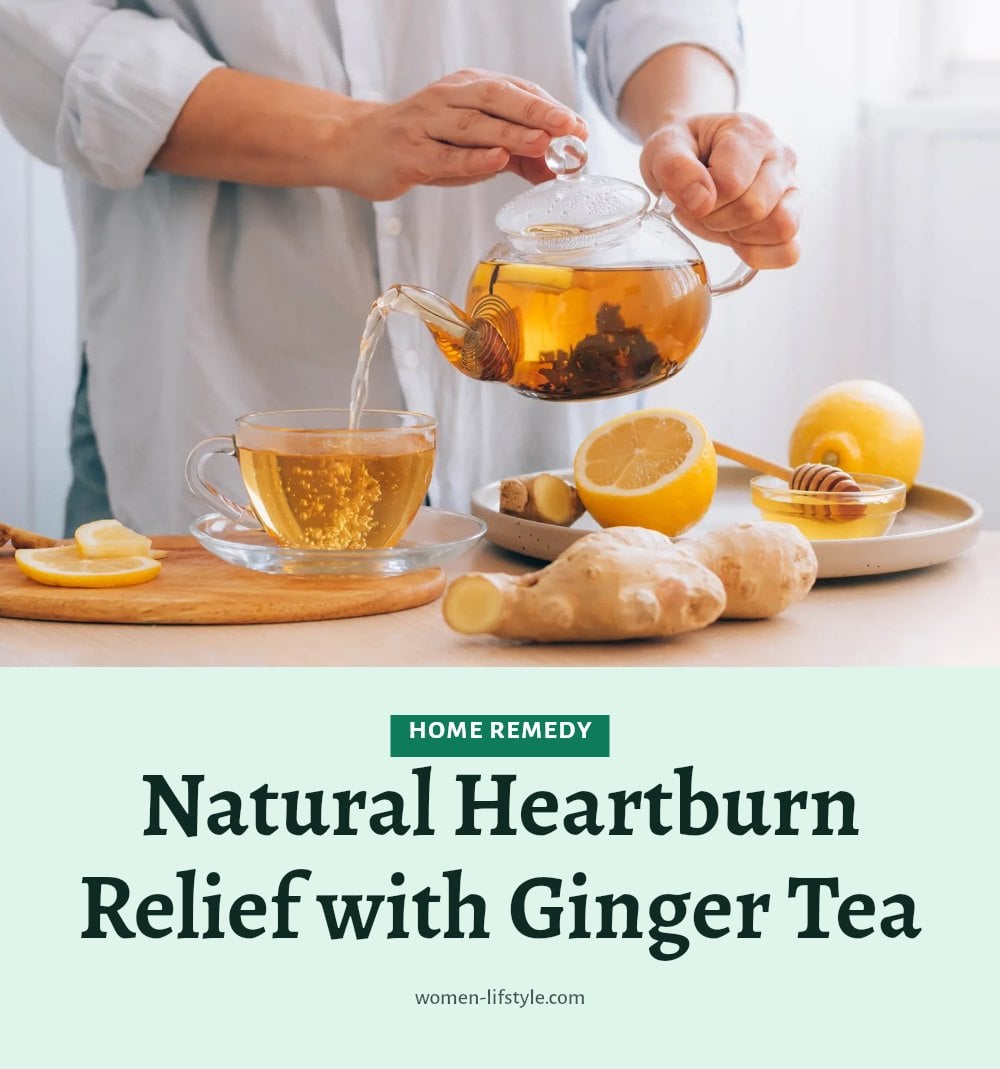
Some people find relief with ginger tea or diluted apple cider vinegar, though scientific evidence is limited. Chewing gum after meals may help by increasing saliva, which can neutralize acid. These are worth trying, but don’t rely on them for severe or chronic heartburn.
Final Thoughts
For occasional heartburn, antacids offer fast relief, but the real win is in prevention. My tip: keep a food diary for a week to spot your personal triggers, then adjust your habits from there. With consistent changes like smaller meals and staying upright after eating, you can expect fewer flare-ups over time. Listen to your body and take action early to keep that burn at bay.
This article is for informational purposes only and does not constitute medical advice. Heartburn symptoms vary, and frequent or severe cases should be evaluated by a healthcare professional. If you have persistent discomfort or concerns about your symptoms, please consult a doctor.
