

Stress and tough emotions are part of life, but how you respond to them makes all the difference. Healthy coping skills are practical strategies you can use to manage those feelings without making things worse. This article covers what healthy coping looks like, specific techniques you can try today, and how to build a toolkit that works for you.
Key Takeaways
- Healthy coping skills fall into two categories: problem-focused and emotion-focused.
- Practice deep breathing or a body scan to calm your nervous system in minutes.
- Journaling helps you process emotions, identify triggers, and gain perspective.
- Physical activity releases mood-boosting endorphins to alleviate stress and anxiety.
- Seek professional help if you experience severe distress or thoughts of self-harm.
What Are Healthy Coping Skills?
Coping skills are the strategies we use to manage stress, emotions, and problems as they come up. Healthy coping skills help reduce negative feelings and support overall well-being. They fall into two broad categories: problem-focused strategies that address the source of stress, and emotion-focused strategies that help you manage your emotional response. At their core, healthy coping involves self-care, mindfulness, social support, and constructive problem-solving.
Effective Healthy Coping Strategies to Try
Effective Healthy Coping Strategies to Try
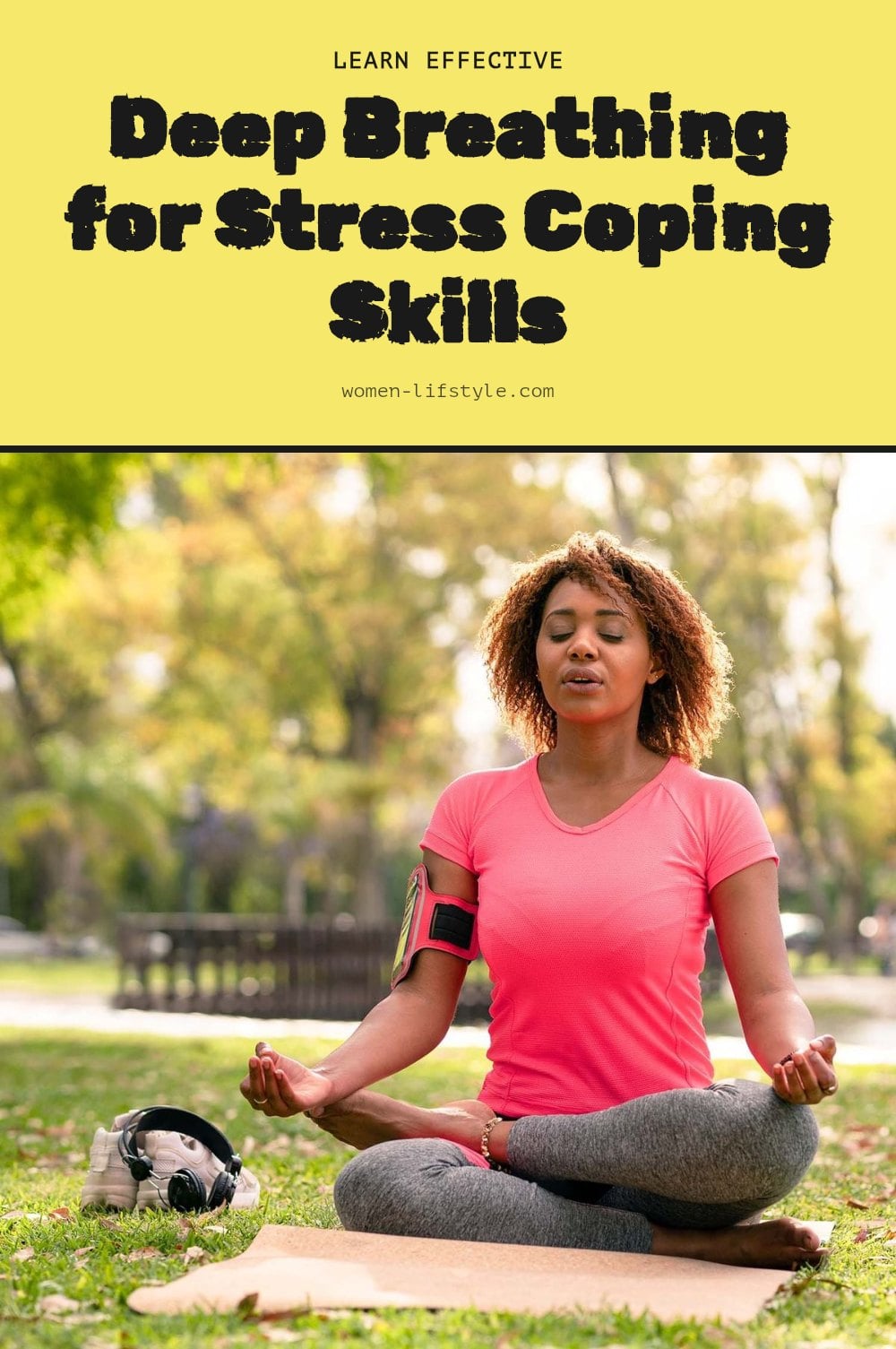
Practice deep breathing and mindfulness: When stress hits, your body’s fight-or-flight response kicks in. Deep breathing exercises or a short body scan can calm your nervous system in minutes. I usually do three slow breaths before reacting to anything urgent.
Move your body: Physical activity releases endorphins that naturally lift your mood. A brisk walk, a yoga session, or even dancing in your living room works. Tip: Start with 10 minutes and see how you feel afterward.
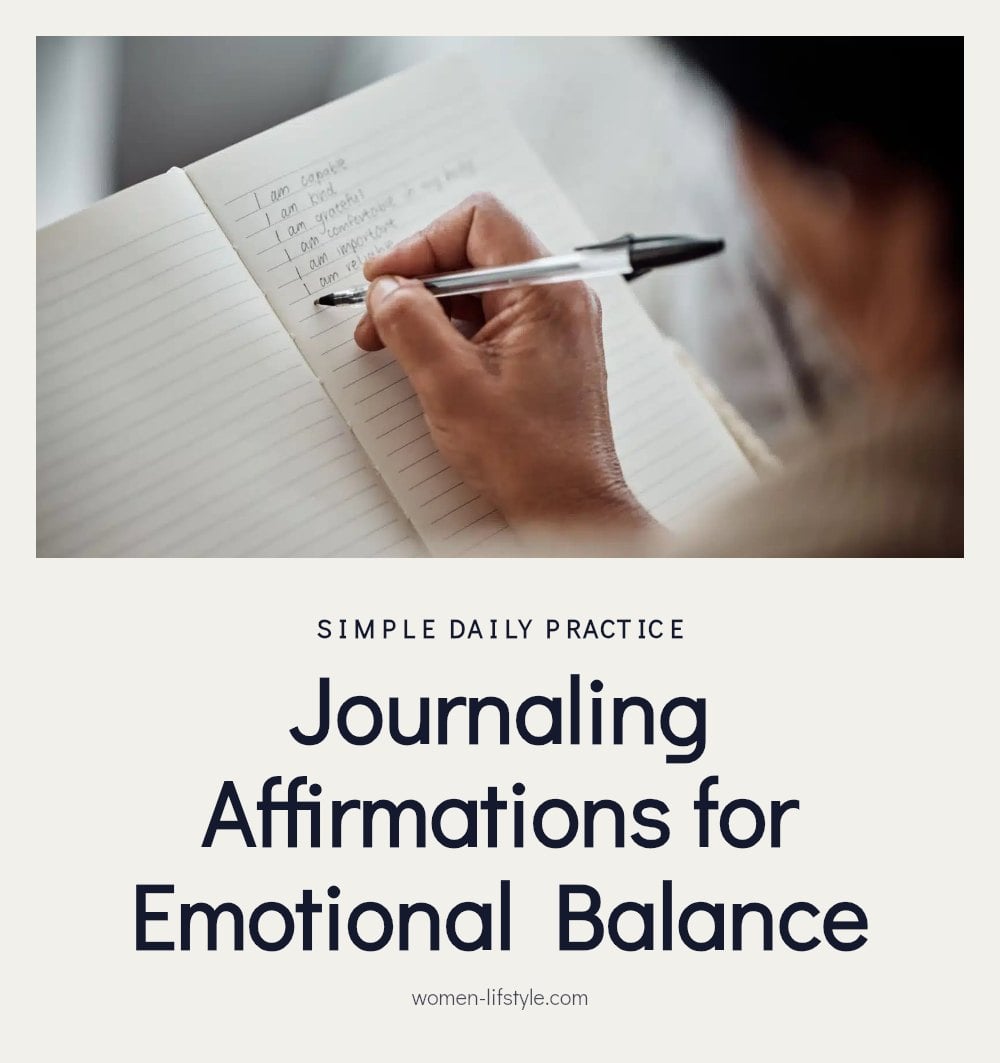
Write it out: Journaling helps you process emotions, spot triggers, and gain perspective. You don’t need fancy prompts, just write what’s on your mind for five minutes. My tip: Keep a small notebook by your bed so you can unload thoughts before sleep.
Lean on your people: Connecting with a trusted friend, family member, or support group provides social connection and reduces isolation. A quick call or text can shift your emotional state.
Try a creative hobby: Painting, knitting, playing an instrument, or even coloring can offer a healthy distraction and a sense of accomplishment. The focus required pulls your mind away from repetitive worries.
Set boundaries: Protecting your time and energy prevents overcommitment and resentment. Practice saying no to requests that drain you. Tip: Start with one small boundary this week, like turning off work notifications after 7 p.m.
Tools and Materials for Your Coping Toolkit
Having a few simple items on hand makes it easier to use your coping skills when you need them.
- Journal and pen: For processing emotions and tracking triggers.
- Comfortable clothing and walking shoes: So you can move your body anytime, anywhere.
- Art supplies or a musical instrument: A creative outlet for distraction and a sense of accomplishment.
Best Tips for Building Your Coping Skills
Know your triggers: Pay attention to what situations or thoughts spike your stress. Identifying them helps you prepare a response in advance.
Experiment freely: Not every skill will click with you, and that’s fine. Try deep breathing one day, journaling the next, and see what you actually want to repeat.
Practice when you’re calm: Use your coping skills regularly, even on good days. This builds resilience so the techniques feel natural during tough moments.
Don’t skip the basics: Sleep, nutrition, and hydration are the foundation of emotional stability. I notice a huge difference in my patience after a full night’s rest.
Feel without fixing: Allow yourself to experience emotions without judgment. Acknowledge them, then choose a healthy way to respond.
Common Mistakes to Avoid When Developing Coping Skills
Confusing avoidance with genuine coping: Distracting yourself with social media or busywork feels productive but doesn’t address the stressor. Real coping involves facing the emotion or problem, not sidestepping it.
Believing healthy coping means no negative emotions: Feeling sad, angry, or anxious is normal. Healthy coping doesn’t erase those feelings; it helps you process and respond to them constructively.
Trying to force skills that don’t resonate: If journaling feels like a chore or meditation makes you more restless, try something else. A skill that works for someone else may not fit you, and that’s fine.
Waiting until a crisis to implement new strategies: Coping skills need practice before you’re in distress. Building them in calm moments makes them accessible when stress hits.
Underestimating basic self-care’s importance: Skipping sleep, meals, or exercise erodes your ability to cope. These fundamentals are not optional extras; they support everything else.
When to Seek Professional Help for Coping
If you experience severe distress, thoughts of self-harm, or feel overwhelmed despite your efforts, reach out to a doctor or mental health professional immediately. Personal coping skills have limits, and professional guidance can provide strategies tailored to your situation.
Also seek help if your coping strategies lead to dependency or negative long-term consequences, such as relying on substances or avoiding responsibilities. A therapist can help you build healthier patterns and address underlying issues.
Frequently Asked Questions
What is the difference between problem-focused and emotion-focused coping?
Problem-focused coping aims to address the source of stress directly, like making a plan to solve a work issue. Emotion-focused coping helps manage the emotional response to stress, such as using deep breathing or journaling to calm down. Both are healthy and often used together.
How long does it take for coping skills to work?
Some coping skills, like deep breathing, can offer immediate relief within minutes. However, building long-term resilience and making coping skills a natural habit usually takes consistent practice over several weeks or months. Be patient with yourself.
Can hobbies really help with stress?
Yes, engaging in creative hobbies like painting, knitting, or playing music can provide a healthy distraction and a sense of accomplishment. They give your mind a break from stressors and can improve your mood, though they work best as part of a broader coping toolkit.
Are all coping skills healthy?
No, some coping mechanisms like excessive alcohol use, overeating, or compulsive shopping can be unhealthy and lead to negative long-term consequences. Healthy coping skills reduce negative feelings without causing harm and support your overall well-being.
What are some common healthy coping skills?
Common healthy coping skills include deep breathing, journaling, physical activity, spending time in nature, talking to a trusted friend, practicing gratitude, and setting boundaries. Experiment to find which ones work best for you.
Final Thoughts
Start small by picking one or two coping skills from the list and trying them out this week. Remember, building resilience takes consistent practice over weeks and months, not overnight. The goal is to find what genuinely helps you maintain emotional balance and navigate life’s challenges more effectively.
This article is for general informational purposes only and does not constitute medical or professional mental health advice. If you are experiencing severe distress, thoughts of self-harm, or a persistent mental health condition, please consult a doctor or licensed mental health professional.
