

You know that knot in your stomach when someone asks for a favor and you’re already stretched thin? That’s your gut telling you a boundary is needed, but the words get stuck. Healthy boundaries aren’t walls to keep people out; they’re the guidelines that let you show up as your best self without running on empty. This article walks you through what boundaries actually are, why they matter for your sanity, and practical examples you can start using today.

Key Takeaways
- Boundaries protect your energy, time, and emotional well-being by defining what’s acceptable in interactions.
- Clear, calm communication using ‘I’ statements is essential; people can’t read your mind.
- Start with smaller boundaries and be consistent in enforcing them, even if you get pushback.
- Expect some resistance at first, but don’t give in to guilt trips or over-explain your limits.
- If boundary-setting leads to conflict or abuse, prioritize your safety and seek professional help.
What Are Healthy Boundaries?
Boundaries are personal guidelines that define what’s acceptable and unacceptable in your interactions with others. They protect your energy, time, and emotional well-being by setting clear limits on how people can treat you. Think of them as a way to communicate your needs, not to control someone else’s behavior. When you state a boundary, you’re saying, “This is what I need to feel safe and respected,” and that’s a healthy, self-protective act.
Why Setting Boundaries Matters for Your Well-being
Why Boundaries Reduce Stress and Build Respect
When you don’t set boundaries, you end up overcommitting, absorbing others’ emotions, and feeling taken advantage of. That’s a fast track to stress, burnout, and resentment. I’ve seen it in my own life: the weeks I skipped setting limits, I ended up exhausted and irritable. Boundaries give you a way to say “no” before you’re overwhelmed, which protects your mental and physical energy.
Boundaries also foster mutual respect. When you clearly state what you need, you’re showing others that you value yourself, and they’re more likely to respect your limits in return. It’s a fundamental form of self-care, not selfishness. You can’t pour from an empty cup, and boundaries keep your cup from getting drained.
How to Set Healthy Boundaries: A Step-by-Step Guide
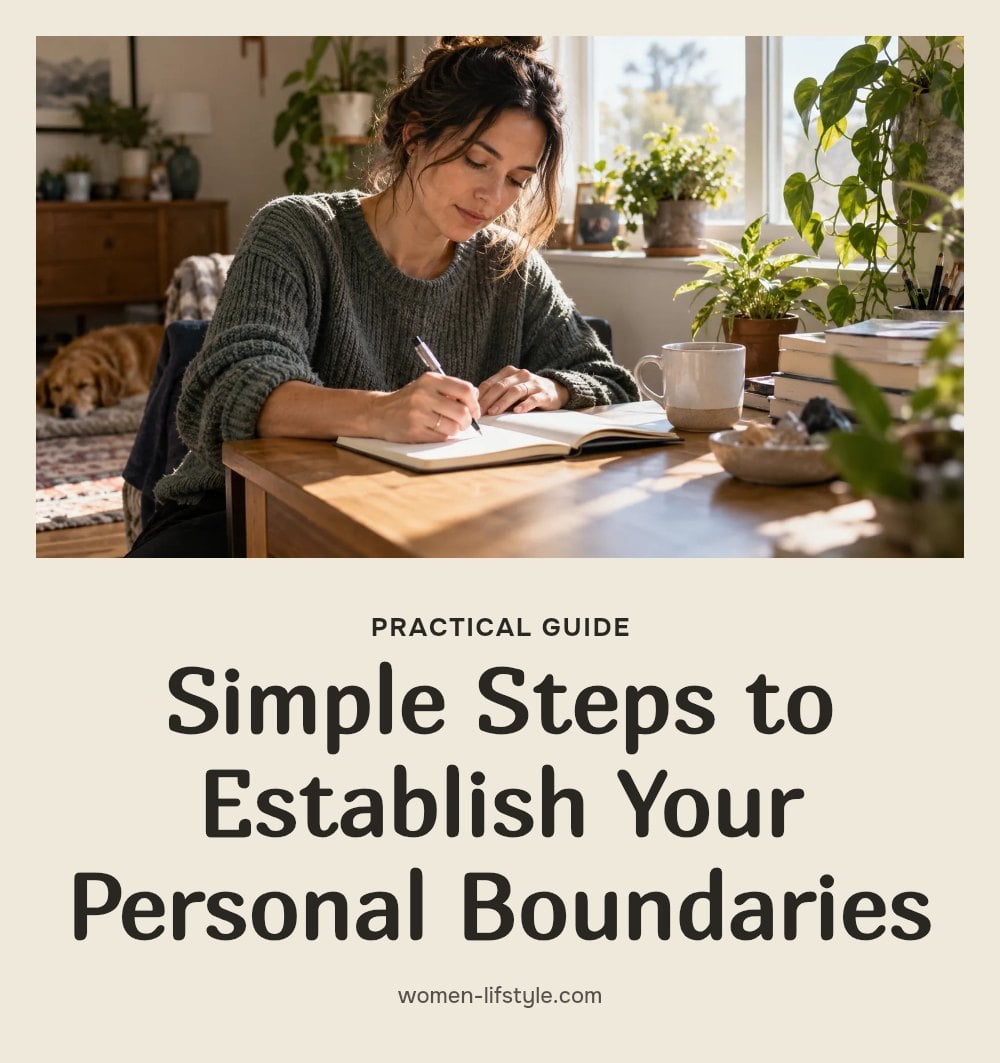
Setting boundaries takes practice, but you can build the skill step by step. Here’s how I approach it:
- Identify your values and needs: Before you can set a boundary, you need to know what matters to you. Take a few minutes to journal about situations that make you feel uncomfortable, resentful, or drained. That’s where your boundaries need to go. Ask yourself: What do I need to feel respected in this relationship?
- Communicate clearly with “I” statements: Use phrases like “I need…” or “I feel…” to own your request. For example, “I need some quiet time after work before I can talk” is clearer than “You always interrupt me.” Avoid blaming or over-explaining; a simple, direct statement works best.
- Be consistent in enforcing: A boundary without follow-through is just a suggestion. If someone crosses the line, calmly restate your limit. Consistency tells others you mean what you say, and it reinforces your self-respect.
- Start small and build up: Begin with a low-stakes boundary, like telling a friend you can’t chat during work hours. Once you feel comfortable, move to harder ones, like asking a family member not to comment on your choices. Each success builds your confidence.
Examples of Boundaries in Different Relationships

Boundaries look different in every relationship, but here are common types with real-life examples:
- Physical boundaries: These cover personal space and touch. For instance, you might tell a coworker, “I prefer not to be hugged, a handshake is fine,” or ask a friend to knock before entering your office.
- Emotional boundaries: Protect your feelings by not taking responsibility for others’ emotions. You can say, “I’m sorry you’re upset, but I can’t stay on the phone right now,” or “I’m not comfortable discussing my dating life.”
- Time boundaries: Manage your availability. Let family know you’re offline after 8 p.m., or tell a friend you can only meet for coffee, not a whole afternoon. You’re allowed to guard your schedule.
- Material boundaries: Set limits around possessions and money. For example, “I can lend you my car for errands, but not for road trips,” or “I’m not able to loan money right now.”
Common Mistakes to Avoid When Setting Boundaries
The biggest mistake I see is expecting people to read your mind. If you don’t say what you need, you can’t blame anyone for missing it. State your boundary in plain words, calmly and directly.
Another common pitfall is setting a limit once and then letting it slide. Inconsistent enforcement teaches people that your “no” is negotiable. Hold the line each time, even when it feels awkward.
Guilt is normal, but it doesn’t mean you’re doing something wrong. Having limits is not selfish; it’s maintenance for your well-being.
My tip: Don’t expect instant acceptance. People need time to adjust to new rules, so give them that grace without abandoning your boundary.
Practical Tips for Maintaining Your Boundaries
Practice saying “no” without a wall of explanation. A simple “I can’t take that on right now” is enough. Over-explaining invites debate, and you don’t need permission to protect your time.
Expect some pushback at first. When you change the rules, others may test them. Stay calm, repeat your boundary, and don’t get pulled into a negotiation.
Be kind to yourself through the process. You’ll slip up sometimes, and that’s part of learning. Just reset and try again.
Tip: Remind yourself that boundaries are shields, not weapons. They keep you safe, they don’t punish anyone else.
When to Seek Professional Support for Boundaries
If setting a boundary leads to escalating conflict, threats, or any form of abuse, your safety comes first. Reach out to a therapist or a domestic violence support line right away.
Chronic people-pleasing or codependency can make boundary-setting feel impossible on your own. Professional counseling can help you untangle the patterns and build assertiveness skills.
Trust your instincts. If someone’s reaction to your limits makes you feel unsafe, that’s a signal to get professional guidance immediately.
Frequently Asked Questions
How do I deal with guilt after setting a boundary?
Guilt is common, especially if you’re used to saying yes. Remind yourself that setting a boundary is an act of self-care, not selfishness. Over time, as you see the positive effects on your energy and relationships, the guilt usually fades. Be patient with yourself.
Is it ever too late to start setting boundaries?
It is never too late. Boundaries can be introduced at any stage of a relationship. You might get more resistance from people used to the old dynamic, but you can still communicate your needs clearly. Start with one small limit and build from there.
What if someone reacts negatively to my boundaries?
Some people may push back or try to guilt you. Stay calm and repeat your boundary without over-explaining. If the reaction is angry or threatening, your safety comes first. In that case, consider stepping back from the relationship or seeking professional support.
Can boundaries improve my relationships?
Yes, healthy boundaries often strengthen relationships by fostering mutual respect and clear expectations. When both people know what’s okay and what’s not, there is less misunderstanding and resentment. You can be more present and generous because you aren’t running on empty.
What are the different types of boundaries?
Boundaries come in several forms: physical (personal space, touch), emotional (protecting your feelings, not absorbing others’ emotions), time (how you allocate your hours), material (limits on lending money or sharing possessions), intellectual (respecting differing opinions), and sexual (comfort with intimacy). Each type applies differently depending on the relationship.
Final Thoughts
Start with one small boundary this week, maybe saying no to a low-priority request or asking for alone time. It will feel awkward at first, but with practice, you’ll notice less resentment and more balanced relationships. Give yourself grace, and remember that protecting your well-being is not selfish, it’s necessary.
This article provides general information about setting healthy boundaries and is not a substitute for professional advice. If you experience ongoing conflict, emotional distress, or safety concerns in your relationships, please consult a licensed therapist or a domestic violence support professional.
