

That familiar tingle on your lip can only mean one thing: a cold sore is about to appear. The good news is that you don’t have to just wait it out. This article covers the fastest ways to heal a cold sore, from early treatment to soothing symptoms, so you can get back to feeling like yourself sooner.
Key Takeaways
- Start antiviral cream at the first sign of tingling to shorten healing to 4-5 days.
- Don’t pick or scratch a cold sore; it can spread the virus and cause scarring.
- Use lip balm with SPF 30 daily to prevent sun-triggered outbreaks.
- Cold sores are contagious until fully crusted over and healed.
- See a doctor if a sore doesn’t heal within two weeks or if you have a weakened immune system.
How to Speed Up Cold Sore Healing
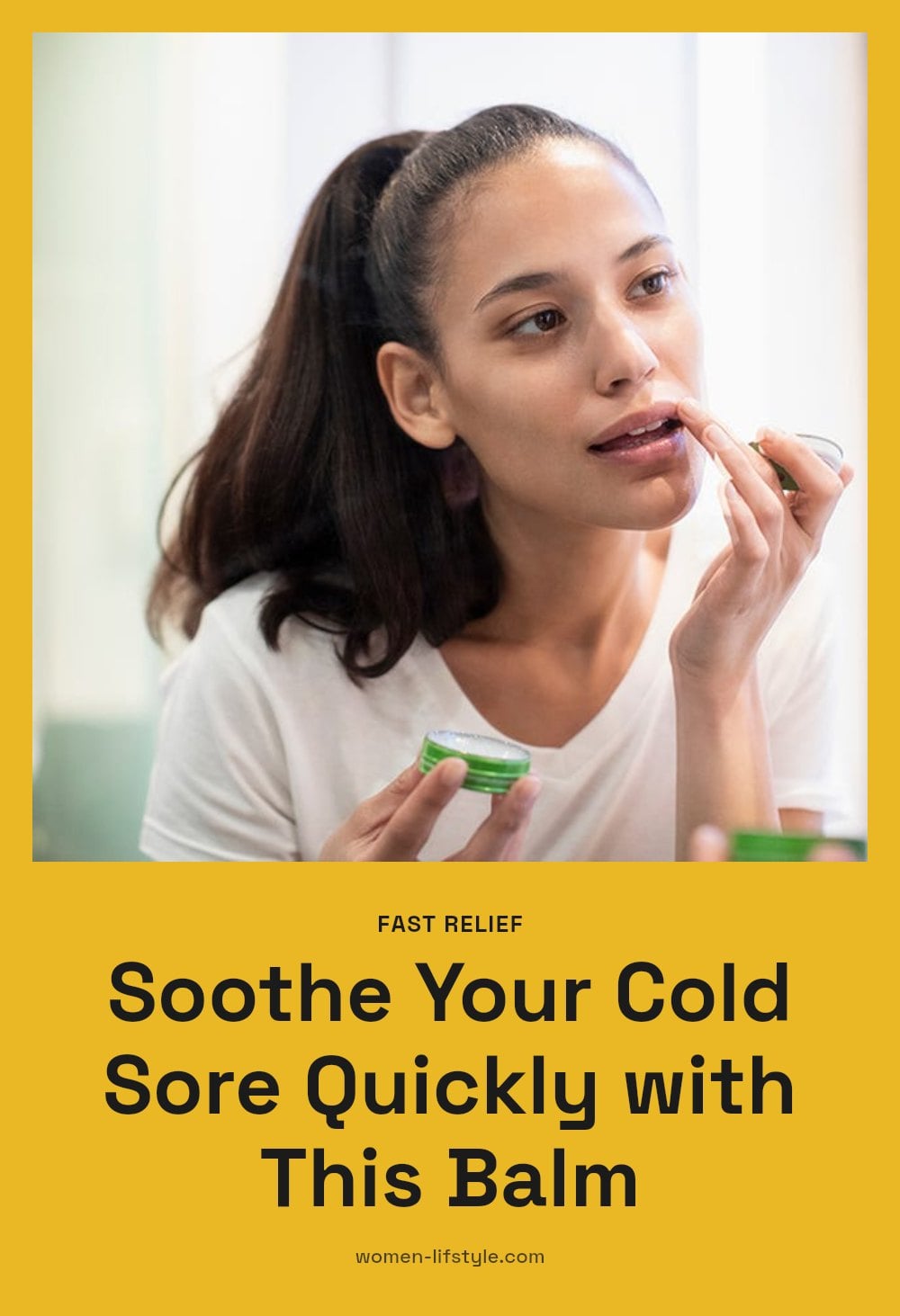
The moment you feel that familiar tingle, start treatment. That first sign is your window to reduce both the severity and the length of the outbreak. Over-the-counter creams containing docosanol can shorten healing time when applied early. For the best results, ask your doctor about prescription antiviral medications. They are the most effective option if taken at the very first symptom.
Why Cold Sores Appear and What Triggers Them
Why Cold Sores Appear and What Triggers Them
Cold sores come from the herpes simplex virus type 1 (HSV-1). Once you have it, the virus stays dormant in your nerve cells and can reactivate at any time. It is highly contagious, especially when blisters are present and until the sore is fully healed.
Common triggers that wake the virus up include:
- Stress and fatigue: Physical or emotional stress can lower your immune defenses.
- Illness or fever: A cold, the flu, or any infection can trigger an outbreak.
- Sun or wind exposure: UV rays and harsh wind are frequent culprits.
- Hormonal changes: Menstruation and other hormonal shifts can reactivate the virus.
- Weakened immune system: Anything that suppresses immunity makes reactivation more likely.
Because the virus never leaves your body, managing these triggers is key to reducing how often outbreaks occur.
Essential Items for Cold Sore Treatment
Having the right supplies on hand makes a difference. Here is what you may want to keep in your medicine cabinet:
- Docosanol cream (like Abreva): An over-the-counter antiviral that can shorten healing time.
- Prescription oral antivirals: Acyclovir, valacyclovir, or famciclovir for severe or frequent outbreaks.
- Pain relievers: Ibuprofen or acetaminophen for general discomfort.
- Topical anesthetic creams: Lidocaine or benzocaine for localized pain relief.
- Petroleum jelly: Keeps the sore moist and prevents cracking.
- Cold compress or ice pack: Reduces swelling and soothes pain.
- Lip balm with SPF: Protects lips from sun exposure, a common trigger.
Effective Methods to Treat an Active Cold Sore
Effective Methods to Treat an Active Cold Sore
Start treatment as soon as you feel tingling or itching. Early application is critical for the best results.
- Apply antiviral cream: Use a cream with docosanol at the first sign. Follow the package instructions, usually applying it several times a day. Tip: Keep the cream in a visible spot so you remember to use it at the very first tingle.
- Use oral antivirals: If your doctor prescribes acyclovir or valacyclovir, take it exactly as directed. These are most effective when started within 24 hours of symptoms.
- Manage pain: Take ibuprofen or acetaminophen for overall discomfort. For targeted relief, use a topical anesthetic like lidocaine.
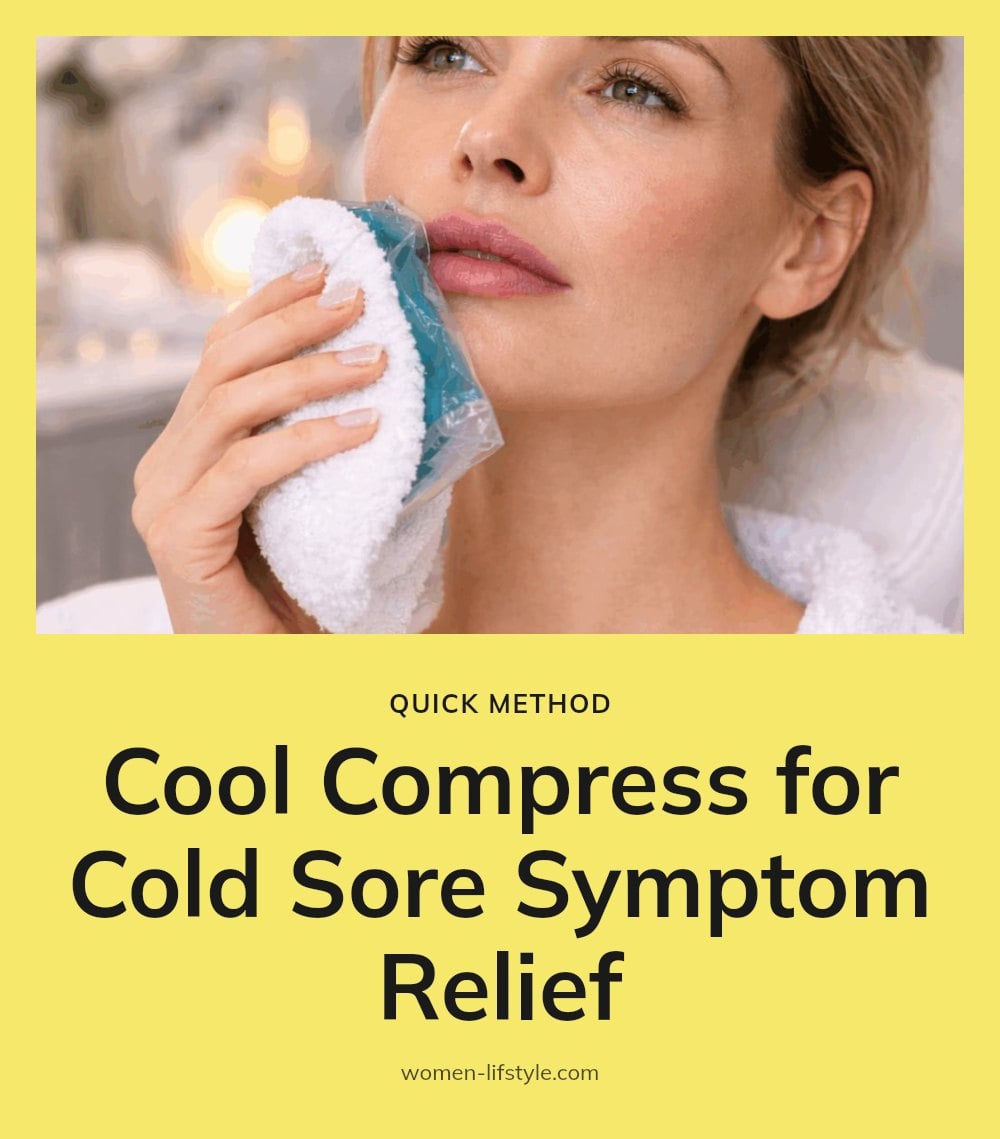
- Apply a cold compress: Hold an ice pack or cold cloth against the sore for 10-15 minutes at a time. This helps reduce swelling and numbs the area.
- Keep it moisturized: After applying antiviral cream, add a thin layer of petroleum jelly. This prevents the sore from cracking and helps it heal.
- Consider zinc oxide cream: Many people find that zinc oxide helps dry out the sore and promotes healing. Use it as a spot treatment.
Caution: Wash your hands thoroughly after every touch. The virus spreads easily, and you can infect other parts of your body or other people.
Common Cold Sore Treatment Mistakes to Avoid
Waiting too long to treat: Antivirals are most effective when you apply them at the very first tingle. Waiting until you see a blister reduces their ability to shorten the outbreak.
Picking or scratching: This can spread the virus to other parts of your face, introduce bacteria, and leave a scar. Keep your hands away.
Believing it is not contagious when crusted: A cold sore remains contagious until the skin is fully healed and normal. The crust stage still sheds virus.
Ignoring triggers: Sun exposure and stress are common causes of new outbreaks. Use SPF lip balm and find ways to manage daily stress.
Sharing personal items: Lip balms, utensils, towels, and razors can all carry the virus. Keep your items separate until the sore is completely gone.
How to Prevent Future Cold Sore Outbreaks
Identify your personal triggers and avoid them when possible. Common ones include sun exposure, stress, illness, and hormonal shifts.
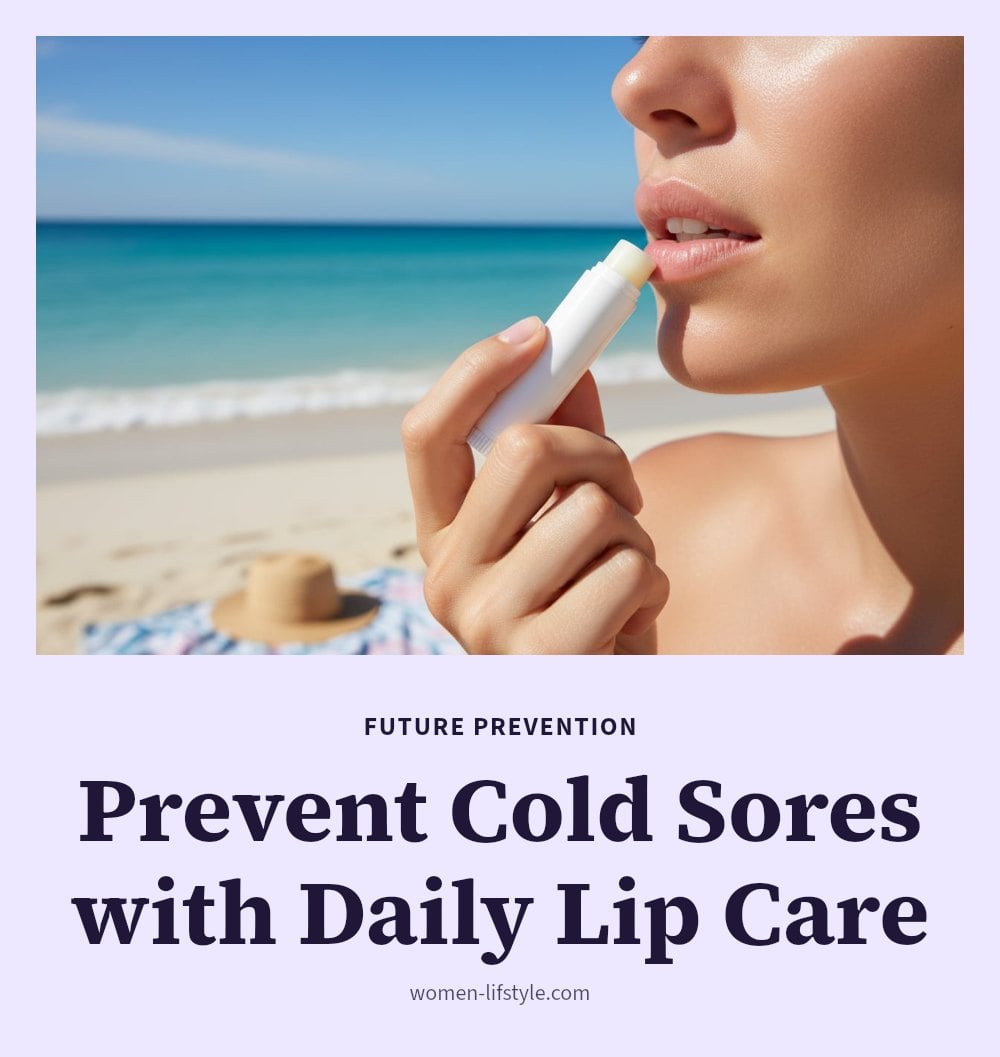
Use lip balm with SPF: Sun is a powerful trigger. Apply a broad-spectrum SPF 30 lip balm daily, even in winter.
Manage stress: Try deep breathing, a short walk, or a consistent sleep schedule to keep your immune system strong.
Boost your immune system: Eat a balanced diet, get 7-9 hours of sleep, and stay hydrated. A healthy body fights reactivation better.
Consider lysine supplements: Some people find they reduce outbreak frequency. Talk to your doctor before starting any supplement.
When to Consult a Doctor for Cold Sores
See a doctor if your cold sores are frequent, severe, or spread to other areas of your body. You should also make an appointment if a sore does not heal within two weeks.
- If you have a weakened immune system, seek medical advice early.
- If a cold sore develops near your eye, get immediate medical attention to prevent eye infection.
- If you are pregnant or breastfeeding, discuss any treatment with your doctor before using it.
Frequently Asked Questions
Can I prevent cold sores from appearing?
You can’t cure the virus, but you can reduce outbreaks by avoiding personal triggers like sun exposure, stress, and illness. Using SPF lip balm daily and managing stress with deep breathing or exercise may help. Some people also find lysine supplements helpful, though results vary.
Is a cold sore contagious after it scabs?
Yes, cold sores are still contagious until the scab has completely healed and fallen off on its own. The virus can spread through contact with the sore or the fluid inside. Avoid kissing and sharing personal items until the area looks fully healed.
What is the difference between cold sores and canker sores?
Cold sores are caused by the herpes simplex virus and appear as fluid-filled blisters on the lips or around the mouth. Canker sores are small, shallow ulcers that occur inside the mouth on the gums or cheeks, and they are not contagious. They have different causes and treatments.
How often can I get a cold sore?
Frequency varies by person. Some people have one outbreak per year, while others get them several times a year, especially during times of stress or illness. Keeping a diary of your outbreaks can help you identify your personal triggers and possibly reduce how often they happen.
How do you get rid of a cold sore overnight?
There is no way to completely get rid of a cold sore overnight. Healing takes several days, even with the best treatment. However, starting antiviral cream at the first tingle and using a cold compress can reduce pain and swelling quickly, making the sore less noticeable and more comfortable.
Final Thoughts
My tip: Keep a tube of docosanol cream in your medicine cabinet so you can start treatment the moment you feel that tingle. Realistically, even with early care, a cold sore usually takes 7 to 10 days to fully heal, but you can reduce symptoms and shorten the worst of it. With the right routine, you can manage outbreaks and get back to your day faster.
This article is for informational purposes only and does not replace professional medical advice. Cold sores are caused by a virus, and treatment results can vary. If you have frequent, severe, or persistent outbreaks, or if you are pregnant or breastfeeding, consult a doctor or dermatologist for guidance.
