

If you’re looking for a natural way to boost your hair’s health and shine, hair oiling might be exactly what you need. This ancient practice, rooted in Ayurvedic traditions, involves applying oil to your scalp and strands to moisturize, strengthen, and protect. In this article, I’ll walk you through the science behind it, the right oils to choose, and a step-by-step method that avoids common mistakes so you can get real results.
Key Takeaways
- Detangle your hair with a wide-tooth comb before oiling, never after.
- Warm your cold-pressed, single-ingredient oil in hot water for one minute before applying.
- Massage your scalp for at least five minutes using circular motions or a scalp massager.
- Leave the oil on for 1 to 8 hours; for low porosity hair, use a heat cap or warm towel.
- Shampoo for three minutes with a quarter-sized amount of mild shampoo to remove residue.
What is Hair Oiling and How Does It Work?
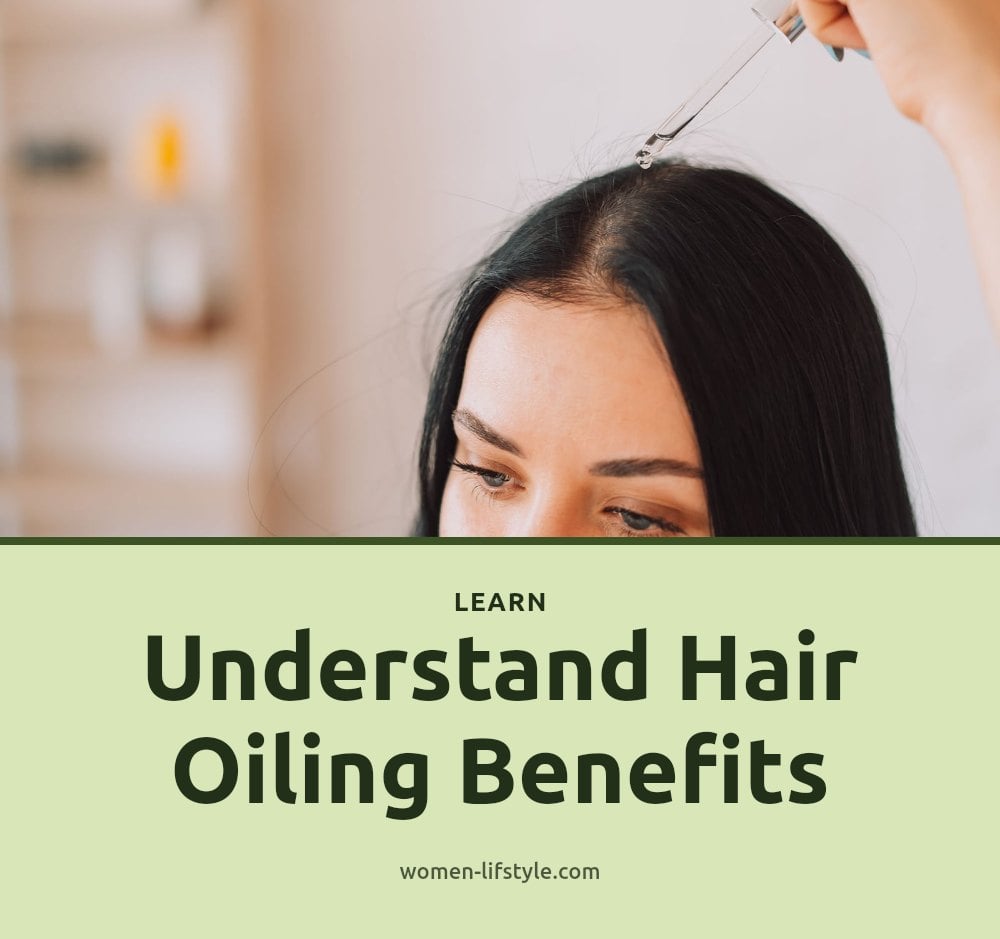
Hair oiling is an ancient practice that started in Ayurvedic traditions in India. You apply oil to your scalp and hair to moisturize, strengthen, and protect it. The science behind it is simple: oils reduce protein loss and hygral fatigue, the stress your hair experiences every time it swells with water and shrinks as it dries. Some oils, like coconut, have molecules small enough to penetrate the hair shaft. Others, like argan and jojoba, coat the hair instead, creating a protective barrier that adds shine. With regular use, hair oiling improves elasticity, cuts down on breakage, and leaves your scalp healthier and less flaky.
Your Hair Oiling Essentials
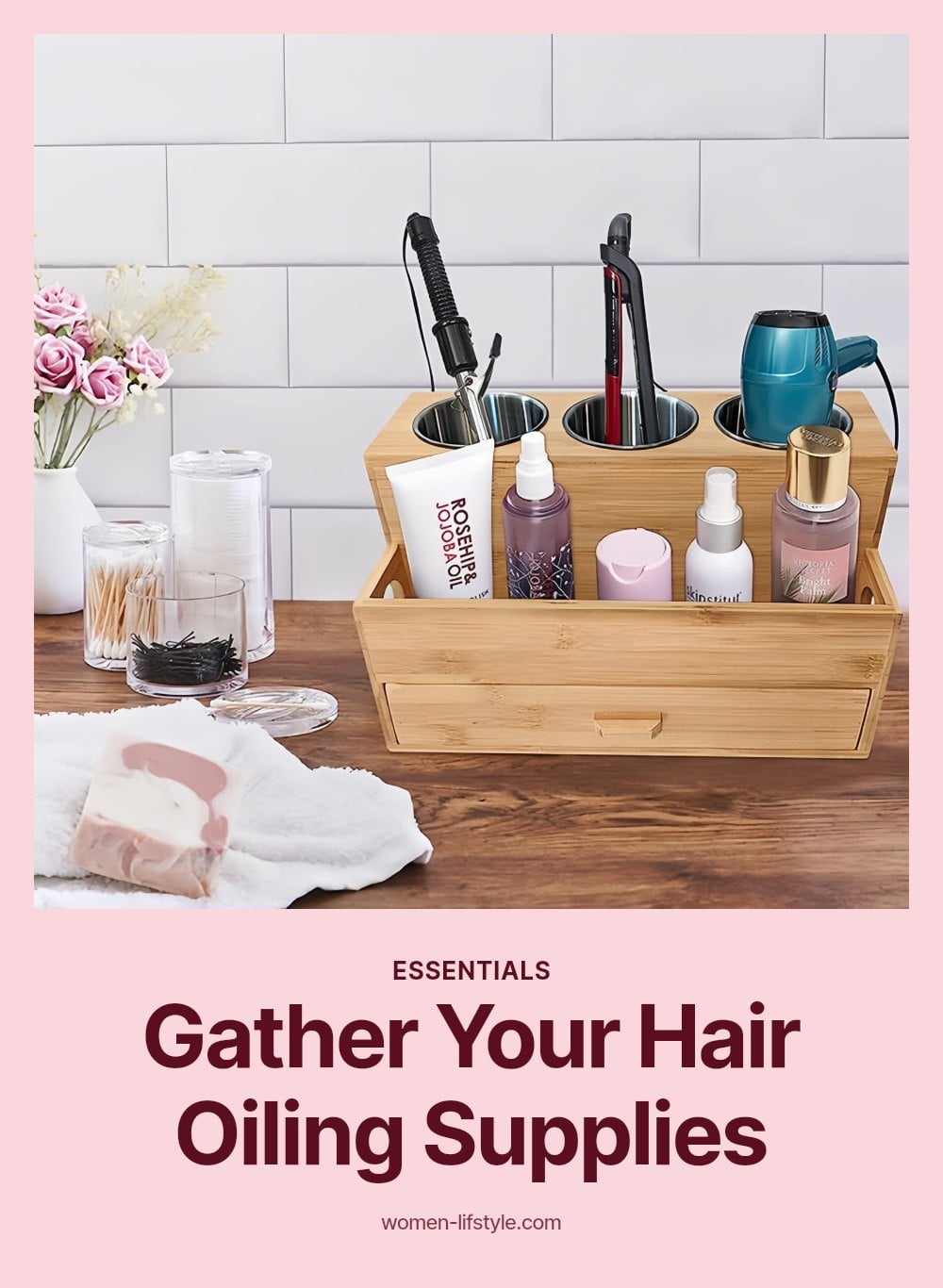
Before you start, gather these tools. Each one serves a specific purpose, so don’t skip them.
- Hair oil: Choose a cold-pressed, organic oil with a single ingredient. No blends or additives.
- Small bowl: You will use it to warm the oil safely in hot water.
- Q-tip: This gives you precise control when applying oil to your scalp.
- Wide-tooth comb: Detangle your hair before oiling to prevent breakage.
- Scalp massager or fingertips: Use one of these to stimulate circulation during the massage step.
- Shower cap: Cover your oiled hair to enhance absorption and keep oil off your clothes.
- Heat cap or microfiber towel: For low porosity hair, heat helps the oil penetrate deeper.
- Mild shampoo: A gentle formula cleans away the oil without stripping your hair.
Step-by-Step: How to Oil Your Hair the Right Way
Follow these steps in order for the best results. The method comes from a trusted source, so stick to the timings and amounts.
- Detangle your hair: Use a wide-tooth comb from ends to roots. Never comb after oiling because oiled hair is fragile and breaks easily.
- Select your oil: Pick a cold-pressed, organic oil with one ingredient. Avocado oil works well for moisturizing and reducing hygral fatigue. For hair growth, dilute rosemary oil with a carrier oil first.
- Warm the oil: Place the oil container in hot water for one minute. This helps it penetrate deeper and feels soothing on your scalp.
- Apply to your scalp: Dip a Q-tip into the warm oil and distribute it all over your scalp. The Q-tip gives you control so you don’t overapply.
- Oil your hair sections: Divide your hair into sections. With your hands, apply a very light layer of oil from roots to ends. Remember, less is more. Your hair should feel lightly covered, not drenched.
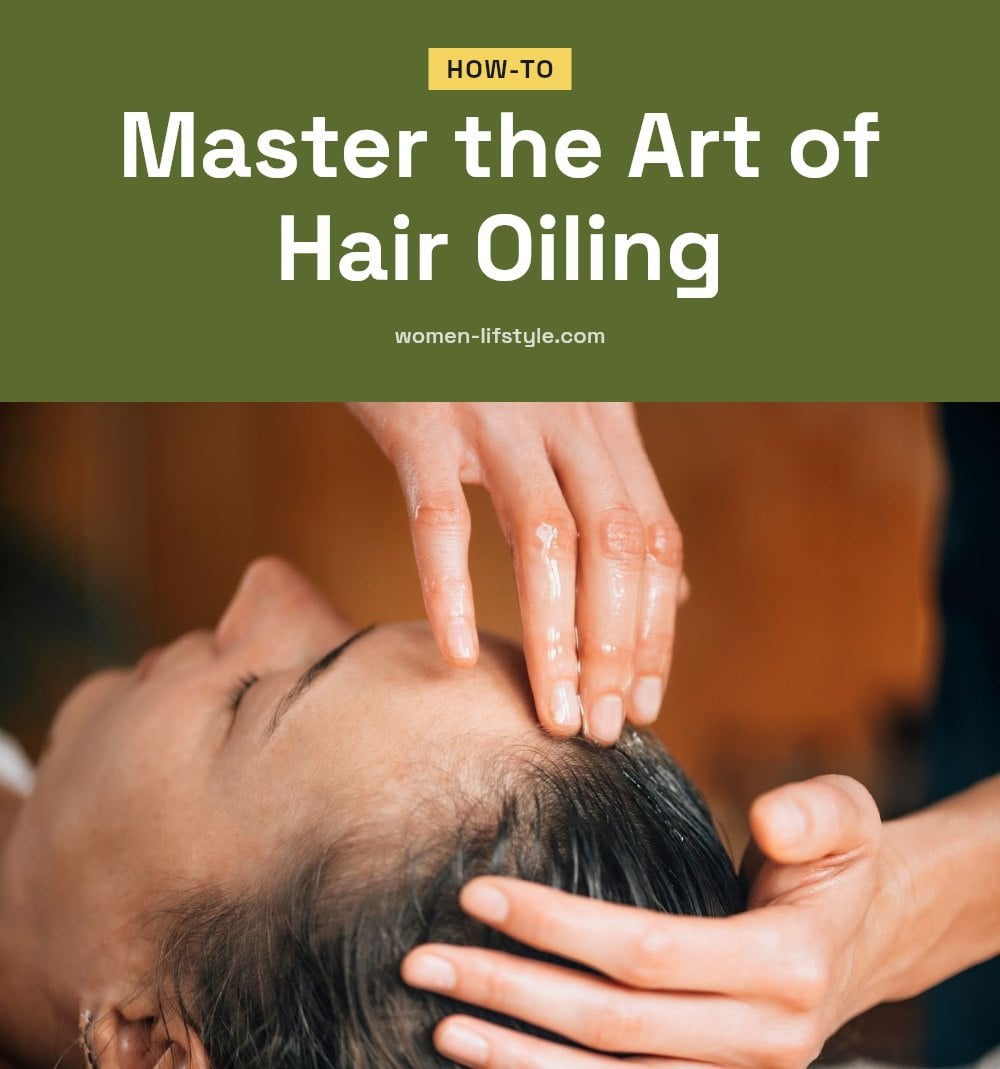
- Massage your scalp: Use your fingertips or a scalp massager in gentle circular motions for at least five minutes. This stimulates blood circulation and supports hair growth.
- Cover with a shower cap: Put on a shower cap to keep the oil contained and help it absorb.
- Add heat if needed: If you have low porosity hair, use a heat cap. Alternatively, warm a microfiber towel or cotton t-shirt in a dryer until it is warm (not hot) and wrap it around your hair.
- Let it sit: Leave the oil on for a minimum of 1 hour and a maximum of 8 hours. If you leave it overnight, rinse it off first thing in the morning.
- Soak before shampooing: Let your hair soak in warm water for one minute. This helps loosen the oil.
- Shampoo gently: Apply a quarter-sized amount of mild shampoo, emulsify it, and clean your hair for three minutes to break down the excess oil. Then proceed with your usual conditioner and styling products.
If you learn better by watching, this 10-minute video from Doro Cubillo shows every step. The how-to part starts at 0:21.
Choosing the Best Oil for Your Hair Type
Different oils target different hair concerns. The table below shows which oil fits your needs. Always choose cold-pressed, organic oils with a single ingredient.
| Oil | Best For | Key Benefit |
|---|---|---|
| Coconut | Dry, damaged hair | Penetrates the shaft, reduces protein loss (not for low porosity hair) |
| Argan | Frizzy hair, dull hair | Coats hair, adds shine and protection |
| Jojoba | Oily or dry scalp | Mimics natural sebum, balances scalp |
| Avocado | Dry, brittle hair | Deep moisture, reduces hygral fatigue |
| Rosemary (diluted) | Hair growth | Stimulates circulation when used with a carrier oil |
| Castor | Thickness | Folk remedy for hair density (limited evidence) |
If you have low porosity hair, skip coconut oil. It can cause dryness instead of moisture. Patch test any new oil on your skin before full application.
Common Hair Oiling Mistakes to Avoid
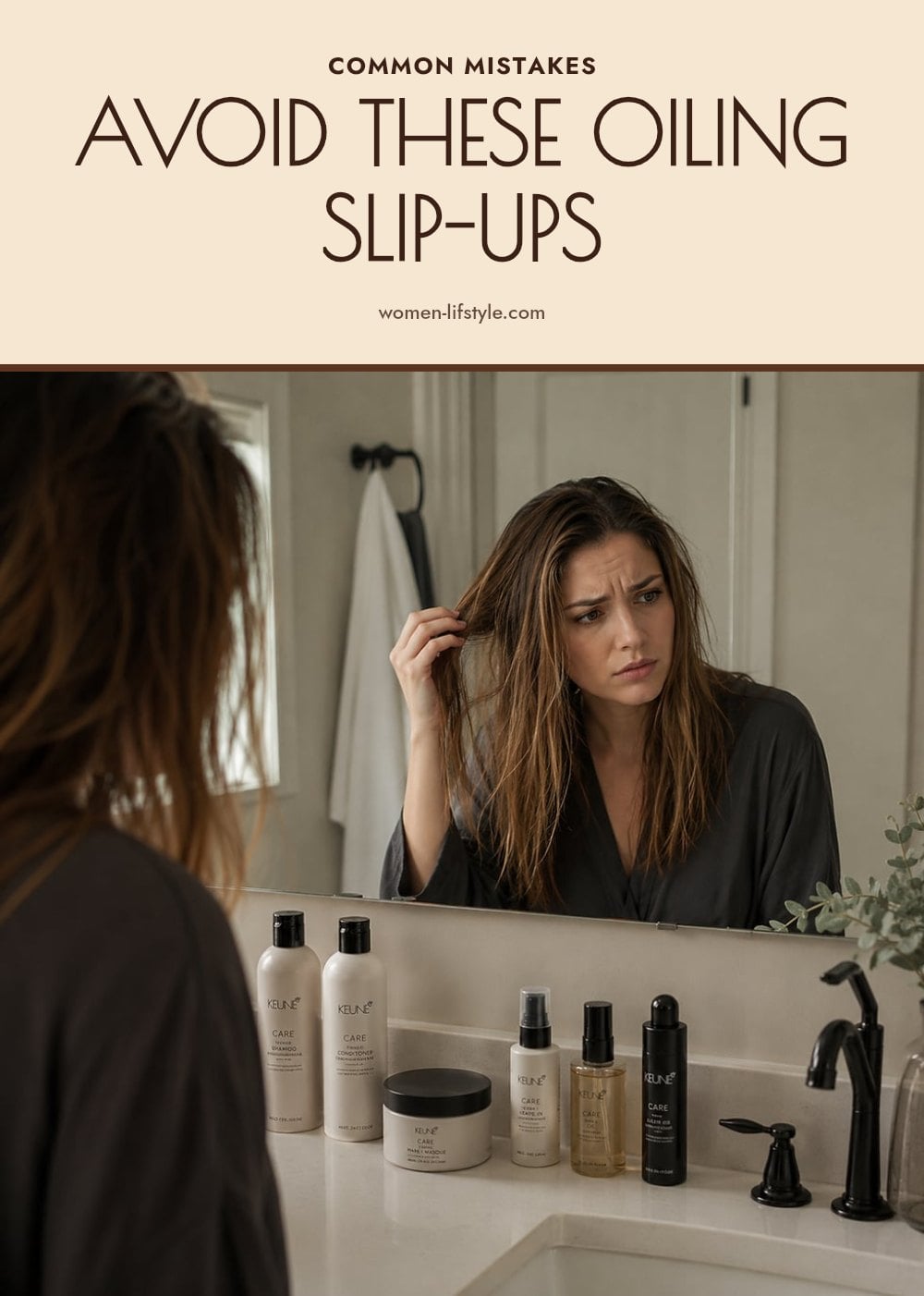
Combing immediately after oiling: Oiled hair is more fragile and prone to breakage. Detangle thoroughly with a wide-tooth comb before you apply any oil, not after.
Using the wrong oils: Avoid mineral oil, baby oil, or lemon oil, which can damage hair. Coconut oil isn’t universal; it can cause dryness for low porosity hair.
Not diluting essential oils: Essential oils like rosemary must be mixed with a carrier oil (such as jojoba or avocado) to prevent scalp irritation.
Skipping the warming step: Warm oil penetrates deeper and boosts circulation. Cold oil is far less effective.
Applying too much oil: Less is more. Drenching hair leads to difficult washing and can strip natural oils with extra shampooing.
Rough scalp massage or no massage: Use gentle circular motions for at least five minutes. Vigorous rubbing causes breakage; skipping it misses growth benefits.
Leaving oil on too long: Stick to 1-8 hours. Leaving oil on for multiple days attracts dirt and creates buildup.
Pro Tips for Maximizing Your Hair Oiling Results
Patch test new oils: Apply a small amount to your inner arm or behind your ear before using it on your scalp. Wait 24 hours to check for any reaction.
Consistency is key: You may notice improved shine and softness after a few weeks of regular use. Deeper changes in elasticity and breakage take several months.
Consider your hair porosity: Low porosity hair needs heat to let oil in. Use a heat cap or a warm microfiber towel to enhance penetration.
Don’t overdo it: Oiling 1-2 times per week is enough. More frequent application can lead to buildup and dullness.
Warm oil safely: Never microwave oil in metal containers, which can cause burns. Place the oil container in a bowl of hot water for one minute instead.
When to Consult a Professional
If you experience persistent itching, redness, or irritation after oiling, stop using it and see a dermatologist.
If you have a known scalp condition such as severe dandruff, psoriasis, or eczema, consult a dermatologist before starting hair oiling.
If you notice unusual hair loss or significant changes in your hair or scalp health, seek professional medical advice.
Timeline and Frequency for Hair Oiling
Frequency: Oil your hair 1-2 times per week for best results without buildup.
Immediate results: You may see improved shine and softness after a few weeks of consistent use.
Long-term benefits: Significant changes in elasticity and reduced breakage typically appear over several months of regular practice.
Cost: The cost is generally low. A single bottle of quality hair oil lasts for many applications.
Frequently Asked Questions
How do I know my hair porosity?
To test your hair porosity, place a clean strand of hair in a glass of water. If it floats on top, you have low porosity hair. If it sinks slowly, it’s medium porosity. If it sinks quickly, you have high porosity hair. This helps you choose the right oil and treatment method.
What’s the best oil for hair growth?
Rosemary oil, diluted with a carrier oil like jojoba or avocado, is commonly believed to support hair growth. While scientific evidence is limited, many people find it helpful when combined with regular scalp massage. Always dilute essential oils before applying to avoid irritation.
Can I leave hair oil on overnight?
Yes, you can leave oil on for up to 8 hours, including overnight. If you leave it overnight, rinse it out first thing in the morning. For fine or oily hair, overnight treatments may lead to greasiness or clogged pores, so start with a shorter time and see how your hair responds.
What if my hair still feels greasy after washing?
If your hair feels greasy after shampooing, you likely used too much oil or didn’t shampoo thoroughly enough. Next time, use less oil and shampoo for a full three minutes with a quarter-sized amount of mild shampoo. You can also shampoo twice if needed to remove excess residue.
How often should I oil my hair?
Oil your hair 1-2 times per week for best results without buildup. Oiling more often can lead to greasy hair and product buildup, while less frequent oiling may not provide enough conditioning benefit. Adjust based on your hair type and how your scalp responds.
Final Thoughts
My tip: Stick to a consistent routine of oiling 1-2 times per week, and you can expect to see improved shine and softness within a few weeks. Real changes in elasticity and reduced breakage take several months, so patience pays off. Start with a simple, cold-pressed oil that matches your hair type, and follow the method step by step for the best results.
This article is for general informational purposes only and is not a substitute for professional medical or dermatological advice. If you have a persistent scalp condition, unusual hair loss, or any adverse reaction to oiling, consult a healthcare professional or dermatologist for personalized guidance.
