

If you’ve noticed fan-shaped mounds of soil popping up in your yard and your plants are mysteriously wilting, you’re likely dealing with gophers. These solitary burrowing rodents can cause serious damage to lawns and gardens by feeding on roots and tunneling underground. This article covers the most effective methods for getting rid of gophers, from trapping and baiting to exclusion and regular monitoring, so you can choose the right approach for your situation.

Key Takeaways
- Trapping is the most environmentally friendly and immediate method for active gopher infestations.
- Confirm active tunnels by clearing a fresh mound and checking for new soil within 24 to 48 hours.
- Place traps in the main runway, which is typically 6 to 12 inches below the surface.
- Bury hardware cloth at least 18 to 24 inches deep to protect garden beds long term.
- Combine trapping, baiting, and exclusion for the best results, as no single method works every time.
How to Get Rid of Gophers in Your Yard
The most effective way to eliminate gophers is a combination of trapping, baiting, and exclusion techniques. Trapping is often the most environmentally friendly and immediate solution for active infestations. Understanding gopher behavior and identifying active tunnels are crucial first steps for successful control. Start by confirming you have gophers, not moles, then choose your primary method based on your yard’s size and your tolerance for lethal control.
1. Identify Active Gopher Tunnels
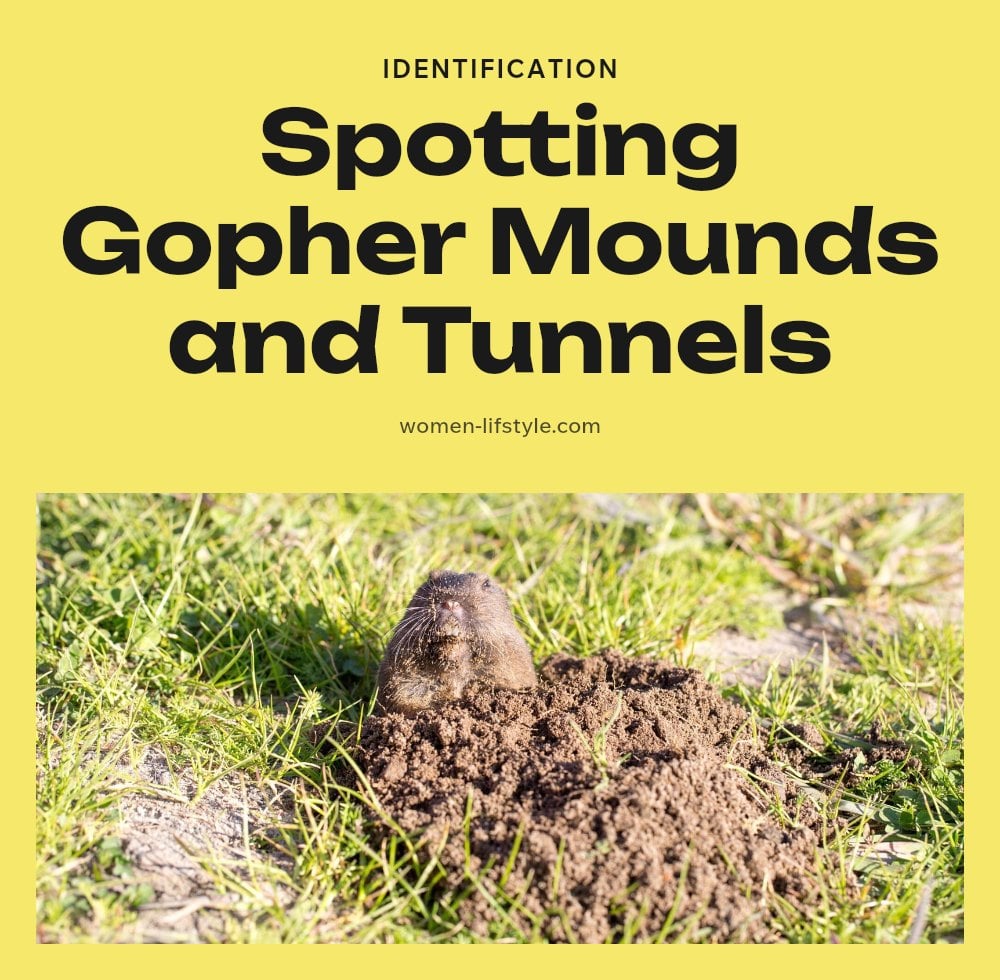
Gophers create fan-shaped mounds of soil, unlike moles’ volcano-shaped mounds. To confirm a tunnel is active, clear away a fresh mound and check for new soil within 24 to 48 hours. Activity is highest in spring and fall when the soil is moist and easy to dig.
- Look for fan-shaped mounds: Gopher mounds are crescent or fan-shaped with a plugged hole off to one side. Mole mounds are round and volcano-like.
- Test for freshness: If the mound reappears within two days, the tunnel is active and ready for trapping or baiting.
2. Set Gopher Traps Effectively
Trapping is one of the most effective and environmentally friendly methods for gopher control. Locate the main tunnel, typically 6 to 12 inches below the surface, using a probe or stick. The main runway runs straight between mounds and is where the gopher travels most often.
- Place two traps facing opposite directions: This catches the gopher coming from either end of the tunnel.
- Wear gloves when handling traps: Human scent can deter gophers, so avoid direct contact.
- Check traps daily: Gophers can escape or die in traps, so frequent checks are essential for humane and effective control.
3. Use Gopher Baits Cautiously
Gopher baits are typically toxic and must be used with extreme caution to prevent harm to non-target animals and children. Always read and follow all instructions carefully when using gopher baits or fumigants. Place baits directly into active tunnels, not on the surface, to minimize exposure to other animals.
- Use bait stations or place bait deep inside tunnels: This reduces risk to pets and wildlife.
- Store baits securely: Keep them in a locked cabinet away from children and pets.
- Never use bait as a standalone method: Combine with trapping for best results.
4. Consider Exclusion Methods
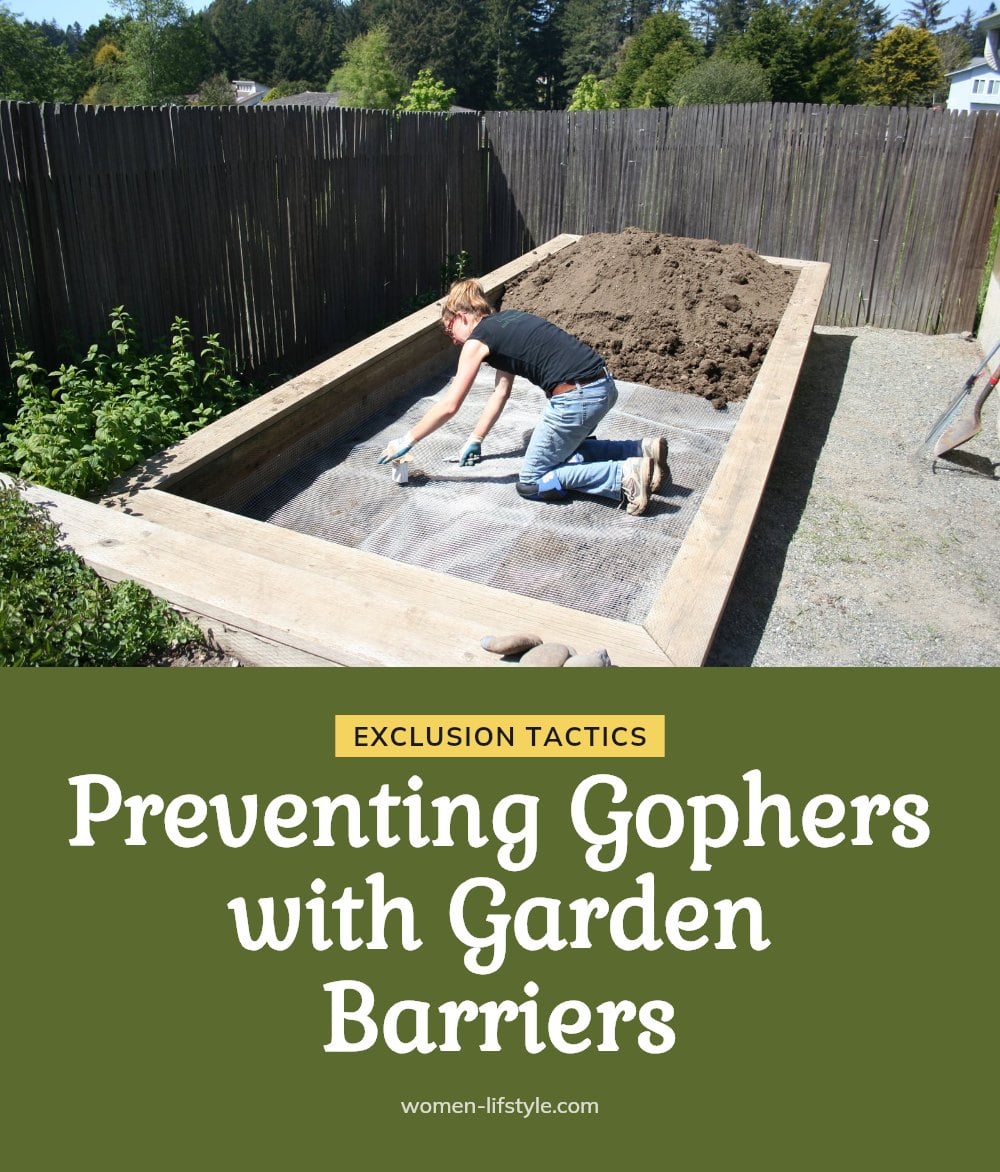
Exclusion is the best long-term option for protecting specific areas like garden beds. Bury hardware cloth or wire mesh with openings 1/2 inch or smaller around the perimeter of vulnerable plants. Dig a trench at least 18 to 24 inches deep, and bend the bottom edge outward in an L-shape to stop gophers from digging under it. This creates a permanent barrier that keeps them out of your most valuable spots.
5. Try Flooding Gopher Tunnels
Flooding can work on simple tunnel systems, but it often fails against large or complex networks. Insert a garden hose into an active tunnel and let water run for at least 30 minutes. The gopher may surface to escape, so have a trap or shovel ready. Caution: This method can damage your lawn and won’t solve a heavy infestation.
6. Monitor Your Yard Regularly
Gophers are solitary but prolific. A single female can have 3 to 7 young per litter, with multiple litters each year. Check your yard for new fan-shaped mounds every few days, especially in spring and fall when activity peaks. Catching a new mound early means you can set traps before the problem multiplies. A quick walk-through takes five minutes and saves you weeks of work later.
7. Understand Gopher Diet
Gophers eat roots, bulbs, tubers, and above-ground vegetation they pull into their tunnels. This is why plants suddenly disappear or wilt without any visible surface damage. Knowing what they prefer, like dandelions, alfalfa, and many garden vegetables, can help you choose which plants to protect with barriers or which areas to bait first. Focus on the plants that disappear fastest.
8. Don’t Rely on Repellents Alone
Repellents, often made with castor oil, can deter gophers for a few days but rarely solve an active infestation. The scent and taste are unpleasant to gophers, so they may avoid a treated area briefly. But the effect fades quickly, especially after rain or irrigation.
- My tip: Use repellents only as a temporary shield while you set traps or install barriers.
- They work best on small, low-pressure populations, not on a determined gopher with a full tunnel system.
- Reapply after heavy rain and rotate products if you notice the gopher returning.
9. Address Underlying Attractions
If your yard is a buffet of roots, bulbs, and tender plants, gophers will keep coming back. The most effective long-term move is to reduce what attracts them in the first place.
- Protect valuable plants by surrounding them with underground barriers of 1/2-inch hardware cloth buried at least 18-24 inches deep.
- Choose gopher-resistant plants like daffodils, lavender, or rosemary for high-risk beds.
- Maintain a healthy lawn but avoid overwatering. While moist soil supports gopher activity, excessively soft, waterlogged soil makes burrowing easier. Keep soil moisture moderate to discourage digging.
10. Practice Safety First
Gophers carry diseases like leptospirosis and hantavirus, and their baits are potent poisons. Always wear thick gloves when handling traps or dead gophers to avoid bites and direct contact with bodily fluids.
- Caution: Store baits in a locked cabinet away from children, pets, and wildlife.
- Before probing or digging for tunnels, call 811 to mark underground utility lines. A probe hitting a gas line or electric cable is dangerous and expensive.
- If using fumigants, work only in well-ventilated outdoor areas and follow the label exactly.
11. Be Patient and Persistent
No single method works every time, so combine trapping, baiting, and exclusion for the best results. Trapping can show progress within days, but exclusion barriers take longer to install and protect your yard for years.
- Check traps daily and reset them promptly if they are empty but the tunnel remains active.
- Keep monitoring your yard every few weeks, especially in spring and fall when gophers are most active.
- If one method fails, switch to another without giving up, gophers are persistent, so you have to be, too.
Common Gopher Control Mistakes
Mistaking gopher mounds for mole mounds is a common error. Gopher mounds are fan-shaped, while mole mounds are volcano-shaped. Using traps or baits designed for moles on gopher tunnels wastes time and money.
Placing traps in inactive tunnels is another frequent mistake. Always confirm a tunnel is active by clearing a fresh mound and checking for new soil within 24 to 48 hours. Gophers will not enter old tunnels.
Not checking traps frequently enough reduces their effectiveness. Check traps at least daily to remove captured gophers and reset them. Gophers can escape or die in traps, which is inhumane and discourages future catches.
Relying solely on repellents is a mistake many homeowners make. Repellents offer only temporary and limited deterrence and are not a solution for an active infestation. Use them as a supplement, not a primary method.
Ignoring early signs of activity leads to bigger problems. Gophers can have multiple litters per year, so address the problem as soon as you see the first fan-shaped mound. Early detection prevents a small issue from becoming a large infestation.
Frequently Asked Questions
How quickly can gophers multiply?
Gophers are prolific breeders. A single female can have 3 to 7 young per litter and produce multiple litters each year. This means a small problem can quickly become a large infestation if you don’t address it early.
Can gophers damage underground pipes?
Yes, gophers can damage underground utility lines and irrigation pipes by gnawing on them while digging their tunnels. Their burrowing can also cause soil erosion that exposes or shifts pipes over time. Protecting vulnerable areas with wire mesh can help prevent this.
Do gopher repellents really work?
Repellents, often made with castor oil, can deter gophers for a few days but are not a long-term solution for active infestations. The effect fades quickly, especially after rain or irrigation. Relying solely on repellents is a common mistake; combine them with trapping or exclusion for better results.
How do I know if I have gophers or moles?
Gophers create fan-shaped mounds of soil, while moles produce volcano-shaped mounds. Gophers also pull plants into their tunnels from below, causing wilting without visible surface damage. Moles primarily eat insects and leave raised ridges in the lawn.
What are the best ways to get rid of gophers?
The most effective approach combines trapping, baiting, and exclusion. Trapping is the most environmentally friendly and immediate method for active tunnels. Baiting should be used cautiously to avoid harming pets and children. Exclusion, such as burying hardware cloth, provides long-term protection for garden beds.
Final Thoughts
For the best results, start with trapping in active tunnels, then reinforce your yard with exclusion barriers around vulnerable plants. Expect to see progress from trapping within days, but remember that ongoing monitoring is necessary because gophers can have multiple litters per year. Stay patient and persistent, and your yard can recover from gopher damage.
This article is for general informational purposes only and is not a substitute for professional pest control advice. Gopher baits and fumigants are toxic and should be handled with extreme care. If you have a severe infestation or are unsure about safe handling, consult a licensed pest control professional.
