

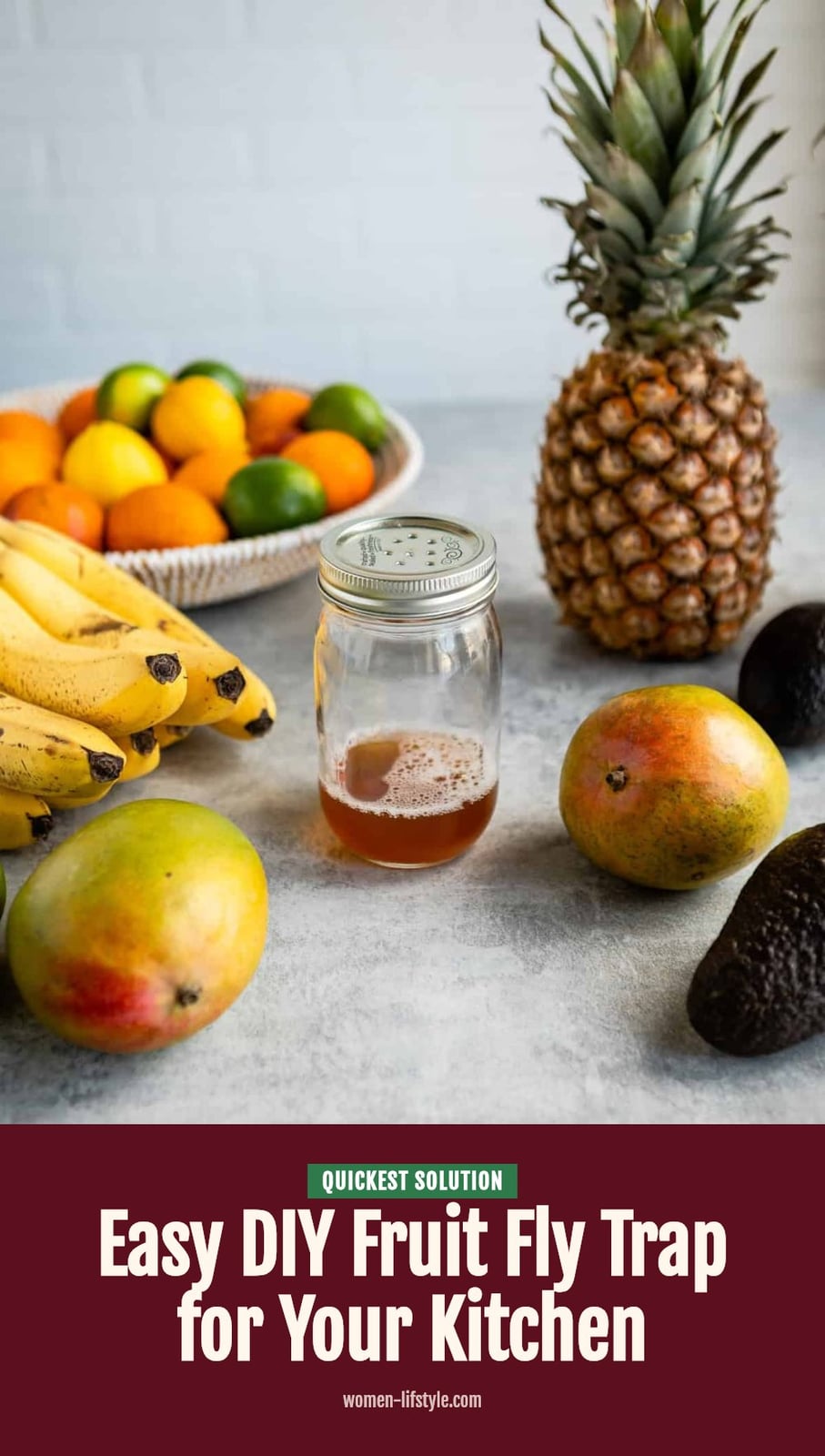
You’ve probably noticed them buzzing around your fruit bowl or kitchen sink, seemingly out of nowhere. Fruit flies are tiny but persistent, and they can turn your kitchen into their personal breeding ground in no time. In this article, I’ll walk you through a simple, effective DIY trap using apple cider vinegar and dish soap, plus the key steps to stop them from coming back.
This trap works because it uses what fruit flies love most to lure them in, and a clever trick to keep them from escaping. I’ll also cover common mistakes to avoid and how to prevent future infestations.
Key Takeaways
- Pour about an inch of apple cider vinegar into a disposable cup as the attractant.
- Add about one teaspoon of dish soap to break the surface tension so flies drown.
- Cover the cup with plastic wrap and poke large holes for a one-way entry.
- Place traps near activity, but always remove the breeding source first for full control.
- Replace trap contents every 2-3 days or when full for best results.
How to Get Rid of Fruit Flies
The fastest way to get rid of fruit flies is to set a simple trap using apple cider vinegar and dish soap. The vinegar attracts them with its fermenting smell, and the dish soap breaks the surface tension of the liquid, causing the flies to drown. Crucially, you must also identify and eliminate the source of the infestation, such as rotting fruit or a dirty drain. Traps alone won’t solve the problem long-term if you don’t remove what’s drawing them in.
Why Fruit Flies Love Your Home
Why Fruit Flies Love Your Home
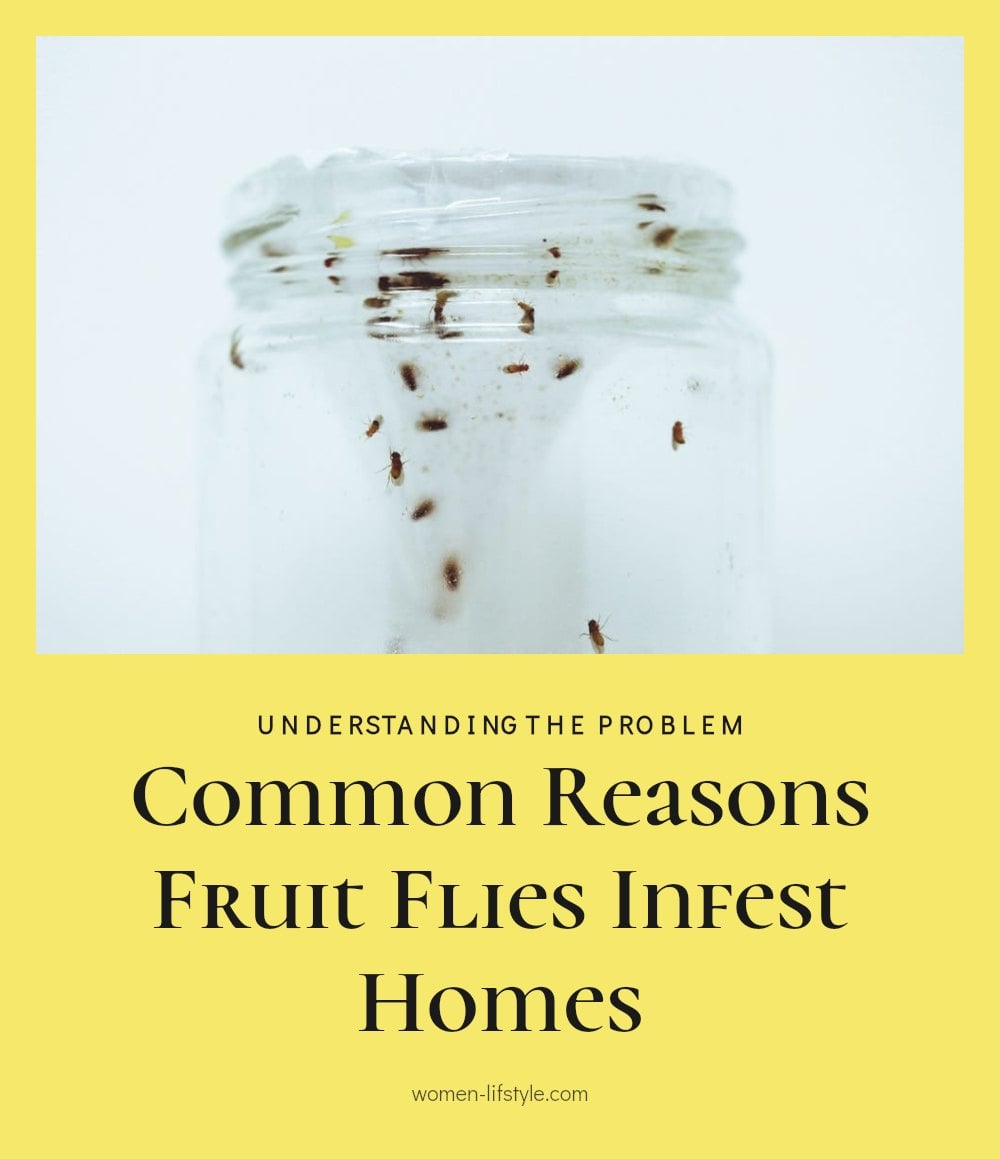
Fruit flies are attracted to ripe, rotting, or fermenting fruits and vegetables. They can also be drawn to other sugary substances, spilled drinks, garbage disposals, and moist organic debris in drains. A female fruit fly can lay up to 500 eggs in her lifetime, often on the surface of fermenting food, which leads to rapid multiplication. The entire life cycle from egg to adult can be completed in as little as 8-10 days under ideal conditions. That’s why a small problem can turn into a full infestation almost overnight.
What You’ll Need for Your Fruit Fly Trap
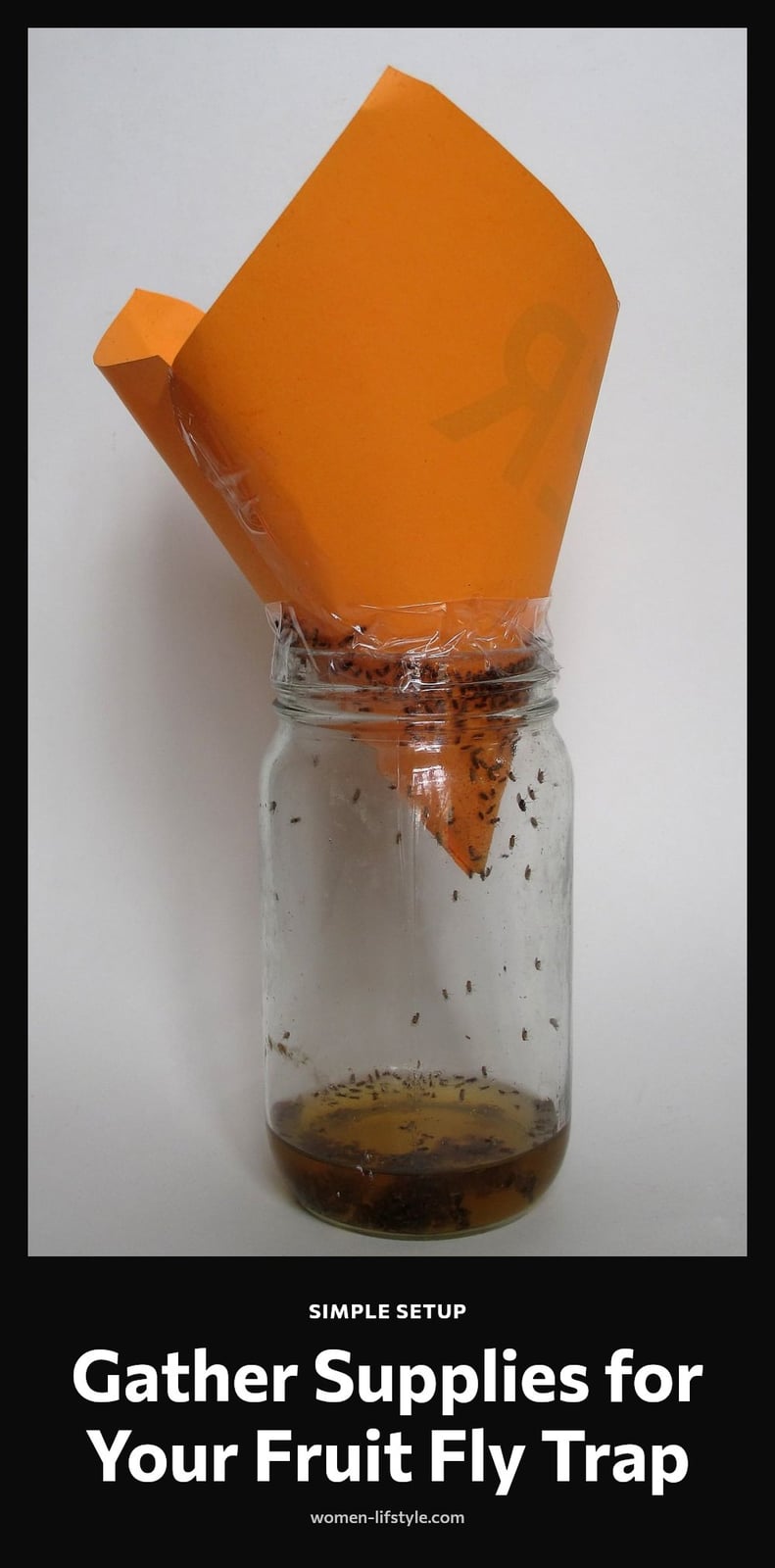
Here’s what you need for an effective DIY fruit fly trap:
- Apple cider vinegar: The primary attractant due to its fermenting smell.
- Dish soap: Breaks the surface tension of the liquid, causing flies to sink.
- Small, disposable cup or jar: A container for your trap; disposable is recommended because it will get dirty.
- Plastic wrap: To cover the trap and create a one-way entry.
- Rubber band or tape: To secure the plastic wrap tightly.
- Toothpick or small skewer: To poke entry holes in the plastic wrap.
Step-by-Step: Making the Best DIY Fruit Fly Trap
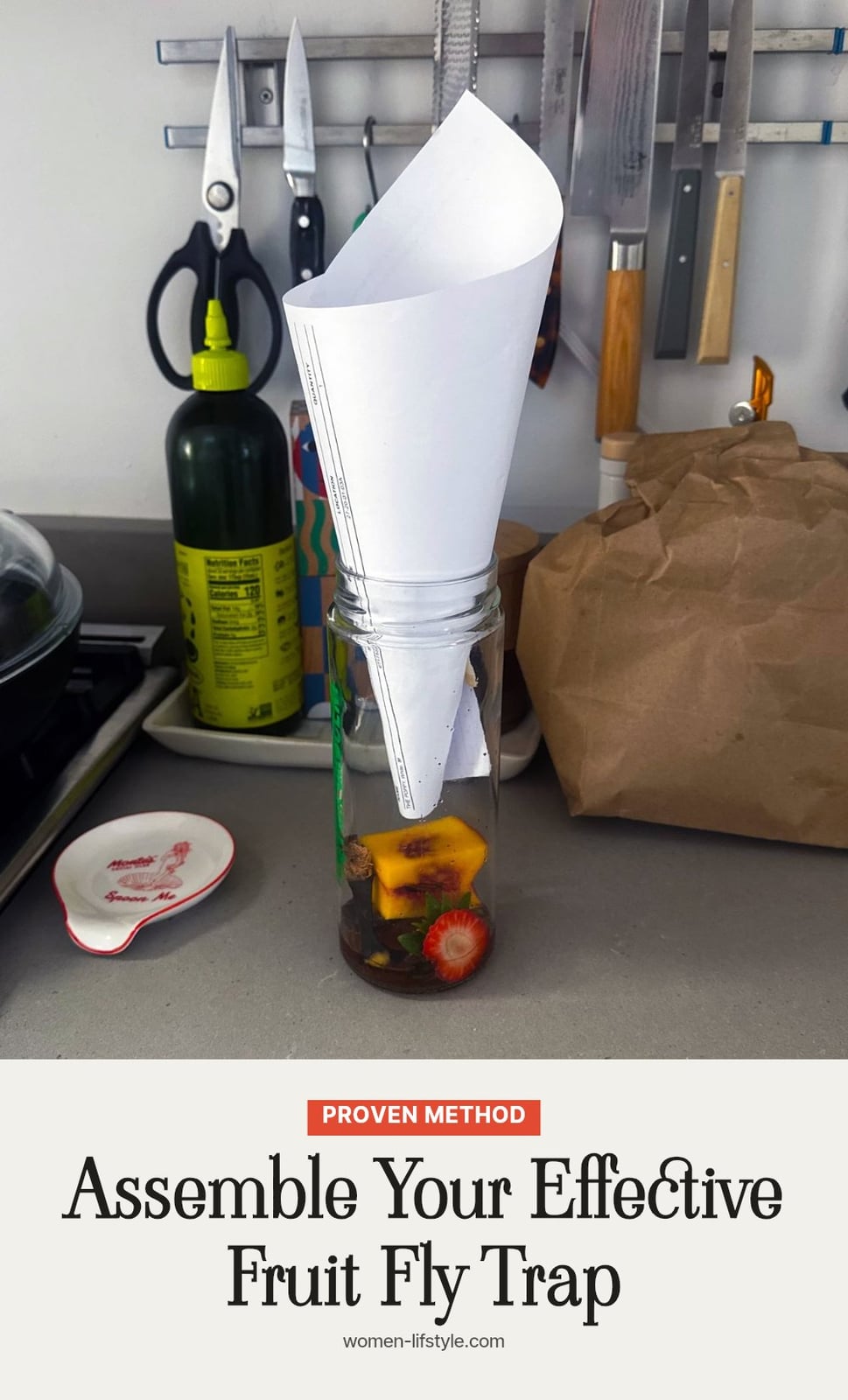
Follow these steps to make the best DIY fruit fly trap:
- Pour vinegar: Pour about an inch of apple cider vinegar into a disposable cup.
- Add dish soap: Add approximately one teaspoon of dish soap to the vinegar. Be careful not to add too much, as it can mask the vinegar’s attractive scent.
- Cover with plastic wrap: Cover the top of the cup tightly with plastic wrap, securing it around the rim with tape or a rubber band.
- Poke holes: Poke several large holes in the plastic wrap. The holes should be big enough for fruit flies to enter easily.
- Place the trap: Put the trap in an area with active fruit fly activity, such as near a fruit bowl or sink.
If you learn better by watching, this 5-minute video from Next Destination Loading shows every step. The how-to part starts at 0:34.
Common Fruit Fly Trap Mistakes to Avoid
Only setting out traps: Traps catch adult flies, but they won’t stop new ones from hatching if you ignore the source. You have to find and remove the breeding site, overripe fruit, a dirty drain, or a forgotten spill, or the flies will keep coming.
Adding too much dish soap: The video warns that more than a teaspoon of dish soap masks the apple cider vinegar’s smell. The trap then attracts far fewer flies.
Using too large holes in plastic wrap: Holes that are too big let fruit flies escape after they enter. Poke holes large enough for fruit flies to enter easily, but not so large that they can escape.
Not replacing trap contents frequently enough: The attractant loses its power after a few days. Replace the vinegar and soap every 2-3 days, or sooner if the trap is full of dead flies.
Assuming fruit flies only come from fresh fruit: Check drains, garbage disposals, trash cans, and even old onions or potatoes in the pantry. Flies can breed in any moist, fermenting organic matter.
Stop Fruit Flies Before They Start: Prevention Tips
Store produce properly: Keep ripe fruits and vegetables in the refrigerator or in sealed containers on the counter. This removes the main attractant before it can draw flies.
Clean up spills immediately: Wipe up sugary drinks, juice drips, and food crumbs as soon as they happen. Even a small sticky spot can attract fruit flies.
Empty trash regularly: Take out kitchen trash that contains food waste at least once a day, and use a can with a tight-fitting lid to seal in odors.
Clean drains: Pour 1/2 cup of baking soda followed by 1/2 cup of vinegar down the drain once a week. Let it fizz for 10 minutes, then flush with boiling water. This removes the organic buildup where flies breed.
Inspect incoming produce: Fruit flies can hitchhike home from the grocery store. Wash produce thoroughly before storing it, and check for any damaged or overripe pieces that might already have eggs.
How Long Until Fruit Flies Are Gone & Cost
Timeline for traps: You should start seeing fruit flies caught in your trap within a few hours. The vinegar smell pulls them in quickly.
Full control timeline: Complete elimination can take several days to a week. How fast it happens depends on how quickly you find and remove every breeding source. Traps alone won’t speed this up.
Trap replacement: For continued effectiveness, replace the trap contents every 2-3 days, or whenever the trap is full. Stale vinegar stops attracting.
Cost: This method costs almost nothing. You likely already have apple cider vinegar and dish soap at home, and the cup can be any small disposable container you have on hand.
Frequently Asked Questions
How do fruit flies get into my house?
Fruit flies can enter through open doors and windows, or they can hitch a ride on produce you bring home from the grocery store. They’re small enough to slip through screens, so it’s common for them to find their way in during warmer months.
Can fruit flies lay eggs in my houseplants?
Fruit flies prefer fermenting organic material like overripe fruit, but they may be attracted to moist soil in houseplants if it contains decaying plant matter. However, fungus gnats are more commonly found in houseplant soil, so check for small flying insects near your plants to identify the culprit.
How long does it take for fruit flies to disappear?
You’ll see results in the trap within hours, but complete elimination usually takes several days to a week. The timeline depends on how quickly you remove the breeding source and whether you prevent new flies from entering. If you address the source right away, you can speed up the process.
Are fruit flies harmful?
Fruit flies are not known to pose direct health risks, but they can be a nuisance and may contaminate food by transferring bacteria from other surfaces. They multiply quickly, so it’s best to manage an infestation promptly to keep your kitchen clean and your food safe to eat.
Final Thoughts
For a quick fix, this apple cider vinegar and dish soap trap will start catching flies within hours. But remember, traps alone won’t solve the problem if you don’t also find and clean up what’s attracting them. Check your fruit bowl, drains, and trash cans for the real source. With consistent prevention and this simple trap, you can expect your kitchen to be fly-free in a few days to a week.
