

Guilt can feel like a heavy weight that follows you everywhere, making it hard to move forward. You might be replaying past mistakes in your head, wondering how to finally let go. Forgiving yourself is a real, achievable process that involves acknowledging what happened, treating yourself with kindness, and choosing to release the burden. This article walks you through what self-forgiveness truly means, why it’s so challenging, and practical steps you can start using today.

Key Takeaways
- Self-forgiveness is a process that takes time and repeated effort, not a one-time decision.
- Acknowledge guilt without judging yourself; say ‘I feel guilty’ instead of ‘I am bad.’
- Take responsibility for your actions without spiraling into self-blame or self-punishment.
- Make amends when possible and appropriate, respecting the other person’s boundaries.
- Seek professional help if guilt or shame becomes overwhelming or interferes with daily life.
What Does It Mean to Forgive Yourself?
Self-forgiveness means acknowledging your past actions without judgment, accepting your humanity, and choosing to release the burden of guilt. It’s about learning from mistakes and allowing yourself to heal, not condoning harmful behavior. This journey involves self-compassion, taking responsibility, and making amends where possible, which leads to greater emotional freedom.
Why Is Self-Forgiveness So Hard?
Holding onto guilt and shame can feel like self-punishment, and many people believe they deserve it. A key distinction: guilt focuses on a specific action, while shame targets your whole sense of self, making it much harder to overcome. The process is rarely linear. It requires repeated effort, so you may feel like you’re never truly ‘done.’ Additionally, confusing self-forgiveness with forgetting or condoning creates internal resistance, as if forgiving yourself would mean excusing the behavior.
Tools to Help You on Your Self-Forgiveness Journey
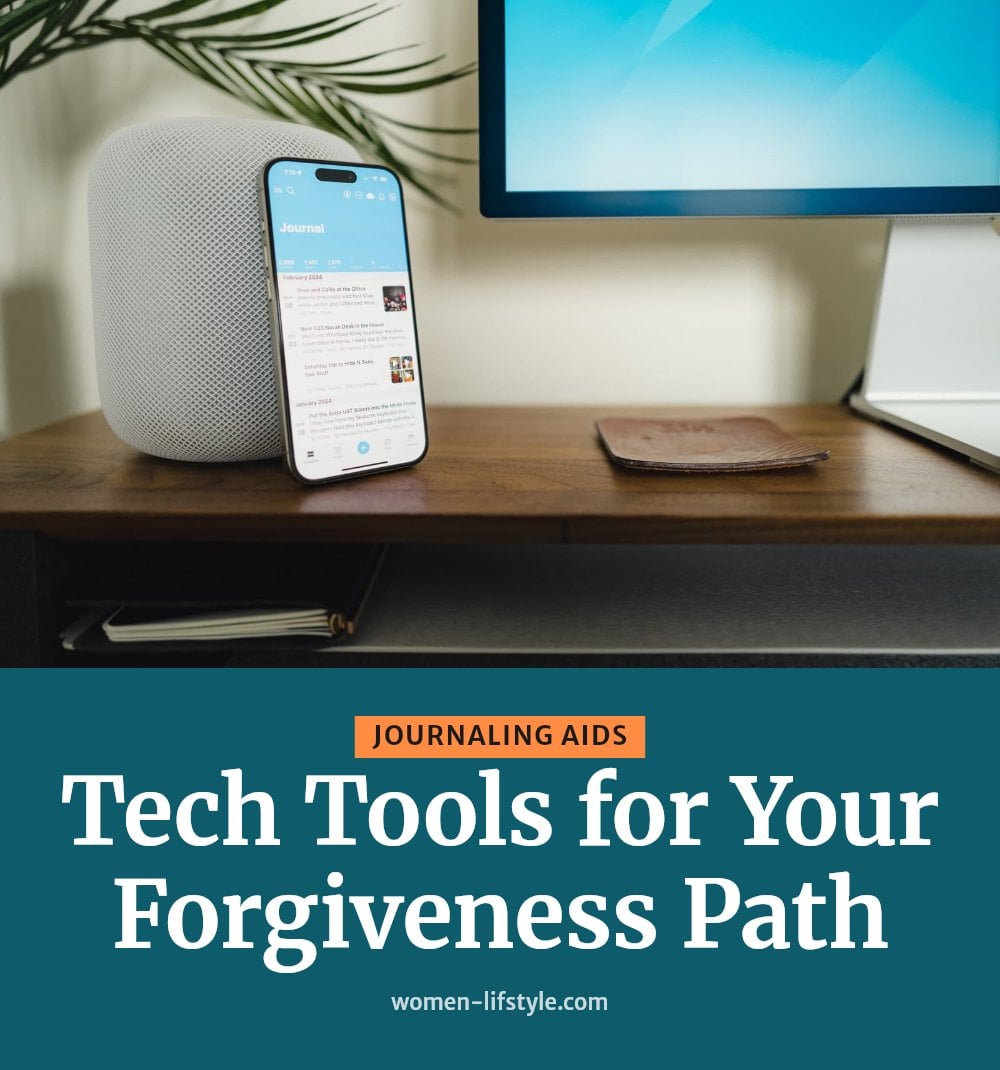
- Journal or notebook: Write down your thoughts and feelings to process guilt without spiraling.
- Pen: Even a simple pen works, just start writing.
- Meditation apps or guides: Use them to practice mindfulness and observe self-critical thoughts without judgment.
- Self-help books on forgiveness: Gain different perspectives and strategies from authors who have explored this path.
- Access to a therapist or counselor: Professional support can guide you through deeper layers of resistance.
Your Step-by-Step Guide to Forgiving Yourself

- Acknowledge your feelings: Let yourself feel guilt and regret without judging yourself for having them. Say, ‘I feel guilty about that action,’ not ‘I am a bad person.’
- Take responsibility: Accept the role you played, but do not spiral into self-blame. Responsibility means owning your part, not punishing yourself.
- Practice self-compassion: Treat yourself with the kindness you would offer a friend in the same situation. A simple phrase like ‘I am human, and humans make mistakes’ can help.
- Learn and commit to change: Identify what you would do differently next time, and make an intentional choice to act on that lesson.
- Make amends when appropriate: Apologize or take action to repair harm, but always respect the other person’s boundaries and readiness. Amends are for your growth, not for forcing a result.
- Engage in self-care: Rest, move your body, eat well, and do things that nourish you. Self-esteem rebuilds fastest when you treat yourself with care.
Common Mistakes When Trying to Forgive Yourself
One of the biggest roadblocks is believing that self-forgiveness means you are condoning bad behavior. It does not. You are releasing the guilt you carry, not excusing what happened. Another common trap: expecting instant relief. Self-forgiveness is a process, not a one-time decision, and it takes time.
Do not confuse self-forgiveness with forgetting. Acknowledge what happened, then choose to move past the guilt. You also need to face the pain or harm caused before you can truly forgive. Waiting for someone else to validate you can stall the whole process. Self-forgiveness is internal and does not require anyone else’s approval. And remember, it is not a sign of weakness. It is a courageous act of self-care and growth.
Best Tips for Cultivating Self-Compassion

Self-compassion is the foundation of self-forgiveness. Here are ways to build it.
Practice mindfulness: observe self-critical thoughts without judgment and let them pass like clouds. Write a self-compassion letter to yourself, addressing you as you would a dear friend. Offer understanding and support on paper.
Use positive affirmations. Repeat phrases such as ‘I am worthy of forgiveness’ or ‘I am doing my best’ out loud or in your journal. Engage in self-care rituals that nourish your mind, body, and soul, whether that is a walk, a bath, or a hobby you love. My tip: connect with supportive people. Sharing your struggles with trusted friends or family reduces the weight you carry alone.
How Long Does Self-Forgiveness Take?
The timeline for self-forgiveness varies greatly from person to person. It is a process, not a single event, and can take weeks, months, or even longer. Progress usually shows gradually, with ups and downs along the way. There is no fixed finish line or cost. Think of it as an ongoing practice of self-care, not a destination you arrive at once.
When to Seek Professional Help for Guilt and Shame
If feelings of guilt or shame become overwhelming, persistent, or start interfering with your daily life, it is time to talk to a mental health professional. The same goes if you find yourself stuck in a cycle of negative self-talk or rumination that you cannot break on your own. If your past actions involved harm to others, a therapist can guide you on how to make amends safely and appropriately. Seek help if you are experiencing symptoms of depression, anxiety, or other mental health concerns. You do not have to navigate this alone.
Frequently Asked Questions
How long does it take to forgive yourself?
There’s no fixed timeline, and it varies greatly from person to person. It can take weeks, months, or even longer, with progress showing gradually. Some days you might feel lighter, and other days the guilt may resurface. That’s part of the process. Be patient with yourself and keep using the tools that help you, like journaling or mindfulness. If you feel stuck after months, a therapist can offer additional support.
Can I forgive myself if I hurt someone else?
Yes, you can forgive yourself even if you’ve hurt someone. Self-forgiveness doesn’t mean excusing your behavior; it means acknowledging the harm, taking responsibility, and making amends where possible. This might include apologizing directly, offering to repair the situation, or simply respecting the other person’s boundaries if they prefer no contact. Remember that self-forgiveness is about releasing your own guilt, not about forcing forgiveness from others.
What if I keep feeling guilty after trying to forgive myself?
It’s common to feel guilt even after you’ve made the decision to forgive yourself. Self-forgiveness is not a switch you flip; it’s a practice you repeat. If guilt keeps coming back, try to observe it without judgment, using mindfulness to let the thought pass. You might also revisit the steps, like writing in a journal or talking to a trusted friend. If the guilt feels overwhelming or won’t ease, a mental health professional can help you work through it.
Is self-forgiveness the same as forgetting?
No, self-forgiveness is not the same as forgetting. It’s about acknowledging what happened, learning from it, and choosing to move forward without the constant weight of guilt. Forgetting would mean ignoring the lesson, which isn’t helpful. Instead, you can remember the experience as a part of your story, but you don’t have to let it define you. Self-forgiveness allows you to keep the lesson while letting go of the self-blame.
How does self-compassion help with self-forgiveness?
Self-compassion is a key ingredient in self-forgiveness because it helps you treat yourself with kindness rather than harsh judgment. When you’re self-compassionate, you’re more likely to acknowledge your feelings without spiraling into shame, which makes it easier to take responsibility without self-punishment. Practicing self-compassion, like writing a letter to yourself as you would a friend, can soften the inner critic and open the door to genuine healing.
Final Thoughts
My tip: start by writing one honest sentence about what you feel guilty about, then add one kind response to yourself, as if you were comforting a friend. Expect the process to take weeks or months, with progress showing gradually, not in a straight line. You may have setbacks, and that’s normal. The goal isn’t to forget what happened but to release the guilt so you can live more freely. If you find yourself stuck in a cycle of self-criticism, consider talking to a therapist who can guide you through it. You deserve that support.
This article is for general informational purposes only and is not a substitute for professional medical or mental health advice. If you are struggling with overwhelming guilt, shame, or thoughts of self-harm, please reach out to a qualified mental health professional or a crisis hotline. Every situation is unique, and a professional can offer personalized guidance and support. Your well-being matters, and seeking help is a sign of strength.
