

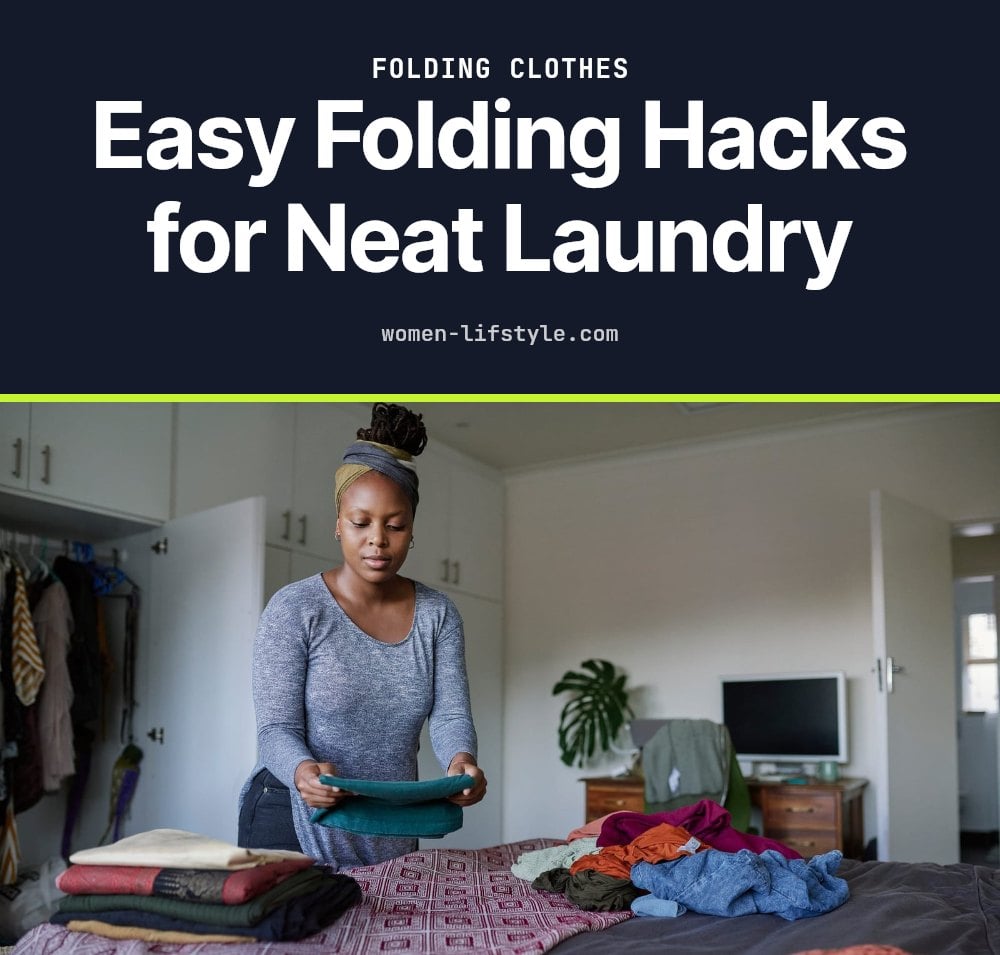
You know that feeling when you open a drawer and everything is a jumbled mess, or you pull out a shirt that looks like it spent the night in a ball? Folding clothes neatly is the simple fix that saves space, cuts down on wrinkles, and makes your whole laundry routine feel less like a chore. In this article, I’ll walk you through the best methods for different garments, common mistakes to skip, and a few pro tips to make it all stick.
Key Takeaways
- Fold clothes immediately after drying to set the fabric and prevent deep wrinkles.
- Use a flat, clean surface and smooth out wrinkles before each fold for best results.
- Try the KonMari method for compact, upright rectangles that maximize drawer space.
- Roll delicate items like silk or lace to avoid sharp creases and damage.
- Fold sweaters instead of hanging them to prevent stretching and shoulder bumps.
Why Folding Your Clothes Neatly Matters
Folding clothes neatly does more than make your dresser look tidy. It saves drawer space and cuts down on wrinkles because less fabric gets compressed into random creases. Consistent folds let you stack items evenly, so you can see everything at a glance without digging through piles. Different garments need different techniques: a sharp fold works for t-shirts, while sweaters need a gentler hand to avoid stretching. Master a few methods and your closet will stay organized longer.
Tools for Perfect Folds
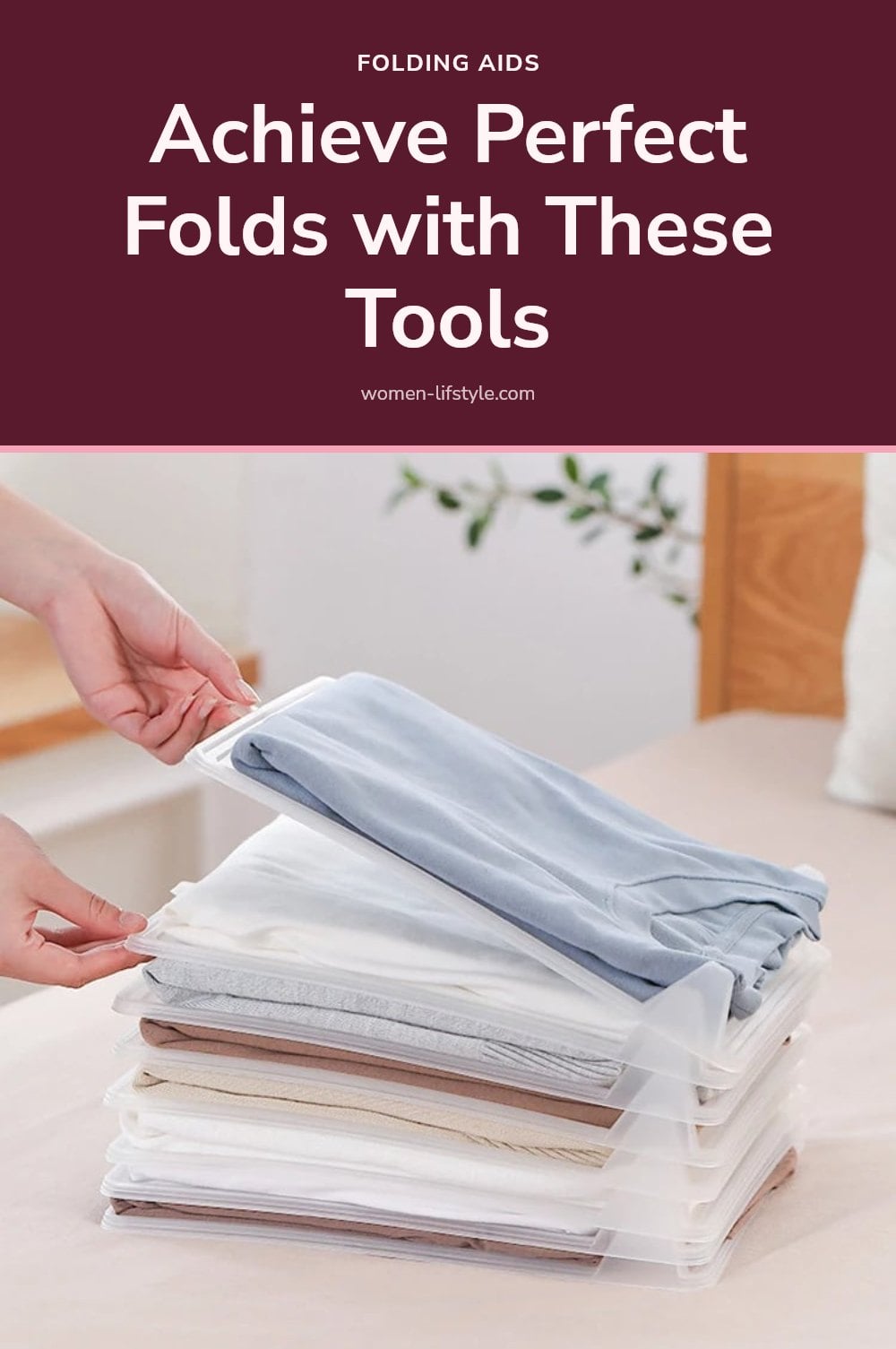
You do not need much to fold well, but the right tools make it easier.
- Flat, clean surface: A table or bed gives you room to smooth fabric before each fold. No crumbs or dirt to transfer onto clean clothes.
- Folding board: This optional tool helps you get the same width every time, especially for t-shirts and button-downs. It speeds up the process once you get the hang of it.
- Tissue paper: Slip a sheet inside dress shirts before folding. It keeps the fabric crisp and prevents sharp creases from setting in.
How to Fold Common Clothing Items
T-shirts
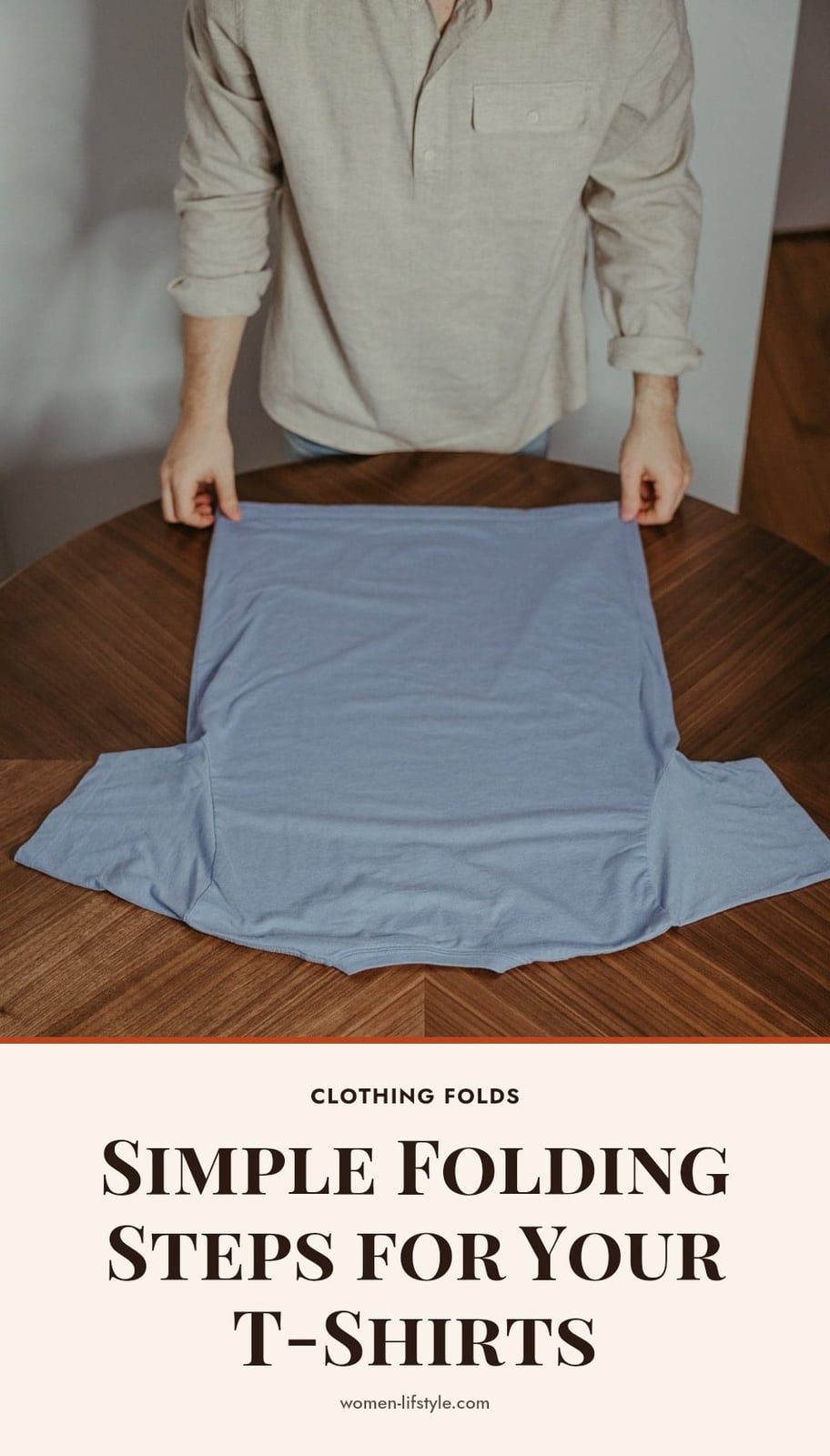
Lay the shirt face down and smooth it flat. Fold one side in toward the center so the sleeve lies along the body. Repeat on the other side. Fold the bottom up to the collar, then fold again to make a rectangle. My tip: Keep the width the same each time so your stack stays even.
Pants and jeans
Fold pants in half lengthwise, matching the legs. Smooth out any wrinkles. For a flat fold, fold the pants into thirds from the hem upward. For packing, roll them tightly starting at the ankle. My tip: Rolling jeans from the ankle up saves space and reduces creases compared to a flat fold.
Sweaters
Sweaters stretch out when hung, so fold them instead. Lay the sweater flat with the front side facing up. Fold each side in toward the center, then fold the bottom up to the shoulders. Avoid sharp creases in the arms. Tip: Keeping the front side up lets you see the neckline and pattern when stored.
Fitted sheets
Turn the sheet inside out and tuck one elastic corner into the opposite corner. Repeat with the remaining two corners. Lay the bundle flat and fold into a rectangle. Good to know: Work on a large surface and pin the corners down with your palm while you fold. It keeps the elastic from snapping back.
Underwear and socks
Fold underwear in half lengthwise, then fold the waistband down to the crotch. Tuck the sides in to make a small rectangle. For socks, place one on top of the other, fold the toe up to the cuff, then tuck the cuff over the bundle. Pro move: Keep all pairs folded the same way so they stack without shifting.
Understanding the KonMari Folding Method
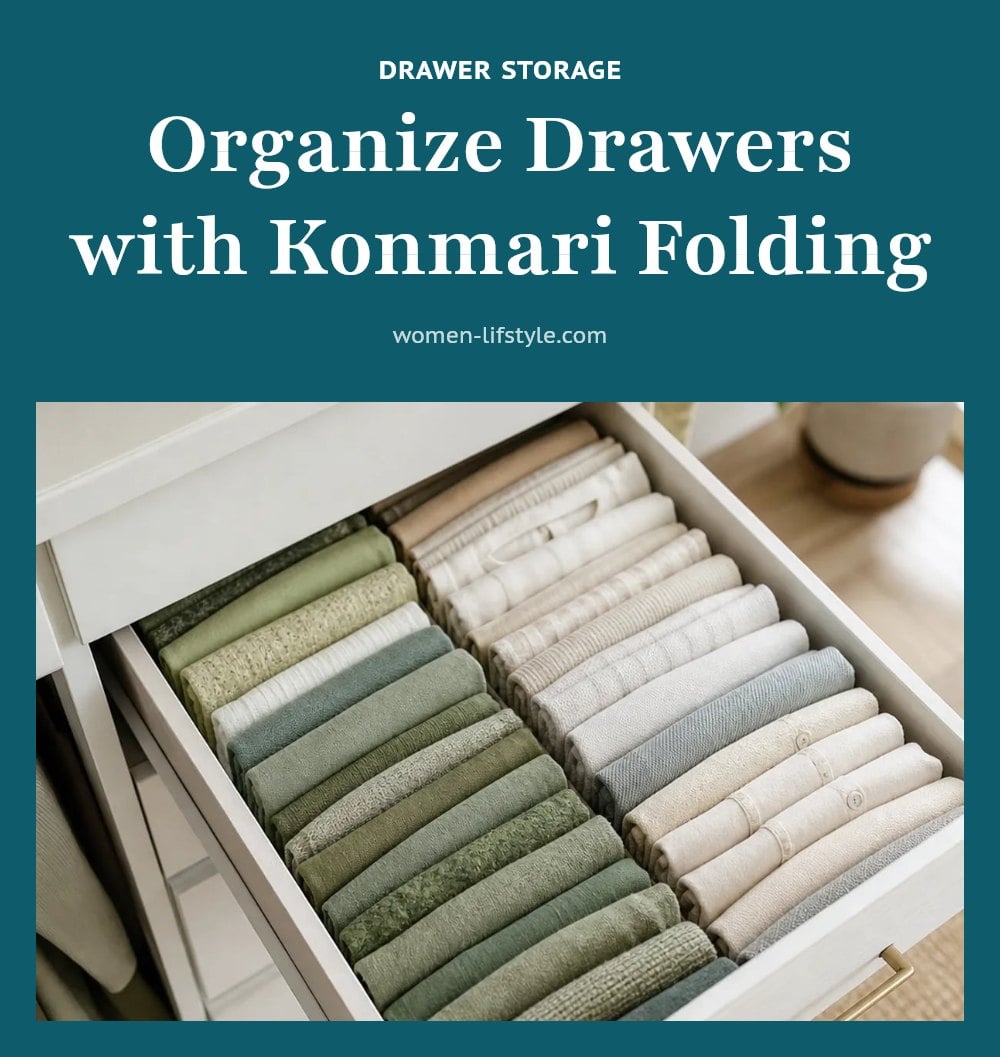
The KonMari method turns each garment into a small, self-supporting rectangle that stands upright. You fold items in a specific sequence: sides in, sleeves tucked, then the body folded into a compact block. The key is vertical storage. Instead of stacking, you place each rectangle on its edge in a drawer, like files in a cabinet. This saves space because you fill every inch of the drawer without gaps. It also makes every piece visible at a glance. No more digging to find the shirt at the bottom. Tip: Start with t-shirts and jeans, which are easiest to fold this way. Once you get the rhythm, apply it to sweaters and even underwear.
Common Folding Mistakes to Avoid
Folding clothes haphazardly is the fastest way to turn a tidy drawer into a chaotic pile. When you skip the structure, items shift and unravel, wasting the space you worked to create. Take the extra 30 seconds per garment to fold consistently, and your drawers will stay organized between laundry days.
Skipping the smoothing step before you fold is another common error. Wrinkles that are already in the fabric get locked in with each crease, making them harder to remove later. Run your hands over the item or give it a quick shake before every fold.
Using one method for all garments isn’t efficient. Sturdy cottons handle sharp folds well, while delicate fabrics like silk or lace respond better to gentle rolling or laying flat. For travel, rolling dress shirts can save space if you do it loosely and with tissue paper to prevent creases. Match the technique to both the material and your storage goal.
Caution: Overstuffing drawers crushes clothes and creates permanent creases. Leave a little breathing room so items stay in their folded shape.
Pro Tips for a Seamless Folding Routine
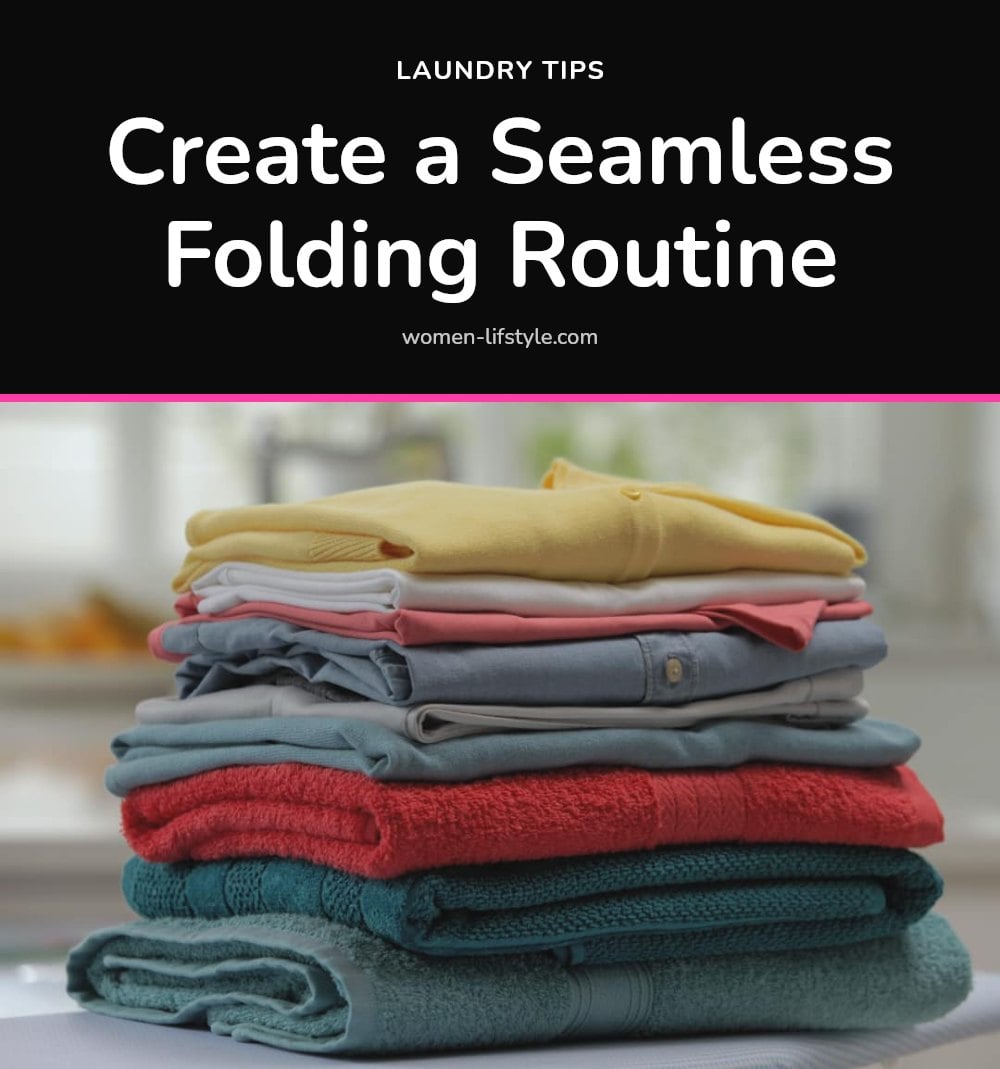
Fold clothes immediately after they come out of the dryer. Warm fabric is more pliable, and setting the folds while the fibers are relaxed helps prevent deep wrinkles from forming. If you wait, you will fight creases that already set in.
Smooth out wrinkles before each fold, not just at the start. A quick pass with your hand before every crease keeps the final result crisp and reduces the need for ironing later.
Experiment with different methods to find what works for each item. A t-shirt might fold best with the KonMari rectangle, while jeans may roll more compactly. Test a few options and keep what feels natural.
Quick tip: Try vertical storage for items folded into self-supporting rectangles. Standing clothes upright lets you see everything at a glance and maximizes drawer space. It takes a bit of practice, but the payoff is worth it.
Frequently Asked Questions
What is the best way to fold clothes for travel?
For travel, rolling is usually the most space-efficient method, especially for luggage. It minimizes wrinkles for most fabrics and lets you pack more into a suitcase. For dress shirts or items that need to stay crisp, try folding with tissue paper to maintain sharpness.
How do I keep my folded clothes from wrinkling?
The key is to fold clothes while they are still warm from the dryer, as warm fabric is more pliable and less likely to hold deep creases. Also, avoid overstuffing drawers or shelves, which crushes clothes and creates wrinkles. Smoothing out each piece before folding helps too.
Can I fold all types of fabric the same way?
Not exactly. Delicate fabrics like silk or lace should be rolled gently or laid flat to avoid sharp creases and damage. Sweaters are best folded to prevent stretching, while sturdy items like jeans and t-shirts can handle standard folds. Adjust your method based on the fabric’s sensitivity.
What is the best way to fold a t-shirt?
Lay the shirt face down and smooth it flat. Fold one side in toward the center so the sleeve lies along the body, then repeat on the other side. Fold the bottom up to the collar, then fold again into a rectangle. This creates a compact, stackable piece that resists wrinkles.
How can I fold fitted sheets easily?
Start by tucking the elasticized corners into each other to form a flat rectangle. Smooth out any bunching, then fold the rectangle into thirds or halves. It takes a few tries to get the hang of it, but once the corners are nested, the sheet behaves like a flat one.
Final Thoughts
My tip: start with one drawer and commit to folding everything the same way for a week. You will see the difference in how much space you gain and how much less you need to iron. Expect the first few tries to take a little longer, but once the routine clicks, you can fold a full load in under 10 minutes. A neat drawer is a small win that makes getting dressed a little easier every single day.
