

If your hair feels straw-like, lacks shine, or breaks easily, you’re likely dealing with dryness. The good news is that with the right routine, you can restore moisture and bring back that healthy glow. This article covers the causes of dry hair, the products and steps that actually help, and the common mistakes to skip so you can get lasting results.

Key Takeaways
- Wash every 2-3 days using a moisturizing shampoo on the scalp only.
- Use a deep conditioning mask 1-2 times per week for intensive hydration.
- Finish with a cool water rinse to seal the cuticle and lock in moisture.
- Always apply a heat protectant spray before using any heat styling tools.
- Trim split ends every 6-8 weeks to prevent damage from traveling up the shaft.
How to Fix Dry Hair
Dry hair can be fixed by consistently using moisturizing products and treatments. Focus on gentle washing, deep conditioning, and protecting hair from heat and environmental damage. With a dedicated routine, you can restore moisture, improve texture, and bring back shine to your locks.
Why Your Hair Gets Dry and Brittle
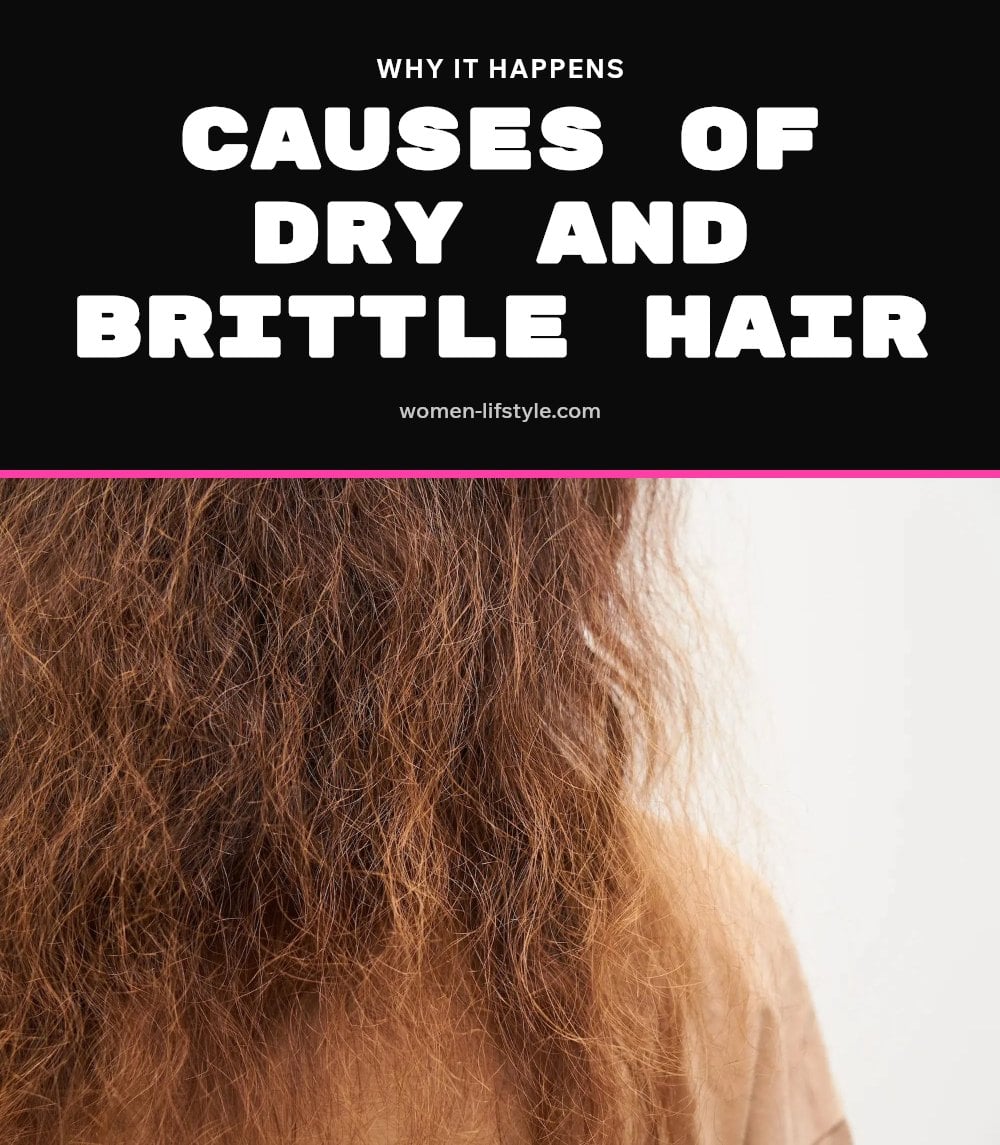
Why Your Hair Gets Dry and Brittle
The hair’s cuticle layer becomes raised, allowing moisture to escape. Insufficient natural oil (sebum) production by the scalp also contributes. Over-washing with harsh shampoos strips natural oils. Heat styling tools damage cuticles and evaporate moisture. Chemical treatments like coloring or perms alter hair structure. Environmental factors such as dry climates, sun, and wind dehydrate hair.
- Cuticle damage: Raised cuticles let moisture out, leaving hair rough.
- Low sebum: Some scalps produce less natural oil, leading to dryness.
- Harsh washing: Frequent shampooing with sulfates strips protective oils.
- Heat styling: Blow dryers and irons evaporate moisture and crack cuticles.
- Chemical treatments: Color, perms, and relaxers alter the hair structure.
- Environment: Dry air, sun, and wind pull moisture from your strands.
Essential Products for Hydrating Dry Hair
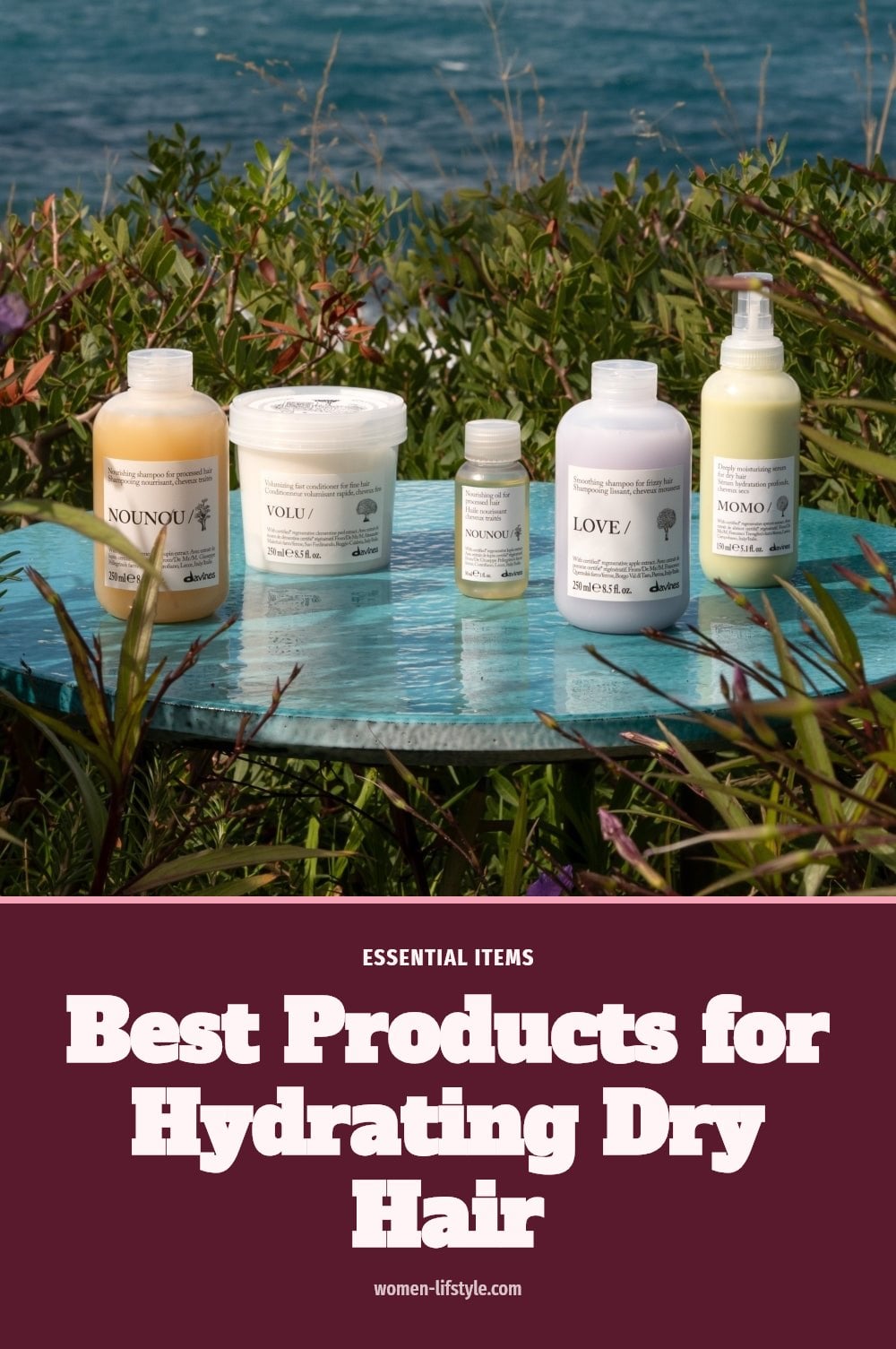
Essential Products for Hydrating Dry Hair
- Moisturizing shampoo and conditioner: Formulated to add and retain moisture.
- Deep conditioning mask: Provides intensive hydration; use 1-2 times per week.
- Leave-in conditioner: Offers continuous moisture and protection throughout the day.
- Hair oil: Argan, jojoba, or coconut oil seals in moisture and adds shine.
- Heat protectant spray: Creates a barrier against heat damage from styling tools.
- Wide-tooth comb: Gently detangles wet hair without causing breakage.
- Microfiber towel: Reduces friction and prevents frizz compared to regular towels.
- Silk or satin pillowcase: Minimizes friction and moisture loss during sleep.
Your Step-by-Step Routine to Restore Moisture
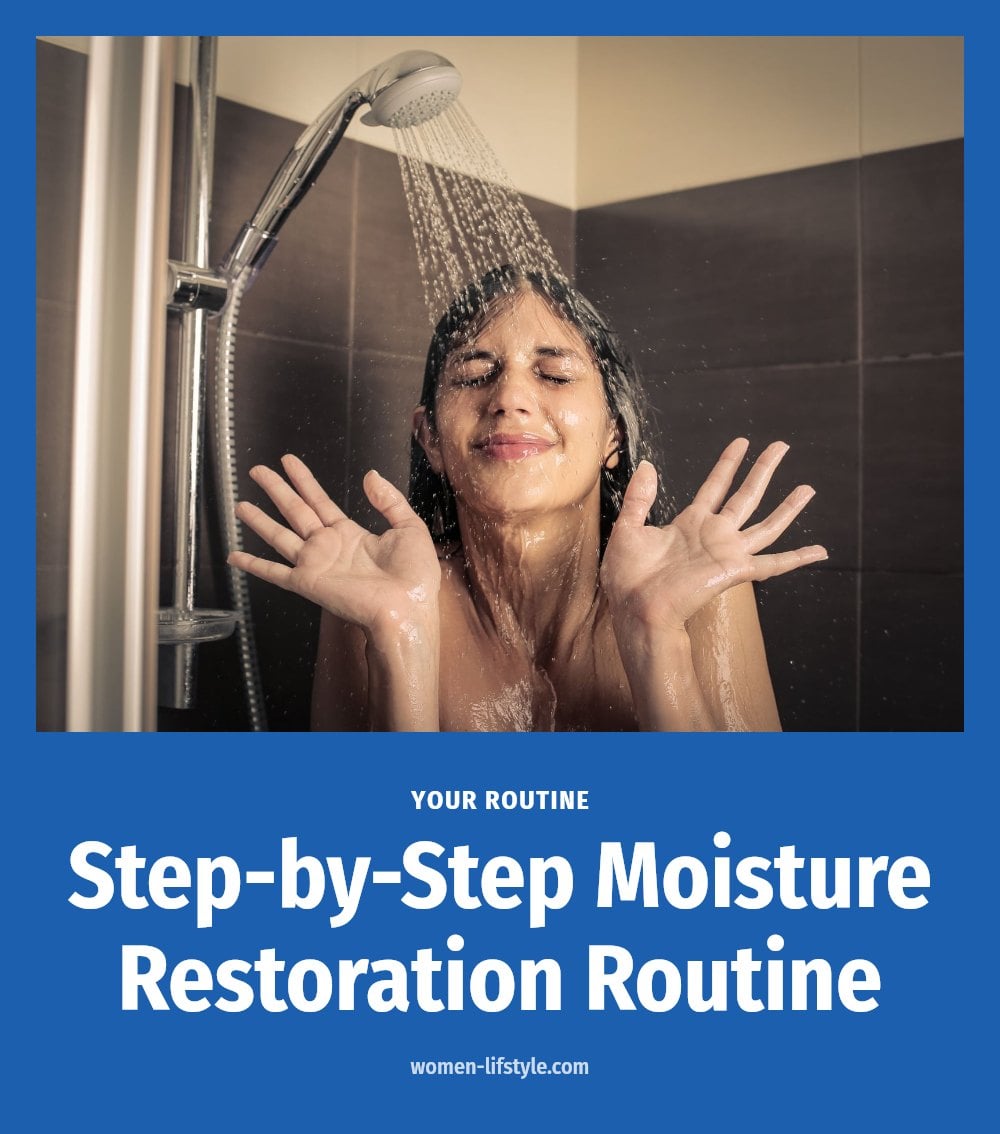
Your Step-by-Step Routine to Restore Moisture
- Cleanse gently: Use a moisturizing shampoo on your scalp only. Massage lightly, then rinse with lukewarm water.
- Condition thoroughly: Apply a hydrating conditioner from mid-length to ends. Leave it on for 2-3 minutes before rinsing with cool water to seal the cuticle.
- Apply a deep conditioning mask weekly: Once or twice a week, replace your conditioner with a deep mask. Leave it on for 5-10 minutes, then rinse with cool water.
- Use a leave-in conditioner: On damp hair, spray or smooth a leave-in conditioner to lock in moisture and protect throughout the day.
- Air-dry or use low heat with protection: Let your hair air-dry when possible. If you use a blow dryer, keep it on low heat and always apply a heat protectant spray first.
- Seal moisture with a hair oil: After drying, rub a few drops of argan or jojoba oil between your palms and smooth over the ends to seal in moisture and add shine.
Common Mistakes That Worsen Dry Hair (And How to Avoid Them)
Over-shampooing: Washing daily strips natural oils. Stick to every 2-3 days, and only shampoo your scalp. The suds will clean the lengths as you rinse.
Skipping conditioning: Always follow shampoo with a hydrating conditioner. A deep conditioning mask once a week is non-negotiable for restoring moisture.
Ignoring heat protection: Heat tools damage cuticles and evaporate moisture. Apply a heat protectant spray every single time before styling.
Aggressive brushing: Wet hair is fragile. Use a wide-tooth comb, starting at the ends and working upward to avoid breakage.
Neglecting split ends: Untrimmed splits travel up the shaft, causing more damage. Trim every 6-8 weeks to keep ends healthy.
Using wrong oils: Not all oils work the same. Coconut or olive oil penetrate the shaft for deep conditioning; argan or jojoba seal the cuticle and add shine.
Best Tips for Keeping Your Hair Hydrated
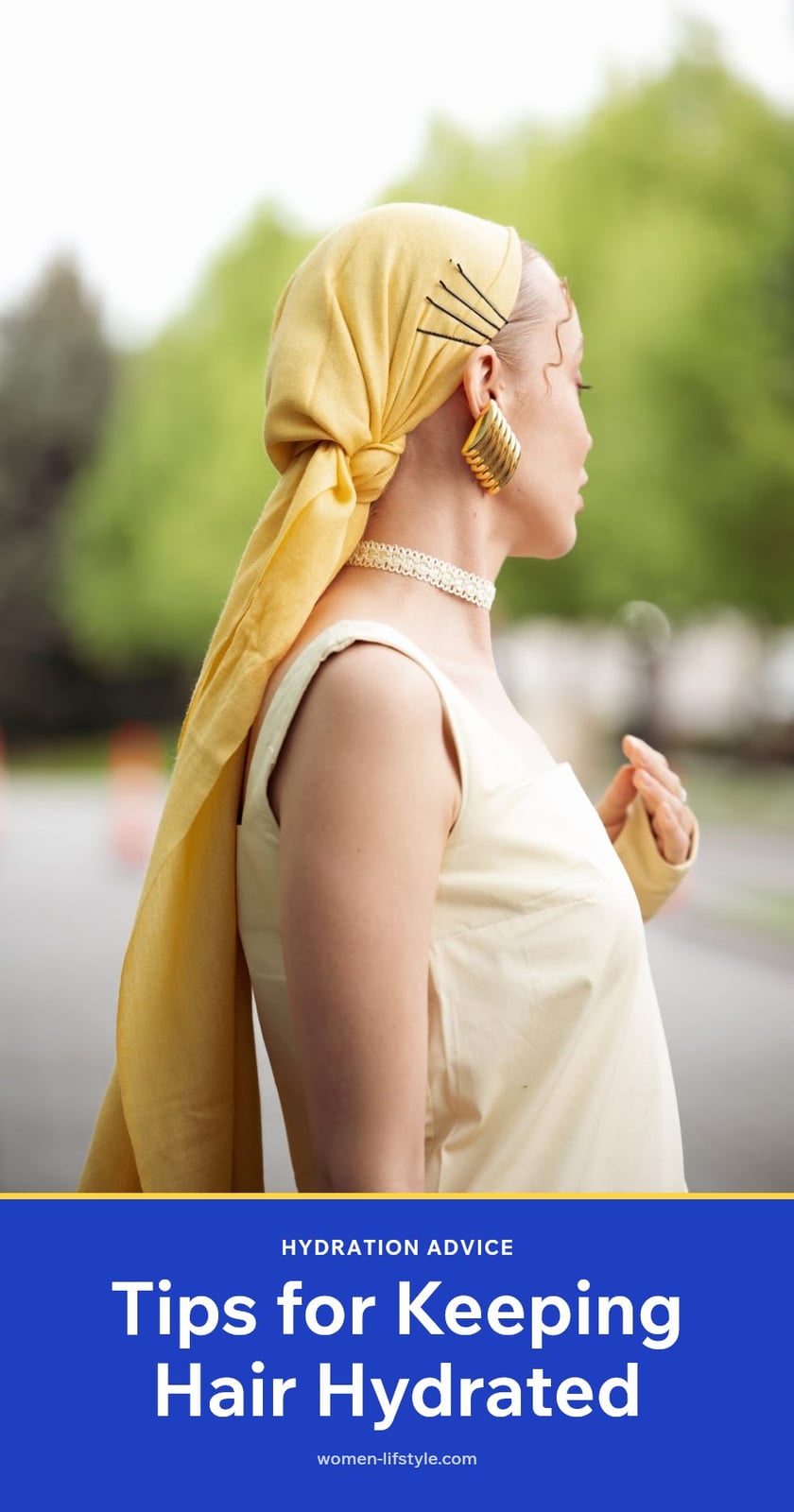
Protect hair from sun and wind: UV rays and wind dehydrate strands. Wear a hat or scarf when you’re outdoors for extended periods.
Stay hydrated: Drinking enough water supports overall hair health from the inside out.
Eat a hair-healthy diet: Include omega-3s (salmon, walnuts) and vitamins A, C, and E (leafy greens, citrus, almonds) to nourish your hair.
Sleep on a silk pillowcase: Cotton absorbs moisture and creates friction. Silk or satin reduces both, keeping your hair hydrated overnight.
Rinse with cool water: After conditioning, a cool rinse helps seal the cuticle, locking in moisture and boosting shine.
Preventing Future Dryness and Maintaining Hair Health
Avoid harsh chemical treatments: Coloring, perms, and relaxers alter hair structure and increase dryness. Limit them as much as possible.
Use cool water for washing: Hot water strips natural oils. Stick to cool water, and finish with a cool rinse to seal the cuticle.
Limit heat styling: Air-dry whenever you can. When you must use heat, choose the lowest effective setting and always apply a protectant first.
Choose sulfate-free products: Sulfates, parabens, and harsh alcohols strip moisture. Look for gentle, moisturizing formulas.
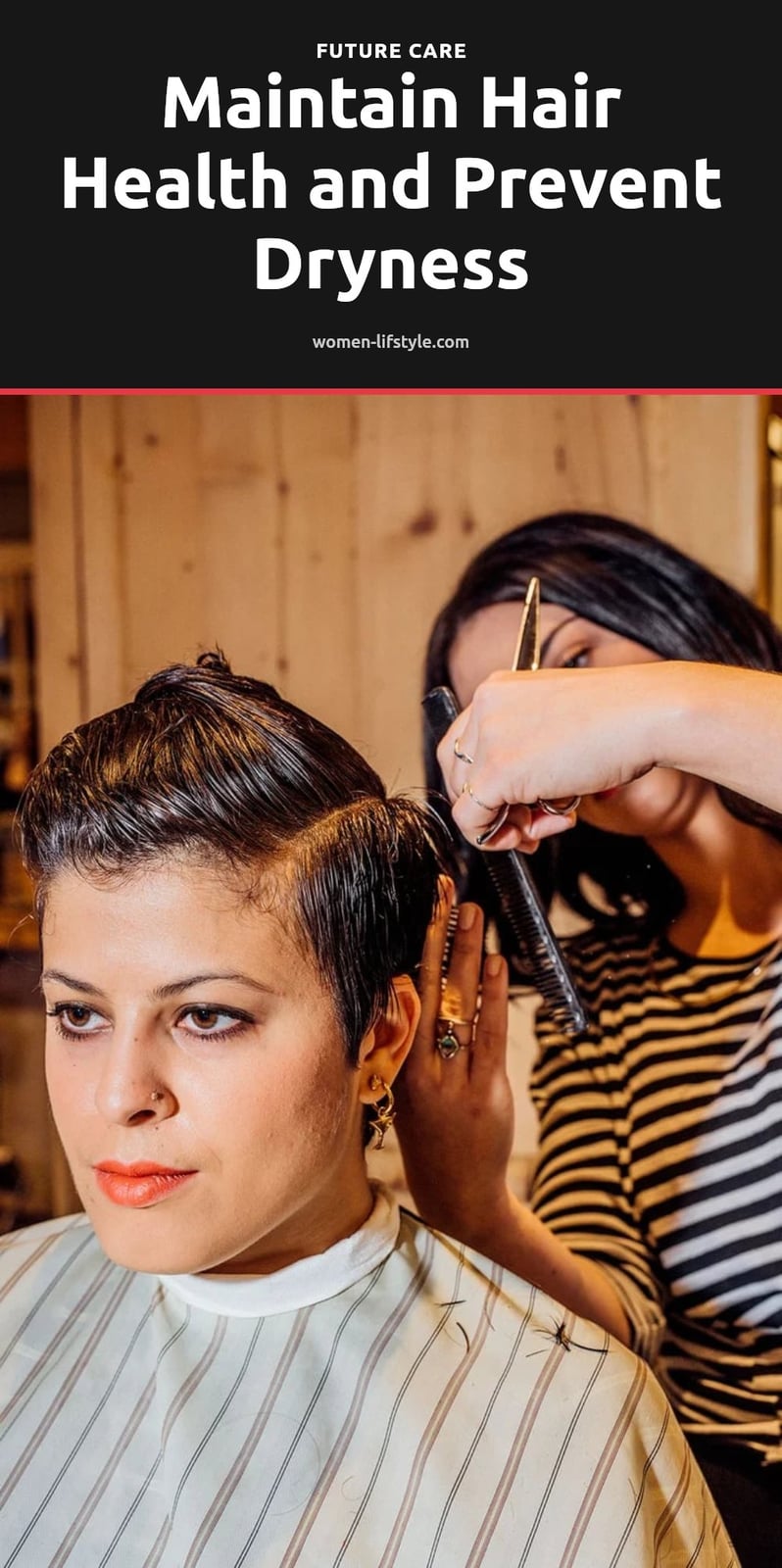
Regular trims: Trim every 6-8 weeks to prevent split ends from traveling up and causing more breakage.
Consistent deep conditioning: Make a weekly deep conditioning mask a non-negotiable part of your routine for lasting hydration.
How Long Until You See Results and What to Expect
You’ll notice initial improvements in texture and moisture within a few weeks of consistent care. Significant results, like restored shine and less breakage, typically appear over 1-3 months. Dry hair care is an ongoing commitment, not a one-time fix. Costs vary widely depending on product choices, from affordable drugstore options to high-end salon brands.
When to Consult a Professional for Dry Hair
If your dry hair comes with noticeable hair loss, scalp irritation, or patches of thinning, see a doctor. These signs could point to an underlying condition like hypothyroidism, anemia, or a nutritional deficiency that needs medical treatment.
When at-home routines haven’t improved your hair’s texture after several months, it is time for a professional opinion. A stylist can assess severe damage, recommend targeted treatments, and address specific hair type needs that off-the-shelf products may not solve.
Caution: Persistent dry hair without improvement, especially with other symptoms, warrants a medical check before you invest in more products.
Frequently Asked Questions
How often should I deep condition dry hair?
For dry hair, deep condition once or twice a week. This provides a concentrated dose of moisture that regular conditioner alone can’t match. If your hair feels extra brittle, you can temporarily increase to three times a week, but watch for any product buildup.
Can diet truly affect my hair’s moisture levels?
Yes, what you eat can support hair health from the inside. Omega-3 fatty acids and vitamins A, C, and E help nourish the scalp and hair. While diet alone won’t fix severe dryness, it’s a helpful piece of the puzzle alongside a good topical routine.
Is it bad to wash dry hair every day?
Yes, daily washing can strip your hair of natural oils and worsen dryness. Stick to washing every 2-3 days, and only shampoo your scalp. If your hair feels greasy in between, a dry shampoo can help without over‑cleansing.
What ingredients should I avoid in hair products for dry hair?
Avoid sulfates, parabens, and harsh alcohols like denatured alcohol or isopropyl alcohol. These can strip moisture and further dry out your hair. Look for labels that say “sulfate‑free” and “alcohol‑free” to be safe.
How long does it take to see results when treating dry hair?
You can expect initial improvements in texture and moisture within a few weeks of consistent care. More significant results, such as restored shine and less breakage, typically appear over 1-3 months. Patience and sticking to your routine are key.
Final Thoughts
My tip: Stick to a gentle, moisturizing routine and be patient. You’ll likely see initial improvements in texture within a few weeks, with more significant shine and less breakage over 1-3 months. Dry hair care is an ongoing commitment, but consistent habits really do pay off.
This article provides general information for educational purposes and is not a substitute for professional medical or hair care advice. If you experience persistent dryness, hair loss, or scalp irritation, consult a dermatologist or healthcare provider for a proper diagnosis and treatment plan.
