

You probably already know that fiber is important, but figuring out which foods pack the most punch can feel overwhelming. The truth is, getting enough fiber doesn’t require a complicated diet. It’s about choosing the right whole foods and knowing how to work them into your day. This article breaks down the best fiber-rich foods to eat every day, covering everything from oats and berries to nuts and seeds, so you can support your digestion, balance your blood sugar, and feel fuller longer without overthinking it.

Key Takeaways
- Aim for 25 grams of fiber daily for women and 38 grams for men.
- Eat the skin of apples and pears to get the most insoluble fiber.
- Grind flax seeds before eating so your body can absorb their soluble fiber.
- Increase fiber gradually over a few weeks to avoid gas and bloating.
- Drink plenty of water when you up your fiber intake to help it move through your system.
What Are Fiber Foods and Why Do They Matter?
Fiber foods are plant-based sources of indigestible carbohydrates that your body needs for digestive health, blood sugar regulation, and cholesterol management. They come in two main types: soluble fiber, which dissolves in water and forms a gel, and insoluble fiber, which adds bulk to stool. Most fiber-rich foods contain both types, so eating a variety of fruits, vegetables, whole grains, and legumes daily helps you hit the recommended 25 grams for women and 38 grams for men. While some foods are particularly known for one type, like oats for soluble fiber or wheat bran for insoluble fiber, almost all plant choices contribute a mix of both.
1. Oats and Barley

Oats and barley are whole grains packed with soluble fiber, specifically beta-glucan, which can help lower LDL cholesterol and stabilize blood sugar levels. This type of fiber forms a gel in your digestive tract that traps cholesterol and slows glucose absorption.
- My tip: Start your day with a bowl of oatmeal or add barley to soups and stews for an easy fiber boost.
- Both grains are versatile and cook quickly, making them simple additions to your routine.
2. Lentils and Beans

Legumes like lentils, black beans, chickpeas, and kidney beans deliver both soluble and insoluble fiber in every serving. They keep you full longer, support regular bowel movements, and can help manage blood sugar levels because their fiber slows digestion.
- Toss them into salads, soups, curries, or veggie burgers for an easy fiber and protein boost.
- Tip: Rinse canned beans to reduce sodium, then add them to any dish for an instant fiber and protein boost.
3. Berries

Raspberries, blackberries, and blueberries are fiber-packed fruits that also deliver antioxidants for overall health. A single cup of raspberries provides about 8 grams of fiber, making them one of the highest-fiber fruits you can eat.
- My tip: Add a handful to your yogurt, oatmeal, or enjoy them as a refreshing snack straight from the fridge.
- Frozen berries work just as well and are often more affordable year-round.
4. Apples and Pears

Apples and pears are fiber-rich fruits, especially if you eat the skin. The skin contains most of the insoluble fiber, while the flesh provides pectin, a soluble fiber that helps lower blood glucose and cholesterol. Eating them whole supports digestion and keeps you feeling full between meals.
5. Broccoli and Brussels Sprouts

Broccoli and Brussels sprouts are cruciferous vegetables packed with both soluble and insoluble fiber, plus vitamins C and K. They support gut health by feeding beneficial bacteria and adding bulk to stool. I love them roasted with a little olive oil, but they also work steamed or stir-fried.
6. Avocado
Avocado stands out among fruits for its combination of fiber and healthy monounsaturated fats. It contains both soluble and insoluble fiber, which promote digestive regularity and lasting fullness. Tip: Add slices to toast or salads, or mash into guacamole for a quick snack.
7. Nuts and Seeds
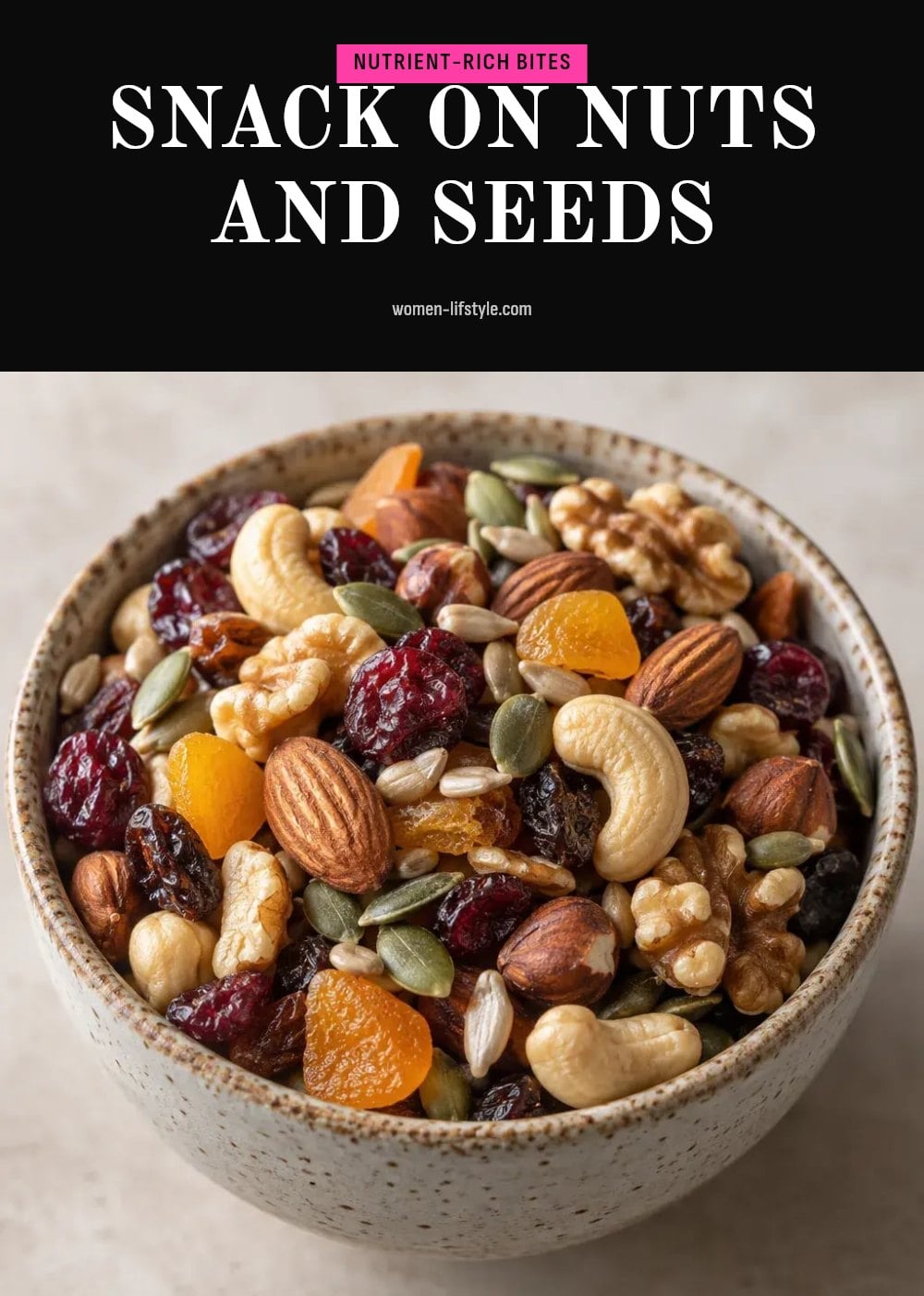
Almonds, walnuts, chia seeds, and flax seeds deliver a surprising amount of fiber in a small package. A quarter-cup of almonds gives you about 4 grams, and they also bring healthy fats and protein that keep you satisfied.
Sprinkle them on yogurt, salads, or blend into smoothies for an easy fiber boost. Just remember to start with small amounts, as nuts and seeds are calorie-dense. A handful goes a long way.
8. Whole Wheat Bread and Pasta
Switching to whole wheat bread and pasta is one of the simplest ways to increase your fiber intake. Refined white flour has most of the fiber removed during processing, while whole wheat retains the entire grain kernel.
Look for ‘100% whole wheat’ on the label. Products labeled ‘wheat flour’ or ‘multigrain’ may still be mostly refined. Whole wheat versions also provide more B vitamins and minerals.
9. Sweet Potatoes
Sweet potatoes, especially with their skins on, deliver a solid dose of fiber plus beta-carotene, which your body converts to vitamin A. The skin holds much of the insoluble fiber, while the flesh contains soluble fiber that helps stabilize blood sugar.
Bake them whole or roast wedges with the skin on for maximum benefit. Their natural sweetness and creamy texture make them a satisfying alternative to white potatoes, and the fiber helps sustain your energy after meals.
10. Quinoa
Quinoa is a complete protein and a top source of fiber, making it a smart choice for any meal. It is naturally gluten-free, so it works for those avoiding gluten.
Use it as a base for grain bowls, a side dish instead of rice, or even a warm breakfast porridge. The fiber and protein together keep you satisfied for hours, and its mild flavor pairs with almost any vegetable or protein.
11. Flax Seeds
Flax seeds are tiny but packed with soluble fiber and omega-3 fatty acids. Unlike the skin of apples or pears, which you eat whole for its insoluble fiber, whole flax seeds may pass through your digestive system without breaking down.
Good to know: Grind flax seeds before adding them to smoothies, oatmeal, or yogurt. Grinding breaks the tough outer shell, so your body can absorb the fiber and nutrients. Store ground flax in the fridge to keep it fresh.
Common Fiber Mistakes to Avoid
Increasing Fiber Too Quickly: Gradually introduce more fiber over several weeks to allow your digestive system to adjust, preventing gas, bloating, and discomfort. Your body needs time to adapt to the extra bulk and fermentation.
Not Drinking Enough Water: Fiber needs water to work effectively. When increasing fiber, significantly increase your fluid intake to prevent constipation. Aim for at least 8 glasses of water daily.
Relying Only on Supplements: While supplements can help, whole foods offer a broader spectrum of nutrients beyond just fiber. Aim for food-first sources to get vitamins, minerals, and antioxidants along with the fiber.
Ignoring Variety: Different fiber sources offer different benefits. Focus on consuming a wide range of fruits, vegetables, whole grains, and legumes to receive both soluble and insoluble fiber for optimal digestive health.
Frequently Asked Questions
What is the difference between soluble and insoluble fiber?
Soluble fiber dissolves in water and forms a gel that can help lower blood glucose and cholesterol levels. Insoluble fiber does not dissolve in water and adds bulk to stool, which promotes regular bowel movements. Most plant foods contain a mix of both types.
How much fiber should I eat daily?
The recommended daily intake is about 25 grams for adult women and 38 grams for adult men. Most people fall short of these numbers, so it helps to track your intake for a few days to see where you stand and then add high-fiber foods gradually.
Can I get enough fiber from supplements?
Supplements can help in a pinch, but they should not replace whole food sources. Whole fruits, vegetables, grains, and legumes provide a mix of fiber types along with vitamins, minerals, and antioxidants that supplements lack. Rely on food first and use supplements only as a backup.
What are the signs of not getting enough fiber?
Common signs include constipation, irregular bowel movements, feeling hungry soon after meals, and sluggish digestion. Over time, a low-fiber diet may also contribute to higher cholesterol levels and less stable blood sugar. If you notice these issues, try adding more whole plant foods.
Does cooking reduce fiber content in foods?
Cooking does not destroy fiber, so you still get the full amount whether you eat foods raw or cooked. However, processing like juicing or refining grains can remove or reduce fiber content. For the most fiber, choose whole fruits and vegetables over juices and whole grains over refined ones.
Final Thoughts
My biggest tip is to start with one swap, like switching to whole wheat bread or adding a handful of berries to your morning oatmeal. You don’t have to overhaul everything at once. Expect your digestive system to need a week or two to adjust if you make a change, so give it time. Sticking with a variety of whole plant foods is the simplest, most effective way to get all the fiber your body needs every day.
This information is for general wellness and educational purposes only. It is not a substitute for professional medical advice, diagnosis, or treatment. If you have a digestive condition such as irritable bowel syndrome, Crohn’s disease, or diverticulitis, or if you experience persistent discomfort, consult a doctor or registered dietitian before making significant dietary changes.
