

Figuring out the right exfoliation routine for your face can feel like a guessing game. You want that smooth, glowing complexion, but it’s easy to overdo it and end up with irritation instead. This article breaks down exactly how often you should exfoliate based on your skin type and the method you choose, so you can get the benefits without the damage.

Key Takeaways
- Exfoliation frequency ranges from once a week for sensitive skin to 2-3 times a week for oily or acne-prone skin.
- Choose chemical exfoliants like AHAs for dry skin and BHAs for oily or acne-prone skin.
- Always start with a lower frequency and gradually increase if your skin tolerates it.
- Apply a broad-spectrum sunscreen with SPF 30+ every morning after exfoliating.
- Stop exfoliating immediately if you notice persistent redness, burning, or stinging.
The Right Exfoliation Frequency for Your Face
For most people, exfoliating your face once a week to a few times a week keeps skin smooth without irritation. The right frequency depends on your skin type, the type of exfoliant you use, and the product’s strength. Exfoliating too often can damage your skin barrier, leading to redness, dryness, and sensitivity.
Why Exfoliation is Key for Healthy, Glowing Skin
Exfoliation removes dead skin cells from the stratum corneum, the outermost layer of your skin. When those cells build up, your complexion can look dull and feel rough. By sloughing them off, you reveal brighter, smoother skin underneath.
There is another benefit that makes a real difference in your routine. Proper exfoliation clears away the layer of dead cells that can block serums and moisturizers from penetrating. After exfoliating, your products absorb more effectively, so you get more out of every drop you apply.
Choosing Your Exfoliant: Physical vs. Chemical
| Type | How It Works | Best For |
|---|---|---|
| Physical | Manual scrubbing with granules, brushes, or tools | Immediate smoothness; use with care to avoid micro-tears |
| Chemical (AHAs) | Water-soluble acids dissolve dead skin on the surface | Dry or sun-damaged skin; glycolic and lactic acid are common |
| Chemical (BHAs) | Oil-soluble acids penetrate pores to clear blockages | Oily or acne-prone skin; salicylic acid is the main example |
Tailoring Exfoliation Frequency to Your Skin Type
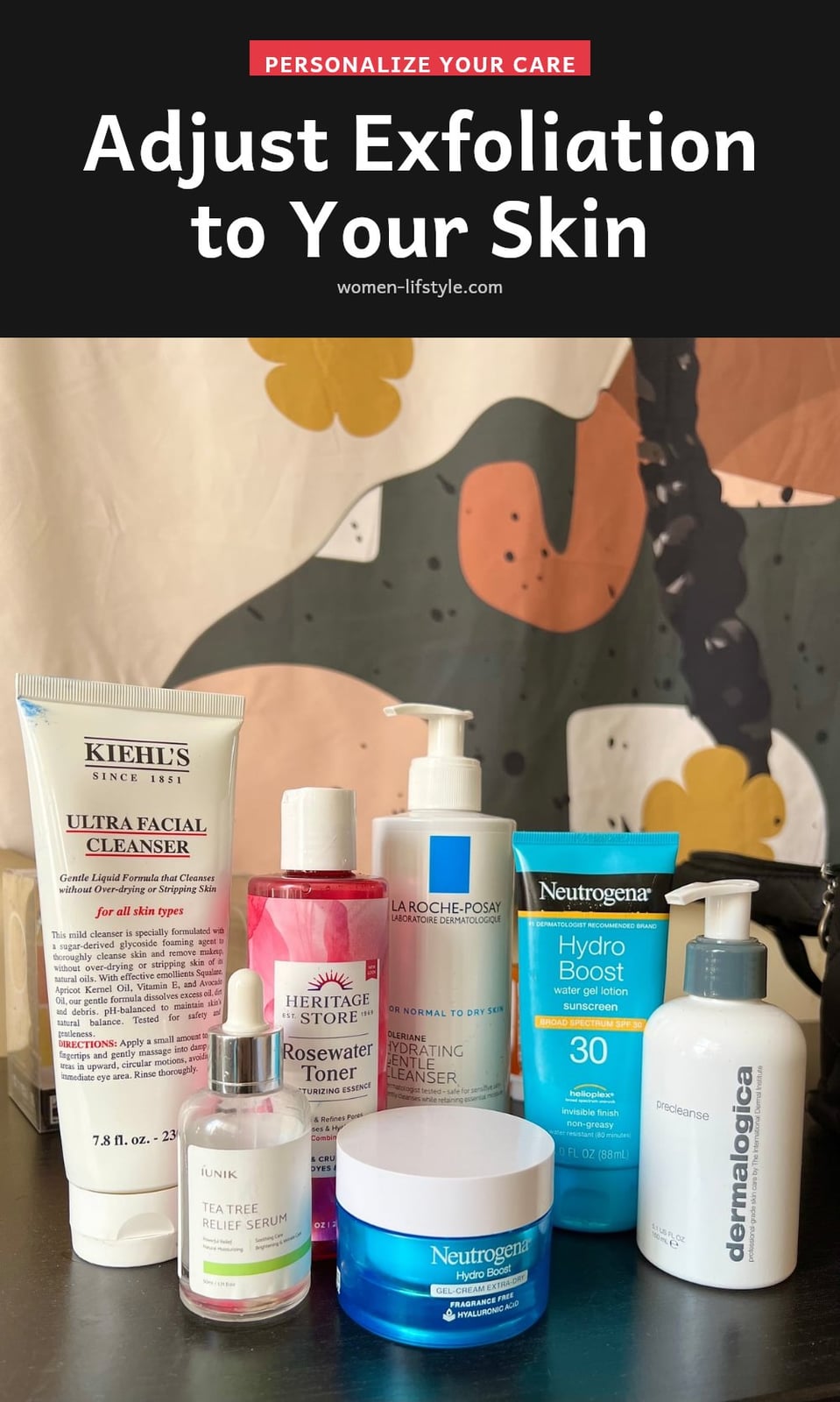
Your skin type determines how often you can exfoliate and which products work best. Start low and increase only if your skin responds well.
For sensitive skin: Exfoliate once a week with a mild product. Stick to gentle chemical exfoliants like lactic acid or a very fine scrub. Watch for any stinging or redness and cut back if you see it.
For oily or acne-prone skin: You may tolerate exfoliation 2-3 times a week. BHAs like salicylic acid are a strong choice because they get inside pores. If you use a stronger product, keep the frequency on the lower end.
For normal to combination skin: Exfoliating 1-2 times a week works well for most people. You can alternate between a physical scrub and a chemical exfoliant, but don’t use both on the same day.
For dry skin: Exfoliate once a week with a gentle chemical exfoliant. AHAs such as lactic acid add a little hydration while they work. Avoid harsh physical scrubs that can strip your skin further.
How to Properly Exfoliate Your Face

Start with a clean canvas. Wash your face with a gentle cleanser to remove makeup, oil, and surface dirt before you exfoliate. Applying an exfoliant to dirty skin can push debris deeper into your pores.
- Apply your exfoliant: For a physical scrub, use a pea-sized amount and press it onto damp skin. Use your fingertips to massage it in with small, circular motions for about 30 seconds. For a chemical exfoliant like an AHA or BHA toner, apply it with a cotton pad or your hands and leave it on for the time directed on the product label.
- Rinse thoroughly: Remove physical scrubs with lukewarm water, patting your face dry with a clean towel. Chemical exfoliants that are leave-on treatments do not need rinsing unless the instructions say otherwise.
- Moisturize immediately: While your skin is still slightly damp, apply a hydrating moisturizer. This replenishes the moisture barrier that exfoliation can temporarily loosen.
- Apply sunscreen: Finish your morning routine with a broad-spectrum SPF 30+ sunscreen. Exfoliated skin is more vulnerable to UV damage, so never skip this step.
Common Exfoliation Mistakes to Avoid
Even with the best intentions, a few common missteps can undo your progress. Here is what to watch for.
- Exfoliating too often: Doing it more than a few times a week strips the skin barrier, causing redness, dryness, and sensitivity. Stick to your skin type’s recommended frequency.
- Using harsh physical scrubs: Scrubs with large, jagged particles like crushed walnut shells can create micro-tears in the skin. Choose scrubs with smooth, round beads or stick to gentle chemical exfoliants.
- Skipping sunscreen afterward: Freshly exfoliated skin lacks its protective layer of dead cells and burns faster. Always apply SPF 30+ daily.
- Ignoring your skin’s signals: Stinging, burning, or persistent redness means you need to stop. Your skin is telling you the product or frequency is too strong.
Post-Exfoliation Care and Protection
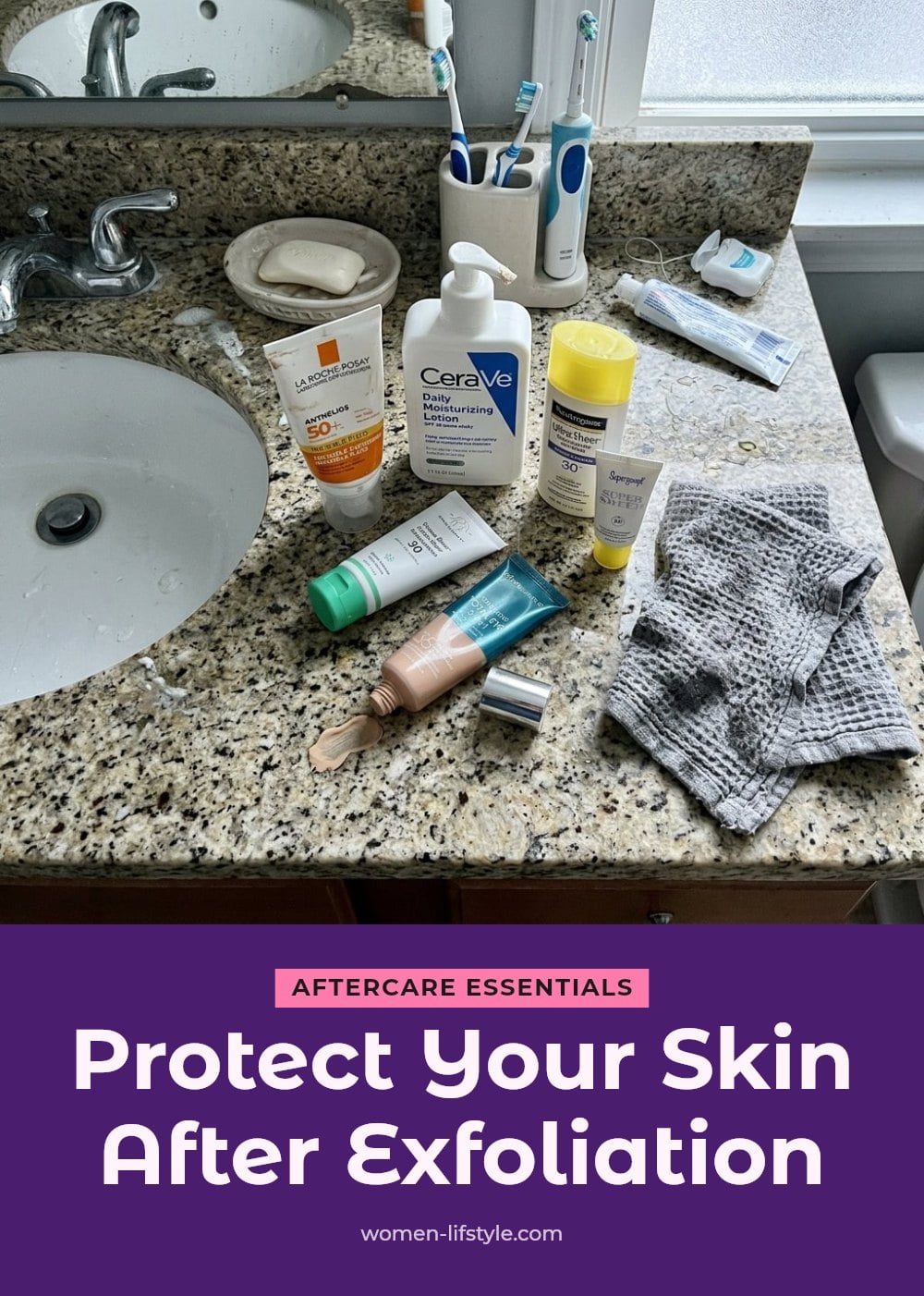
What you do after exfoliating matters as much as the exfoliation itself. Your skin barrier is temporarily vulnerable, so treat it with extra care.
- Replenish moisture: Apply a rich, fragrance-free moisturizer within a few minutes of exfoliating. Look for ingredients like ceramides, hyaluronic acid, or shea butter to rebuild the barrier.
- Protect with SPF 30+: Use a broad-spectrum sunscreen every morning for at least a week after exfoliating. Chemical exfoliants increase sun sensitivity for several days.
- Avoid mixing strong actives: Do not layer retinol, vitamin C, or other exfoliating acids on the same night you exfoliate. Give your skin at least 24 hours to recover before using those products.
When to Consult a Dermatologist
Sometimes your skin needs a professional’s opinion. Stop exfoliating immediately if you notice persistent redness, burning, stinging, or peeling that lasts more than a day or two. These are signs of a damaged skin barrier.
- Existing skin conditions: If you have rosacea, eczema, or active acne, talk to a dermatologist before starting any exfoliation routine. These conditions require a tailored approach.
- Active breakouts or wounds: Never exfoliate over open acne lesions, cuts, or sunburned skin. A dermatologist can advise on safe treatments for those areas.
Frequently Asked Questions
Can I exfoliate every day?
For most people, exfoliating every day is too much and can damage your skin barrier, leading to redness and sensitivity. Unless you are using a very mild enzyme product specifically designed for daily use, stick to 1-3 times per week depending on your skin type.
What happens if I don’t exfoliate?
If you never exfoliate, dead skin cells can build up on the surface, making your complexion look dull and feel rough. This buildup can also clog pores, potentially leading to breakouts, and may reduce how well your other skincare products absorb.
Should I exfoliate before or after cleansing?
Always exfoliate after cleansing. Start with a gentle cleanser to remove makeup, oil, and dirt, then apply your exfoliant to a clean face. Applying an exfoliant to dirty skin can push debris deeper into your pores and reduce its effectiveness.
Is dermaplaning a form of exfoliation?
Yes, dermaplaning is a physical exfoliation method. It uses a small, sterile blade to gently scrape off dead skin cells and fine vellus hair (peach fuzz) from the skin’s surface. It can provide immediate smoothness, but should be done with care to avoid irritation.
Final Thoughts
My tip is to start with once a week using the gentlest product for your skin type, then slowly add sessions if your skin stays calm. With consistent, appropriate exfoliation, you can expect to see smoother, brighter skin within a few weeks. Just remember that protecting your skin after exfoliation is just as important as the exfoliation itself.
This article provides general information about exfoliation for educational purposes. It is not a substitute for professional medical or dermatological advice. If you have a persistent skin concern, a condition like rosacea or eczema, or experience severe irritation, please consult a dermatologist or healthcare professional.
