

Sweating is a natural and essential bodily function, but when it becomes excessive, it can feel like a constant battle. Whether it’s a stressful meeting, a spicy meal, or just a hot day, understanding why it happens is the first step to finding relief. This article breaks down the science behind excessive sweating and explores natural, lifestyle-based fixes you can try at home.
Key Takeaways
- Excessive sweating, or hyperhidrosis, can be triggered by stress, diet, heat, or underlying medical conditions.
- Apply antiperspirant at night on clean, dry skin for the best wetness protection, not deodorant.
- Wear breathable fabrics like cotton, linen, or bamboo to help reduce sweat accumulation.
- Keep a sweat diary to identify patterns and triggers like spicy foods, caffeine, or alcohol.
- Consult a doctor if sweating is new, severe, or comes with fever, weight loss, or chest pain.
What Causes Excessive Sweating?
Sweating is a natural process that helps your body regulate its temperature, but when it becomes excessive, it is known as hyperhidrosis and can be genuinely bothersome. The causes range from environmental heat and exercise to stress, diet, and underlying medical conditions. Understanding the type and triggers of your sweating is key to finding effective solutions that work for you.
The Science Behind Why We Sweat
How Your Body Turns on the Sweat
Sweating is primarily regulated by your sympathetic nervous system, which activates your 2 to 4 million sweat glands when your body needs to cool down. There are two main types of sweat glands. Eccrine glands are the most numerous type, found over most of your body, and they produce a watery, odorless sweat that evaporates to cool you. Apocrine glands are found mainly in the armpits and groin and produce a thicker sweat that can lead to body odor when bacteria on your skin break it down.
Two Types of Hyperhidrosis
Excessive sweating, or hyperhidrosis, falls into two categories. Primary focal hyperhidrosis typically affects specific areas like the palms, soles, armpits, or face, and it often has no identifiable cause. Secondary generalized hyperhidrosis is caused by an underlying medical condition or medication and usually affects the entire body.
Common Triggers
Beyond heat and exercise, several things can trigger or worsen sweating. Common culprits include:
- Stress and anxiety: Emotional states can activate the sympathetic nervous system.
- Spicy foods: Capsaicin in peppers can raise body temperature.
- Caffeine and alcohol: Both can stimulate sweat production.
Effective Natural and Lifestyle Fixes for Sweating
Antiperspirant: Your First Line of Defense
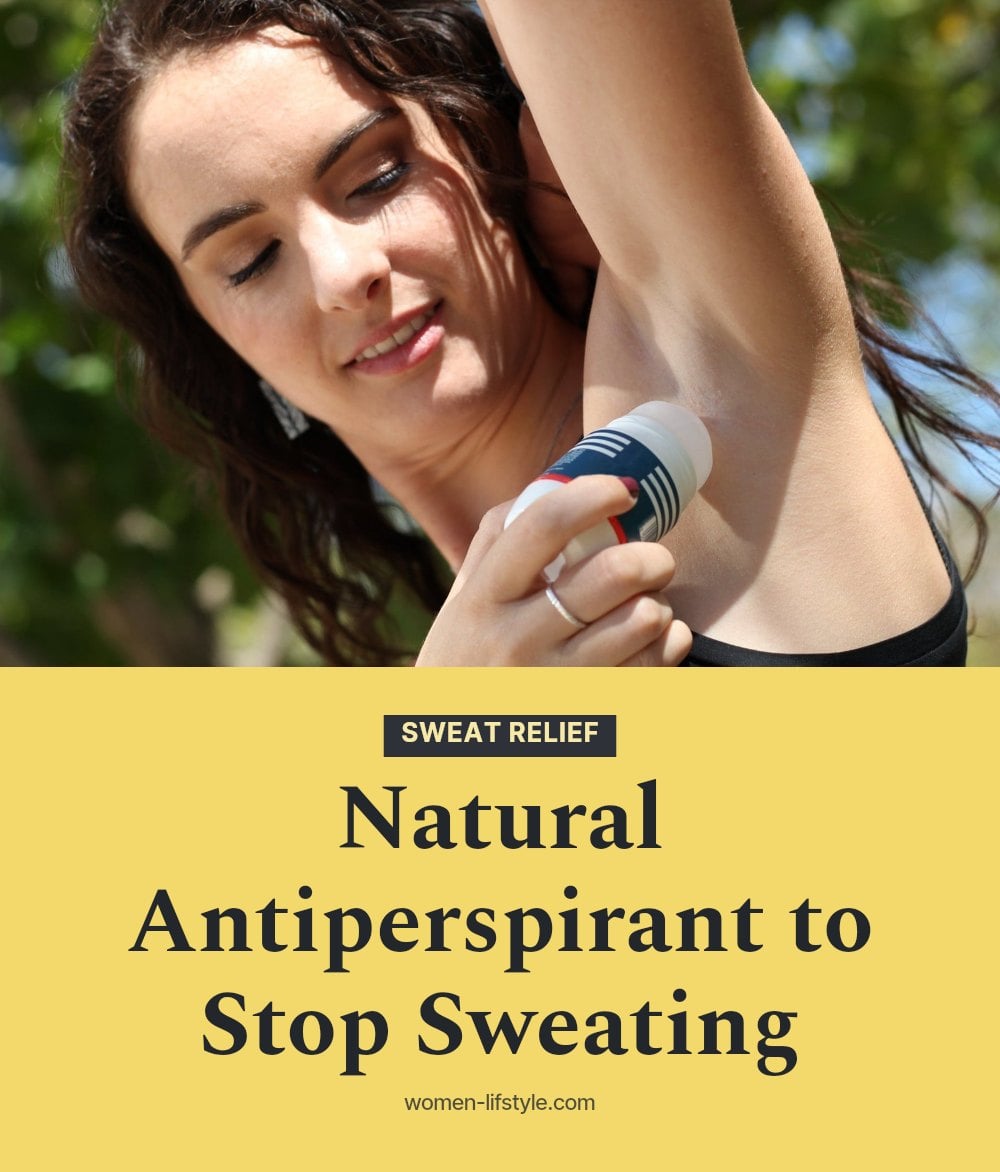
Antiperspirants work by temporarily blocking your sweat ducts, reducing the amount of sweat that reaches your skin’s surface. Deodorants only mask odor. Tip: For maximum effectiveness, apply antiperspirant at night on clean, dry skin. This gives the active ingredients time to form a plug in the ducts before you start moving in the morning.
Choose Breathable Fabrics
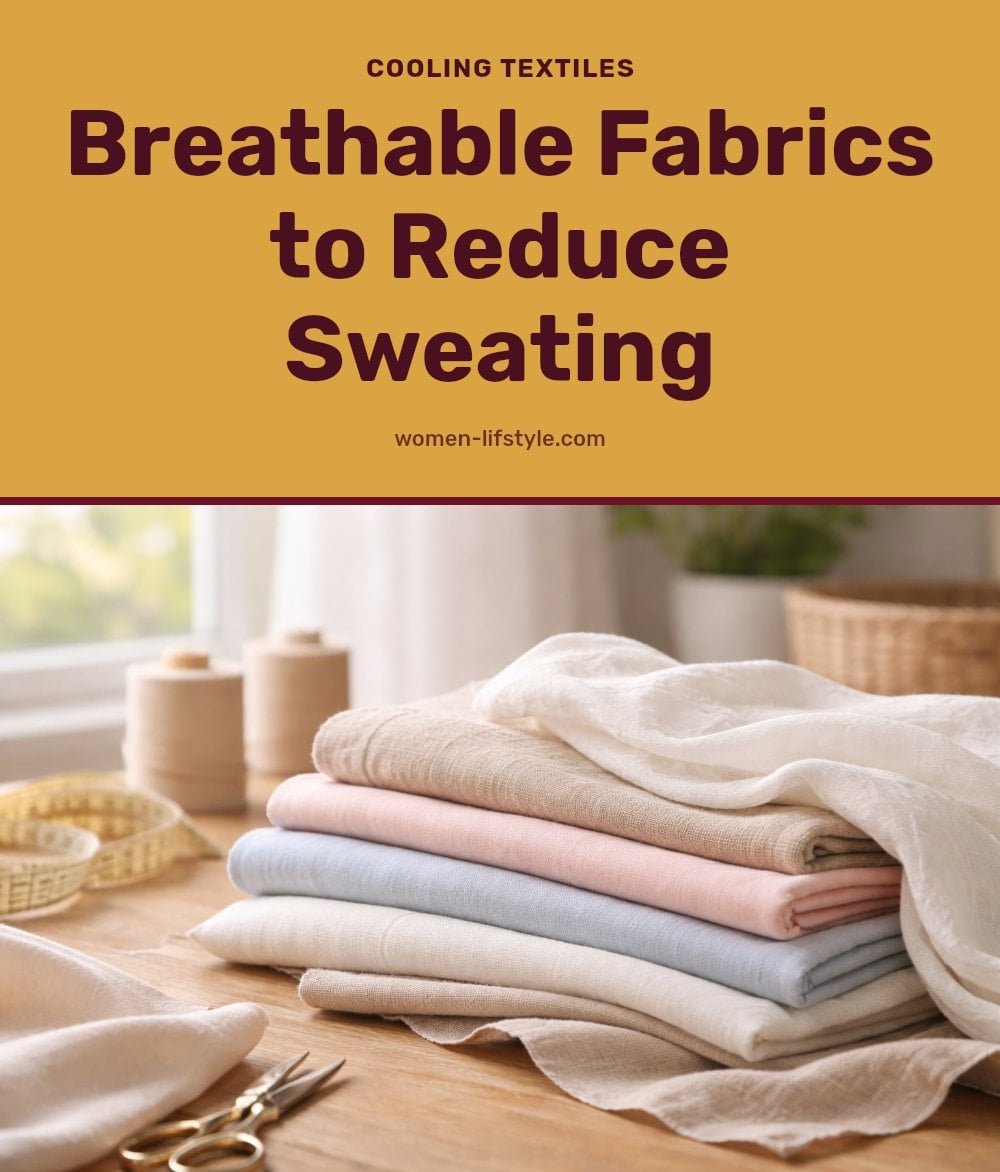
What you wear makes a real difference. Loose-fitting clothing made from natural, breathable fibers like cotton, linen, and bamboo allows air to circulate and helps sweat evaporate. Moisture-wicking athletic wear is also a good option for workouts or hot days. Avoid tight clothing and synthetic fabrics like polyester that trap heat and moisture against your skin.
Natural Remedies to Try
Some natural options may help, though scientific evidence is limited. Witch hazel: Apply it to a cotton ball and dab it on your underarms or other sweaty areas as a natural astringent. Sage tea: Drinking a cup of sage tea daily is anecdotally said to reduce sweat production. Apple cider vinegar: Dilute it with water (one part vinegar to two parts water) and apply it to your skin with a cotton ball, leaving it on for a few minutes. Caution: Always patch test any natural remedy on a small area of skin first to check for irritation.
Hydration and Diet Adjustments
Staying well-hydrated is crucial, especially when you sweat a lot, to replace lost fluids. You may also find that reducing spicy foods, caffeine, and alcohol helps minimize sweating episodes. Good to know: A sweat diary can help you identify patterns and specific triggers, making it easier to adjust your habits.
Common Sweating Mistakes to Avoid
Many people make a few common mistakes when trying to manage sweat. The biggest one is confusing deodorant with antiperspirant. Deodorant only masks odor and does nothing to stop wetness. If sweat is your main concern, you need an antiperspirant. Another frequent error is applying antiperspirant only in the morning. For it to work best, apply it at night so the active ingredients can block sweat ducts effectively.
It is also a myth that sweating more means you are burning more fat or detoxing more effectively. Sweat is mostly water and electrolytes, and sweating heavily does not equate to fat loss. Finally, do not ignore persistent or sudden excessive sweating. It may be a sign of a treatable condition or an underlying issue, so it is worth discussing with a doctor instead of dismissing it as just how you are.
Daily Habits for Managing Sweat
Choose breathable clothing: Fabrics like cotton, linen, and bamboo allow air to circulate and moisture to evaporate, keeping you cooler. Avoid tight synthetic blends that trap heat against your skin. For footwear, opt for leather or canvas shoes and use absorbent inserts to manage foot sweat.
Shower strategically: Bathe daily, especially after any activity that makes you sweat. Use a mild soap to clean without stripping your skin’s natural barrier, which can actually worsen odor by encouraging bacteria growth. Dry off completely before dressing.
Manage stress triggers: Anxiety and stress activate your sympathetic nervous system and can trigger sweating. Try deep breathing, short walks, or a few minutes of quiet reflection when you feel tension rising.
Keep a sweat diary: For one week, jot down when you notice sweating and what you were doing, eating, or feeling. Patterns often emerge that point to specific triggers you can then address directly.
Preventing Future Sweat Issues
Use antiperspirant consistently: Apply it nightly on clean, dry skin to keep sweat ducts blocked around the clock. Pair this with good daily hygiene, including regular showering and changing into fresh clothes after workouts.
Adopt a sweat-friendly diet: Reduce spicy foods, caffeine, and alcohol, which can stimulate sweat production. Increase your water intake to stay hydrated and help your body regulate temperature more effectively.
Address underlying stress: Chronic anxiety can keep your sweat glands active. Incorporate regular stress-reduction practices, such as yoga, meditation, or simply scheduling downtime each day.
Review medications with your doctor: If you notice increased sweating after starting a new prescription, ask your doctor if it is a known side effect. They may be able to adjust your dose or suggest an alternative.
When to Consult a Doctor About Sweating
See a doctor if your sweating is new, severe, or affects your daily life. Seek medical attention especially if it comes with fever, weight loss, chest pain, or a rapid heartbeat. These symptoms may point to an underlying condition that requires treatment.
Watch for skin irritation: If a strong antiperspirant causes a rash or persistent itching, stop using it and let your skin heal. Switch to a gentler formula or a natural alternative.
Prevent dehydration: Excessive sweating can deplete fluids and electrolytes. Drink plenty of water throughout the day, and consider an electrolyte drink if you are sweating heavily for long periods.
Frequently Asked Questions
Why do I sweat so much at night?
Nighttime sweating can be caused by several things, including a warm bedroom, heavy bedding, or hormonal changes. It may also be a side effect of certain medications or an underlying condition like hyperhidrosis. If it’s frequent or severe, mention it to your doctor.
Is it bad to stop sweating?
Stopping sweating completely is not possible or healthy, since it’s your body’s main way to cool down. However, reducing excessive sweating in specific areas with antiperspirants or medical treatments is generally safe. If you ever notice you’re not sweating at all even when hot, that could be a sign to see a professional.
How long does it take for antiperspirant to work?
Antiperspirant needs time to block sweat ducts effectively. For best results, apply it at night on clean, dry skin so the active ingredients can work while you sleep. You may notice a difference within a few days, but consistent nightly use is key for full effect.
Is sweating a sign of good health?
Sweating is a sign that your body’s temperature regulation system is working normally. However, the amount varies from person to person. Occasional heavy sweating after exercise or in heat is fine, but excessive sweating that interferes with daily life may be a condition worth discussing with a doctor.
Final Thoughts
Managing excessive sweating often starts with small daily shifts, like switching to breathable clothing and using antiperspirant the right way. Give a new routine at least a few weeks to see if it helps, and keep a simple sweat diary to track what works. If symptoms persist or worry you, a doctor can help rule out underlying causes and offer stronger options.
This article is for informational purposes only and does not constitute medical or professional advice. If you have persistent or severe sweating, or if it’s accompanied by other symptoms, please consult a doctor or dermatologist for a proper evaluation.
