

You already know vitamins are important, but figuring out which ones you really need and where to get them can feel overwhelming. The good news is that a balanced diet usually covers your bases, and understanding the basics makes it much easier to make smart choices every day.
This article breaks down the essential vitamins for women, explains the difference between fat-soluble and water-soluble types, and gives you practical food sources and tips to help you feel your best.
Key Takeaways
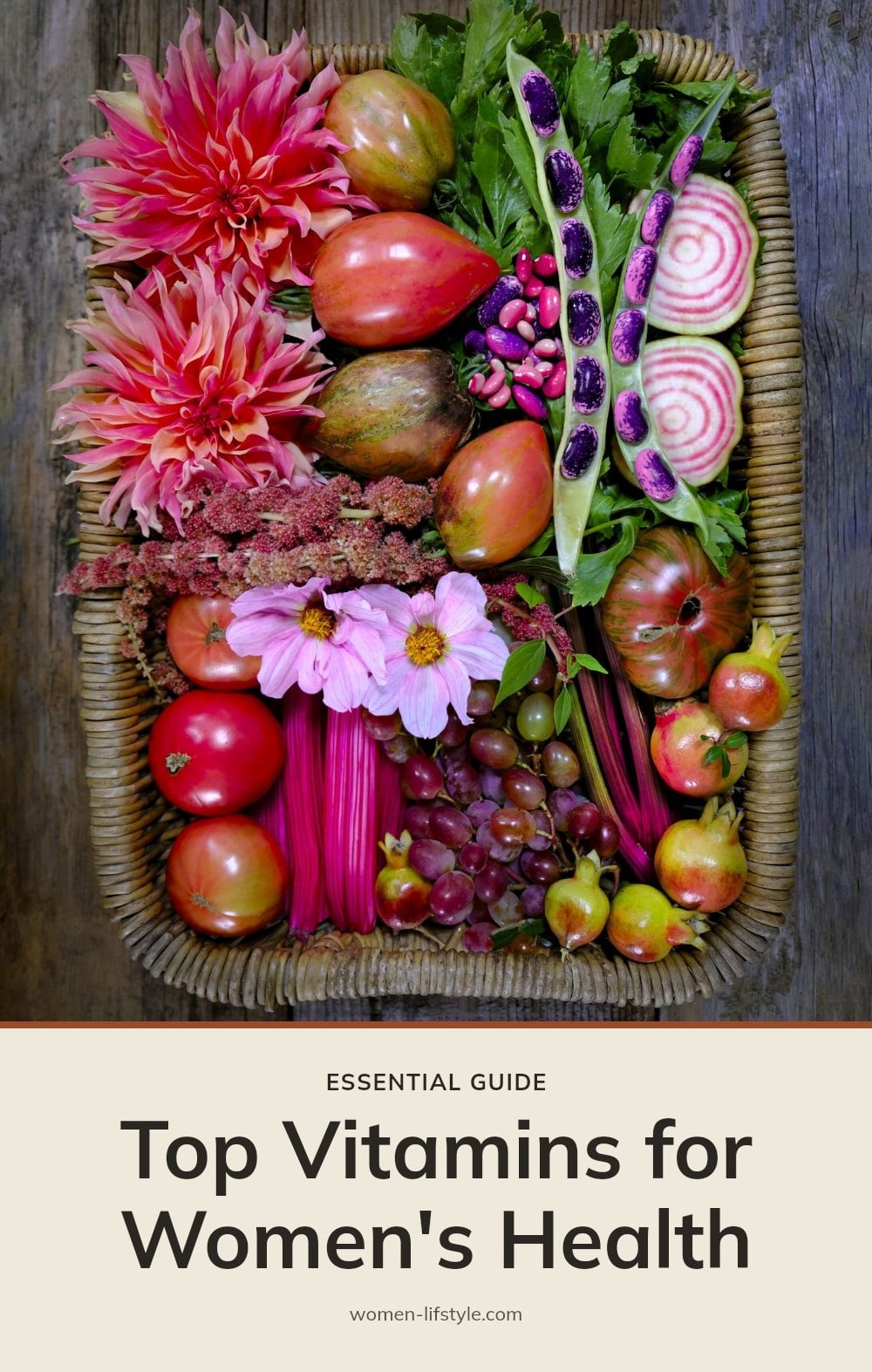
- Eat a variety of colorful fruits and vegetables daily to get a broad range of vitamins and antioxidants.
- Fat-soluble vitamins (A, D, E, K) can build up in your body, so avoid excessive supplement doses.
- Vitamin D helps your body absorb calcium, which is key for strong bones.
- Vitamin C boosts iron absorption from plant foods, especially helpful for women with low iron.
- Consult a healthcare professional before starting any new supplement, especially if pregnant or on medication.
What Are Vitamins and Why Do We Need Them?
Vitamins are organic compounds your body needs in small amounts to run properly. Your body can’t make most of them, so you have to get them from food or supplements. They keep your energy up, support your immune system, maintain bone strength, and protect your vision. Without enough vitamins, these basic processes can start to slip.
The Two Main Types of Vitamins: Fat-Soluble vs. Water-Soluble
Fat-Soluble vs. Water-Soluble
Vitamins split into two groups based on how your body handles them. Fat-soluble vitamins (A, D, E, K) dissolve in fat and get stored in your liver and fatty tissues. They can build up over time, so taking too much is risky. Water-soluble vitamins (C and the B-complex) dissolve in water and aren’t stored. Your body flushes out what it doesn’t use through urine, which means you need a steady supply from food. Knowing the difference helps you choose how to get them safely and effectively.
1. Vitamin A: For Vision and Immunity
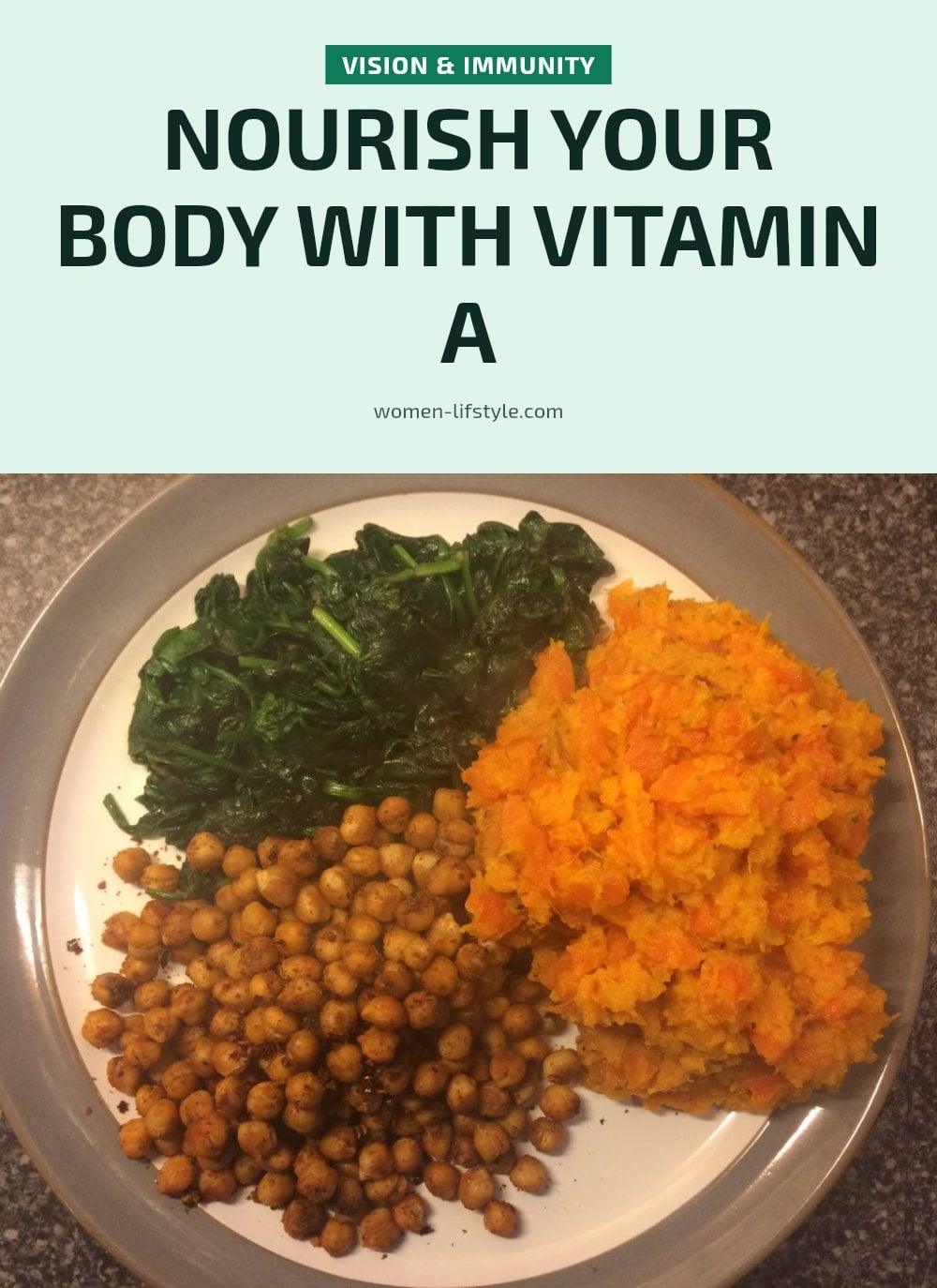
Vitamin A keeps your vision sharp, your immune system strong, and your skin healthy. You’ll find it in carrots, sweet potatoes, spinach, and liver. Because it’s fat-soluble and stored in your body, taking too much can lead to toxicity. Stick to food sources unless a doctor recommends more.
2. Vitamin D: The Sunshine Vitamin for Bones
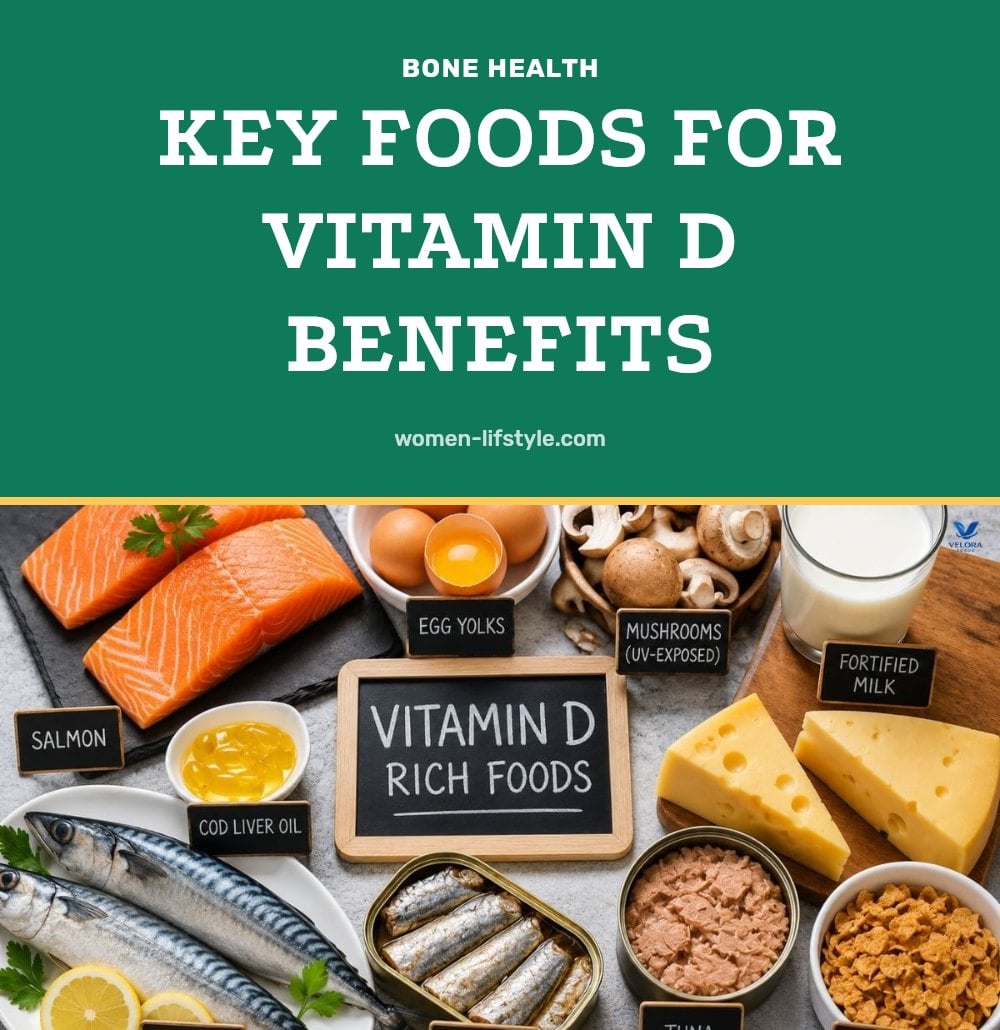
Vitamin D helps your body absorb calcium, which is essential for strong bones and overall health. Your skin can make it from sunlight, and it’s also in fatty fish, fortified milk, and eggs. Many women don’t get enough, especially in winter or if they stay indoors most of the day.
3. Vitamin C: Immunity and Collagen Booster

Vitamin C is a powerful antioxidant that supports your immune system and stimulates collagen production, which keeps skin firm and helps wounds heal. It also enhances iron absorption from plant-based foods, a key benefit for women who may be at risk for low iron. You get it from citrus fruits, berries, bell peppers, and broccoli. Because it’s water-soluble, your body doesn’t store it, so eating these foods regularly matters.
4. B Vitamins: Energy and Metabolism Powerhouses
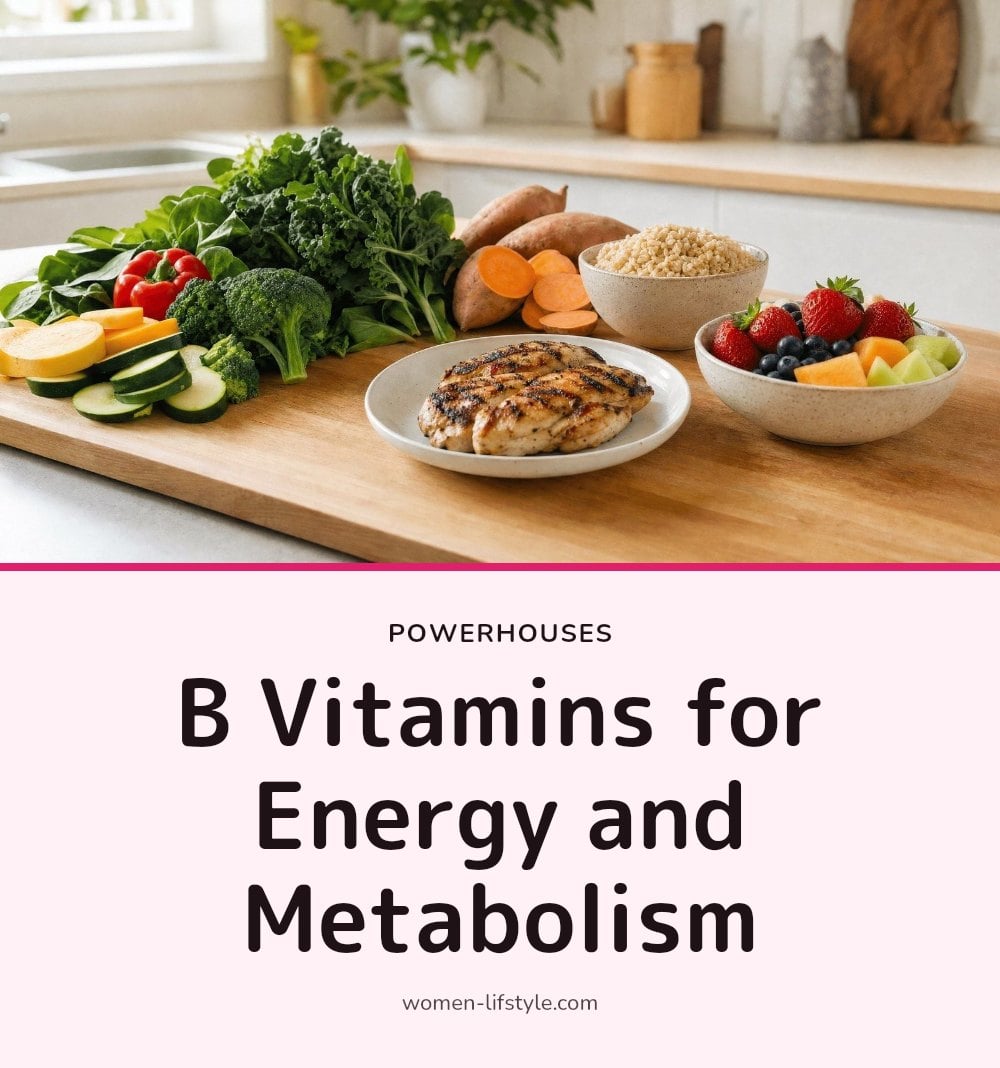
The B-complex group includes eight vitamins (B1, B2, B3, B5, B6, B7, B9, B12) that work together to convert food into usable energy. Folate (B9) is especially critical during pregnancy for proper cell development and can help prevent neural tube defects. Vitamin B12 is found almost exclusively in animal products, so vegans and vegetarians often need a supplement. Good sources for most B vitamins include whole grains, legumes, eggs, and leafy greens.
Common Vitamin Mistakes to Avoid
Believing more is always better: With fat-soluble vitamins (A, D, E, K), excess accumulates in your body and can become toxic. Stick to recommended amounts unless a doctor advises otherwise. Relying solely on multivitamins: A supplement cannot replicate the complex mix of fiber, antioxidants, and phytochemicals in whole foods. Use it as a backup, not a replacement. Ignoring food sources: Your body absorbs vitamins more effectively from food, where nutrients work together. Prioritize a balanced diet. Not consulting a professional: Always talk to your healthcare provider before starting supplements, especially if you take medications or have a medical condition.
Smart Strategies for Optimal Vitamin Intake
Eat a rainbow: Fill your plate with a variety of colorful fruits and vegetables each day. Different colors signal different vitamins and antioxidants. Prioritize whole foods: Build your meals around vegetables, fruits, whole grains, lean proteins, and dairy. Supplements are just that, supplemental. Read labels carefully: Check the dosage and ingredient list on any supplement. Look for third-party testing seals if available. Store properly: Keep vitamins in a cool, dry place away from direct sunlight. Follow package directions to maintain potency.
When to Consult a Healthcare Professional About Vitamins
If you notice unusual fatigue, hair loss, brittle nails, or other persistent symptoms, a healthcare professional can help determine if a vitamin deficiency is involved. Always check with your doctor before starting any new supplement, especially if you are pregnant, breastfeeding, or taking prescription medications. A provider can review your diet, order blood tests if needed, and flag potential interactions between supplements and your current medications. Personalized advice matters because your nutritional needs depend on your age, health status, and lifestyle.
Frequently Asked Questions
What are the signs of a vitamin deficiency?
Signs can vary depending on which vitamin is lacking, but common ones include unusual fatigue, hair loss, brittle nails, and poor vision at night. These symptoms can also stem from other health issues, so don’t self-diagnose. A healthcare professional can run tests to confirm and guide you appropriately.
Can I get all my vitamins from food alone?
For most people, yes, a varied and balanced diet can provide all the essential vitamins. However, some situations make it harder, like vitamin D in winter or B12 for vegans. If you’re unsure, a doctor can check your levels and recommend targeted foods or supplements if needed.
Are organic fruits and vegetables higher in vitamins?
Research on this is mixed, and the differences are often small. What matters more is eating a variety of produce, whether organic or conventional. Washing and storing them properly helps retain nutrients. Focus on your overall intake rather than the organic label alone.
How do I know if I need a vitamin supplement?
You might consider a supplement if you have dietary restrictions, a medical condition, or persistent symptoms that suggest a deficiency. But it’s best to consult a healthcare professional first. They can test your blood and recommend specific vitamins at the right dosage, avoiding unnecessary or harmful excess.
What is the difference between fat-soluble and water-soluble vitamins?
Fat-soluble vitamins (A, D, E, K) dissolve in fat and are stored in your liver and fatty tissues, so they can build up and become toxic in excess. Water-soluble vitamins (C and B-complex) are not stored and are excreted in urine, so you need a steady supply from your diet each day.
Final Thoughts
My tip: focus on building meals around whole foods first, and let supplements fill any gaps your doctor identifies. A colorful plate with vegetables, fruits, lean proteins, and whole grains is your best everyday source of vitamins. Expect changes from dietary adjustments to take weeks or months to show up, so be patient and consistent.
If you have persistent symptoms like fatigue or hair loss, talk to a healthcare professional rather than guessing. Your body will thank you for the thoughtful approach.
This article is for general informational purposes only and is not a substitute for professional medical advice. Always consult a qualified healthcare provider before starting any supplement or if you have persistent health concerns. They can offer personalized guidance based on your individual needs.
