

You’ve probably heard about the Enneagram and wondered what all the fuss is about. It’s a personality system that describes nine distinct types, each driven by a unique core motivation, fear, and desire. Unlike a simple quiz that tells you what you do, the Enneagram helps you understand why you do it, making it a powerful tool for self-discovery and personal growth. This guide will walk you through how to find your type, what the nine types are, and how to use the system for real transformation.

Key Takeaways
- Your Enneagram type is your core motivation, not just your behavior.
- Determining your type takes weeks or months of self-reflection, not a five-minute quiz.
- Read descriptions of all nine types to see which resonates with your deepest self.
- Use the Enneagram to build empathy, not to stereotype or judge others.
- No one fits a type perfectly; it’s a framework for growth, not a rigid box.
What Exactly Is the Enneagram?
The Enneagram is a personality system that maps nine interconnected types, each driven by a unique core motivation. It’s a tool for self-awareness and personal development that focuses on growth rather than labeling. Unlike many personality tests that tell you what you do, the Enneagram helps you understand why you do it, revealing the fears and desires behind your habits.
Why Understanding Your Enneagram Type Matters
Why Understanding Your Enneagram Type Matters
Knowing your type reveals the habitual patterns in how you think, feel, and behave. That awareness alone can shift how you react to stress, conflict, and even your own inner critic. The Enneagram also builds empathy by showing you that other people’s motivations are just as real and valid as yours.
It highlights where you can grow. Each type has a range from healthy to unhealthy, so the system pushes you toward transformation, not static labels. It’s not a diagnostic tool for mental health conditions, but a framework for understanding yourself and others more deeply.
How to Discover Your Core Enneagram Type
Finding your Enneagram type takes more than a quick online quiz, but the process itself is part of the growth. Here is a practical path to discover your core type.
- Take a reputable assessment: Start with a well-known online Enneagram test for initial guidance. Treat the result as a starting hypothesis, not a verdict. Many free tests are available, but no single test is officially recognized.
- Read all nine type descriptions: Focus on each type’s core motivation and deepest fear, not just surface behaviors. Pay attention to the descriptive names like The Reformer or The Achiever, but dig into the worldview behind them. The type that makes you feel a little uncomfortable or seen is often the right one.
- Reflect on your inner experience: Ask yourself which type’s underlying worldview resonates most with your internal life, not just your actions. Consider what drives you when no one is watching and what you fear most. This deep reflection matters more than matching external habits.
- Examine stress and growth behaviors: Look at how you act under pressure and when you are at your best, not just your everyday routines. The Enneagram’s arrows and wings describe these shifts, but your core type remains consistent. Your reactions during conflict or fatigue often reveal your true motivation.
- Get outside perspective: Share your potential type with trusted friends or a coach who knows the system. They may see patterns you miss. External input can confirm or challenge your self-assessment in helpful ways.
My tip: Keep a journal for a few weeks noting your recurring fears and desires. Patterns will emerge that point clearly to one type.
If you learn better by watching, this 15-minute video from Josh Keefe shows every step. The how-to part starts at 3:10.
The Nine Enneagram Types: A Quick Overview
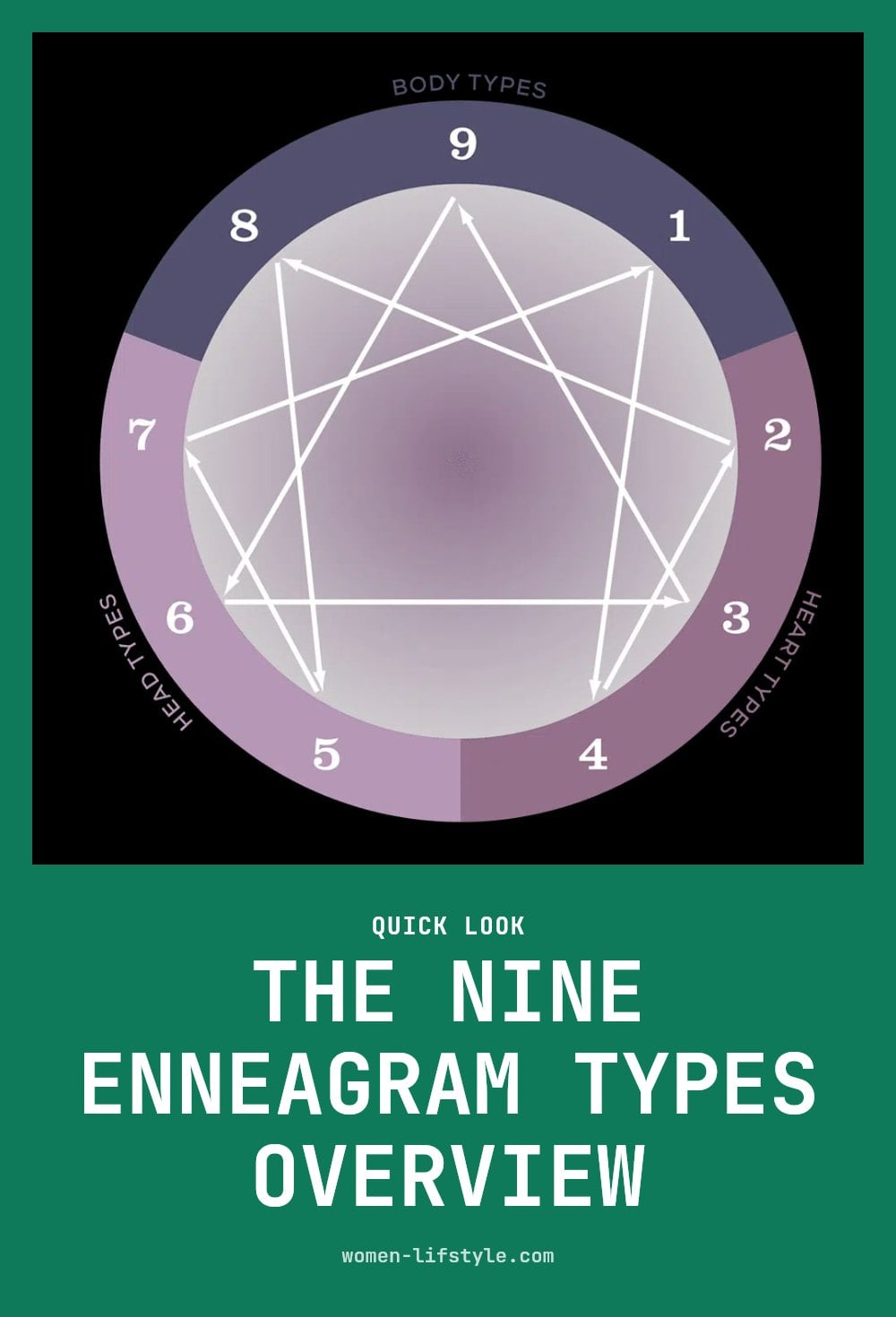
The Nine Enneagram Types: A Quick Overview
The system numbers types 1 through 9, each with a descriptive name like The Reformer (Type 1), The Helper (Type 2), and The Achiever (Type 3). Every type has a core motivation, a central fear, and a deep desire that shapes how they see the world. You are likely born with a dominant type that stays with you throughout life.
Beyond the core type, the Enneagram includes wings the two types adjacent to yours on the diagram that influence your personality. Arrows connect types to show how you tend to behave during stress or growth. These layers add nuance without changing your home base.
Common Pitfalls When Typing Yourself
Typing yourself sounds straightforward, but a few common traps can send you in the wrong direction. Mistaking Behavior for Motivation: Don’t assume you’re a Type 1 just because you’re organized. Look for the ‘why’ behind your actions. What core fear or desire drives them. Relying Only on Tests: Online assessments give you a starting point, not the final answer. Self-reflection is what uncovers your real type. Confusing Wings or Arrows for Core Type: Your core type is your home base; wings and arrows are influences, not your identity. Believing in ‘Best’ or ‘Worst’ Types: Every type has healthy and unhealthy expressions. None is better or worse. Over-Identifying with a Type: The Enneagram is a tool for growth, not a box to limit yourself. Use it to expand, not confine.
Maximizing Your Enneagram Journey for Growth

Once you have a sense of your type, these practices will deepen your understanding. Read All Type Descriptions: Even if you’re sure of your type, reading about the other eight reveals blind spots and builds empathy. Observe Your Patterns: Pay attention to your reactions, fears, and desires in everyday situations. Note when you feel defensive or driven. Seek Diverse Resources: Different authors and teachers offer unique angles. Explore a few to see what resonates. Practice Empathy: Use your knowledge to understand why others act the way they do. It shifts frustration into compassion. Focus on Growth, Not Labels: The Enneagram is a dynamic system meant to inspire transformation, not static categorization. My tip: revisit your type description every few months. You’ll notice new layers as you grow.
How Long Does It Take to Find Your Type?
Finding your core type isn’t a five-minute quiz. It can take weeks or months of honest self-reflection to land on the type that truly fits. Even then, understanding your wings, arrows, and levels of health is a lifelong process. Time to Determine Core Type: Expect to spend at least a few weeks reading, journaling, and observing your patterns. Ongoing Understanding: The nuances of your type reveal themselves over years, not days. Cost Considerations: Many free online resources and basic books are available. Workshops or professional coaching typically range from $50 to several hundred dollars, depending on depth and duration.
Frequently Asked Questions
Is the Enneagram a scientific personality test?
The Enneagram is not a diagnostic tool for mental health conditions, and there is no single, universally recognized ‘official’ test. Its origins are complex and debated, blending ancient spiritual traditions with modern psychological development. While it’s widely used for self-awareness and growth, it’s not considered a scientific instrument in the same way as some other personality assessments.
Can my Enneagram type change over time?
The Enneagram suggests that individuals are born with a dominant type that remains consistent throughout their lives. However, your expression of that type can shift dramatically as you grow. You can move from an unhealthy, reactive version of your type to a healthier, more integrated one, but your core motivation stays the same.
How do ‘wings’ and ‘arrows’ affect my Enneagram type?
Wings are the adjacent types that influence your core type, and arrows are lines connecting types that indicate how you behave under stress or during growth. For example, a Type 9 might have a wing of Type 1, showing a tendency toward perfectionism in certain situations. Exploring these concepts deepens your understanding once you’ve identified your core type.
What if I don’t strongly identify with any one type?
It’s common not to feel a perfect fit right away. The Enneagram is a framework, not a rigid box, and no one fits a type perfectly. Focus on which core motivation and fear resonate most deeply, even if the behaviors don’t match exactly. Read all nine descriptions and observe your patterns over time, and the type that fits will become clearer.
Can I use the Enneagram to understand my relationships better?
Yes, absolutely. The Enneagram encourages empathy by helping you understand the different perspectives and motivations of others. Once you know your own type and can recognize the types of people close to you, you’ll see why conflicts arise and how to communicate more effectively. It’s a powerful tool for building compassion in relationships.
Final Thoughts
Your best move is to start with a reputable online test for initial guidance, then read the full descriptions of all nine types. Pay attention to which core motivation and fear feel most familiar, not just your surface actions. Expect this process to take weeks or months of honest self-reflection, and remember that understanding your type is a lifelong journey, not a final answer. The Enneagram is here to help you grow, not to label you.
