

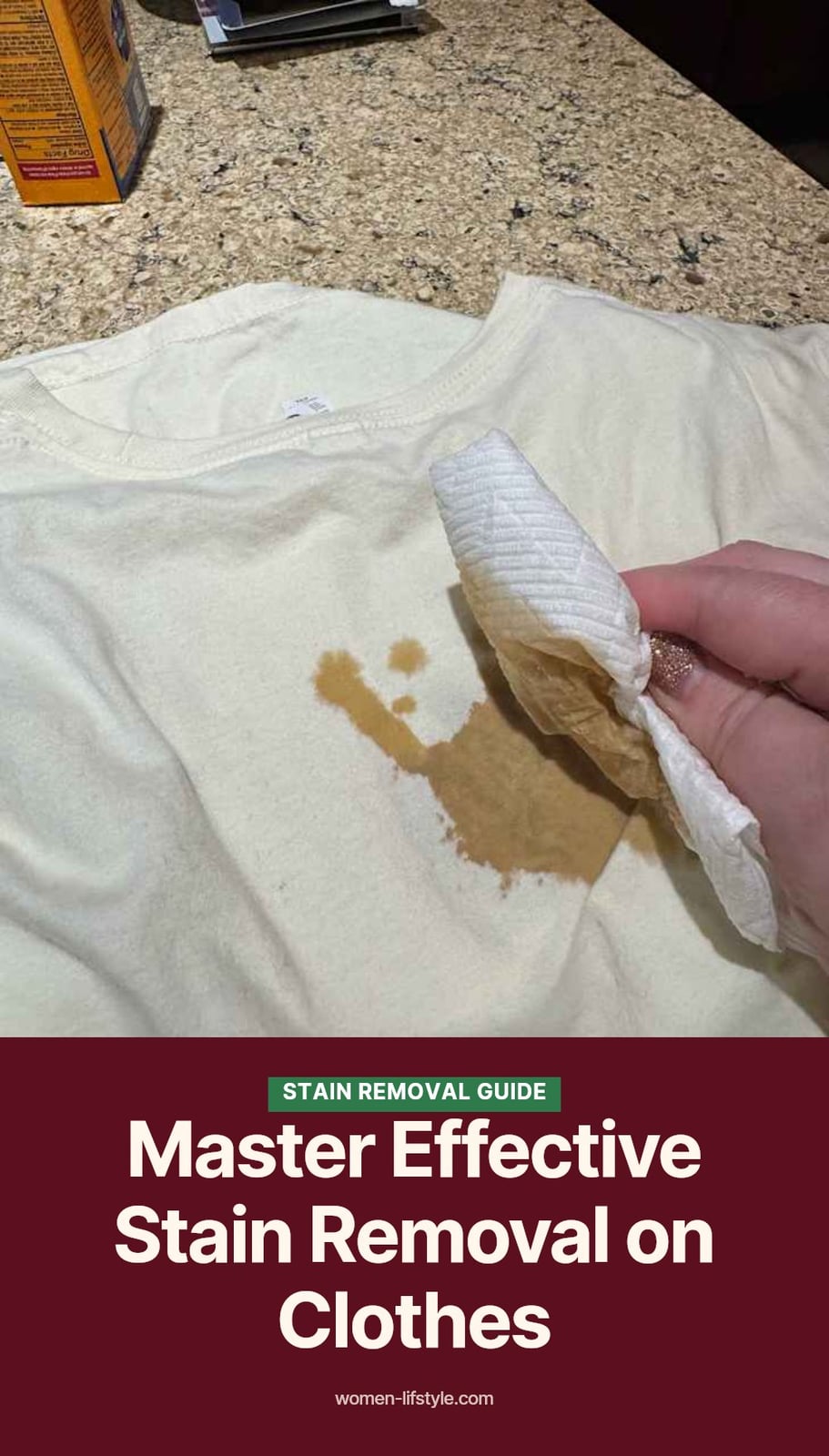
You’ve just spilled coffee on your favorite shirt or dropped a dollop of grease on your jeans, and you’re wondering if it’s ruined. The good news is that most fresh stains can be removed with a few household staples if you act quickly and use the right technique. This article walks you through the essential tools, step-by-step methods for different stain types, and common mistakes to avoid, so you can tackle any spill with confidence.
Key Takeaways
- Act fast: treat stains immediately for the best chance of full removal.
- Blot liquid stains with a clean cloth, never rub, to avoid spreading.
- Use cold water for protein stains, hot water for oil after initial treatment.
- Test any stain remover on an inconspicuous area before applying fully.
- Air dry the garment until you’re sure the stain is gone, as heat can set it.
The Key to Successful Stain Removal
The key to successful stain removal is speed. The sooner you treat a stain, the higher your chance of getting it out completely. Before you grab any product, identify what caused the stain, oil, protein, or dye, so you pick the right method. My tip: always test your chosen remover on an inconspicuous area first, like an inside seam, to make sure it won’t damage or discolor the fabric.
Your Essential Stain Removal Toolkit
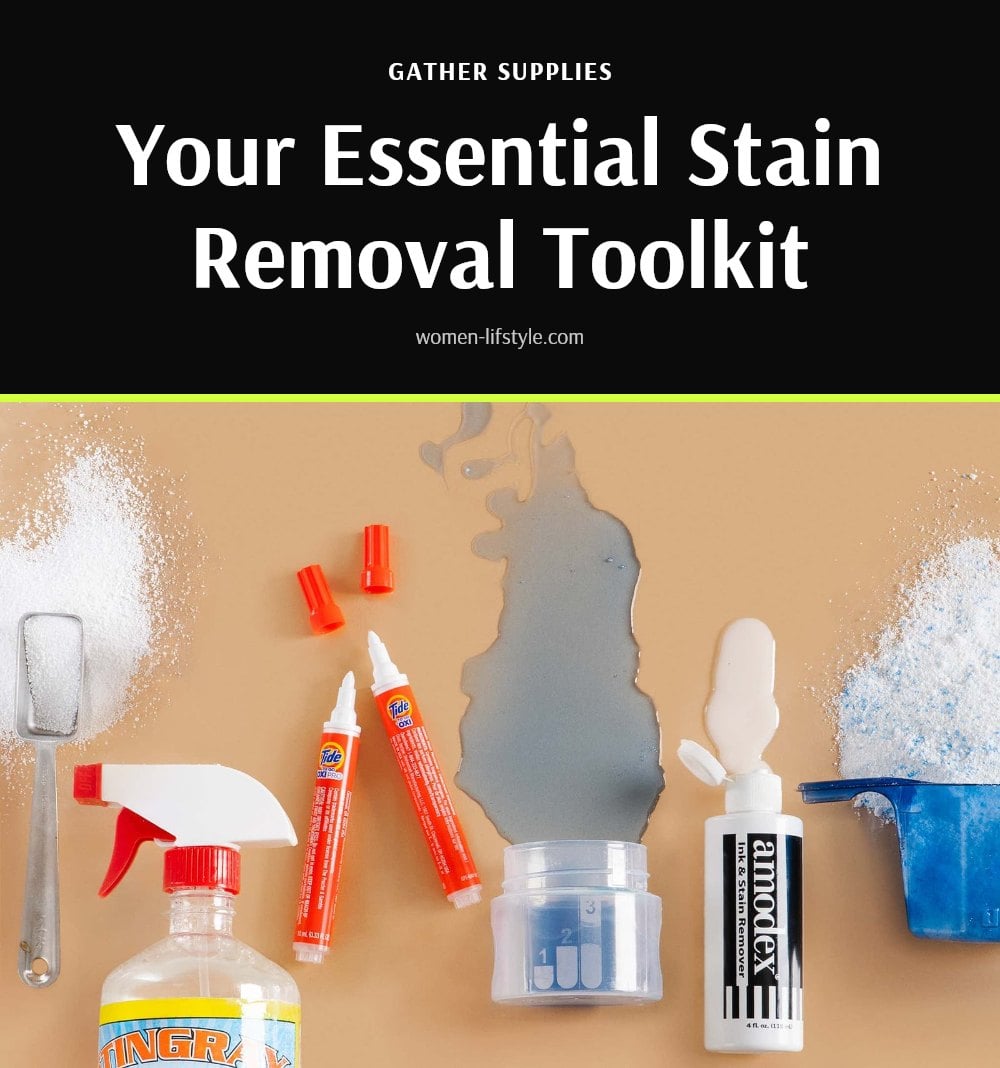
Keep these items in your laundry arsenal, and you’ll be ready for almost any stain.
- Clean white cloths or paper towels for blotting, never rubbing.
- Liquid dish soap cuts through oil and grease stains.
- White vinegar works as a mild acid for some stains and odors.
- Baking soda absorbs oils and can be mixed into a gentle abrasive paste.
- Hydrogen peroxide (3%) acts as a mild bleach for light fabrics.
- Rubbing alcohol is your go-to for ink marks.
- Enzyme-based stain remover targets protein and organic stains like blood or grass.
- Laundry detergent handles general washing and unknown stains.
Targeted Methods for Common Stain Types
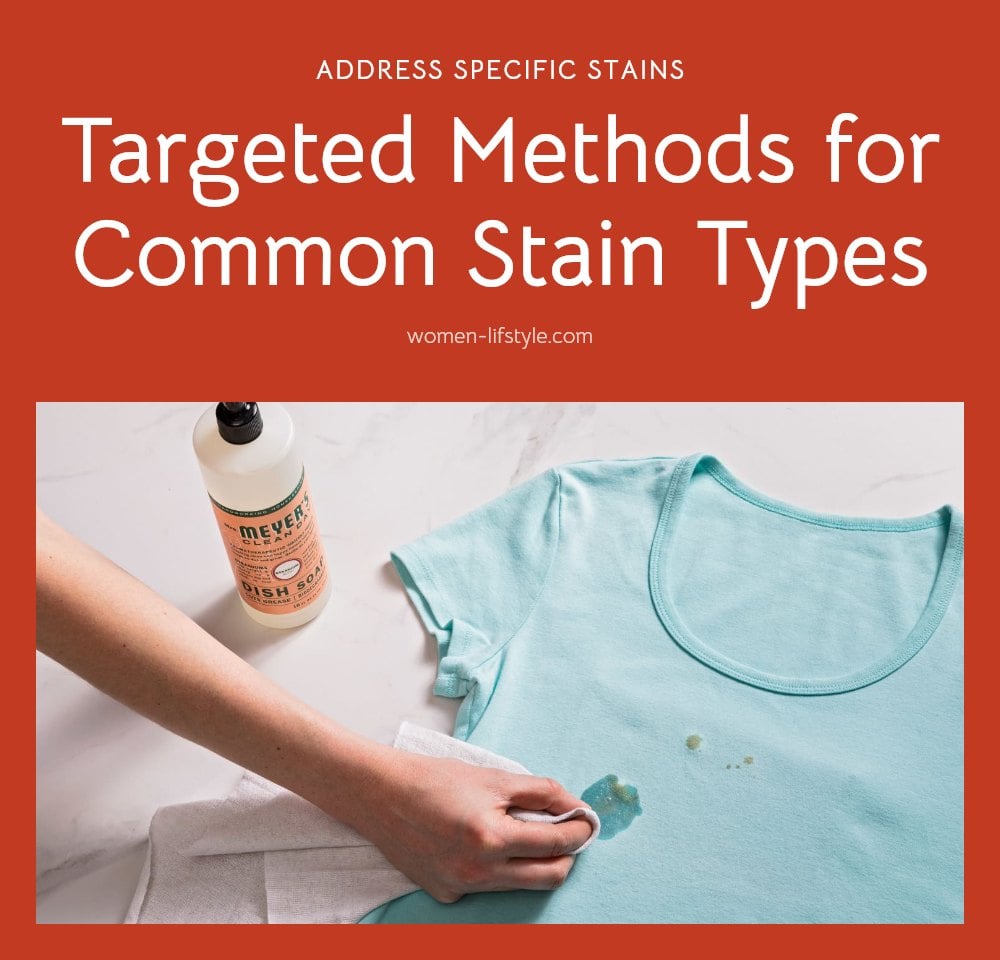
Oil and Grease
Apply a small amount of liquid dish soap directly to the stain and gently work it in with your fingers. Let it sit for 5 minutes, then rinse with cool water. My tip: For oil, I swear by a good squirt of dish soap. It breaks down the grease fast. After rinsing, you can wash with hot water if the fabric allows.
Protein Stains (Blood, Dairy)
Rinse the stain with cold water only; hot water sets the protein. Then treat with an enzyme-based stain remover, following the product instructions. Soak for at least 30 minutes before washing.
Ink Stains
Place a clean cloth under the stain and dab rubbing alcohol onto the mark with a cotton ball. The ink should transfer to the cloth. Repeat until no more ink lifts, then rinse.
Chewing Gum
Freeze the fabric with an ice cube in a plastic bag until the gum hardens. Then gently scrape it off with a dull knife or your fingernail. Any residue can be lifted with a bit of rubbing alcohol.
Dye and Colored Stains
For white fabrics, apply hydrogen peroxide (3%) directly to the stain and let it sit for 10 minutes. Rinse thoroughly. For colored fabrics, use a color-safe bleach after testing on a hidden area. Avoid hydrogen peroxide on colored fabrics as it may lighten them.
General Unknown Stains
Start with the gentlest method: apply a drop of laundry detergent and cold water, then blot. If the stain remains, move to a targeted approach based on what you suspect the stain is.
Your Step-by-Step Guide to Stain Removal
- Blot immediately: For fresh liquid stains, press a clean white cloth or paper towel onto the spot to absorb as much as possible. Never rub, that pushes the stain deeper into the fibers.
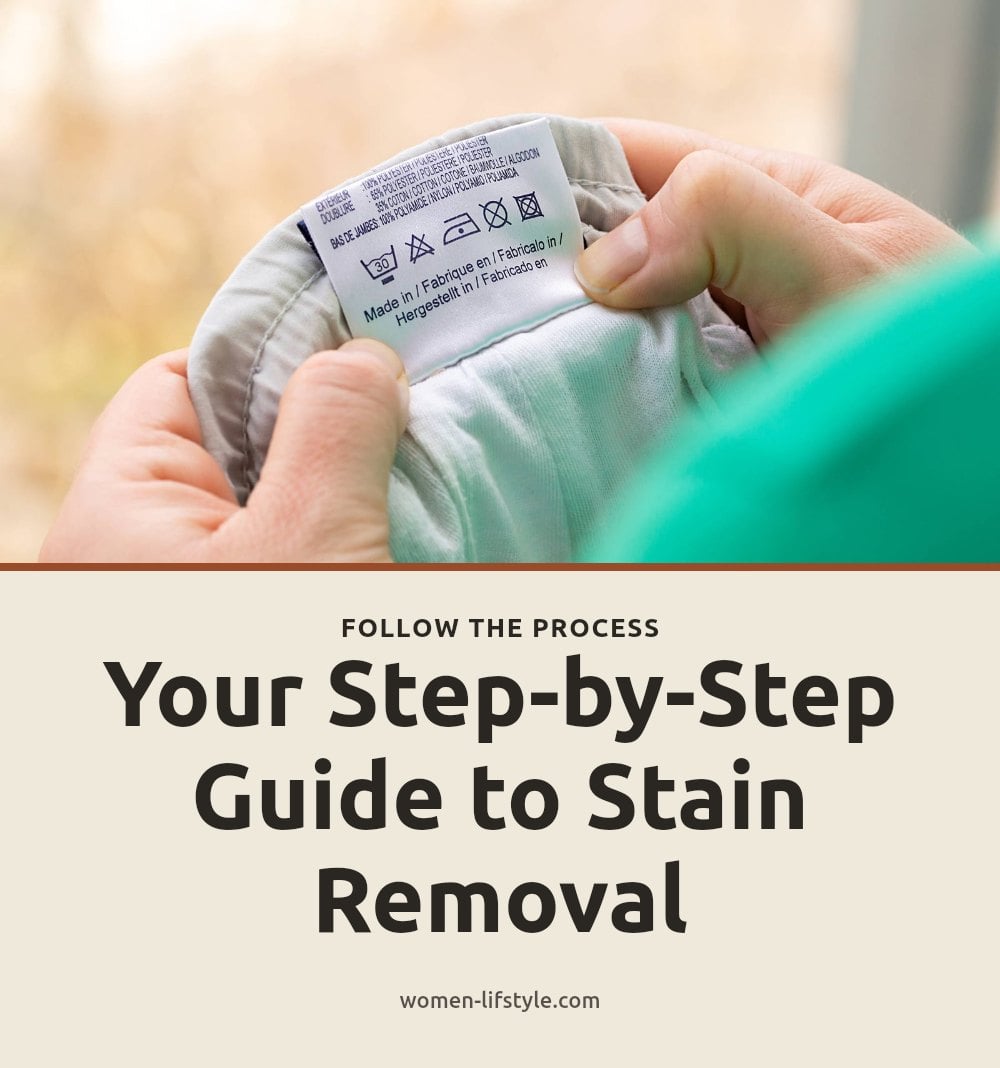
- Check the care label: Identify the fabric type and any washing restrictions before you apply anything. This prevents accidental damage.
- Pre-treat with the right product: Choose your remover based on the stain type (see previous section) and test it on an inconspicuous area first.
- Work from the outside in: Apply your remover starting at the edge of the stain and move toward the center. This stops the stain from spreading.
- Rinse thoroughly: After treatment, rinse the area with water at the appropriate temperature: cold for protein-based stains like blood or dairy, hot for oil-based stains after the initial treatment. This removes all cleaning residue, and leftover product can attract dirt or damage fabric over time.
- Air dry completely: Let the garment dry naturally. Heat from a dryer can set any remaining stain permanently. Only dry in the machine once you’re sure the stain is gone.
Common Stain Removal Mistakes to Avoid
I’ve made these mistakes myself, so learn from me. Rubbing a stain instead of blotting pushes it deeper into the fibers, making removal much harder. Using hot water on protein stains like blood or dairy cooks the protein and sets the stain permanently. Drying a garment with heat before the stain is completely gone locks it in for good. Mixing chemicals like bleach and ammonia creates dangerous fumes and can ruin your fabric. Ignoring the care label can damage delicate materials or cause shrinkage. Stick to cold water for protein stains, blot everything, and always check that label before you start.
Expert Tips for Stubborn Stains
For old, set-in stains, soak the garment in an enzyme cleaner overnight to break down stubborn residue. Layering treatments can work well: after using dish soap on a grease stain, apply a baking soda paste to absorb any leftover oil. My secret weapon for whites is a bit of sun. After washing, hang white items in direct sunlight to naturally lighten remaining stains. Know when to call in the experts for delicate or valuable items like silk or vintage fabrics. Professional dry cleaning can save a piece that DIY methods might ruin.
Frequently Asked Questions
Can I use hot water on all stains?
No, hot water is not safe for all stains. It’s effective for oil-based stains after you’ve treated them with dish soap, but it can set protein-based stains like blood or dairy permanently. Always check the care label and consider the stain type before choosing water temperature.
What if I don’t know what caused the stain?
If you’re unsure of the stain source, start with the gentlest method: blot with cold water and a mild detergent. Avoid hot water and harsh chemicals until you can identify the stain. You can also try an enzyme-based remover, which works on many organic stains, but test it on a hidden area first.
Is it safe to mix different stain removers?
Mixing cleaning chemicals can create dangerous fumes or damage your fabric. Only combine products if the instructions specifically say it’s safe, like using dish soap followed by baking soda. Otherwise, rinse thoroughly between different treatments to avoid chemical reactions.
How long can a stain sit before it’s impossible to remove?
There’s no fixed deadline, but the sooner you treat a stain, the better. Fresh stains are much easier to remove, while old, set-in stains may require soaking overnight or repeated treatments. Some stains may never fully come out, but many can be improved even after days or weeks.
When should I consider professional dry cleaning for a stain?
If the garment is delicate, valuable, or labeled dry-clean only, it’s best to take it to a professional rather than risk damage with DIY methods. Also, if you’ve tried multiple treatments and the stain persists or the fabric shows signs of wear, a professional may have specialized solvents to help.
Final Thoughts
My top recommendation is to keep a small stain kit ready, with dish soap, white vinegar, baking soda, and a clean cloth, so you can act the moment a spill happens. Realistically, even with the best effort, some old or stubborn stains may not disappear completely, and that’s okay. For delicate or valuable items, don’t hesitate to call a professional dry cleaner. Remember, patience and the right method are your best allies in keeping your clothes looking their best.
This article provides general information for stain removal and is not a substitute for professional advice. Always test any method on a hidden area and follow care label instructions. If you have a persistent or serious stain, or if the fabric is delicate or valuable, consult a professional dry cleaner. For skin or eye contact with cleaning agents, rinse immediately and seek medical help if needed.
