

That tight, flaky, itchy feeling is no fun, and it usually means your skin’s moisture barrier is struggling to hold onto water. The good news is that with a few smart tweaks to your routine, you can get real relief. This article breaks down the most effective dry skin remedies, from choosing the right moisturizer to simple daily habits that make a big difference.

Key Takeaways
- Use thick creams or ointments with ceramides, hyaluronic acid, or petrolatum instead of lightweight lotions.
- Apply moisturizer within minutes of bathing while skin is still damp to lock in hydration.
- Take lukewarm showers lasting 5 to 10 minutes and pat skin dry gently.
- Switch to fragrance-free, gentle cleansers and avoid alcohol or harsh exfoliants.
- Run a humidifier indoors during winter or in dry climates to add moisture to the air.
Quick Answer: How to Fix Dry Skin
Dry skin is best fixed by restoring its moisture barrier and preventing further water loss. This means using thick, emollient-rich moisturizers right after bathing, avoiding harsh soaps and hot water, and protecting your skin from environmental irritants like cold wind and low humidity. Consistency is key, and choosing products with ingredients like ceramides, hyaluronic acid, and petrolatum can make a big difference in how your skin feels.
1. Choose the Right Moisturizer
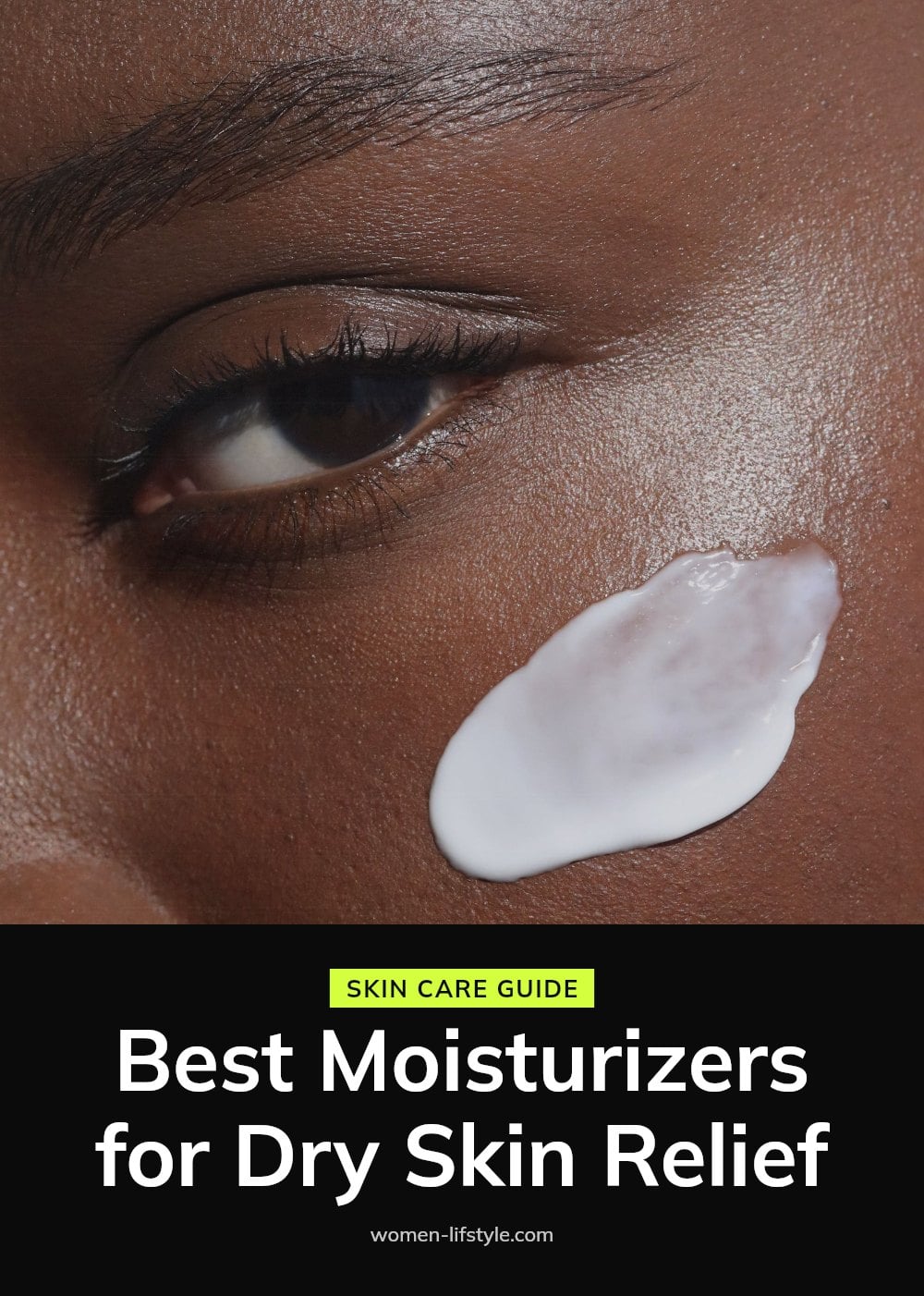
Opt for thick creams or ointments over lightweight lotions, especially if your skin is severely dry. Look for ingredients like petrolatum, mineral oil, shea butter, ceramides, and hyaluronic acid.
- Petrolatum and mineral oil create a protective seal that prevents water loss.
- Ceramides and shea butter replenish natural skin lipids, which is crucial for repairing the barrier.
- Hyaluronic acid attracts moisture from the air and deeper skin layers.
2. Moisturize Immediately After Bathing

My tip: Apply your chosen moisturizer within minutes of stepping out of the shower or bath, while your skin is still damp. This locks in the water that is already on your skin, preventing it from evaporating and leaving you even drier. A thick cream or ointment works best for this step.
3. Use Gentle, Fragrance-Free Cleansers
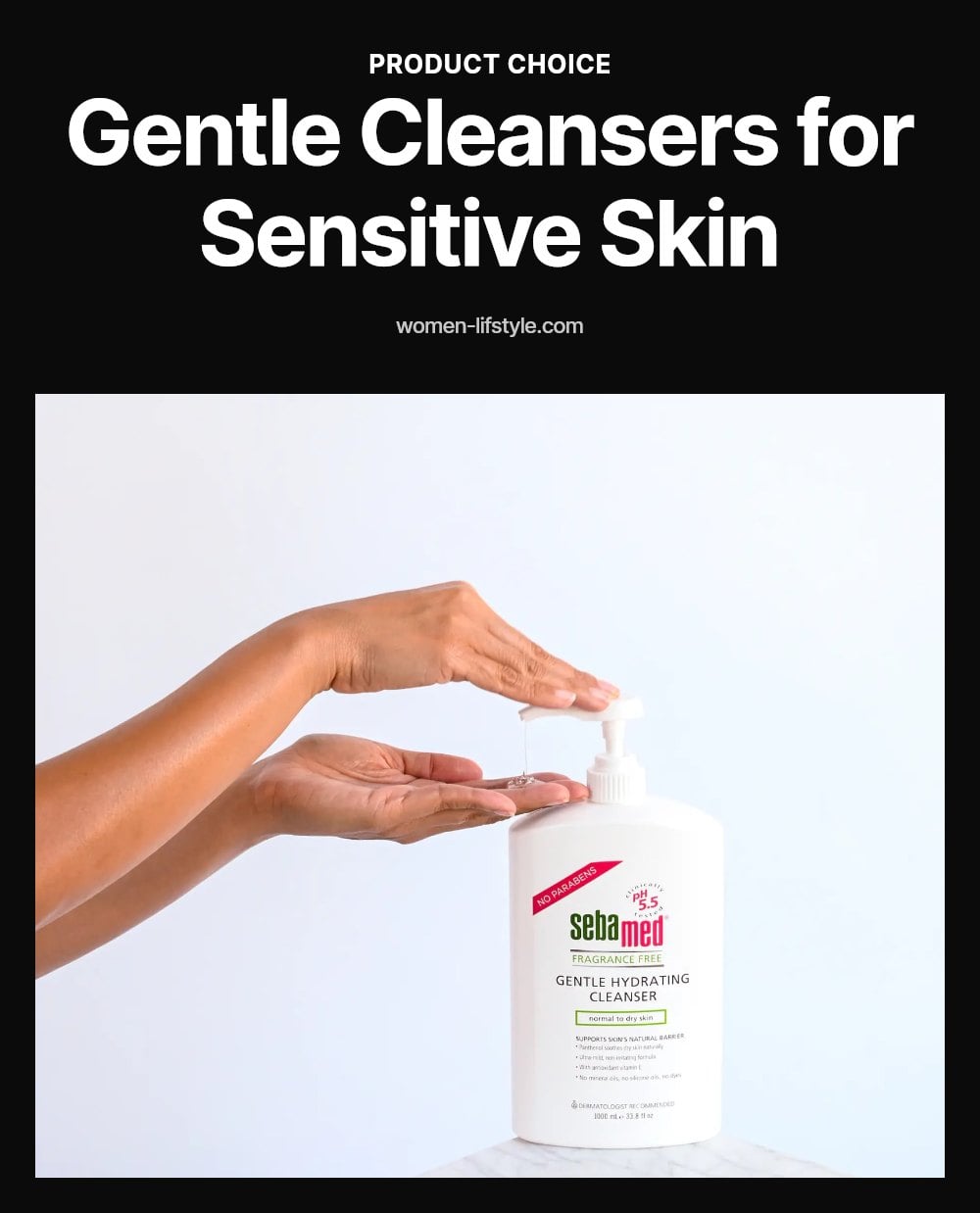
Harsh soaps and cleansers with strong fragrances or alcohol can strip your skin of its natural oils, making dryness worse. Switch to a mild, hydrating, fragrance-free cleanser for both your face and body.
- For your face: a creamy, non-foaming cleanser is usually gentler.
- For your body: look for a cleanser labeled for dry or sensitive skin that rinses clean without leaving a tight feeling.
4. Take Lukewarm, Shorter Showers
Hot water strips away natural oils from the skin’s surface, which can leave it feeling tight and flaky. Keep your showers short, around 5 to 10 minutes, and use lukewarm water instead.
This simple change minimizes moisture loss and helps your skin retain its natural protective barrier. My tip: if you can’t stand a fully cool rinse, just turn the temperature down gradually over the last minute of your shower.
5. Pat Skin Dry, Don’t Rub

After washing, gently pat your skin dry with a soft towel instead of rubbing vigorously. Rubbing can irritate already dry skin and remove more moisture.
Patting leaves a little dampness on your skin, which is perfect for locking in with the moisturizer you apply next. It makes a real difference in hydration.
6. Use a Humidifier Indoors

Especially during dry winter months or in arid climates, the air inside your home can be very low in humidity, pulling moisture from your skin. A humidifier adds moisture back into the air, which can significantly help alleviate dry skin symptoms.
My tip: Place a humidifier in your bedroom and run it while you sleep. This keeps the air around you moist, reducing water loss from your skin overnight.
7. Protect Skin from Harsh Weather
Cold winds and low humidity can severely dehydrate your skin. When you go outdoors, cover exposed skin with scarves, gloves, and hats to create a physical barrier against the elements.
Apply a thicker, protective balm to areas like your face and hands before heading out. This extra layer helps seal in moisture and shields your skin from harsh weather.
8. Wear Soft, Breathable Fabrics
Rough fabrics like wool can irritate dry, sensitive skin and make itching worse. Choose soft, breathable materials such as cotton or silk instead. These fabrics allow your skin to breathe and reduce friction, which helps prevent further irritation and moisture loss.
9. Avoid Irritating Ingredients
Products containing alcohol, strong fragrances, retinoids, or alpha hydroxy acids (AHAs) can be too harsh for already dry and compromised skin. Always check ingredient lists and avoid these common irritants. Opt for products labeled ‘fragrance-free’ and ‘for sensitive skin’ to minimize the risk of further drying or stinging.
10. Stay Hydrated from Within

While topical solutions are crucial, drinking plenty of water throughout the day supports overall skin hydration. It helps your body maintain its moisture balance, which can reflect in healthier-looking skin. My tip: keep a water bottle handy so you sip consistently.
11. Consider Overnight Treatments
For very dry areas, apply a thick layer of an occlusive ointment like petroleum jelly before bed. Cover it with cotton gloves or socks to enhance absorption and prevent it from rubbing off. This allows intense repair to happen overnight while you sleep.
When to See a Dermatologist
If your dry skin is severe, persistent, or doesn’t improve with home remedies, it is time to consult a dermatologist. They can assess your skin and rule out or diagnose underlying conditions like eczema, psoriasis, or a fungal infection.
Seek professional advice if you notice:
- Intense itching or redness that does not go away
- Cracking, open sores, or bleeding
- Signs of infection such as pus, swelling, or warmth
A dermatologist can recommend prescription-strength treatments or identify triggers that over-the-counter products cannot address. Do not delay if symptoms worsen or spread.
Frequently Asked Questions
How long does it take to fix dry skin?
With consistent moisturizing and lifestyle adjustments, many people see improvement within a few days to a week. However, dry skin is often a chronic condition, so you’ll need to keep up with your routine to maintain results. If you don’t notice any change after a week or two, a dermatologist can help identify underlying causes.
Can drinking more water help dry skin?
Yes, staying well hydrated supports overall skin health and can help maintain moisture balance from the inside out. While topical moisturizers are the primary fix, drinking plenty of water throughout the day is a good complement. It won’t instantly cure severe dryness, but it supports your skin’s natural barrier function.
What foods are good for dry skin?
Foods rich in healthy fats, like avocados, nuts, and fatty fish, may support skin health by providing essential fatty acids that help maintain the skin barrier. Antioxidant-rich fruits and vegetables also help protect skin from environmental damage. That said, diet alone won’t fix dry skin, so pair it with a good topical routine.
Is exfoliation good for dry skin?
Generally, no, especially if your skin is already flaky or irritated. Abrasive exfoliants can worsen dryness and damage the skin barrier. If you want to exfoliate, choose a very gentle chemical exfoliant sparingly and only when your skin isn’t actively irritated. When in doubt, skip it and focus on moisturizing.
Can stress cause dry skin?
Stress may indirectly contribute to dry skin by disrupting your skin’s barrier function and increasing inflammation. It can also lead to habits like scratching or neglecting your skincare routine. Managing stress through relaxation techniques or regular exercise may help improve your skin’s overall condition, but it’s not a direct cure for dryness.
Final Thoughts
My tip: make moisturizing right after washing a non-negotiable habit, and swap any harsh soaps for a gentle, fragrance-free cleanser. You should start to notice an improvement within a few days to a week, but the key is consistency, ongoing care is what keeps dryness from coming back. If your skin stays severely dry, cracked, or painful despite these efforts, don’t hesitate to see a dermatologist for personalized guidance.
This article is for general informational purposes only and is not a substitute for professional medical advice. If you have persistent, severe, or painful dry skin, or if you notice signs of infection, please consult a dermatologist or healthcare provider for a proper evaluation and treatment plan.
