

If you’ve been scrolling through wellness routines and wondering about that stiff-bristled brush everyone’s talking about, here’s the simple truth: dry brushing is a quick, at-home exfoliation method that leaves your skin noticeably smoother. In this guide, I’ll walk you through the basics, what you need, how to do it right, and what to skip, so you can decide if it fits your routine.
Key Takeaways
- Dry brush on dry skin before showering, using long strokes toward your heart.
- Use a natural-bristle brush with gentle to medium pressure to avoid irritation.
- Expect smoother skin after a few weeks of consistent use, 3-5 times a week.
- Do not brush over broken skin, rashes, or active skin conditions.
- Clean your brush weekly with mild soap and warm water to prevent bacterial buildup.
What is Dry Brushing?
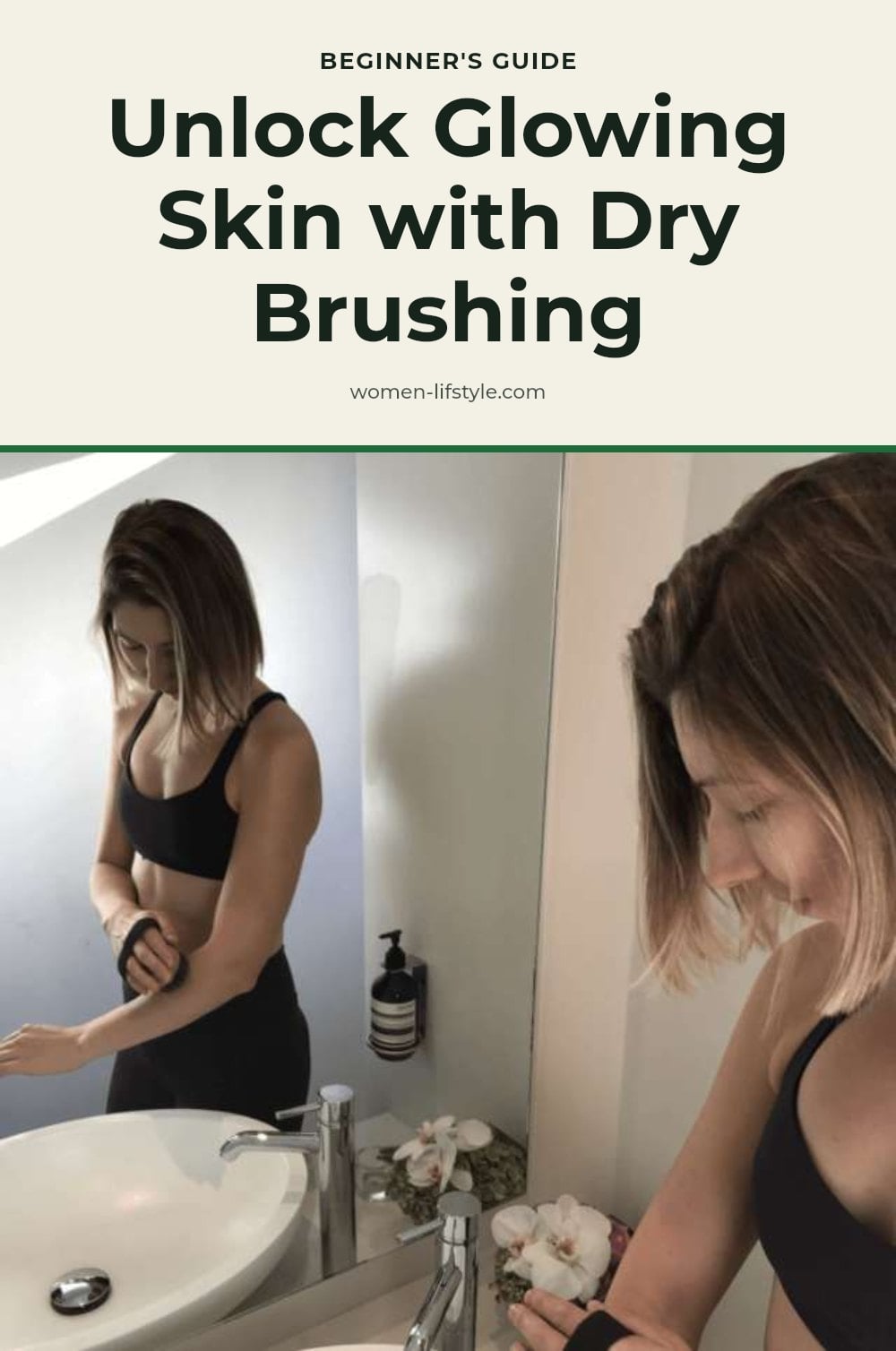
Dry brushing is a simple at-home technique where you use a natural-bristle brush on dry skin before showering. Its main job is exfoliation: it sweeps away dead skin cells, leaving your skin noticeably smoother. It also gives a temporary boost in circulation, which is why your skin may look rosy afterward. The method involves long, sweeping strokes that always move toward your heart, following your body’s natural lymphatic flow.
Essential Tools for Your Dry Brushing Routine

You only need a few items to get started, and each one has a specific role.
- Natural-bristle body brush: Choose one with firm but not harsh bristles, ideally from sisal or boar hair. This provides effective exfoliation without scratching.
- Long-handled brush: Helpful for reaching your back and other hard-to-get areas.
- Mild soap and warm water: For cleaning your brush regularly to prevent bacterial buildup.
- Moisturizer or body oil: You will apply this right after showering to hydrate your freshly exfoliated skin.
Step-by-Step Guide to Dry Brushing
- Start with dry skin: Your skin must be completely dry before you begin. Dry brushing works by friction on dry skin, not wet.
- Begin at your feet: Use long, upward strokes toward your heart. This direction follows your lymphatic system.
- Move up your legs: Continue brushing your legs, always moving toward your torso. Cover each area with 3-5 strokes.
- Brush your arms: Start from your hands and brush toward your shoulders. Use the same upward motion.
- Address your torso: Use circular motions on your abdomen and back, always moving toward the heart. Be gentler on sensitive areas like your stomach.
- Apply gentle pressure: The goal is exfoliation, not irritation. You should feel a light scratch, not pain. If your skin turns bright red or feels raw, you are pressing too hard.
- Shower immediately: Rinse off the loosened dead skin cells and impurities with warm water.
- Moisturize generously: Apply a hydrating lotion or oil to replenish your skin while it is still slightly damp. This locks in moisture and soothes the skin.
Common Dry Brushing Mistakes to Avoid
Even a simple routine can go wrong if you make these common errors. Here is what to avoid.
- Brushing too hard: This can irritate your skin or cause scratches. Use gentle to medium pressure only.
- Brushing on wet skin: Dry brushing is meant for dry skin to maximize exfoliation. Wet skin reduces friction and can cause dragging.
- Ignoring brush hygiene: Not cleaning your brush regularly allows dead skin cells and bacteria to accumulate. Wash it with mild soap and water weekly.
- Brushing over irritated skin: Avoid any areas with cuts, rashes, sunburns, or skin conditions like eczema or psoriasis. Brushing over these can worsen them.
- Expecting miracle cures: While dry brushing offers benefits, it will not cure cellulite or detoxify your organs. Focus on the proven benefits of exfoliation and circulation.
Debunking Dry Brushing Myths
Debunking Dry Brushing Myths
Myth: Dry brushing detoxifies your body. Reality: While it stimulates circulation and lymphatic flow, there is no scientific evidence it significantly detoxifies your organs. The real benefit is exfoliation, not internal cleansing.
Myth: It is a permanent cure for cellulite. Reality: Dry brushing can temporarily improve skin texture and appearance, but it is not a proven method for permanent cellulite reduction. Results are cosmetic and short-term.
Myth: You can use any brush. Reality: Use a natural-bristle brush specifically designed for dry brushing. Synthetic bristles are often too harsh and can irritate your skin.
Post-Brush Skincare and Brush Maintenance
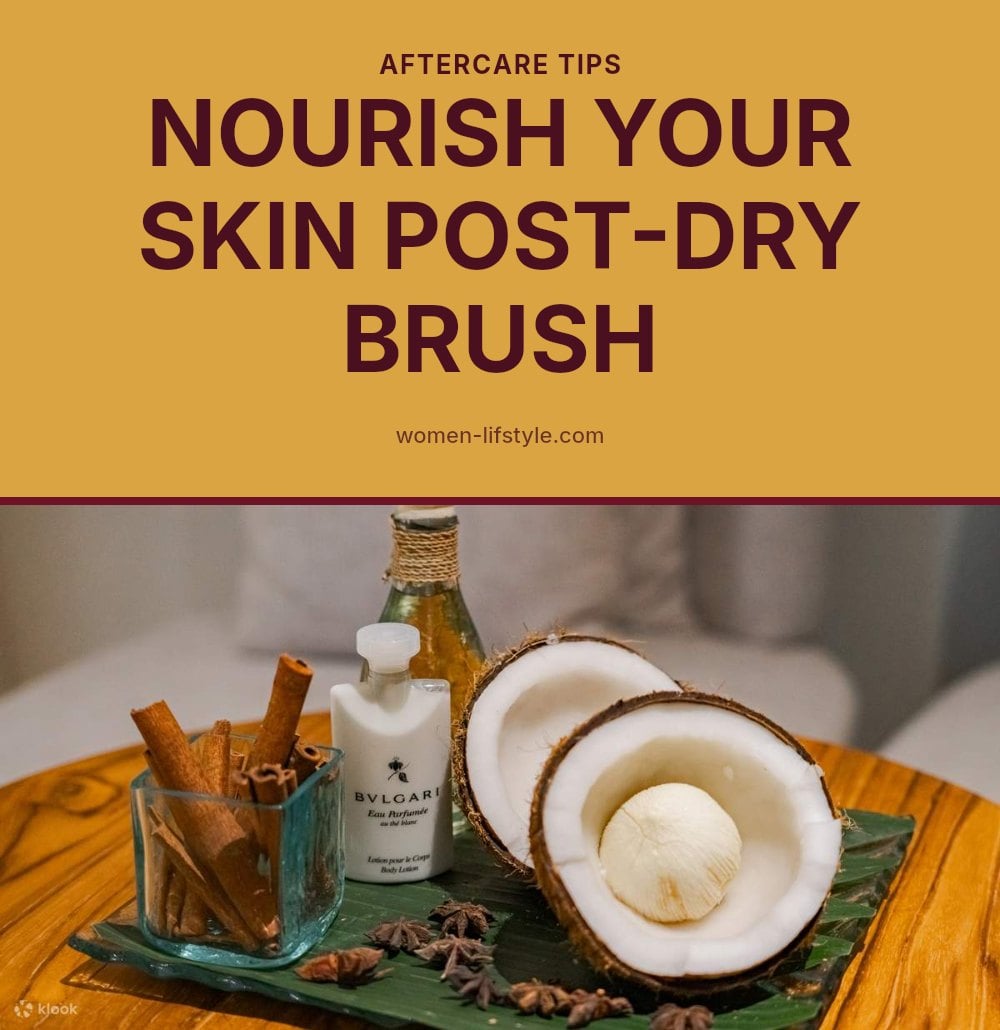
After your dry brushing session, shower to rinse off the exfoliated skin cells. Then apply a rich moisturizer or body oil while your skin is still damp to lock in hydration.
- Clean your brush weekly: Use mild soap and warm water to remove dead skin cells and bacteria.
- Air dry properly: Hang your brush in a well-ventilated area, bristles down, to prevent mildew.
When to Consult a Professional
Consult a professional if you experience persistent skin irritation, redness, or pain after dry brushing. Also seek advice if you have pre-existing skin conditions like eczema, psoriasis, severe varicose veins, or open wounds. If you have very sensitive skin and even gentle brushing causes discomfort, stop and talk to a dermatologist. For any underlying medical conditions, check with your doctor before starting dry brushing.
Frequently Asked Questions
How often should I dry brush?
Aim for 3 to 5 times per week. Doing it more often can irritate your skin, so give your skin a rest day in between sessions to recover.
Can dry brushing help with cellulite?
While it may temporarily improve skin texture and circulation, dry brushing is not a proven permanent treatment for cellulite. The visible effect is temporary and not a substitute for medical or lifestyle approaches.
What kind of brush should I use for dry brushing?
Look for a natural-bristle brush made from sisal or boar hair. Avoid synthetic bristles that can be too harsh. A long-handled brush can help you reach your back easily.
Is dry brushing safe for sensitive skin?
It can be if you use very light pressure and a soft-bristled brush. But if you have very sensitive skin or conditions like eczema or psoriasis, even gentle brushing might cause irritation. Stop immediately if it hurts or leaves redness, and consult a dermatologist if needed.
Final Thoughts
My tip: stick with a routine of 3 to 5 times a week for a few minutes each session, and you’ll likely notice softer, smoother skin within a couple of weeks. Just remember to pair it with a good moisturizer right after your shower to lock in that fresh feel. Dry brushing is a simple add-on, not a miracle cure, so keep your expectations grounded and enjoy the gentle exfoliation.
This information is for general informational purposes only and does not constitute medical or professional advice. Always consult a dermatologist or healthcare provider for persistent skin issues or before starting a new routine if you have underlying conditions.
