

Flies buzzing around your kitchen or patio can drive anyone crazy. The good news is you don’t need harsh chemicals to get rid of them. This article covers simple, effective DIY fly traps you can make with items you already have at home, plus tips on which bait works best for different types of flies.
Whether you’re dealing with fruit flies near your fruit bowl or house flies near the trash, there’s a homemade solution that works. I’ll walk you through the materials, step-by-step instructions, and common mistakes to avoid so you can start catching flies right away.
Key Takeaways
- Match your bait to the type of fly: fruit flies love apple cider vinegar, house flies prefer decaying matter.
- Always add a few drops of dish soap to liquid baits to break surface tension and drown flies.
- Place traps near windows, doors, or areas where flies are most active for best results.
- Refresh baits every 2-4 days to keep the trap effective and prevent odors.
- Don’t rely only on traps; good sanitation, like wiping spills and securing garbage, prevents flies from returning.
How to Make an Effective DIY Fly Trap
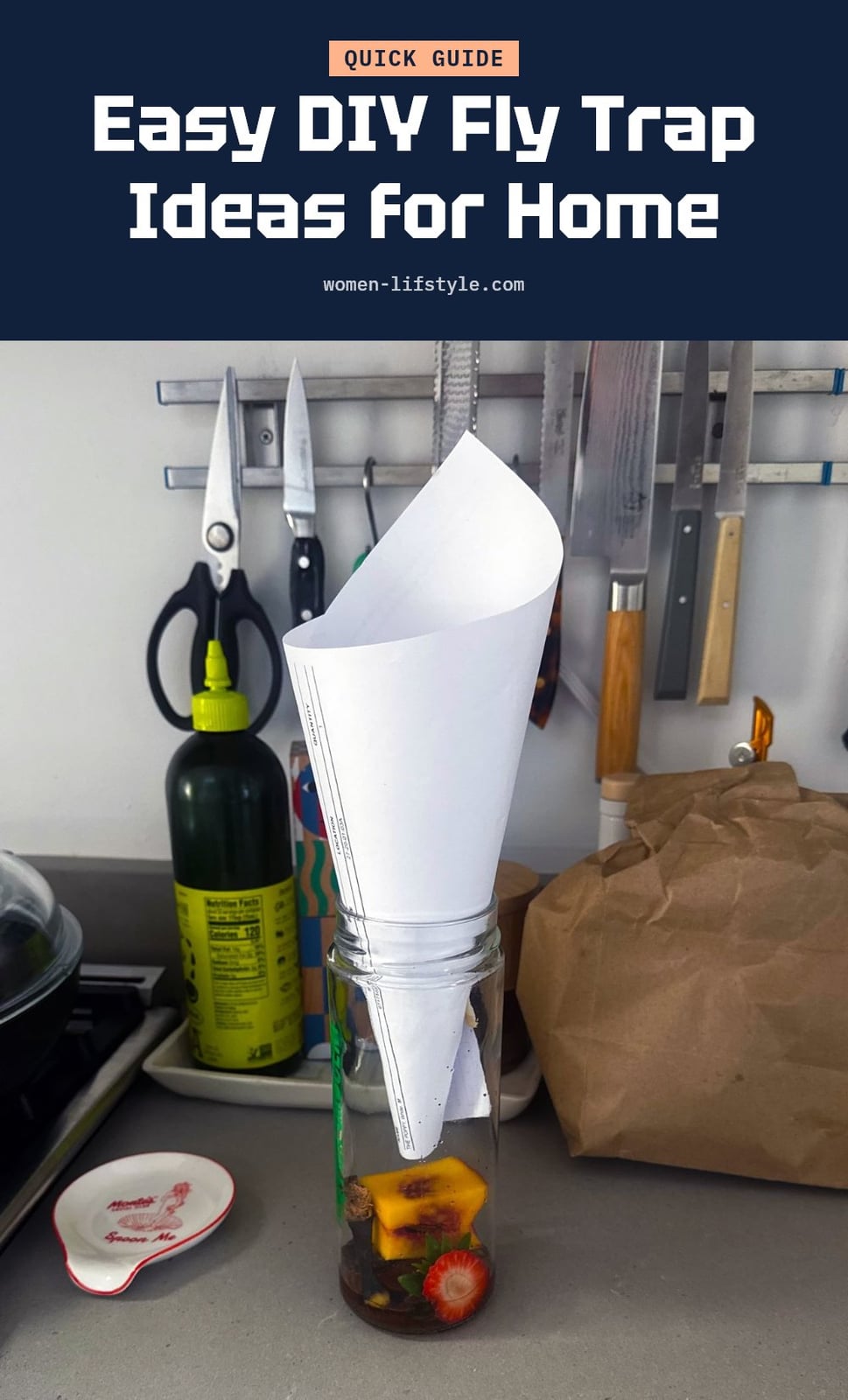
An effective DIY fly trap starts with a sweet or fermenting liquid bait inside a container that has a narrow or funnel-like opening. Flies enter easily but struggle to escape. Add a few drops of dish soap to the bait; it breaks the surface tension so flies sink and drown instead of landing and flying away. The best trap for you depends on the type of fly you are targeting and whether you need it indoors or outdoors.
Gather Your Materials for Homemade Fly Traps
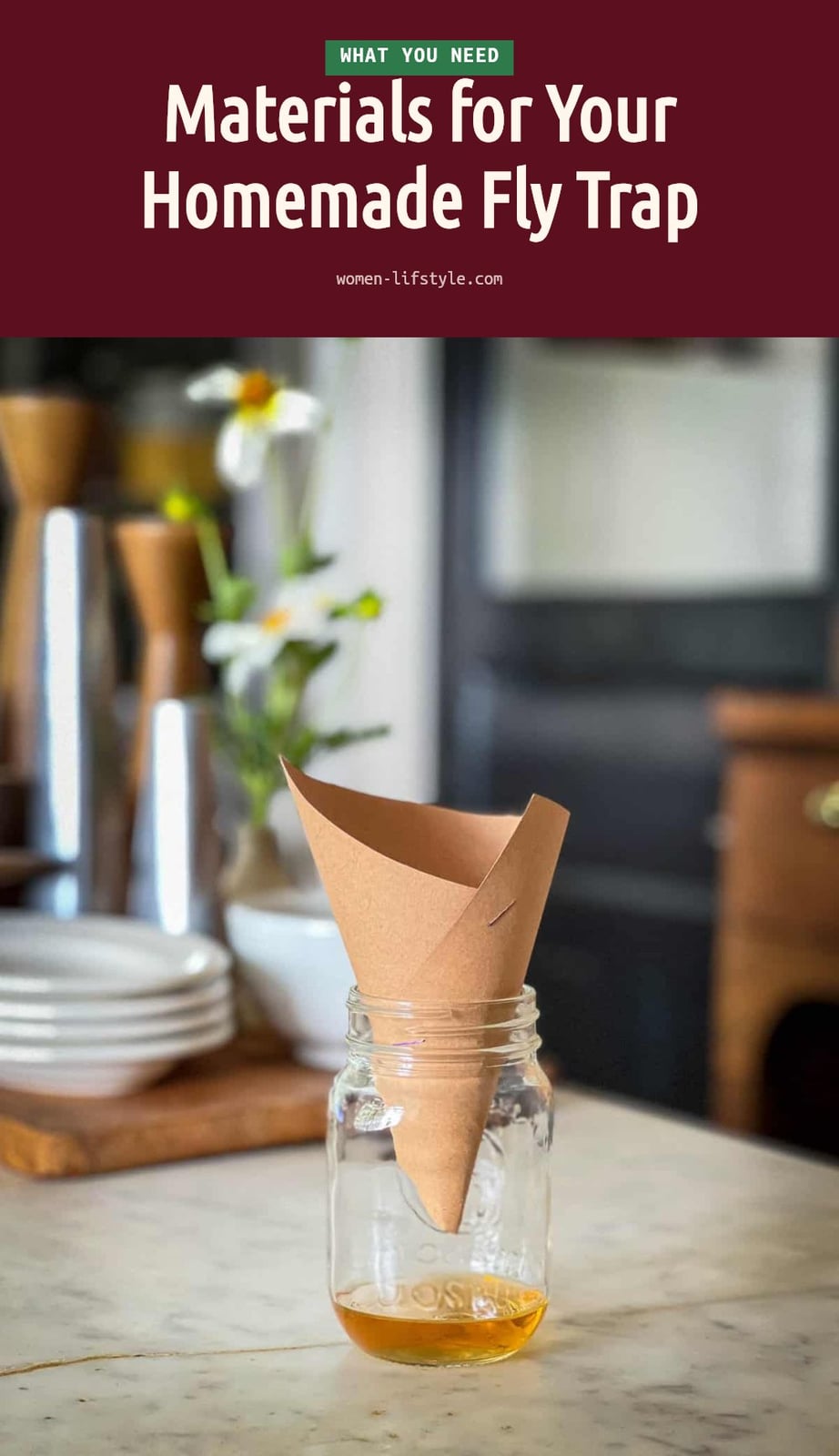
Most homemade fly traps use items you already have at home. Here is what you need and why each item matters.
- Plastic bottles or jars: The base for most traps, easy to cut and repurpose.
- Plastic wrap or paper: Creates funnel tops or covers for containers.
- Scissors or knife: For cutting plastic bottles and shaping paper.
- Sugar, fruit juice, or honey: Sweet attractants that draw many fly types.
- Apple cider vinegar: Particularly effective for fruit flies.
- Dish soap: Crucial for breaking surface tension in liquid baits so flies drown.
- Overripe fruit: An excellent attractant for fruit flies.
- Meat scraps or fermented food: Stronger baits for outdoor house fly traps.
Different DIY Fly Trap Methods for Specific Flies
Different flies are drawn to different smells, so match your trap method to the pest you are dealing with.
Fruit Fly Trap
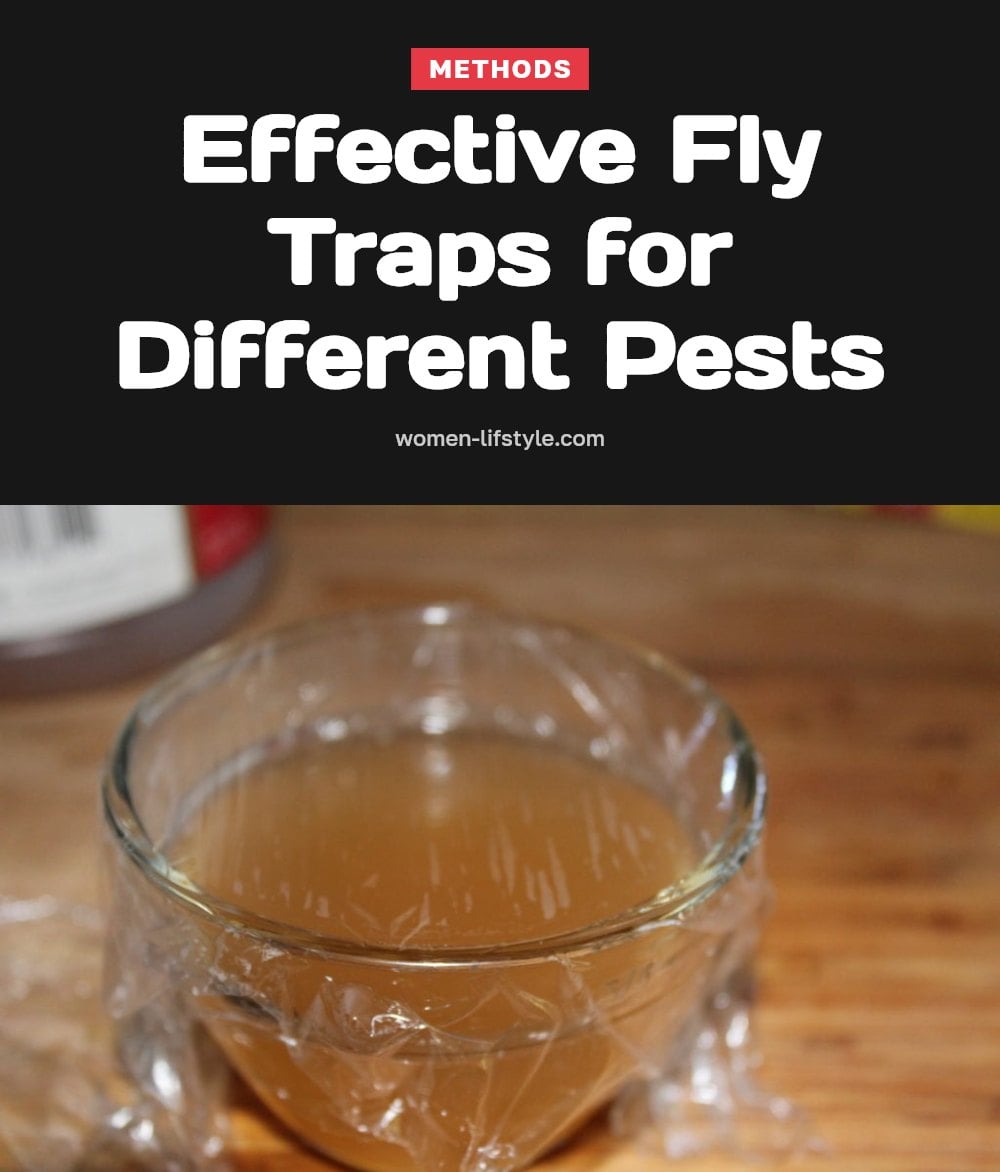
Pour apple cider vinegar into a small bowl or jar and add a few drops of dish soap. Cover the top tightly with plastic wrap and poke several small holes with a toothpick. Fruit flies smell the vinegar, crawl in through the holes, and cannot get out.
Tip: Place this trap near your fruit bowl or compost bin for best results.
Bottle Trap for House Flies
Cut a plastic bottle just below the neck. Invert the top piece and place it upside down into the bottom half to form a funnel. Fill the bottom with a mixture of sugar water or fruit juice and dish soap. House flies enter the funnel but struggle to find the exit.
Caution: Tape the funnel in place so it does not shift and let flies escape.
Outdoor Meat Bait Trap
Use a larger container, such as a bucket or a big jar. Add meat scraps, fish heads, or fermented food as bait. Cover the opening with a funnel or a lid with a small hole. Place this trap at least 10 feet away from your patio or door to draw flies away from your living space.
Tip: Change the bait every few days to keep the smell strong and effective.
Sticky Traps
Cut strips of thick paper or cardboard. Coat one side with honey, syrup, or a mix of sugar and water. Hang the strips near windows or doorways. Flies land on the sticky surface and get trapped.
Caution: Keep sticky traps out of reach of pets and children, as the adhesive can be hard to remove.
Step-by-Step: Making a Classic Bottle Fly Trap
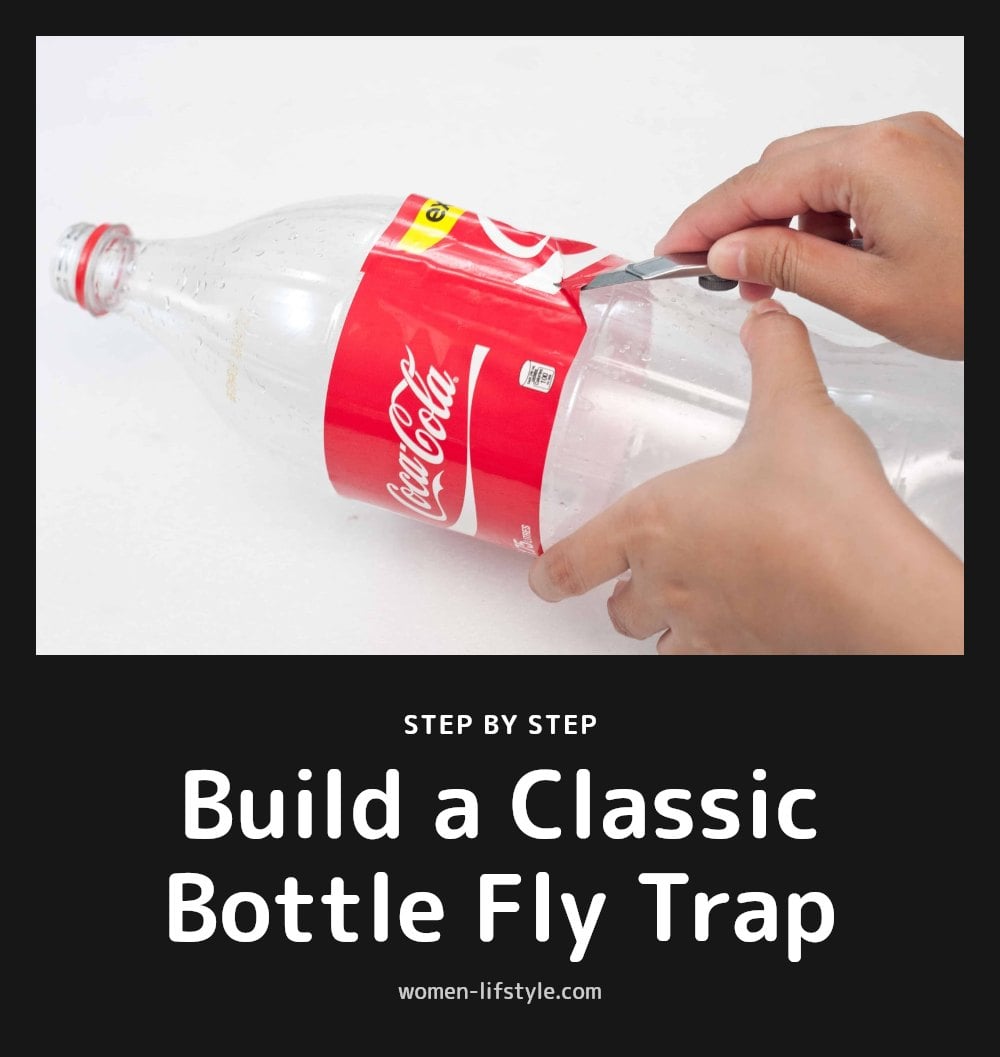
This classic bottle trap works for house flies and many other common indoor flies. Follow these steps.
- Prepare the bottle: Cut a plastic bottle just below the neck, where the straight sides start to curve inward.
- Create the funnel: Remove the cap and invert the top portion of the bottle. Place it upside down into the bottom half, forming a funnel that leads downward.
- Add the bait: Mix water with sugar or fruit juice in the bottom section. Add a few drops of dish soap to break surface tension.
- Secure the trap: Tape the inverted top in place around the rim so it stays sealed and flies cannot squeeze out.
- Place the trap: Set it where flies are active, such as near a window, fruit bowl, or garbage can.
Common Fly Trap Mistakes to Avoid
Even the best homemade trap fails when you make one of these common mistakes.
- Using the Wrong Bait: Fruit flies ignore sugary water; they want vinegar or overripe fruit. House flies skip vinegar and go for decaying matter. Match the bait to the fly you see.
- Forgetting Dish Soap: Without a few drops of dish soap, flies land on the liquid, drink, and fly away. The soap breaks surface tension so they sink and drown.
- Poor Placement: Tucking a trap in a dark corner catches nothing. Put traps near windows, doors, fruit bowls, or garbage cans, wherever flies are active.
- Infrequent Refreshing: Bait that sits for a week loses its smell and starts smelling like rot. Refreshing every 2-4 days keeps the trap working and prevents it from attracting other pests.
- Ignoring the Source: A trap catches adult flies but does nothing about the rotting fruit or dirty garbage that keeps bringing them in. Remove the source for long-term control.
Expert Tips for Maximizing Fly Trap Effectiveness
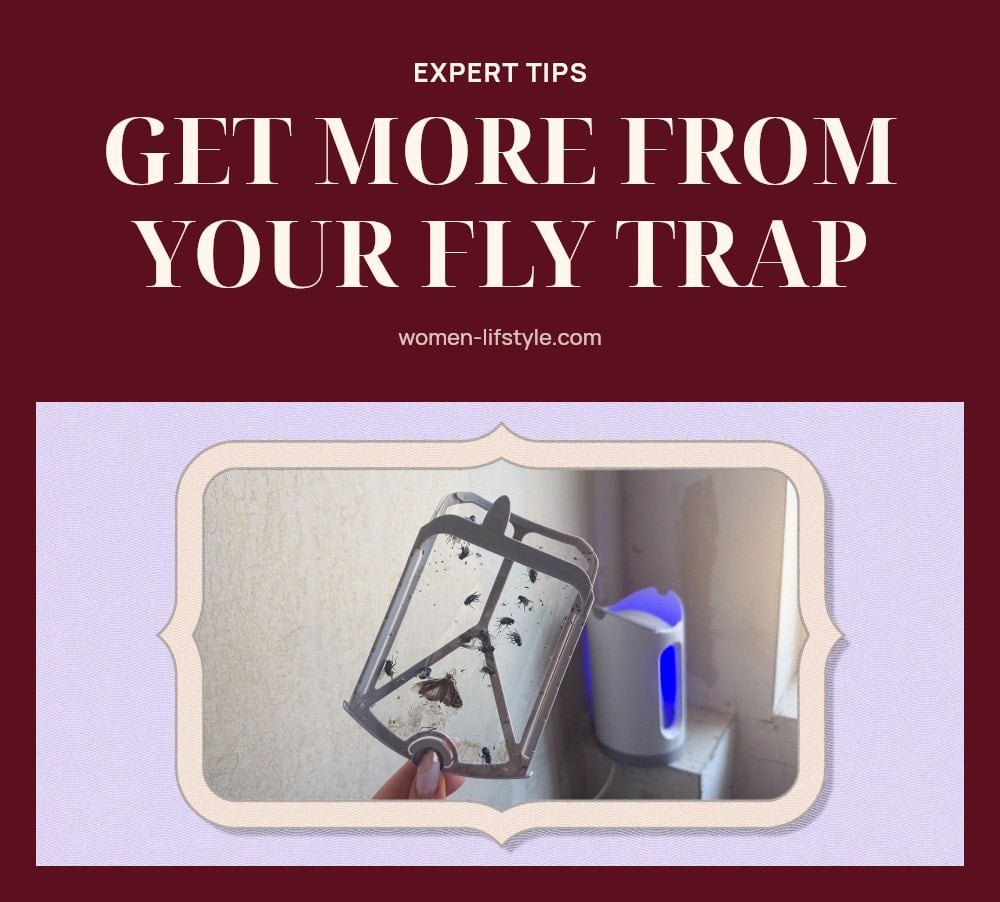
Once your trap is set, these tips help you catch more flies faster.
- Identify Your Invaders: Look closely at the flies you have. Tiny ones hovering near fruit are fruit flies. Larger, slower ones near the trash are house flies. Each needs a different bait.
- Strategic Placement: Position traps right where flies enter or gather, on windowsills, next to the fruit bowl, or beside the garbage can. That is where they will find the bait first.
- Multiple Traps, Better Coverage: One trap in a large kitchen may not be enough. Set two or three in different hotspots to cover more ground and catch more flies.
- Sanitation First: Traps are a tool, not a cure. Wipe counters, take out trash, and store ripe fruit in the fridge. Clean spaces attract fewer flies to begin with.
- Outdoor Considerations: Use stronger baits like meat scraps or fermented food for outdoor traps. Place them at least 10 feet from doors or patios so the smell draws flies away from your home, not toward it.
Timeline and Cost for DIY Fly Traps
DIY fly traps are fast to make and cost almost nothing.
- Preparation Time: You can cut a bottle, add bait, and set the trap in 5-10 minutes.
- Effectiveness Timeline: Flies usually start showing up in the trap within a few hours to a day of placement.
- Refresh Frequency: Check the bait every 2-4 days. Refreshing sooner keeps the smell strong and prevents the trap from becoming a breeding ground.
- Cost: Minimal to none. Most traps use a recycled bottle and pantry staples like sugar, vinegar, and dish soap.
Preventing Flies from Returning
Traps catch the flies that are already inside. To keep them from coming back, address what attracts them in the first place.
- Immediate Cleanup: Wipe up spills and food crumbs as soon as they happen. Even a drop of juice draws fruit flies.
- Secure Garbage: Use trash cans with tight-fitting lids. Empty food waste bins every day or two, especially in warm weather.
- Ripe Produce Storage: Store ripe fruits and vegetables in the refrigerator or inside sealed containers. A single overripe banana can start an infestation.
- Address Moisture: Fix leaky faucets and drains. Flies need moisture to breed, so keep sinks and drains dry when not in use.
- Seal Entry Points: Repair tears in window screens and seal cracks around doors. Flies slip through gaps smaller than a dime.
Frequently Asked Questions
How often should I change my DIY fly trap?
You should check and refresh your DIY fly trap every 2 to 4 days for best results. The bait loses its attractive power over time, and dead flies can make the trap less effective. If the trap starts to smell or looks full, change it sooner.
Can essential oils repel flies effectively?
Some essential oils, like peppermint, eucalyptus, or citronella, are believed to repel flies, but their effectiveness in traps is limited. They may work better as a deterrent on surfaces or in a spray, but for catching flies, liquid baits like vinegar or sugar water are more reliable.
Do fly traps attract more flies?
Yes, fly traps can initially attract more flies to the area because of the bait’s strong smell. This is why you should place outdoor traps away from living spaces like patios or doors. Indoors, the trade-off is worth it because the trap catches and kills them quickly.
What is the best bait for house flies?
House flies are attracted to decaying organic matter, garbage, and animal waste. For a DIY trap, use a sweet fermenting bait like sugar water with a bit of yeast, or try meat scraps or overripe fruit. Adding dish soap helps drown them faster.
Final Thoughts
For most indoor fly problems, start with a simple apple cider vinegar and dish soap trap near the fruit bowl or sink. You should see flies gathering in the trap within a few hours to a day. Just remember to refresh the bait every few days and keep up with basic cleaning. With these DIY traps, you can manage flies without sprays or expensive products.
