

If you constantly feel drained, anxious, or disrespected after interacting with someone, it may be time to examine that relationship. While the term isn’t a clinical diagnosis, recognizing patterns of manipulation, criticism, or emotional neglect is the first step toward protecting your mental health. This article covers what toxic dynamics look like, how to set boundaries, and when to consider limiting contact or seeking professional support.

Key Takeaways
- Recognize that toxic behaviors include manipulation, constant criticism, gaslighting, and excessive negativity.
- Set clear, specific boundaries and communicate them firmly without over-explaining.
- Limit contact with the person, whether by reducing frequency or going no-contact.
- Prioritize self-care and lean on trusted friends, family, or a therapist for support.
- Understand that emotional recovery is personal and may involve grief and guilt.
What Does ‘Toxic People’ Really Mean?
Toxic people are individuals whose consistent negative behaviors drain your emotional and mental energy. These behaviors are not clinical diagnoses but describe interactions that leave you feeling disrespected, manipulated, or emotionally drained. The focus is on protecting your well-being rather than changing the other person. You can’t control their actions, but you can control how much access they have to your life.
Understanding Common Toxic Behaviors and Their Impact
Toxic behaviors often include manipulation, constant criticism, gaslighting, excessive negativity, and a lack of empathy. These patterns can wear down your self-esteem, increase your stress levels, and contribute to feelings of anxiety or depression. Over time, you may start to doubt your own perceptions or feel like you’re walking on eggshells.
How to tell the difference
Not all difficult relationships are toxic. Some simply require better communication or understanding. A friend who forgets your birthday once isn’t toxic, but a pattern of dismissiveness and blame that leaves you drained is a different story.
- Manipulation: Twisting facts to make you doubt yourself.
- Constant criticism: Nothing you do ever feels good enough.
- Gaslighting: Denying reality to make you question your sanity.
- Excessive negativity: Every conversation turns into a complaint session.
- Lack of empathy: Your feelings are ignored or belittled.
If you notice these behaviors repeatedly, it’s a sign that the relationship is taking a toll on your mental health.
Effective Strategies for Managing Toxic Relationships
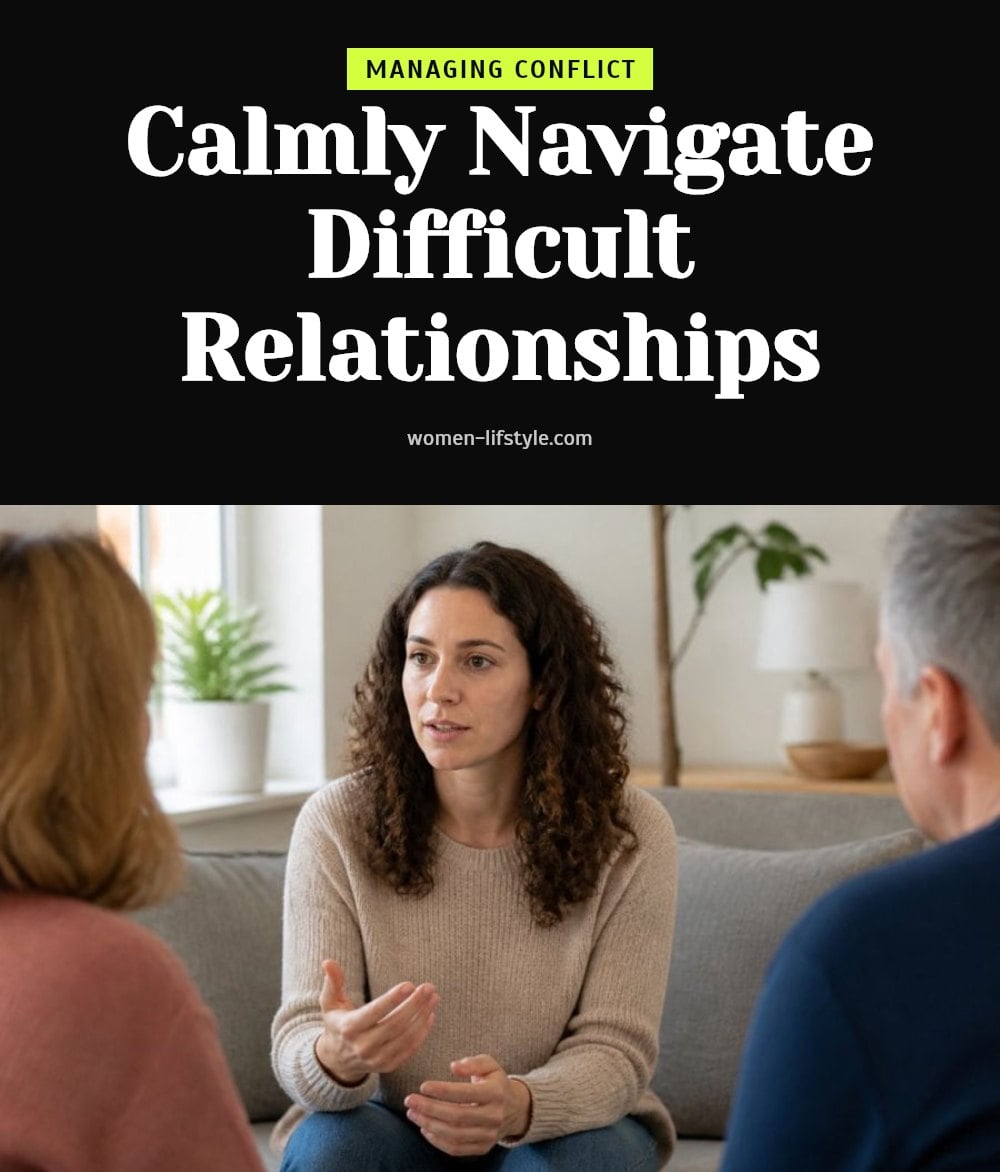
Managing a toxic relationship starts with protecting your own energy. You have more control than you think, but it requires deliberate action.
Set clear, firm boundaries
Boundaries define what behavior you will accept and what you won’t. Be specific: “I will not discuss my finances with you” or “I need you to stop raising your voice when we talk.” State them calmly and once, then hold the line. Tip: Write down your boundaries before you communicate them, so you stay clear and consistent.
Practice emotional detachment
Emotional detachment means reducing how much their words and actions affect you. You can do this by reminding yourself that their behavior is about them, not you. Visualize a protective shield between you and their negativity. Caution: This doesn’t mean suppressing your feelings, it means not letting their drama hijack your mood.
Limit contact
Limiting contact can range from reducing the frequency of calls to cutting ties completely. Start by setting time limits on interactions: keep visits short, avoid being alone with them, and have an exit plan ready. If the situation is severe, a complete separation may be necessary for your well-being.
Focus on what you can control
You cannot change the other person, but you can control your reactions, your boundaries, and how much time you spend with them. Pro move: Keep a journal to track your triggers and your progress, it helps you see patterns and stay grounded.
Step-by-Step: How to Implement Boundaries and Limit Contact
Implementing boundaries takes practice, but the steps are straightforward. Work through them at your own pace.
- Recognize the pattern: Acknowledge the specific behaviors that drain you and how they affect your emotions. Write down examples so you can see the pattern clearly.
- Define your boundaries: Decide what you will and won’t accept. Be concrete: “I will not answer calls after 9 PM” or “I will leave the room if you start yelling.” Write these down for yourself.
- Communicate calmly and directly: Use “I” statements to express your limits without blaming. Say, “I feel overwhelmed when we talk about this, so I’m going to change the subject” rather than “You always bring up painful topics.”
- Gradually reduce contact: Shorten conversations, space out visits, and increase the time between responses to texts. You don’t have to announce a big change, just let it happen naturally.
- Create distance: Physically, that might mean leaving the room or not attending certain events. Emotionally, it means reminding yourself that their opinions don’t define your worth.
- Prepare for backlash: When you set boundaries, the other person may push back, guilt-trip you, or escalate their behavior. Have a response ready, like “I understand you’re upset, but this is what I need.” Stay calm and repeat your boundary as needed.
Common Mistakes When Dealing With Toxic People
One of the most common mistakes is believing you can change the toxic person’s behavior if you just try harder or explain yourself better. This approach almost always leads to more frustration. Focus your energy on changing your own response instead of trying to fix them.
Constantly explaining or justifying your boundaries is another pitfall. It gives the other person openings to argue, manipulate, or wear you down. State your boundary once, calmly, and then stop engaging in debate about it.
Ignoring the emotional toll, hoping the relationship will improve on its own, can prolong your suffering significantly. Similarly, blaming yourself for their actions shifts responsibility where it doesn’t belong. Allowing toxic behaviors to escalate without taking protective action only deepens the damage to your well-being.
Prioritizing Self-Care and Building a Support System

Prioritizing your own well-being is not selfish, it is necessary. Make self-care a non-negotiable part of your daily routine, whether that means 10 minutes of quiet time, a walk, or a hobby you enjoy.
Build a strong support system: Lean on trusted friends, family members, or a therapist who understand what you are going through. Do not isolate yourself. Maintaining connections with supportive people helps you stay grounded.
Practice self-compassion: This process can be challenging and may bring up guilt or self-doubt. Be kind to yourself as you navigate it. Focus on what you can control: your own reactions, actions, and choices. That is where your real power lies.
When to Seek Professional Help
If you feel physically threatened or unsafe at any point, seek immediate professional help or contact local authorities. Your safety comes first.
If emotional abuse has led to long-term psychological effects such as severe anxiety or depression, therapy is strongly recommended. A therapist can provide coping strategies and help you set and maintain boundaries.
Navigating the decision to cut ties with a family member can be especially complex and emotionally charged. Professional guidance can make this process more manageable and help you process the impact of the toxic relationship.
The Journey of Healing After Toxic Relationships
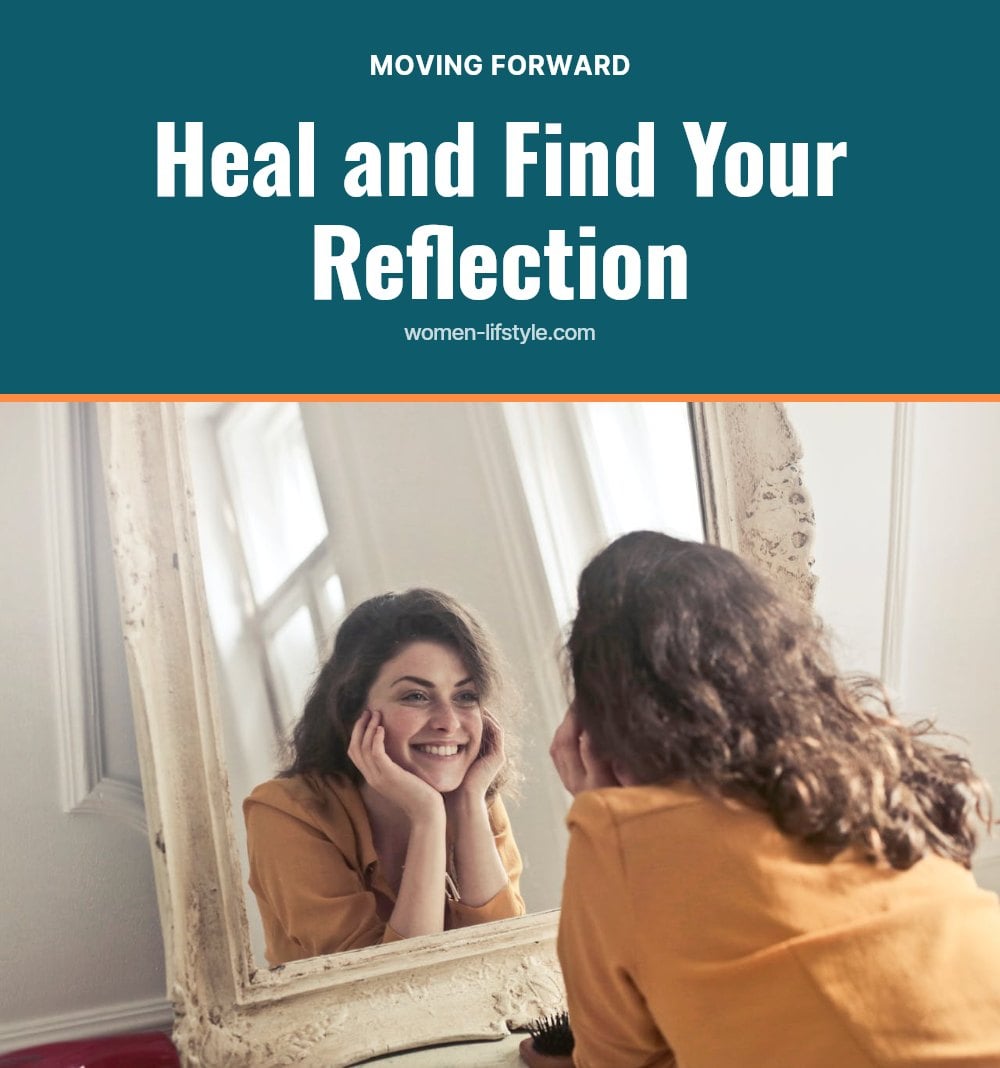
Healing takes time
Distancing yourself from a toxic person is a personal journey that often involves grief and guilt. Allow yourself to feel those emotions without judgment. Emotional recovery timelines vary greatly from person to person, so give yourself permission to heal at your own pace.
Recognizing your own role in past dynamics, such as people-pleasing tendencies or difficulty saying no, can be a crucial step. Understanding these patterns helps you avoid repeating them in future relationships and builds healthier connections going forward.
Frequently Asked Questions
Can toxic people change their behavior?
Change is possible, but it requires the person to recognize their behavior and genuinely want to improve. You cannot force or fix them. Your energy is better spent protecting your own well-being and setting limits on what you will tolerate.
Is it always necessary to completely cut off a toxic person?
No. The right approach depends on the severity of the behavior and your personal situation. For some, reducing contact or setting firm boundaries is enough. In other cases, especially if the relationship is emotionally or physically harmful, a clean break may be the healthiest option.
How do I deal with guilt after distancing myself?
Guilt is common, especially if the person is a family member or longtime friend. Remind yourself that protecting your mental health is not selfish. Talk to a therapist or a trusted friend about these feelings, and practice self-compassion as you navigate the process.
What if the toxic person is a family member?
Cutting ties with family can be especially challenging and may require professional guidance. You can still set boundaries, limit the time you spend together, and emotionally detach. A therapist experienced in family dynamics can help you create a plan that respects your safety and mental health.
How can I rebuild my self-esteem after a toxic relationship?
Start by acknowledging that the other person’s behavior reflects on them, not your worth. Rebuild through self-care, positive affirmations, and reconnecting with activities and people that uplift you. A therapist can also help address deeper self-esteem issues that may have developed over time.
Final Thoughts
One effective strategy is to start by naming one behavior that drains you and setting a small boundary around it. My tip: rehearse the boundary statement out loud before you use it, so you feel more confident. Healing takes time, and emotional recovery timelines vary greatly, so give yourself permission to move at your own pace. Protecting your peace is a valid and necessary choice.
This article is for informational purposes only and is not a substitute for professional mental health advice. If you are experiencing emotional distress, anxiety, depression, or feel unsafe in any relationship, please consult a licensed therapist or other qualified professional for personalized support.
