

Body odor can be a real confidence killer, but the right deodorant routine makes all the difference. I’ve found that understanding how deodorant actually works, and how it differs from antiperspirant, is the first step to staying fresh all day. This article covers the best tips for choosing, applying, and getting the most out of your deodorant, so you can feel comfortable and odor-free.

Key Takeaways
- Apply deodorant to clean, dry skin right after your shower for best results.
- Choose an antiperspirant if your main goal is to reduce sweat, not just odor.
- A thin, even layer is enough; over-applying can cause residue or irritation.
- Shave or trim underarm hair to help deodorant reach your skin directly.
- If you notice irritation, switch to a fragrance-free or sensitive-skin formula.
How to Use Deodorant for Lasting Freshness
Deodorants work by masking body odor with fragrance or using antimicrobial ingredients to reduce odor-causing bacteria on your skin. For lasting freshness, apply deodorant to clean, dry skin right after your shower. This helps the active ingredients adhere and work optimally. Choosing the right type for your body chemistry and applying it correctly can keep you fresh all day.
1. Apply to Clean, Dry Skin
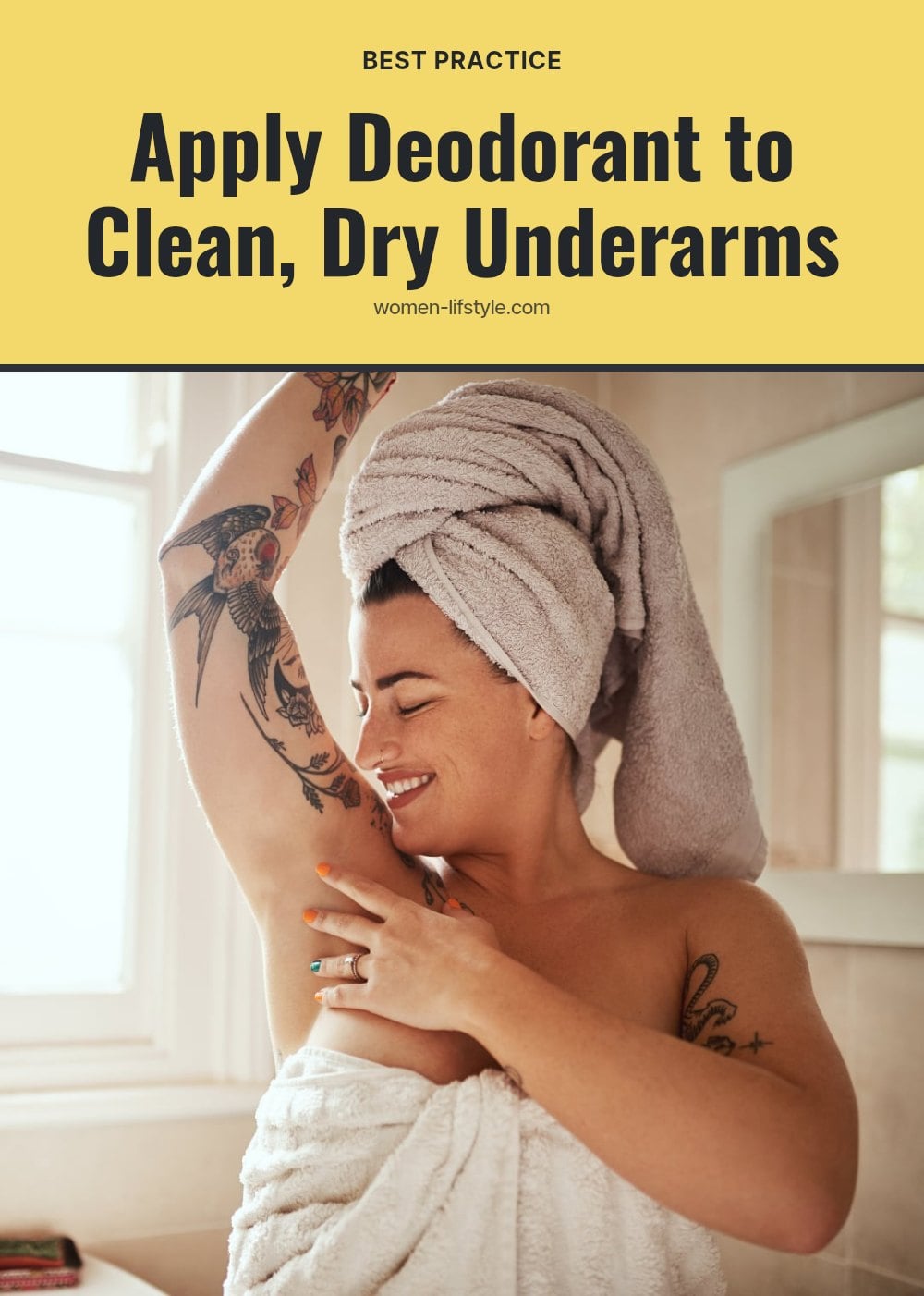
Always apply deodorant after showering or washing your underarms. Moisture can dilute the product and reduce its effectiveness, so ensure your skin is completely dry before application. Applying to clean, dry skin allows the active ingredients to adhere better and work optimally.
- Pat your underarms dry with a towel and wait a minute or two to be sure.
- If you’re in a rush, use a blow dryer on a cool setting to speed up drying.
2. Understand Deodorant vs. Antiperspirant
Deodorants primarily mask odor or kill bacteria, while antiperspirants contain aluminum compounds that temporarily block sweat ducts to reduce sweat. Sweat itself is odorless; it’s the interaction with skin bacteria that creates body odor. If sweat reduction is your main goal, choose an antiperspirant. If only odor is an issue, a deodorant is sufficient.
3. Consider Nighttime Application for Antiperspirants
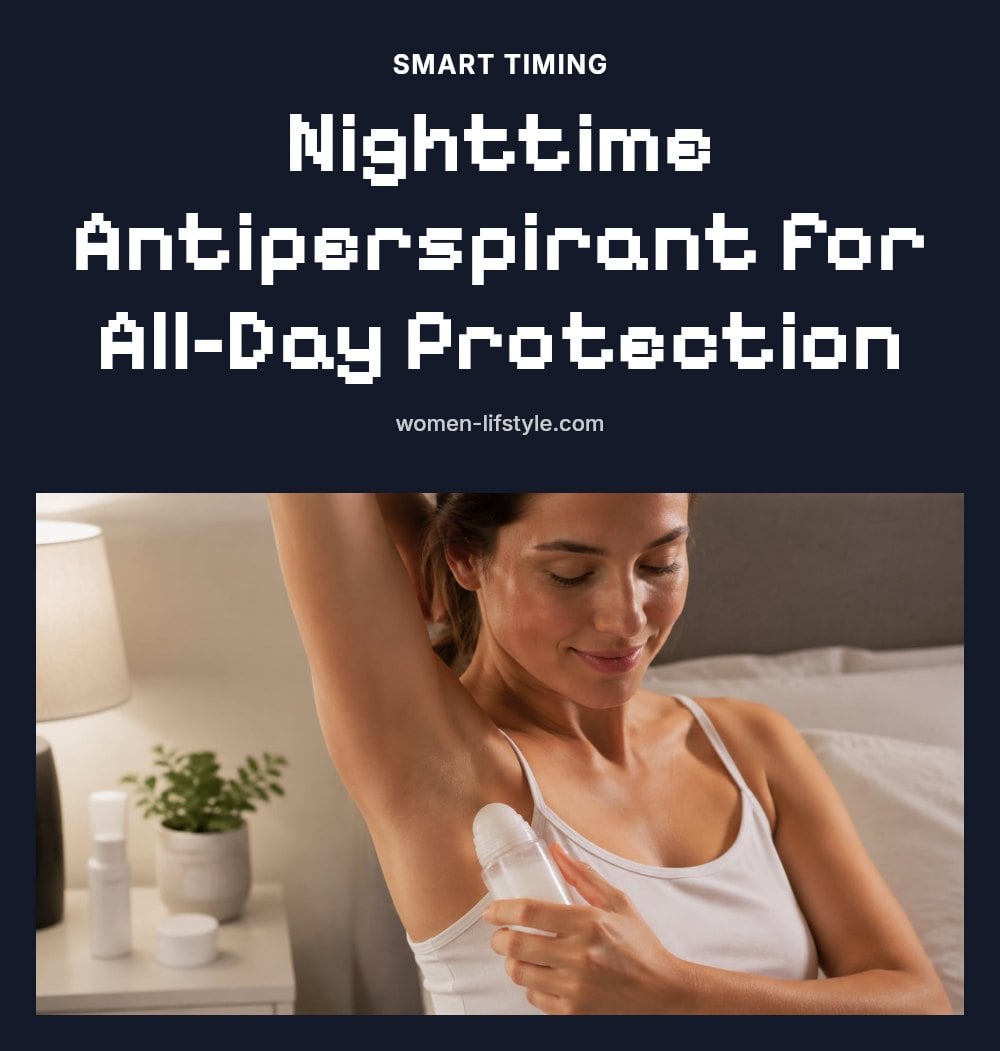
Applying antiperspirant at night can be more effective because sweat glands are less active while you sleep. This allows the aluminum compounds more time to form a protective block in the sweat ducts. My tip: Even if you shower in the morning, the antiperspirant should still be effective, so apply it before bed for the best results.
4. Choose the Right Formulation for You
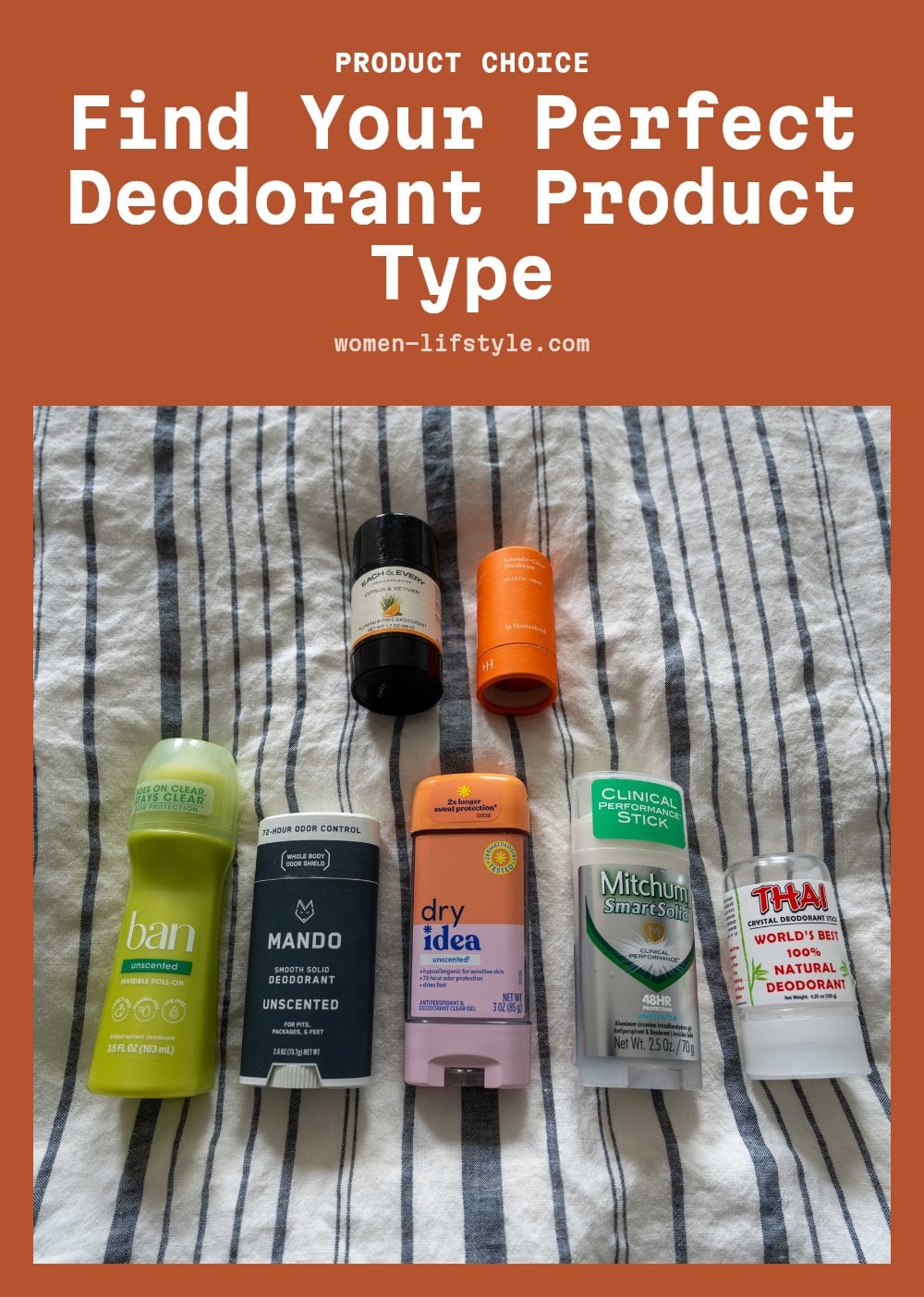
Deodorants come in solids, gels, sprays, and roll-ons, each with a different feel. Solids are generally good for heavy sweaters because they leave a thicker barrier. Gels dry clear and leave no white marks, which is helpful under dark tops. Sprays are quick and convenient for on-the-go use, while roll-ons deliver a smooth, even layer that dries fast.
Tip: Experiment with different types to find what feels most comfortable and effective for your body chemistry. What works for a friend may not work for you.
5. Don’t Over-Apply
A thin, even layer is usually sufficient for effective odor control. Applying too much product can lead to residue on clothes, skin irritation, or a sticky feeling.
My tip: One or two swipes with a stick or roll-on, or a quick spray, is typically all you need. More product doesn’t mean more protection.
6. Shave Underarms Regularly
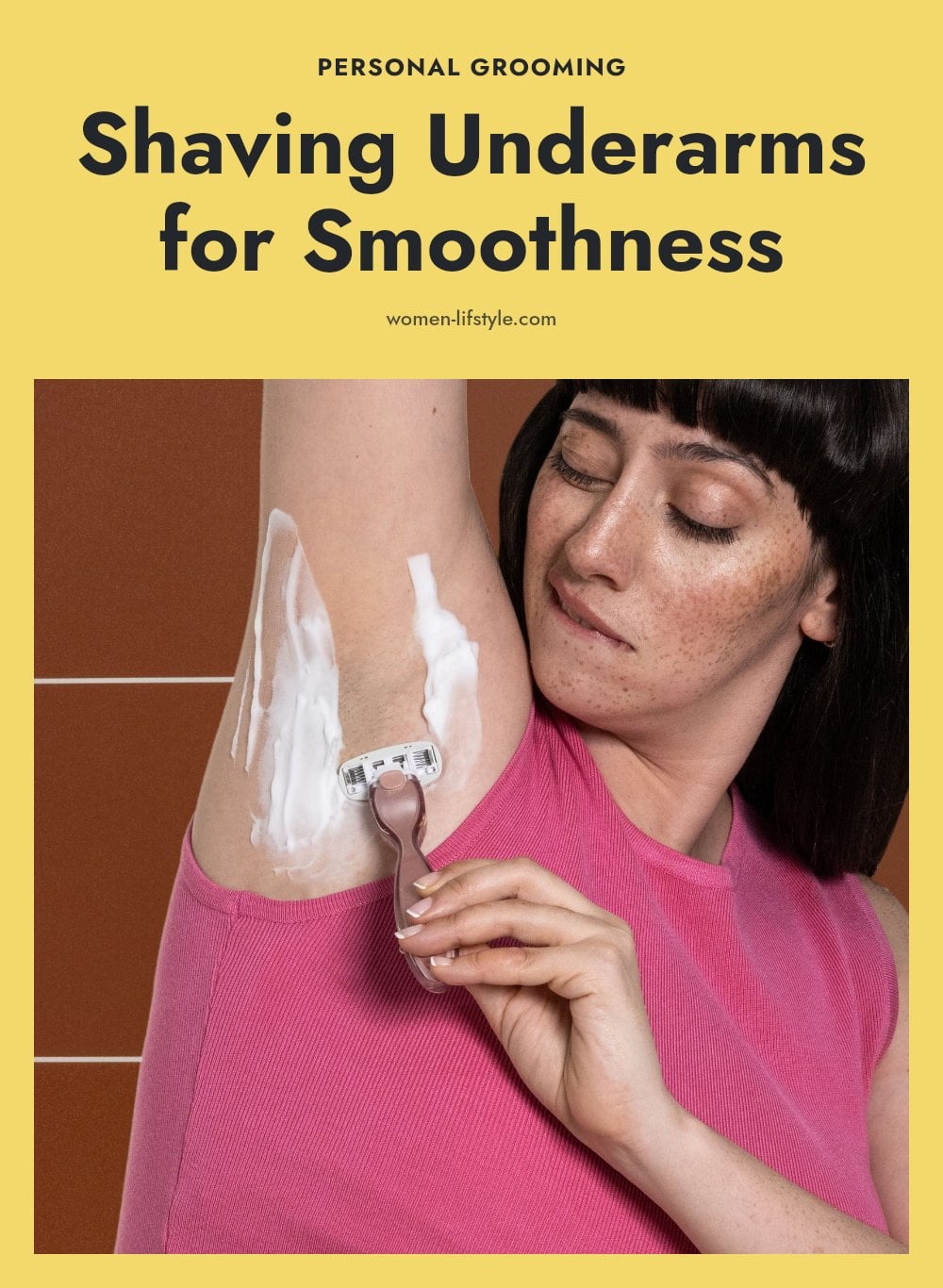
Hair can trap sweat and bacteria, contributing to body odor. Regularly shaving or trimming underarm hair helps deodorant work more effectively by allowing it direct contact with the skin.
This also makes it easier to keep the area clean and reduces bacterial growth. Good to know: If you prefer not to shave, trimming hair short can still improve product contact.
7. Watch for Skin Irritation
Some individuals may experience redness, itching, or burning from certain deodorant ingredients like fragrances or alcohol. If you notice persistent irritation, discontinue use and consider switching to a fragrance-free or sensitive skin formula.
Natural deodorants, while often gentle, can sometimes cause irritation due to ingredients like baking soda. Caution: Always patch test a new product on a small area of skin before full use.
8. Consider Natural Deodorant Options
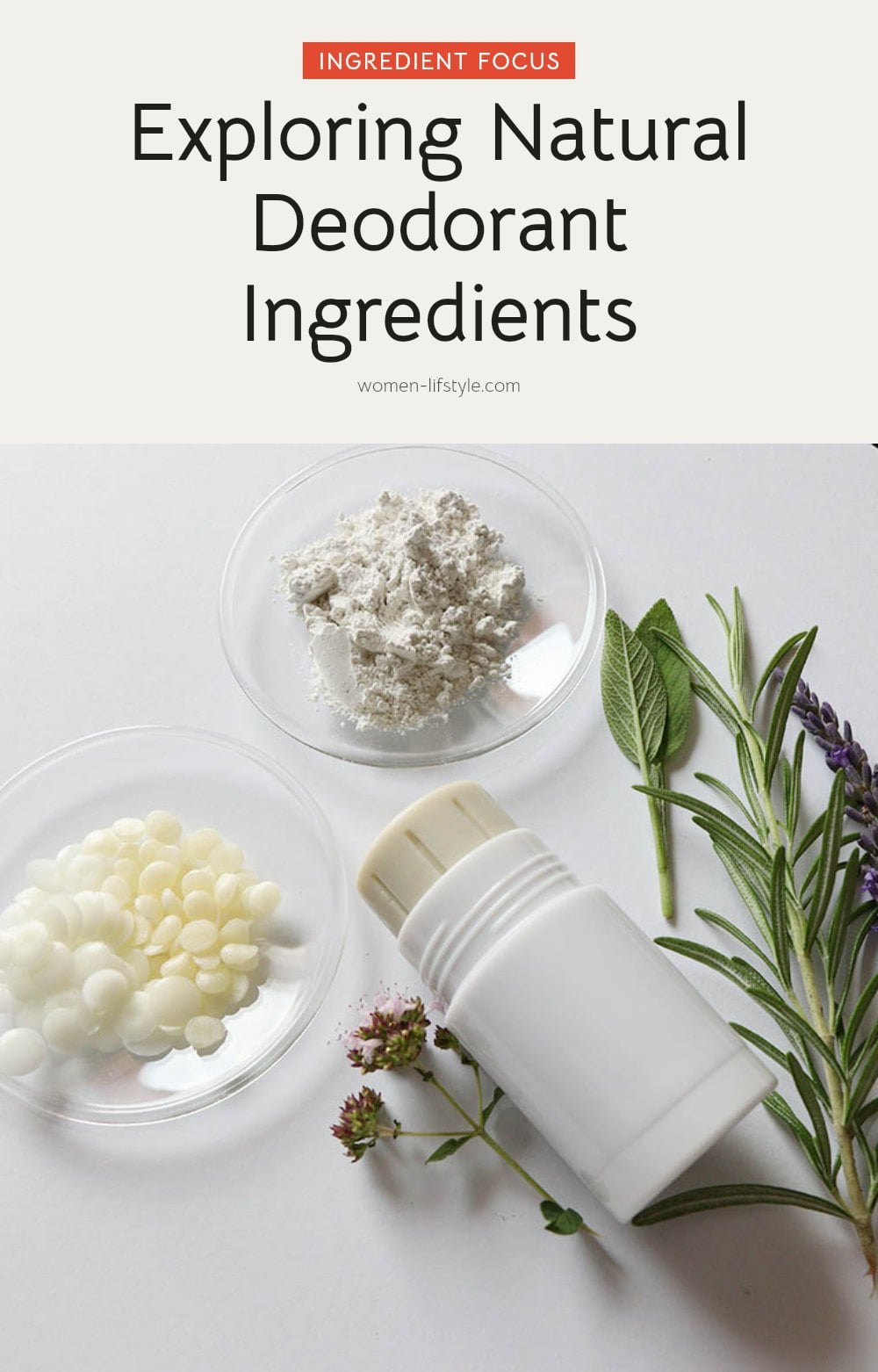
Natural deodorants use ingredients like baking soda, cornstarch, or essential oils to absorb moisture and neutralize odor. They do not contain aluminum, which is found in antiperspirants.
Tip: If you’re switching to natural, allow your body a ‘detox’ period as it adjusts to the new formula. During this time, you may notice increased odor or wetness as your skin adapts. Stick with it for a week or two before deciding if it works for you.
9. Rotate Your Deodorant
Some people find their body adapts to a particular deodorant over time, making it less effective. If you notice your usual product isn’t working as well, try switching to a different brand or formulation for a while.
Rotating between two or three options can help maintain effectiveness and prevent your body from developing a tolerance. Keep one stick for daily use and another for when you feel the first isn’t cutting it.
10. Store Deodorant Properly
Keep your deodorant in a cool, dry place to maintain its consistency and effectiveness. Extreme heat can cause some formulations to melt or become less stable, especially gels and solids.
A bathroom cabinet away from the shower works well. Avoid leaving it in a hot car or near a radiator. Proper storage ensures the product lasts longer and performs as intended.
11. Don’t Apply to Irritated Skin
Avoid applying deodorant to broken, cut, or freshly shaved skin if you’re prone to sensitivity. Ingredients like fragrances or alcohol can sting or irritate compromised skin, potentially leading to discomfort or further issues.
Good to know: Wait a few minutes after shaving to let your skin calm down before applying. If you already have irritation, skip deodorant until the skin heals completely.
Common Deodorant Mistakes to Avoid
Applying to sweaty skin: Deodorant needs a clean, dry surface to adhere and work effectively. Always apply after showering or cleaning your underarms.
Confusing deodorant with antiperspirant: Expecting a deodorant to stop sweating is a common misconception; only antiperspirants reduce sweat.
Not letting it dry: Dressing immediately after applying can lead to product transfer onto clothes, causing stains and reducing effectiveness.
Ignoring skin irritation: Continuing to use a product that causes discomfort can worsen skin issues. Listen to your body and switch if needed.
Frequently Asked Questions
How often should I reapply deodorant?
Most deodorants provide odor control for the full day, but you may need to reapply after intense exercise or on particularly hot days. If you’re reapplying, make sure your skin is clean and dry first. For antiperspirants, a single nighttime application is often enough for 24-hour sweat reduction.
Can I use deodorant on other parts of my body?
Yes, you can use deodorant on other areas prone to odor, such as your feet or the backs of your knees, as long as the skin is clean and not irritated. Stick or roll-on formulas work best for targeted application. Avoid using it on broken or freshly shaved skin anywhere on your body.
Why does my deodorant stop working?
Your body chemistry can change over time, making a once-effective deodorant less powerful. Hormonal shifts, diet, or stress can also affect your natural scent. If your deodorant seems to stop working, try rotating to a different brand or formulation for a few weeks before switching back.
Is natural deodorant as effective as traditional deodorant?
Natural deodorants can be effective for many people, but they work differently. They use ingredients like baking soda or cornstarch to absorb moisture and neutralize odor, rather than blocking sweat. Effectiveness varies by individual, and some people need a detox period of a few weeks when switching from traditional formulas.
What’s the best way to remove deodorant stains from clothes?
For fresh stains, rub a small amount of liquid laundry detergent directly into the stain and let it sit for 15 minutes before washing in warm water. For set-in stains, make a paste of baking soda and water, apply it to the stain, and let it sit for 30 minutes before washing. Avoid using hot water on protein-based stains like sweat.
Final Thoughts
My recommendation is to start with a solid stick if you’re a heavy sweater, or a gel if you hate white marks on clothes. Realistically, you may need to reapply once during the day if you’re very active or in hot weather. The key is to stick with a clean, dry application routine and be willing to switch products if your body chemistry changes. With a little trial and error, you’ll find your perfect match.
This article is for general informational purposes only and does not constitute medical or dermatological advice. If you experience persistent skin irritation, rash, or other concerns, please consult a healthcare professional or dermatologist for personalized guidance.
