

If your front-load washer is starting to smell musty or your clothes aren’t coming out as fresh as they used to, it’s probably time for a deep clean. The rubber gasket and detergent dispenser are prime spots for mold and residue buildup, which can affect performance and leave odors behind. This article walks you through a simple, effective cleaning routine using common household items like white vinegar and baking soda, plus daily habits to keep your machine fresh.
Key Takeaways
- Deep clean monthly for hard water or daily use, every 2-3 months for lighter use.
- Wipe the rubber gasket after every wash to prevent mold and mildew.
- Remove and clean the detergent dispenser drawer regularly to avoid residue buildup.
- Leave the door and dispenser ajar after each cycle to let air circulate.
- Always use HE detergent to prevent excess suds and residue in your front-loader.
Why Your Front-Load Washer Needs Regular Deep Cleaning
Front-load washers are more prone to mold and mildew than top-loaders because the rubber gasket around the door traps moisture after every cycle. That damp, dark space becomes a breeding ground, and detergent residue in the dispenser and drum adds to the problem. Over time, you’ll notice musty odors and clothes that don’t come out as fresh. Regular deep cleaning breaks down that buildup, keeps your machine running efficiently, and extends its lifespan. The payoff is simple: cleaner laundry and a longer-lasting appliance.
Essential Supplies for a Sparkling Clean Washer

You don’t need a cabinet full of chemicals. Most of what works is already in your pantry. Here’s what to gather:
- White vinegar: A natural disinfectant and deodorizer that cuts through residue.
- Baking soda: Absorbs odors and acts as a mild abrasive for scrubbing.
- Microfiber cloths or old towels: For wiping down surfaces without scratching.
- Small brush (like an old toothbrush): For reaching tight spots in the gasket and dispenser.
- Spray bottle: To mix and apply a vinegar-water solution.
- Warm water: For rinsing and diluting cleaners.
- Specialized washing machine cleaner (optional): For an extra boost on stubborn buildup.
Step-by-Step: Deep Cleaning Your Front-Load Washing Machine
Set aside about an hour and follow these steps to get your front-loader truly clean.
- Clear the washer: Remove any laundry or items from the drum. Check pockets for stray objects that could get caught in the drain.
- Remove and clean the dispenser drawer: Pull the drawer out if your model allows it. Rinse it under warm water and scrub with a toothbrush, paying attention to the compartments where detergent and softener sit. Wipe the opening inside the machine too.
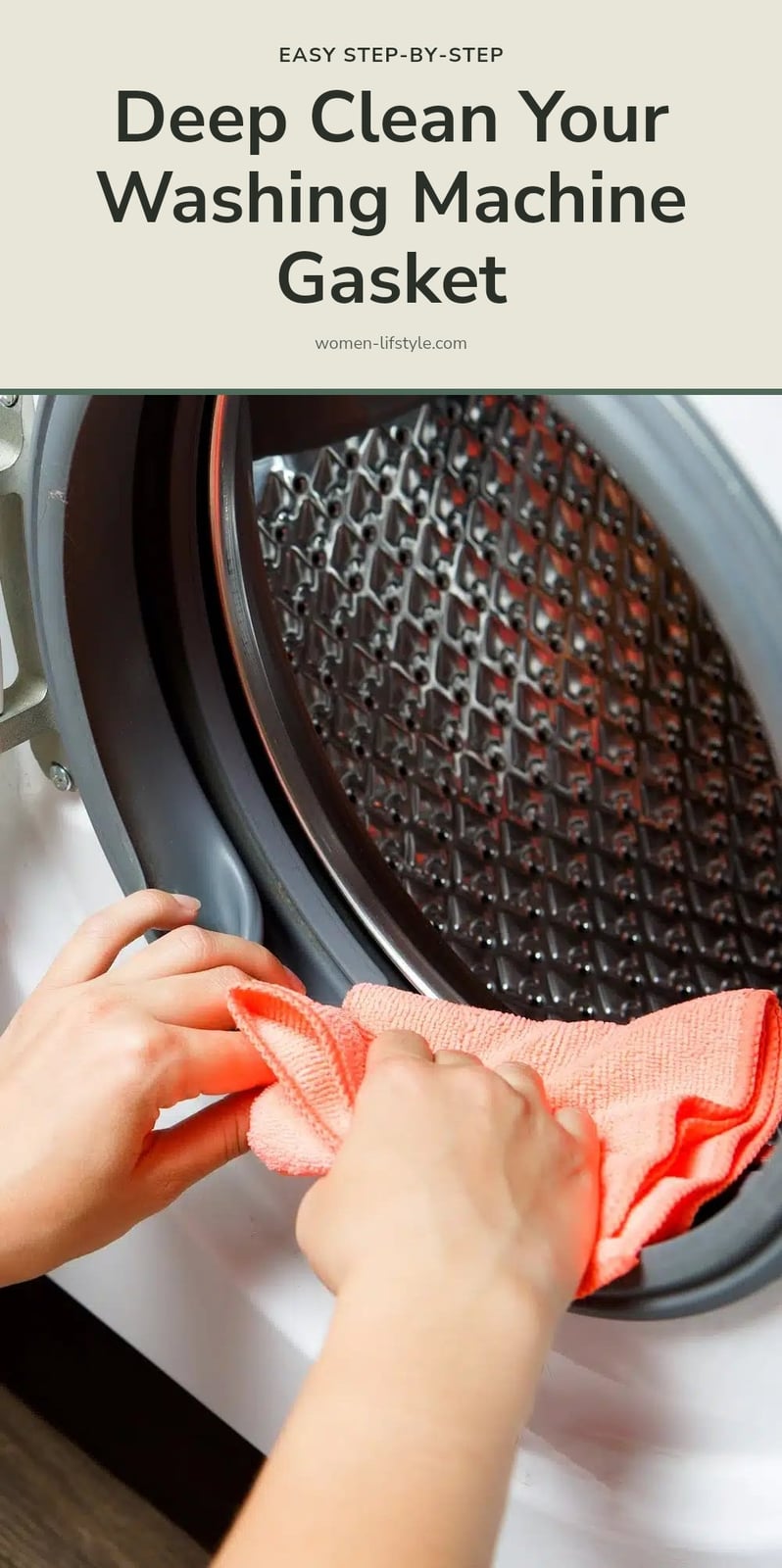
- Scrub the rubber gasket: Pull back the gasket to expose all its folds. Spray with a 50/50 vinegar and water solution, then scrub with a toothbrush to lift mold and residue. Wipe dry with a microfiber cloth.
- Run a cleaning cycle: Pour 2 cups of white vinegar directly into the drum, or use a specialized cleaner as directed. Select the ‘clean cycle’ or ‘tub clean’ setting if your machine has one; otherwise, run the hottest and longest cycle with an empty drum. This flushes out internal buildup.
- Wipe down after the cycle: Once the cycle finishes, use a dry microfiber cloth to wipe the drum, the inside of the door, and the gasket. Clean the exterior with a damp cloth and dry it to prevent streaks.
Common Cleaning Mistakes to Avoid
Even with the best intentions, a few common mistakes can undo your cleaning efforts. Avoid these:
- Forgetting the rubber gasket: This is the prime spot for mold and mildew. If you skip it, you’ll keep chasing odors.
- Overlooking the detergent dispenser: Residue accumulates there and becomes a hidden source of smell. Clean it regularly.
- Using too much detergent: Excessive suds leave residue on clothes and inside the drum, which leads to odor and reduced efficiency.
- Not leaving the door open: A closed door traps moisture and encourages mildew. Crack it open after every wash.
- Using non-HE detergent: In a high-efficiency washer, it creates too many suds and leaves buildup. Stick to HE formulas.
Keep Your Washer Fresh: Daily Habits and Maintenance
Wipe down the rubber gasket with a dry microfiber cloth after every wash. This removes trapped moisture that leads to mold. Leave the washer door and detergent drawer slightly ajar so air can circulate inside the drum. Always use high-efficiency (HE) detergent. Non-HE detergents create excessive suds that leave residue and cause odors. Avoid overloading the machine. Overloading prevents proper rinsing, so detergent and dirt stay trapped in fabrics and on drum surfaces. Check and clean the drain pump filter every few months. Your machine’s manual shows you where it is and how to remove it.
How Often to Clean and What to Expect
Deep clean your washer once a month if you have hard water or use it daily. Every two to three months is fine for lighter use. Routine maintenance takes seconds: wipe the gasket and leave the door ajar after each cycle. The cost is minimal. White vinegar and baking soda cost a few dollars, and a specialized cleaner is optional. A full deep clean takes 1 to 2 hours, including the cleaning cycle. Daily wipes take less than a minute.
Understanding Your Washer’s ‘Clean Cycle’ Feature
Many front-load washers have a dedicated ‘clean cycle’ or ‘tub clean’ setting. This cycle uses hotter water and a different agitation pattern to flush out residue and sanitize the drum. It helps, but it does not reach the rubber gasket or the detergent dispenser. Those areas need manual scrubbing. My tip: Check your machine’s manual for how to run the clean cycle properly. Some models require a special tablet or a specific amount of bleach or vinegar.
Pro Tips for a Consistently Clean Washing Machine
Keep a spray bottle with a 50/50 mix of white vinegar and water near the washer. A quick spritz on the gasket after each load makes wiping easy. If your water is hard, run cleaning cycles more often to prevent mineral deposits. Every few months, run an empty hot water cycle with one cup of white vinegar to flush internal buildup. Caution: Never mix bleach and vinegar. The combination produces dangerous chlorine gas. Use one or the other, or follow a specialized cleaner’s instructions. For stubborn mold spots on the gasket, apply a paste of baking soda and water. Let it sit for 5 minutes, then scrub with a toothbrush.
Frequently Asked Questions
Can I use bleach to clean my washing machine?
Yes, but never mix bleach with vinegar, as the combination creates toxic chlorine gas. If you choose bleach, run an empty cycle with just bleach and no other cleaners, and follow your machine’s manual for any specific recommendations. Bleach can be effective, but vinegar and baking soda are safer and more natural options.
What causes a front-load washing machine to smell bad?
Odors usually come from mold and mildew growing in the rubber gasket and detergent residue left in the drum or dispenser. Trapped moisture after each cycle creates a perfect environment for bacteria. Using too much detergent or non-HE detergent can also contribute to buildup and smells.
Is it okay to use regular detergent in an HE washing machine?
No, you should always use high-efficiency (HE) detergent in a front-load washer. Regular detergent creates too many suds, which can lead to poor rinsing and residue buildup inside the drum and hoses. Over time, this can cause odors and reduce cleaning performance.
How often should I deep clean my front-load washing machine?
Deep clean once a month if you have hard water or use the washer daily, and every two to three months for lighter use. Routine maintenance like wiping the gasket and leaving the door ajar should happen after every load. Adjust the frequency based on how often you run cycles and your water hardness.
Final Thoughts
Make it a habit to wipe the gasket and leave the door ajar after every load, and schedule a deeper clean once a month or every few months depending on how often you use the machine. You’ll notice fresher laundry and fewer odor issues, and your washer will run more efficiently for years. Stick with HE detergent and don’t skip the dispenser drawer, and you’re set.
This article is for general informational purposes only and is not a substitute for professional advice. Always consult your washing machine’s manual or a qualified technician for specific maintenance or repair issues. If you have persistent odor or performance problems, contact a professional for assistance.
