

You already know you need to take better care of yourself, but between work, family, and everything else, it feels like one more thing on your to-do list. A self-care lifestyle isn’t about adding another chore or booking expensive spa days. It’s about weaving small, consistent habits into your daily routine that support your physical, mental, and emotional health so you can feel more balanced and resilient. This article will walk you through the core habits that make up a sustainable self-care lifestyle and how to start building them today.
Key Takeaways
- Self-care is a daily, preventative practice, not just a reaction to stress.
- Prioritize 7-9 hours of sleep, balanced nutrition, and joyful movement as foundational habits.
- Set healthy boundaries and say ‘no’ to protect your emotional and mental energy.
- Schedule self-care activities as non-negotiable appointments to ensure consistency.
- Start with one or two small habits and gradually build from there to avoid overwhelm.
What is a Self-Care Lifestyle?
A self-care lifestyle means consistently integrating practices into your daily routine that support your physical, mental, and emotional health. It’s about recognizing your needs and proactively addressing them to prevent burnout and promote overall well-being, not just occasional pampering. This approach helps build resilience, manage stress effectively, and live a more balanced and fulfilling life.
1. Prioritize Quality Sleep

Aim for 7-9 hours of sleep each night to support cognitive function, mood regulation, and physical repair. Establish a consistent bedtime routine, even on weekends, to signal to your body that it’s time to wind down.
My tip: Create a ‘sleep sanctuary’, a dark, quiet, and cool bedroom free from screens. This environment makes it easier to fall asleep and stay asleep through the night.
2. Nourish Your Body Mindfully

Focus on a balanced diet with whole foods to support physical health, mental clarity, and mood. Practice mindful eating: pay attention to your body’s hunger and fullness cues, and savor each bite.
My tip: Don’t just eat; experience your food. Notice the flavors, textures, and how it makes you feel. This simple shift can help you enjoy your meals more and tune into what your body really needs.
3. Move Your Body Joyfully

Engage in regular physical activity that you genuinely enjoy, even short bursts, to improve mood and energy levels. This isn’t about punishing your body; it’s about finding movement that feels good and energizes you.
What works best is finding something you look forward to, dancing, walking, yoga, anything. When you enjoy the activity, you’re far more likely to stick with it consistently.
- Start small: A 10-minute walk or a few stretches can already lift your mood.
- Mix it up: Rotate activities to keep things fresh and avoid boredom.
- Listen to your body: Choose movements that feel good, not ones that strain you.
4. Practice Mindfulness Daily
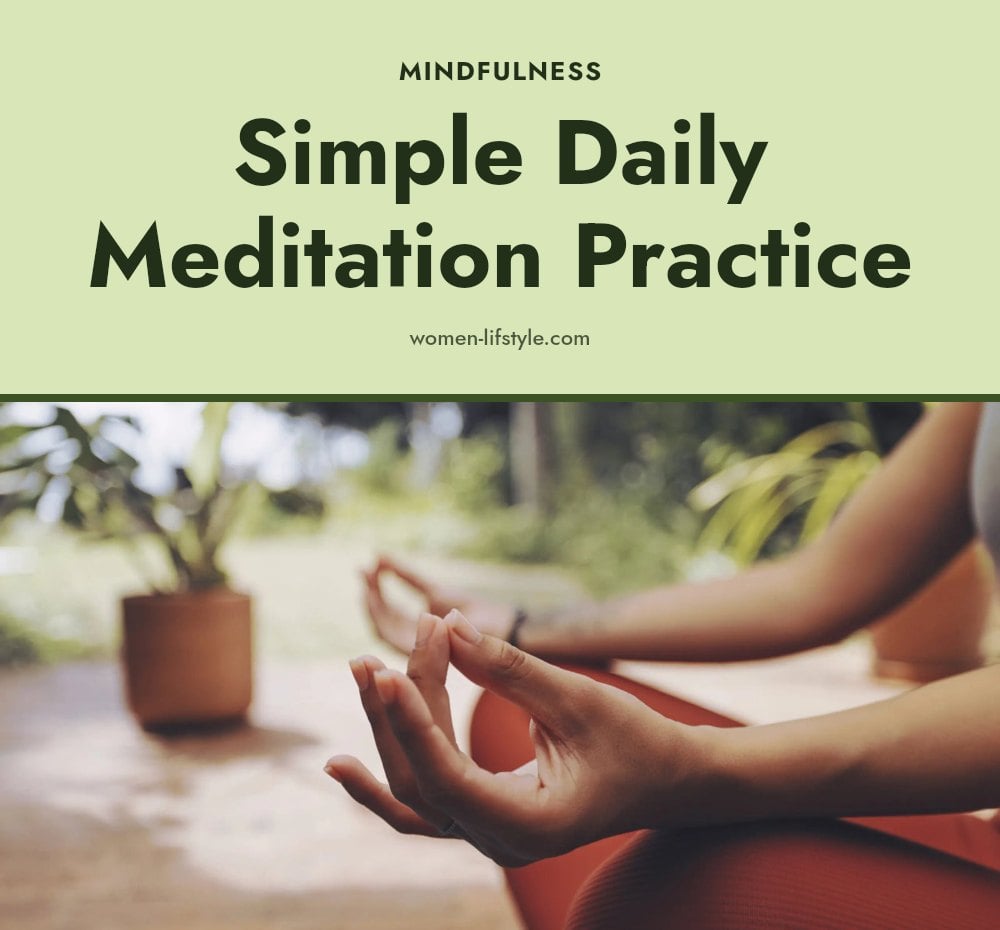
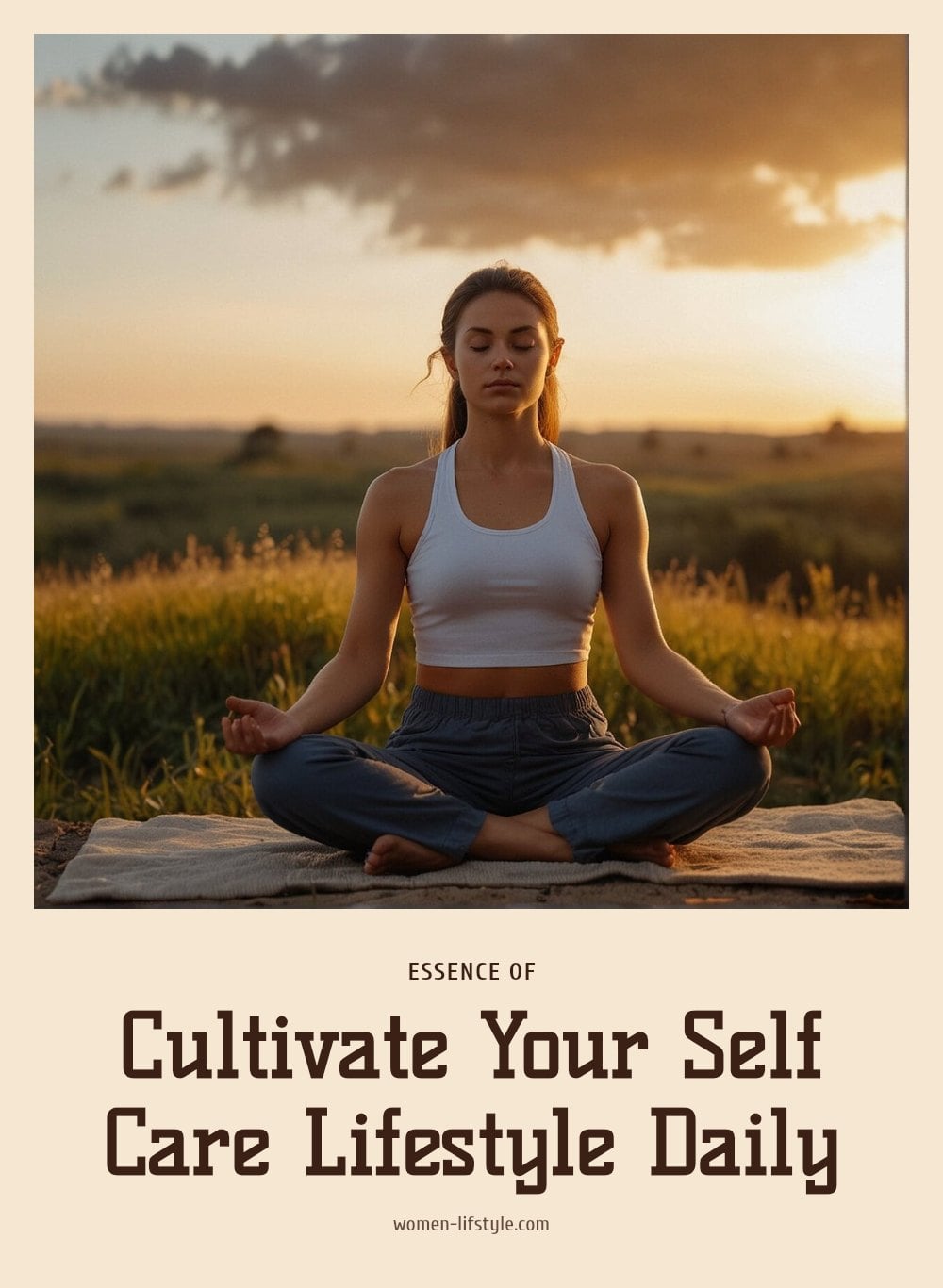
Incorporate mindfulness practices like meditation or deep breathing into your day to reduce stress and sharpen focus. Even a few minutes in the morning or during a lunch break can help you manage daily stressors more effectively. Tip: Try a free meditation app or a guided session online. They make starting simple and keep you consistent.
5. Set Healthy Boundaries
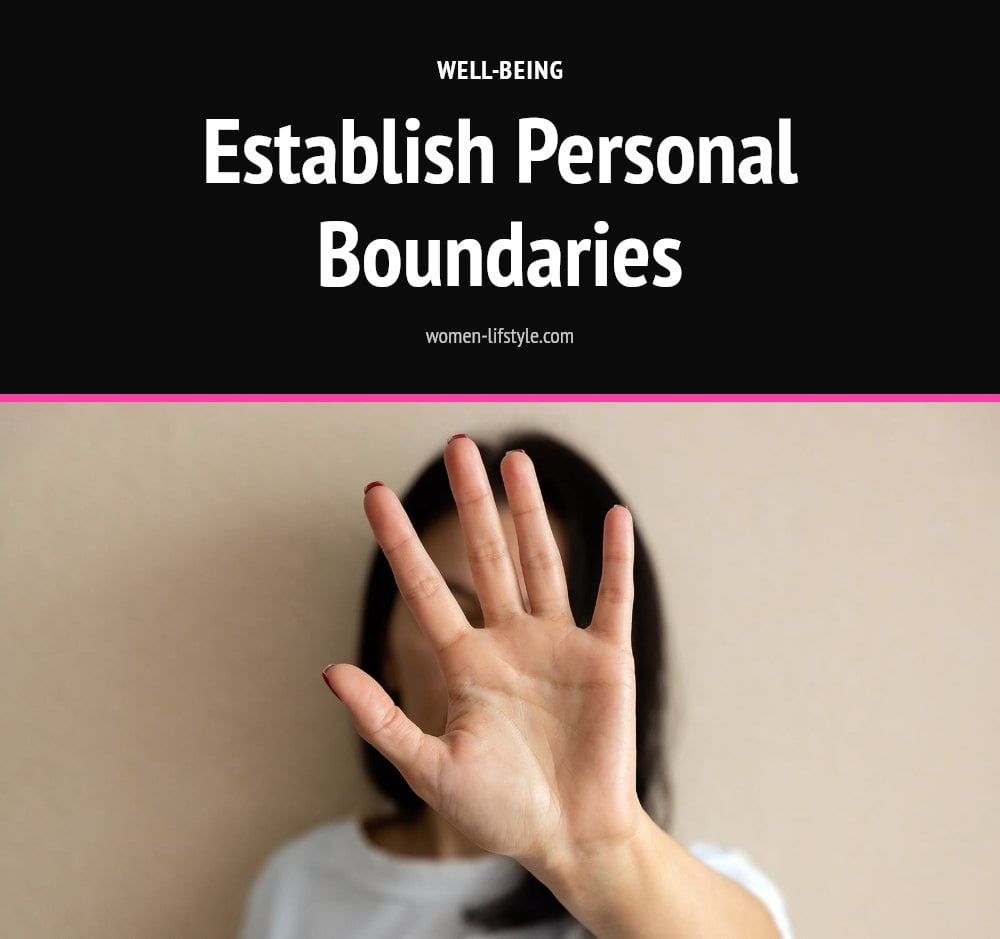
Establish clear boundaries in relationships and at work to protect your emotional and mental energy. Learning to say ‘no’ to commitments that overextend you is a vital part of self-care. It’s not selfish, it’s essential. Without boundaries, you risk burnout and lose the capacity to show up for others and yourself.
6. Connect with Nature

Spend time outdoors regularly to lower stress hormones and boost your overall well-being. A walk in the park, a hike, or even sitting in your backyard for ten minutes counts. Good to know: If you can’t get outside often, bring plants into your home. Their calming presence can offer a similar benefit.
7. Engage in Creative Hobbies
Dedicate time to a creative hobby that gives you a sense of accomplishment and joy, painting, writing, gardening, or learning a new skill. Engaging your mind in something you love shifts focus away from stress and boosts mental well-being. It doesn’t have to be perfect; the process itself is the reward.
8. Foster Social Connections
Prioritize regular social connection with supportive friends and family to combat feelings of loneliness and isolation. Even brief interactions, like a 10-minute phone call or a quick coffee catch-up, can significantly boost your mood and sense of belonging.
- Schedule regular catch-ups, whether in person or virtually, to maintain these vital bonds. Consistency matters more than duration.
- Pro move: Set a recurring monthly or weekly date with a close friend and treat it like any other appointment you wouldn’t cancel.
9. Practice Gratitude
Cultivate a gratitude practice to shift your perspective and improve overall happiness. It doesn’t have to be elaborate. Simply note three things you’re grateful for each day, either in a journal or just mentally as you brush your teeth.
I’ve found that actively looking for the good, even on tough days, truly changes my outlook. It trains my brain to notice the positive moments I’d otherwise overlook.
10. Journal for Self-Awareness
Use journaling as a tool for processing emotions, gaining self-awareness, and reflecting on your experiences. There’s no right or wrong way to journal; simply write down your thoughts and feelings without judgment.
It’s a safe space to explore what’s truly going on inside your head and heart. A few minutes of stream-of-consciousness writing can untangle a knot of stress or reveal a pattern you hadn’t noticed.
11. Schedule Your Self-Care
Treat self-care activities as non-negotiable appointments by scheduling them into your calendar. This ensures your well-being doesn’t get pushed aside by work, family, or other demands.
Quick tip: Start small. Block off 15-30 minutes for yourself two or three times a week. A short walk, a bath, or reading a chapter of a book counts. Consistency beats long, infrequent sessions.
Common Self-Care Misconceptions
Thinking it’s a luxury: Self-care is essential for overall health, not an indulgence. It’s about prevention, not just a reaction to stress. Waiting until burnout: Self-care is most effective as a consistent, preventative practice, not a last resort. Comparing to others: Your self-care routine should be unique to your needs; what works for one person may not work for you. Confusing numbing with care: Excessive screen time or overeating might offer temporary distraction but aren’t genuine self-care. Neglecting practical self-care: Managing finances, organizing your space, or handling appointments are also crucial forms of self-care.
Frequently Asked Questions
What is the difference between self-care and self-indulgence?
Self-care is about intentionally supporting your overall health and well-being, like getting enough sleep, eating nourishing foods, or setting boundaries. Self-indulgence is often about immediate pleasure without regard for long-term effects, such as excessive screen time or overeating. Genuine self-care leaves you feeling restored and capable, while indulgence can sometimes lead to guilt or depletion.
How do I start a self-care routine if I’m overwhelmed?
Start very small. Pick just one habit, like drinking a glass of water in the morning or taking three deep breaths before a meal. Schedule it as a non-negotiable 5-minute block in your calendar. Once that feels manageable, add one more small practice. If you feel stuck or overwhelmed, consider speaking with a therapist or counselor for personalized guidance.
Can self-care really help with burnout?
Yes, consistent self-care practices can help prevent and manage burnout by building resilience and reducing stress. However, if you are already experiencing persistent feelings of exhaustion, sadness, or anxiety that interfere with daily life, self-care alone may not be enough. In that case, it’s important to consult a healthcare professional or mental health expert for proper support.
How often should I practice self-care?
Self-care is most effective as a daily practice, even if it’s just for a few minutes. The goal is consistency, not intensity. You might spend 15 minutes journaling, take a short walk, or practice mindful breathing each day. The key is to make it a regular part of your routine, not something you only do when you’re already stressed.
What if I don’t have time for self-care?
Start with micro-habits that take less than five minutes, such as deep breathing, stretching, or writing down one thing you’re grateful for. You can also combine self-care with existing activities, like listening to a guided meditation during your commute or practicing mindful eating during lunch. Remember, even brief moments of intentional care can make a difference over time.
Final Thoughts
Building a self-care lifestyle is a personal journey, and there’s no perfect routine. Start with one habit that resonates most with you, whether it’s getting 7-9 hours of sleep, taking a short walk, or setting a firm boundary. Be patient with yourself; noticeable improvements in well-being and resilience come from consistent effort over weeks and months, not overnight. Remember, taking care of yourself isn’t selfish, it’s essential for living a healthier, happier life.
This article provides general information about self-care and wellness practices and is not a substitute for professional medical or mental health advice. If you are experiencing persistent feelings of sadness, anxiety, or burnout that interfere with your daily life, please consult a healthcare provider or mental health professional for personalized support.
