

If stress has you feeling wired and tired, you might wonder if your grocery list can help. While there is no magic food that instantly lowers cortisol, the right nutrients can support your body’s natural stress response. This article covers the best foods to include in your diet for a calmer, more balanced you.
Think of these foods as tools, not cures. A balanced, whole-foods approach combined with good sleep and exercise is your real strategy for managing stress.

Key Takeaways
- Focus on a balanced diet rich in whole foods, not a single ‘superfood’ fix.
- Include omega-3s from fatty fish, magnesium from leafy greens, and B vitamins from eggs and legumes.
- Add probiotic-rich fermented foods like yogurt and sauerkraut to support your gut-brain connection.
- Choose complex carbohydrates like oats and brown rice to stabilize blood sugar and avoid crashes.
- Stay well-hydrated; even mild dehydration can increase feelings of stress and fatigue.
What Are Cortisol-Reducing Foods?
Cortisol-reducing foods aren’t a quick fix, but they are nutrient-dense options that support your body’s ability to manage stress. They include foods rich in omega-3s, magnesium, B vitamins, antioxidants, and probiotics, which all contribute to overall well-being and a balanced stress response. For the best results, combine these foods with other healthy lifestyle habits like good sleep and regular exercise.
1. Omega-3 Rich Fatty Fish
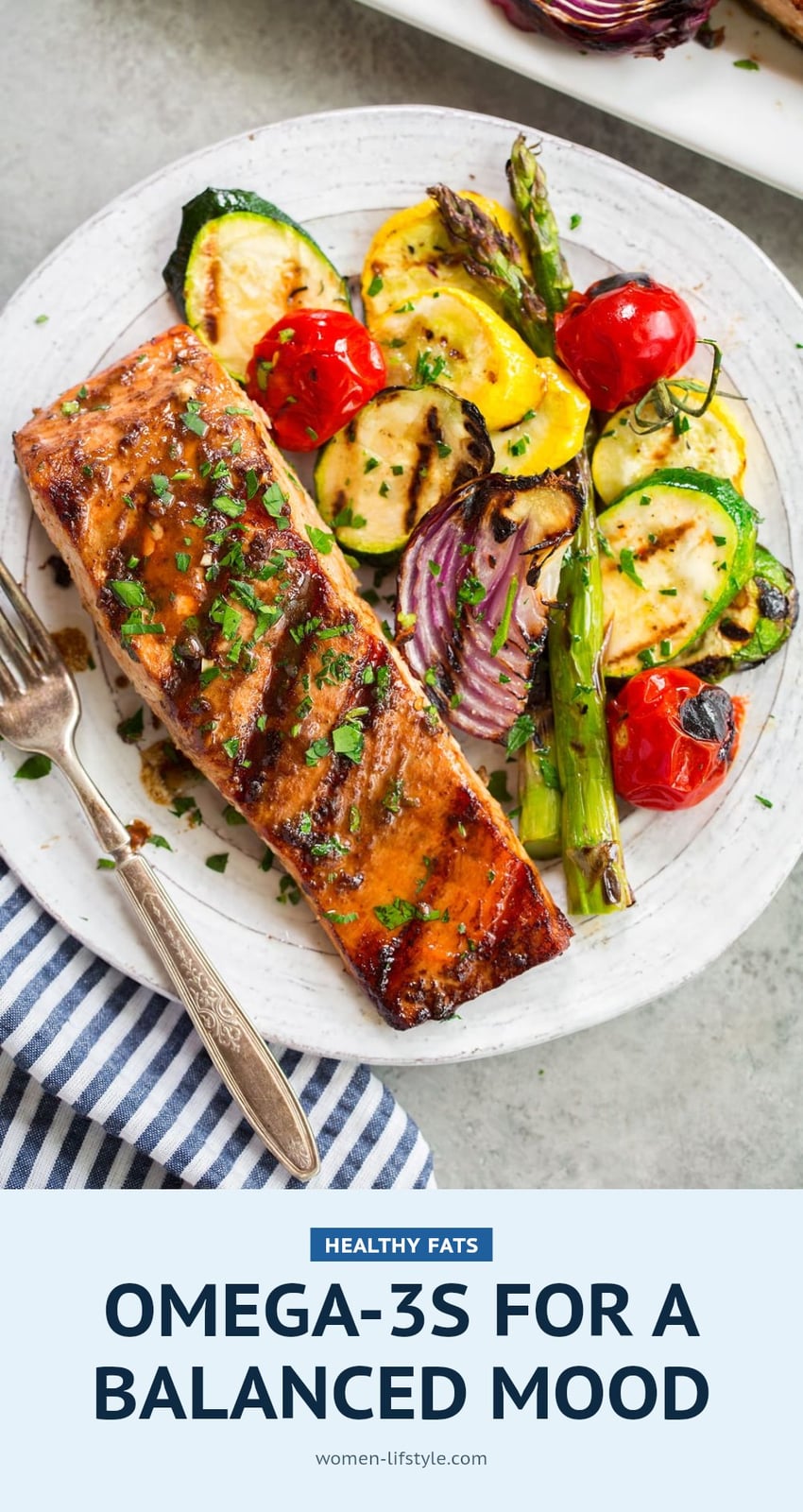
Fatty fish like salmon, mackerel, and sardines are packed with omega-3 fatty acids, known for their anti-inflammatory properties. These healthy fats support brain health and may indirectly help regulate your body’s stress response, including cortisol levels.
My tip: Aim for two servings a week to get a good dose of these beneficial fats. Try grilling salmon or adding sardines to a salad for an easy meal.
2. Magnesium-Rich Leafy Greens
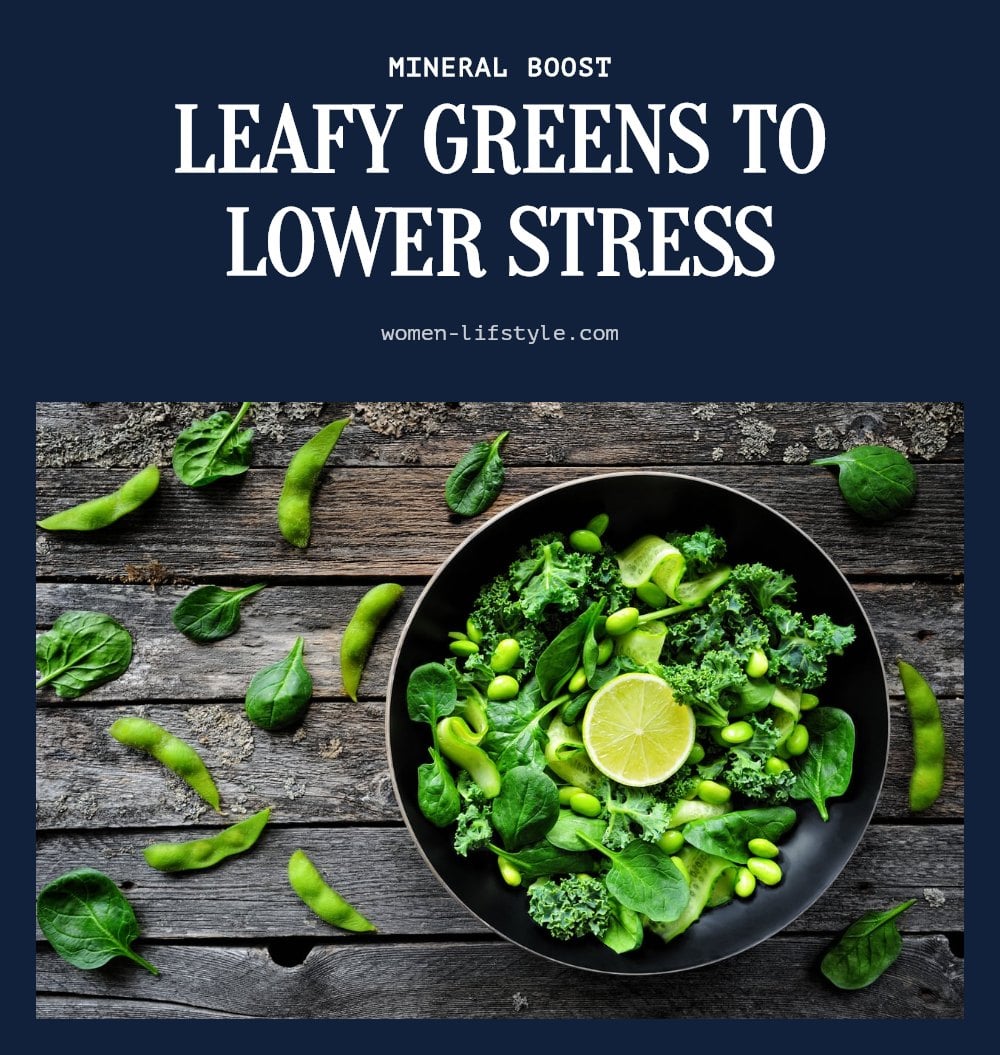
Dark leafy greens such as spinach and kale are excellent sources of magnesium, a mineral crucial for nerve and muscle function. Magnesium can help promote relaxation and may play a role in calming the nervous system, which is beneficial when dealing with stress.
I love adding a handful to my morning smoothie or dinner salad for an easy boost. You can also sauté spinach with garlic for a quick side dish.
3. B Vitamin Powerhouses
B vitamins, especially B6, folate (B9), and B12, are essential for making neurotransmitters like serotonin and dopamine, which help regulate mood and energy. Good sources include eggs, lean meats, legumes, and dark leafy greens, the same greens that also provide magnesium for relaxation.
Tip: Add spinach or kale to your morning smoothie or omelet. Pair lentils with a side of greens for a double dose of stress-supporting nutrients.
4. Probiotic-Rich Fermented Foods

The connection between your gut and your brain is real, and it plays a bigger role in stress than you might think. Adding probiotic-rich foods like yogurt, kefir, sauerkraut, and kimchi supports a healthy gut microbiome, which can influence mood and stress regulation. Tip: Aim for one serving of fermented food daily. A happy gut often means a calmer mind, and that directly helps with managing cortisol levels.
5. Antioxidant-Packed Fruits and Vegetables
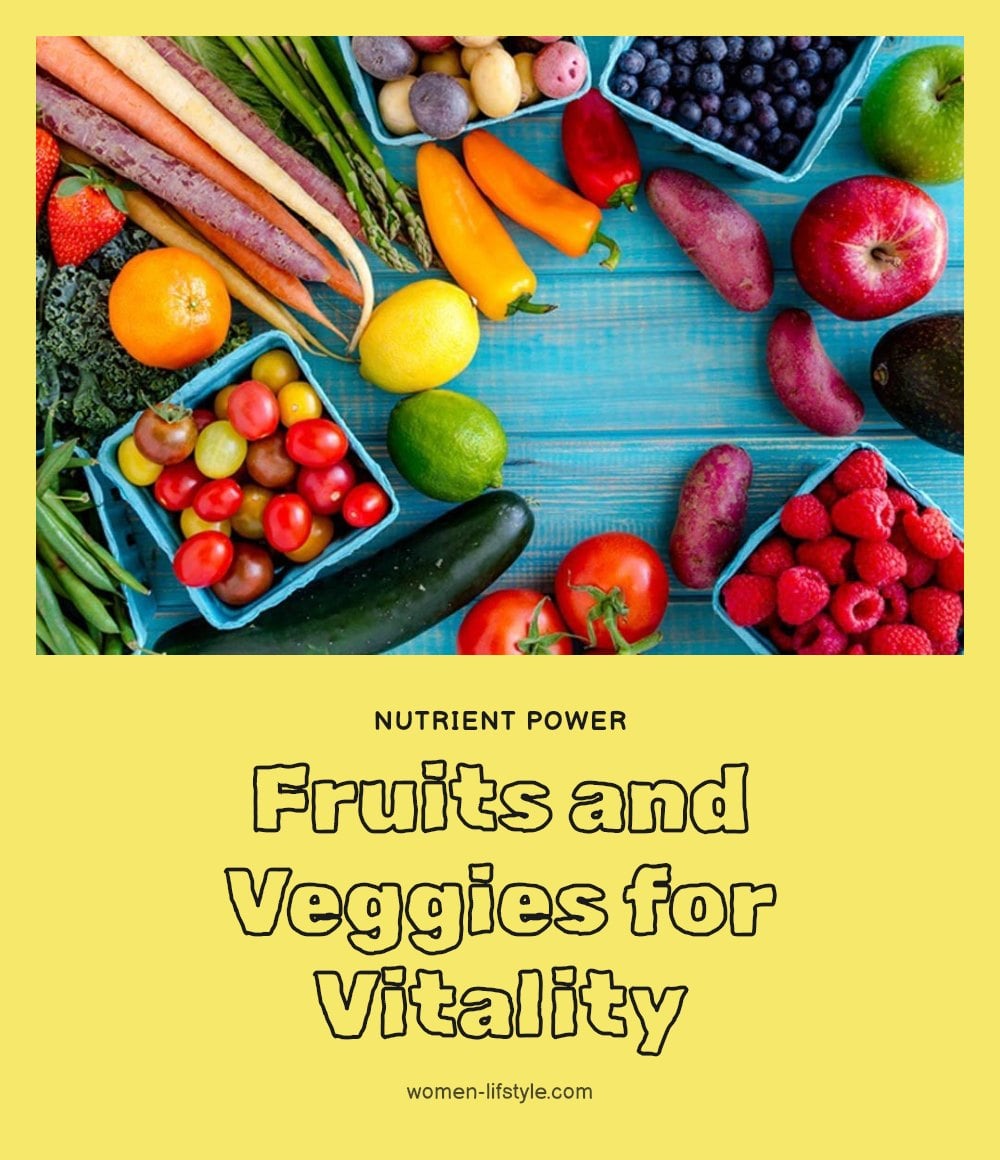
Chronic stress increases oxidative stress in your body, which is where antioxidants come in. Brightly colored fruits and vegetables like berries, citrus fruits, bell peppers, and broccoli are loaded with these protective compounds. I make sure to ‘eat the rainbow’ every day to get a wide range of these beneficial nutrients. Good to know: The more colors on your plate, the broader the antioxidant coverage.
6. Vitamin C Boosters
Foods high in Vitamin C, such as oranges, strawberries, and kiwi, may help reduce both the physiological and psychological effects of stress. This vitamin supports your adrenal glands, which produce cortisol, so keeping your intake steady can be a simple way to support your body during stressful times. Pro move: Snack on a handful of strawberries or add citrus slices to your water for an easy daily dose.
7. Complex Carbohydrates for Stable Energy
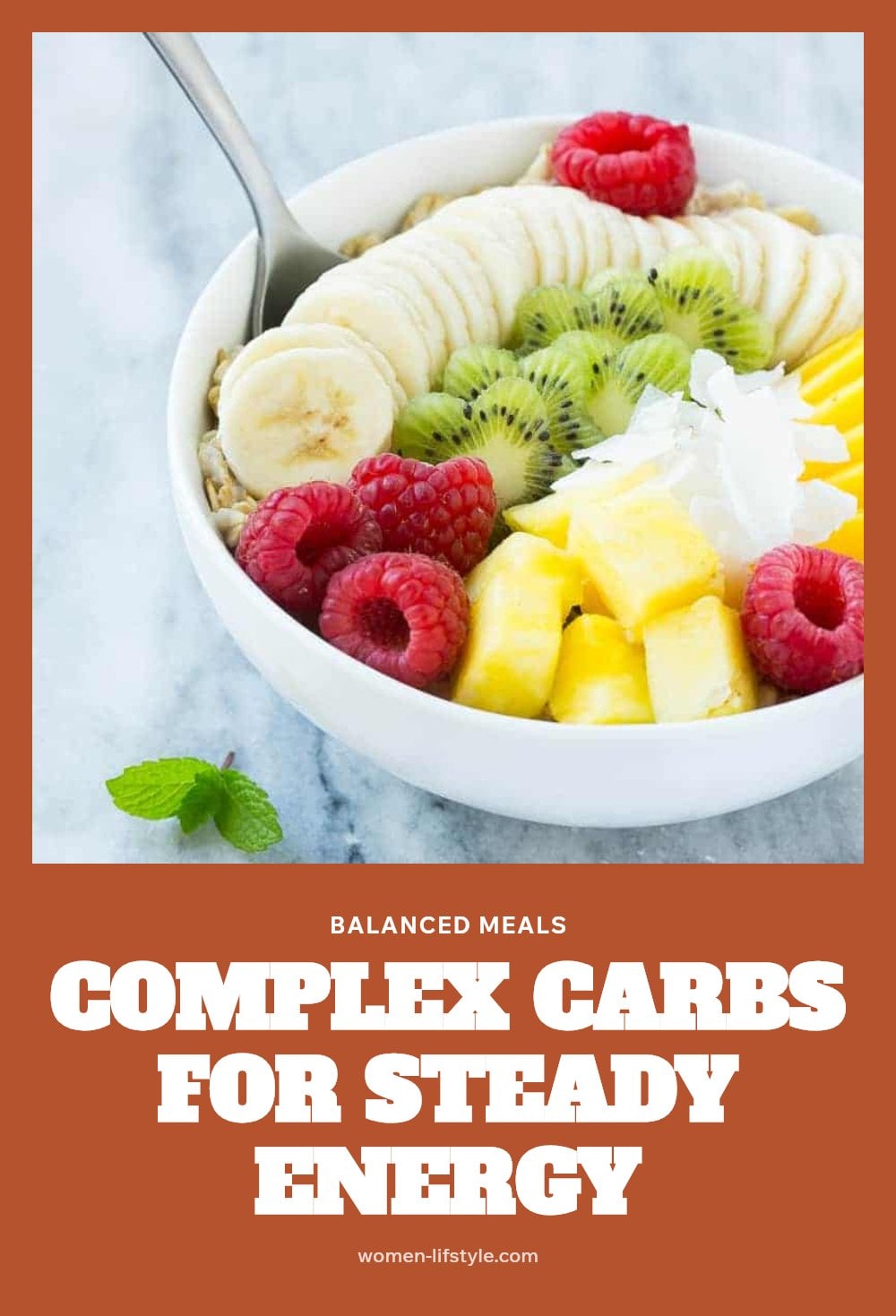
Complex carbohydrates like oats, brown rice, and whole-wheat bread stabilize your blood sugar levels. Avoiding the spikes and crashes from refined sugars prevents additional stress on your body and mind. My tip: Start your day with a bowl of oatmeal to keep your energy steady and your mood calm. Pair it with nuts or seeds for even more staying power.
8. Tryptophan-Rich Proteins
Tryptophan is an amino acid that your body uses to make serotonin, the neurotransmitter linked to feelings of well-being and happiness. You get it from protein-rich foods like turkey, chicken, eggs, and nuts. Including these proteins in your meals supports your body’s natural mood regulators, which can be a real help when stress hits.
9. L-Theanine in Green Tea
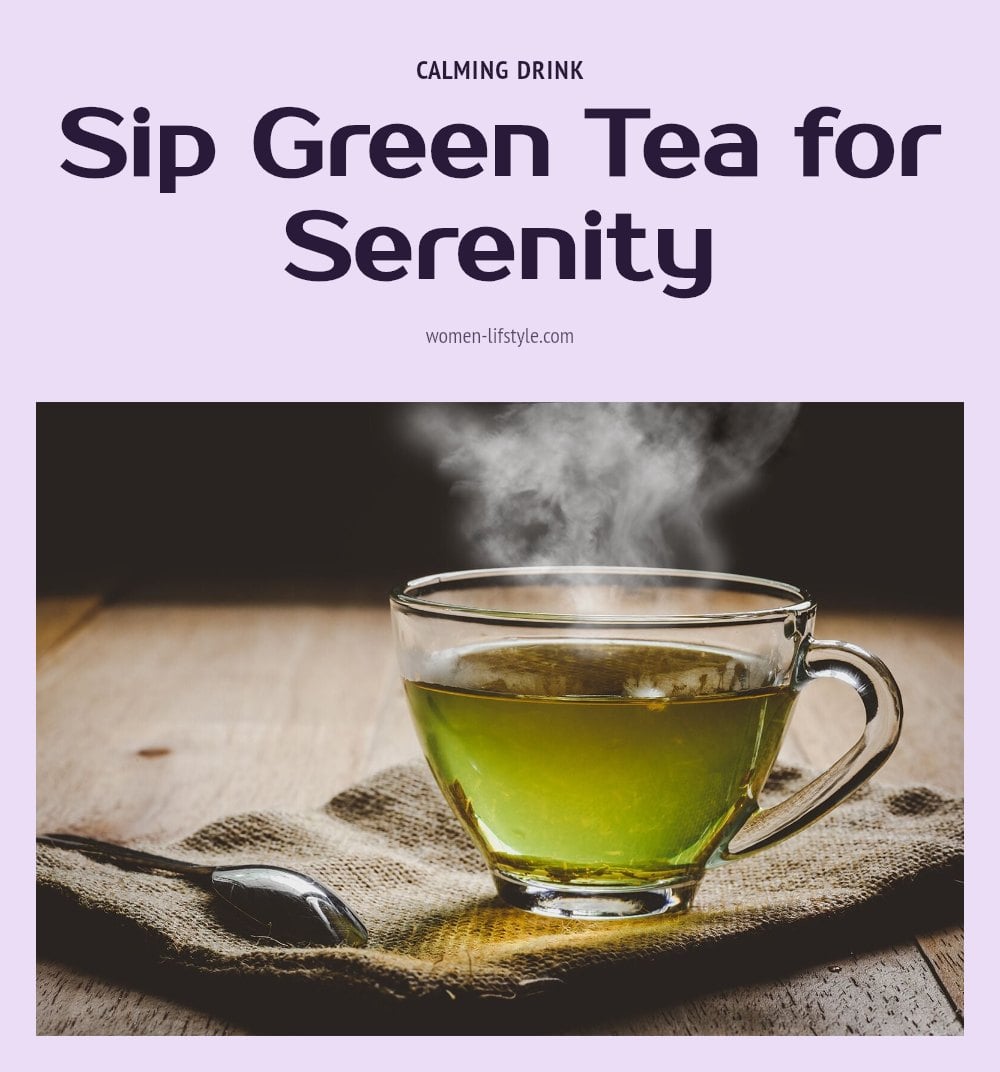
Green tea contains L-theanine, an amino acid that may promote relaxation without making you drowsy. It helps you feel more focused and calm when you’re overwhelmed. I often swap my afternoon coffee for green tea to skip the jitters and get a more serene energy boost instead.
10. Hydrating Water
It sounds basic, but staying hydrated is one of the most straightforward ways to support your stress response. Your body needs water for nearly every function, and even mild dehydration can ramp up feelings of stress and fatigue, making it harder to cope. Tip: Keep a full water bottle on your desk or in your bag and take small sips all day. Aim for a steady intake rather than chugging a glass when you feel parched, so your body stays balanced and your energy levels don’t dip.
11. Nuts and Seeds for Healthy Fats
Almonds, walnuts, chia seeds, and flaxseeds: These are rich in healthy fats, fiber, and magnesium, the same mineral found in leafy greens that supports nerve function and relaxation. The combination of healthy fats and fiber helps stabilize blood sugar, preventing energy crashes that can worsen stress. My tip: Keep a small bag of mixed nuts and seeds in your desk drawer for a quick, balanced snack.
Common Mistakes When Adjusting Your Diet
Believing in a ‘Superfood’ Fix: No single food will instantly lower cortisol. Focus on a balanced, varied diet rather than relying on one magical ingredient.
Ignoring Other Lifestyle Factors: Diet is just one piece of the puzzle. Don’t forget about sleep, exercise, and stress management techniques like meditation.
Focusing on Restrictive Diets: Extreme diets can actually increase stress on your body. Aim for sustainable, enjoyable changes.
Expecting Immediate Results: Dietary changes take time to show effects. Be patient and consistent, and combine them with other healthy habits.
Confusing Comfort Eating with Nutrition: While some foods offer temporary comfort, processed and sugary options can worsen stress in the long run. Choose genuinely nourishing foods.
Frequently Asked Questions
How quickly can diet affect cortisol levels?
Dietary changes do not lower cortisol overnight. Consistent, healthy eating habits over several weeks to months, combined with other lifestyle adjustments like sleep and exercise, are typically needed to observe potential benefits. Be patient and focus on the overall pattern of your diet.
Can certain foods increase cortisol?
Yes, some foods may contribute to higher cortisol levels. Excessive caffeine, sugary snacks, and processed foods can cause blood sugar spikes and crashes, potentially triggering a stress response. Alcohol can also disrupt sleep and hormone balance, which may increase cortisol over time.
Is it possible to completely eliminate cortisol with diet?
No, it is not possible or healthy to eliminate cortisol. Cortisol is a vital hormone that your body needs for many functions, including waking up in the morning and responding to stress. The goal is to manage and regulate cortisol levels, not remove them entirely.
What role does hydration play in cortisol management?
Hydration is essential for your body’s stress response. Even mild dehydration can ramp up feelings of stress and fatigue, making it harder to cope. Drinking enough water throughout the day supports overall bodily function and can help prevent an unnecessary stress trigger.
Should I take supplements for cortisol reduction?
It is best to get nutrients from food first, as whole foods provide a complex mix of compounds that work together. If you are considering supplements, consult a doctor or registered dietitian first, especially if you have chronic high stress or other health conditions. Supplements should complement, not replace, a healthy diet.
Final Thoughts
My tip is to start small: swap one processed snack for a handful of nuts or a piece of fruit, or replace your afternoon coffee with green tea. Consistent dietary changes over several weeks, combined with other lifestyle adjustments, are typically needed to observe potential benefits. Remember, a calm plate is just one part of a calmer you.
This article provides general wellness information and is not medical or professional advice. If you have chronic high stress, anxiety, or symptoms of adrenal fatigue, please consult a doctor or registered dietitian for personalized guidance.
