

When anger flares, it can feel like you’re losing control, but the real problem isn’t the anger itself, it’s what you do with it. Suppressing it only leads to more stress and health issues, while letting it explode can damage your relationships. This article covers practical ways to express anger constructively, from immediate calming techniques to long-term strategies that help you stay balanced without bottling anything up.

Key Takeaways
- Anger is a natural signal, not a bad emotion; the goal is healthy expression, not elimination.
- Practice deep breathing: inhale for four, hold for four, exhale for six to calm the fight-or-flight response.
- Identify your triggers by journaling or mental note-taking to plan proactive coping strategies.
- Seek professional help if anger leads to thoughts of harming yourself or others, or damages daily life.
- Noticeable improvements in managing reactions often appear within weeks, but mastery takes months of practice.
Managing Anger: A Quick Overview
Anger is a natural emotion, a signal that something feels wrong. The goal isn’t to eliminate it, but to manage it so it doesn’t control you. Effective anger management pairs immediate calming techniques, like deep breathing, with long-term strategies for emotional regulation. By understanding your triggers and expressing feelings constructively, you can prevent anger from damaging your relationships and well-being. It’s about healthy expression, not suppression.
Understanding Why Anger Takes Over
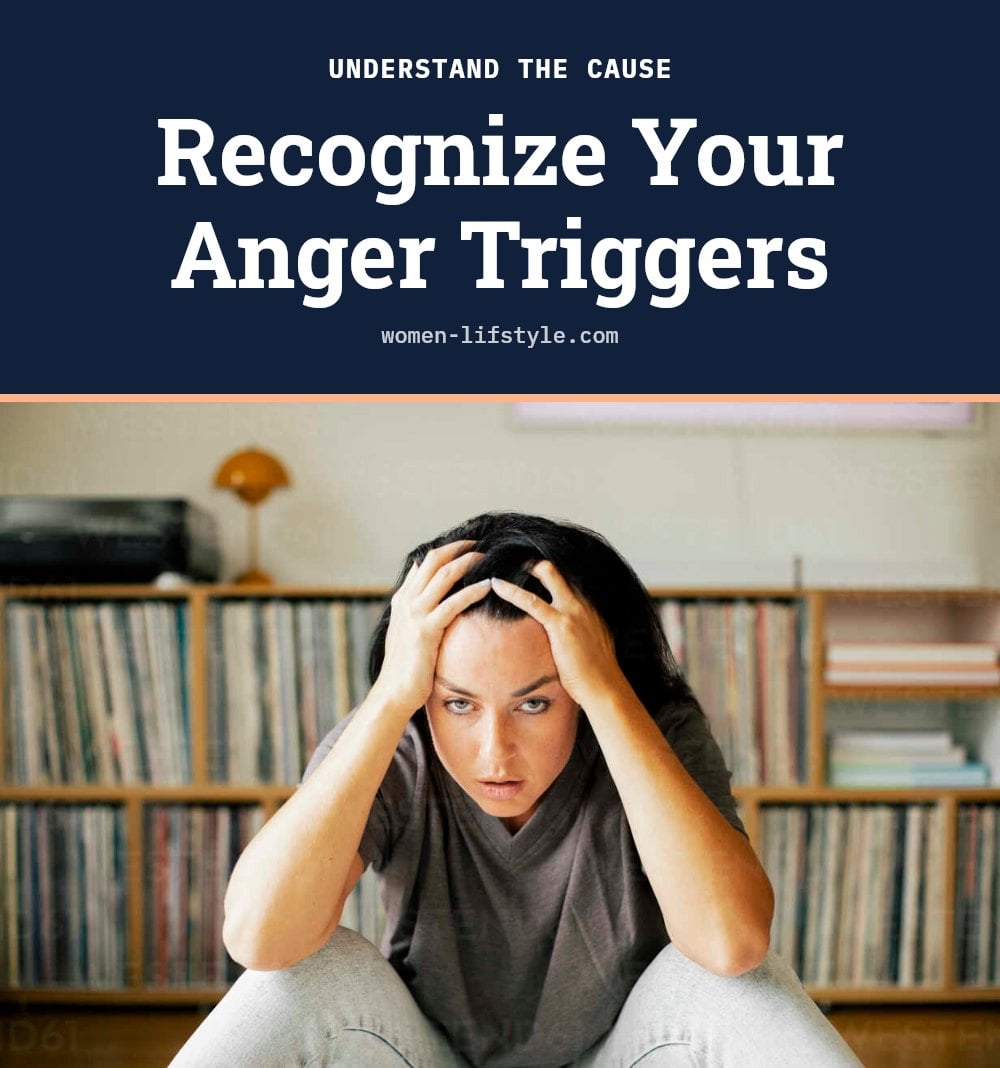
Why Anger Takes Over
Anger often arises from perceived threats, injustice, or frustration. It’s your brain’s way of saying a boundary has been crossed. But when you bottle it up, it doesn’t disappear. Suppressed anger can lead to increased stress, anxiety, depression, and even physical health issues like high blood pressure or heart disease.
Recognizing early physical signs is your first line of defense. A faster heartbeat, tense shoulders, or a flushed face are your body’s alarm bells. Catching these cues early lets you intervene before an outburst.
Your daily habits matter too. Poor sleep, chronic stress, and an unhealthy diet can lower your tolerance for frustration, making anger flare up more easily. Addressing these basics can help keep your emotional baseline steadier.
Immediate Strategies to Calm Rising Anger

Immediate Strategies to Calm Rising Anger
When anger spikes, your body goes into fight-or-flight mode. These techniques can help you hit the brakes.
- Breathe deeply: Inhale slowly through your nose for a count of four, hold for four, and exhale through your mouth for six. Repeat for a few minutes. This slows your heart rate and signals your nervous system to calm down.
- Take a time-out: Step away from the situation for at least 10 to 15 minutes. Go for a short walk or sit in another room. This prevents escalation and gives your rational brain time to catch up.
- Move your body: Physical activity burns off the adrenaline and cortisol that fuel anger. A brisk walk, a few jumping jacks, or even stretching can release pent-up tension.
- Cool down with water: Splash cold water on your face or wrists. The shock can trigger the mammalian dive reflex, which slows your heart rate and helps you feel more grounded.
My tip: Keep a stress ball or a small fidget toy in your bag or desk. Squeezing it for 30 seconds can give your hands a physical outlet while you practice deep breathing.
Long-Term Steps for Healthy Anger Management

Long-term anger management starts with knowing what sets you off. I keep a mental list of my triggers, but writing them down works even better. Common ones include feeling unheard, being interrupted, or dealing with unfair situations. Once you name the trigger, you can plan a response before it hits.
- Identify your triggers: For one week, note each time anger rises. Write the situation, the person involved, and what you felt right before. Patterns emerge fast. If traffic makes you furious every morning, you can leave earlier or listen to a podcast to shift your mood.
- Learn assertive communication: Use “I” statements to express your needs without blame. Say “I feel frustrated when plans change last minute because I need time to adjust” instead of “You always ruin my schedule.” Assertive communication keeps the conversation open and respectful.
- Journal regularly: Write about what angered you, how you responded, and what you wish had happened differently. This isn’t about venting, it’s about spotting underlying causes like fear, hurt, or unmet needs. Over weeks, you will see patterns you can address directly.
- Build proactive coping strategies: Use your trigger list to plan ahead. If criticism at work sparks anger, rehearse a calm response like “I will take that feedback and think it over.” Preparing a script or a physical outlet, like squeezing a stress ball, gives you a ready tool before the heat of the moment.
My tip: Pick one step to focus on for two weeks before adding another. Trying all four at once can feel overwhelming. Consistency matters more than speed.
Common Anger Management Mistakes and How to Avoid Them
The biggest mistake I see people make is confusing anger management with anger suppression. Suppressing anger means pushing it down, which leads to resentment and health issues. The goal is healthy expression, not elimination.
Blaming others for your anger is another trap. You own your reactions. When you point a finger, you give away your power to change the situation. Take responsibility for what you do with the feeling.
Don’t ignore the physical signs like a racing heart or clenched jaw. By the time you notice an outburst, it’s too late to intervene calmly. Catch those signals early.
Passive-aggressive behaviors like silent treatment or sarcasm don’t work. They just confuse the other person. Opt for direct communication using “I” statements instead.
Tools and Resources for Your Anger Management Journey
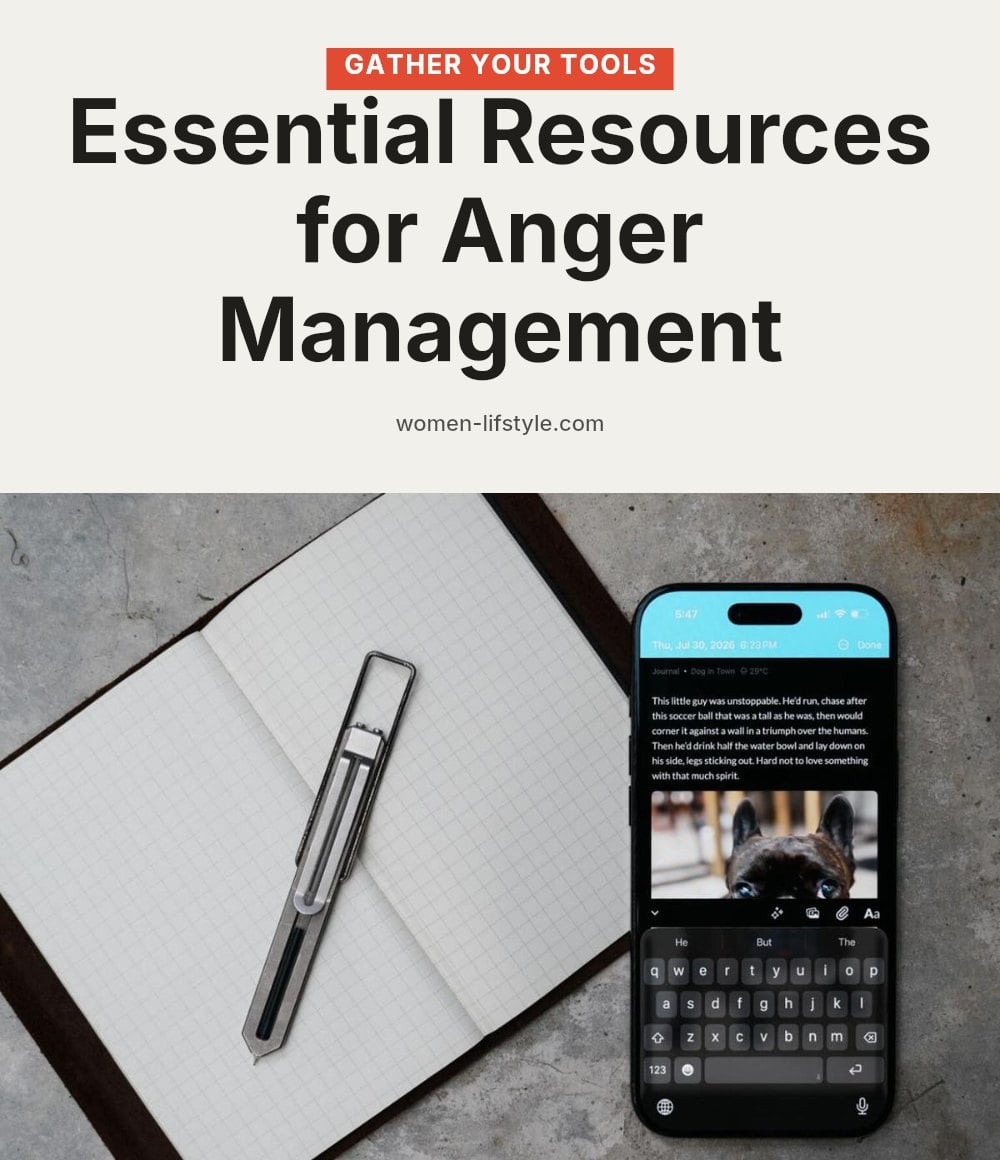
Having the right tools on hand makes a real difference when anger flares. Here is what I keep accessible:
- Journal or notebook: Write down triggers and emotions right after you feel them. Patterns become clear over time.
- Meditation app: A guided breathing exercise can calm your nervous system in under two minutes. I use one for quick resets during a heated moment.
- Stress ball or fidget toy: Squeezing something gives your muscles a physical outlet for tension without hurting anyone.
Preventing Anger Overwhelm: Proactive Lifestyle Changes
Proactive lifestyle changes can reduce how often anger overwhelms you in the first place. Start with sleep: poor sleep makes you irritable and impairs emotional regulation. Prioritize 7-9 hours consistently.
Manage overall stress through relaxation techniques like progressive muscle relaxation or a short walk. Set healthy boundaries at work and home so you don’t reach your limit daily.
A balanced diet supports stable mood and energy. Skip the blood sugar crash that can trigger irritability. Regular physical activity is a reliable outlet for pent-up stress and tension.
When to Seek Professional Help for Anger
If anger leads to thoughts of harming yourself or others, seek immediate professional help. Call a crisis line or go to an emergency room. This is not something to handle alone.
Consider therapy or counseling if anger significantly damages your relationships, work, or daily life. A therapist can teach you tailored strategies that self-help cannot cover.
Consult a doctor if you experience physical symptoms like chest pain or dizziness during anger. These may indicate underlying health issues that need medical attention.
If you are in an abusive relationship, prioritize your safety first. Managing your anger is not the primary concern in that situation. Seek help for the abuse directly.
Understanding the Timeline for Anger Management
Anger management is a skill, not a quick fix, so consistent practice matters throughout. Many people notice improvements in handling immediate reactions within a few weeks. Achieving long-term emotional regulation and mastery takes dedicated effort over several months or longer. Costs vary widely, from free self-help tools like journaling and meditation apps to paid therapy sessions or structured classes, which can be a significant investment.
Frequently Asked Questions
Is anger always a bad emotion?
No, anger is a natural human emotion that signals something feels wrong, like a boundary being crossed or an injustice. It becomes a problem only when it is expressed destructively or suppressed. Healthy anger management respects the emotion while guiding how you respond to it.
How long does it take to learn anger management?
Noticeable improvements in handling immediate reactions often appear within a few weeks of consistent practice. Achieving long-term emotional regulation and mastery, however, takes dedicated effort over several months or longer. It is a skill that improves with regular use.
Can journaling really help with anger?
Yes, journaling can help you process emotions and identify underlying causes of your anger. Writing down triggers and feelings right after they happen makes patterns clear over time. Many people find it a useful tool for gaining perspective and reducing the intensity of angry reactions.
What if I can’t identify my anger triggers?
If triggers are unclear, start by keeping a simple log of when anger arises, noting the time, place, and what happened just before. Patterns often emerge after a few days or weeks. If you still struggle, consider working with a therapist who can help you uncover deeper underlying causes.
Are there apps that can help with anger management?
Yes, meditation apps can be helpful for guided breathing exercises and mindfulness practices that calm the body’s physiological response to anger. They are not a substitute for professional help if anger is severe, but they can be a convenient tool for daily practice and immediate calming.
What is the difference between assertive and aggressive communication?
Assertive communication involves expressing your needs and boundaries respectfully, using ‘I’ statements and a calm tone. Aggressive communication is hostile, blaming, or demanding, and often violates others’ boundaries. Assertiveness aims for a solution, while aggression escalates conflict.
Final Thoughts
Start by picking one immediate technique, like deep breathing or a time-out, and use it the next time you feel anger rising. Pair it with a long-term habit, such as journaling your triggers or prioritizing sleep. Expect to see small wins within a few weeks, but give yourself months to build lasting emotional regulation. You don’t have to eliminate anger, just learn to let it work for you instead of against you.
This article is for general informational purposes only and does not constitute medical or professional advice. If you experience persistent or intense anger that impacts your daily life or relationships, or if you have thoughts of harming yourself or others, please consult a qualified mental health professional or call a crisis line immediately.
