

You’ve heard that chronic inflammation is linked to heart disease, diabetes, and arthritis, and you want to know exactly what to put on your plate to fight it. The right foods can make a real difference, and this article breaks down the best anti-inflammatory choices, from fatty fish to spices, plus common mistakes to avoid.
Key Takeaways
- Focus on whole, unprocessed foods like fruits, vegetables, whole grains, and healthy fats.
- Include fatty fish like salmon or mackerel a few times per week for omega-3s.
- Use extra virgin olive oil as your main cooking oil for its anti-inflammatory compounds.
- Limit refined sugars, trans fats, and processed foods that can promote inflammation.
- Be patient, dietary changes take weeks to months to show effects on chronic inflammation.
What Are the Best Anti-Inflammatory Foods?
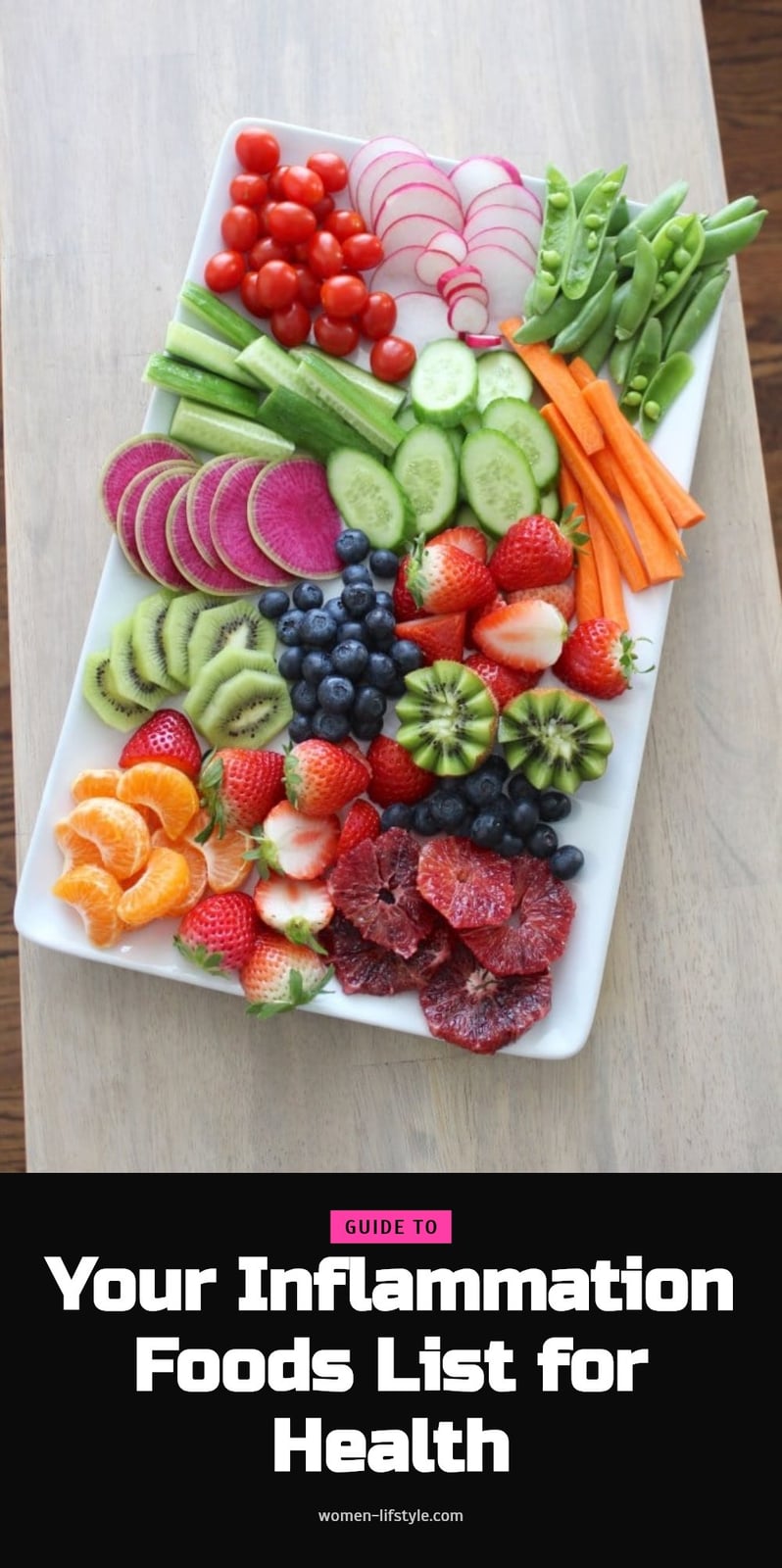
An anti-inflammatory diet centers on whole, unprocessed foods. Think colorful fruits, vegetables, whole grains, lean proteins, and healthy fats. These foods deliver antioxidants and omega-3 fatty acids that help your body combat chronic inflammation. Cutting back on refined sugars, unhealthy fats, and processed ingredients is just as important for reducing inflammatory responses.
1. Fatty Fish Rich in Omega-3s

Fatty fish like salmon, mackerel, and sardines are my top pick for fighting inflammation. They pack a serious punch of omega-3 fatty acids, which are powerful anti-inflammatory agents.
- Aim for a few servings per week to get the full benefits. Grilled salmon for dinner or sardines on a salad are easy ways to add them in.
2. Leafy Green Vegetables
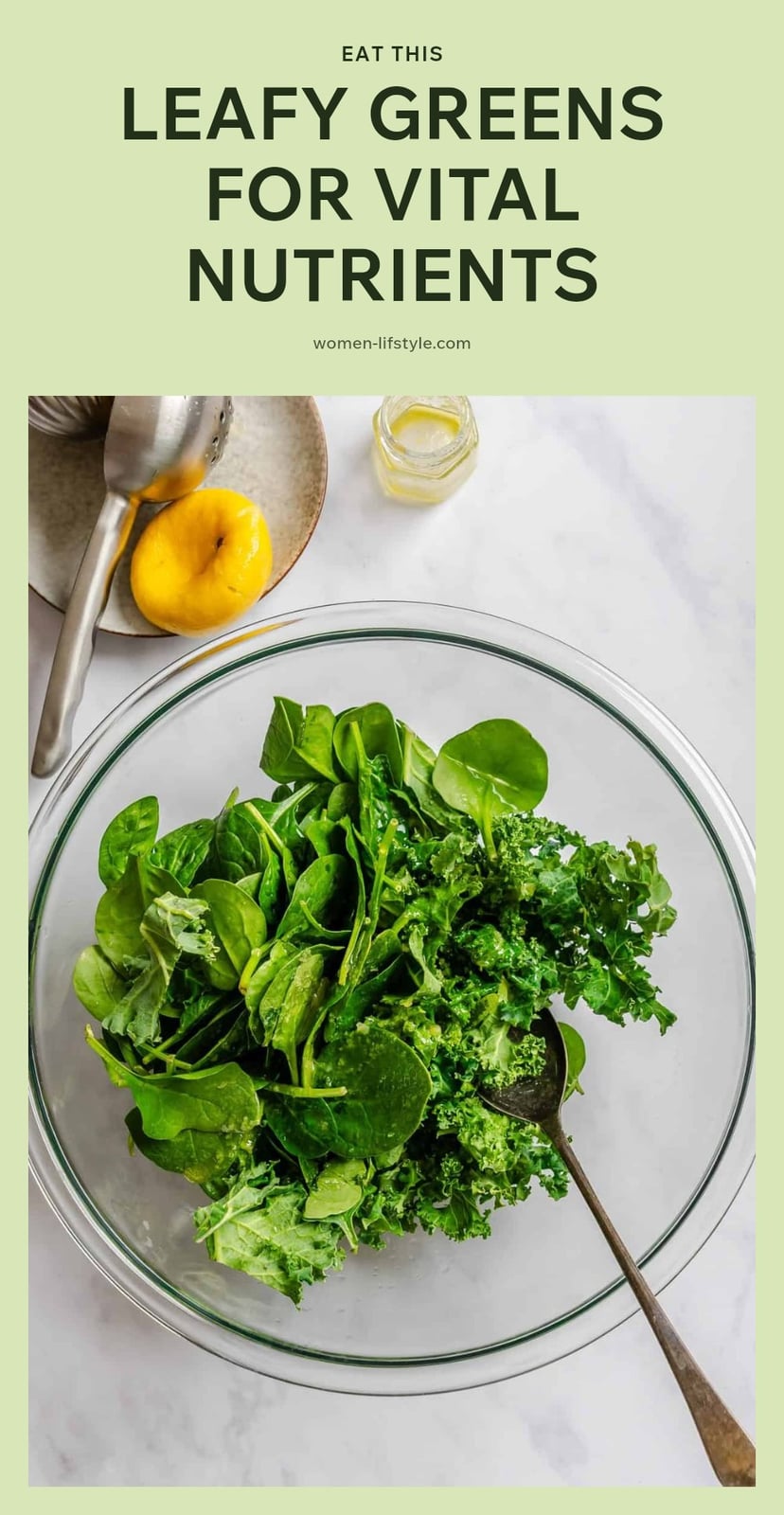
Don’t underestimate the power of leafy greens like spinach, kale, and collard greens. They’re loaded with vitamins, minerals, and antioxidants that protect your cells from inflammation-causing damage.
- I try to include them in almost every meal, from smoothies to salads. A handful of spinach in your morning smoothie or a side of sautéed kale with dinner adds a big anti-inflammatory boost without much effort.
3. Colorful Berries

Berries, think strawberries, blueberries, and raspberries, are a delicious way to fight inflammation. They’re incredibly rich in anthocyanins, a type of antioxidant that gives them their vibrant color and powerful anti-inflammatory effects.
- My tip: Keep a bag of frozen berries on hand for smoothies or oatmeal. They’re just as nutritious as fresh and make it easy to add a serving to your breakfast or snack any day of the week.
4. Extra Virgin Olive Oil
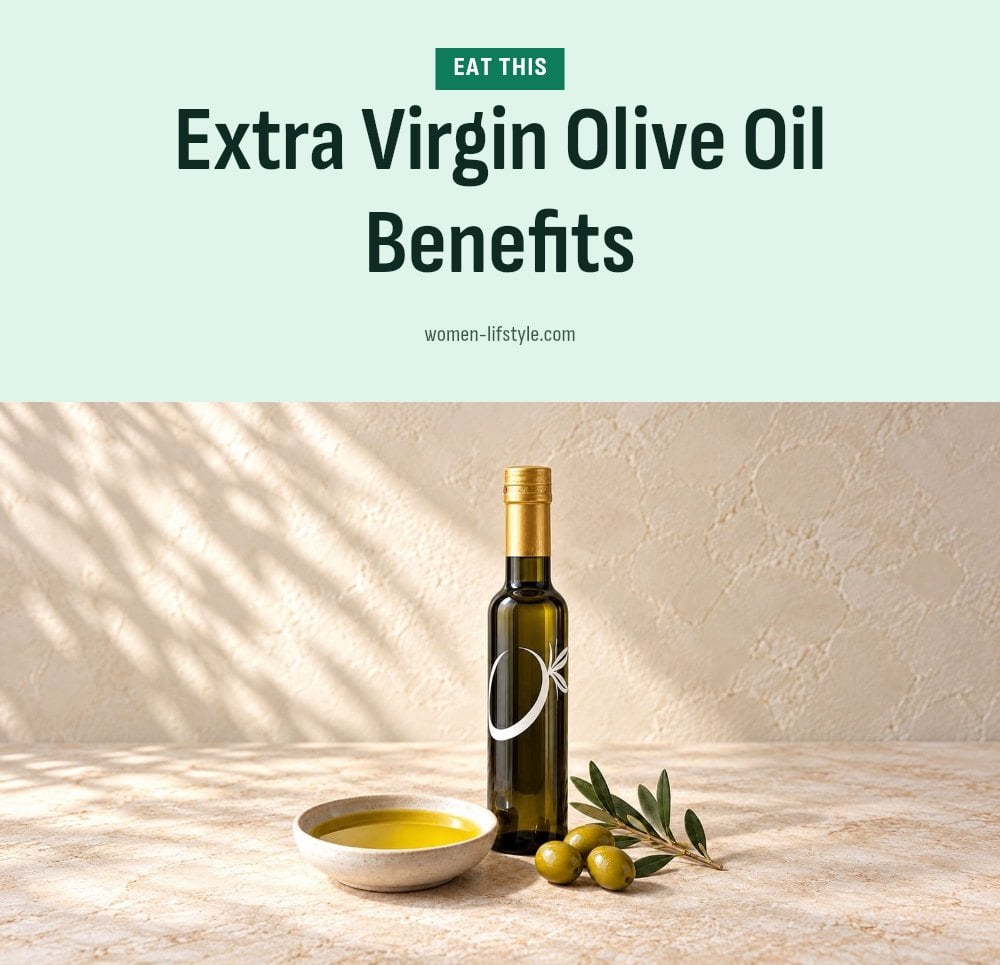
Extra virgin olive oil is a staple in my kitchen for good reason. It contains oleocanthal, a compound with anti-inflammatory properties that work similarly to ibuprofen. Use it for cooking at lower temperatures or drizzle it over salads and roasted vegetables.
Tip: Always choose extra virgin olive oil for the highest quality and maximum benefits. The processing method preserves more of the beneficial compounds.
5. Nuts and Seeds
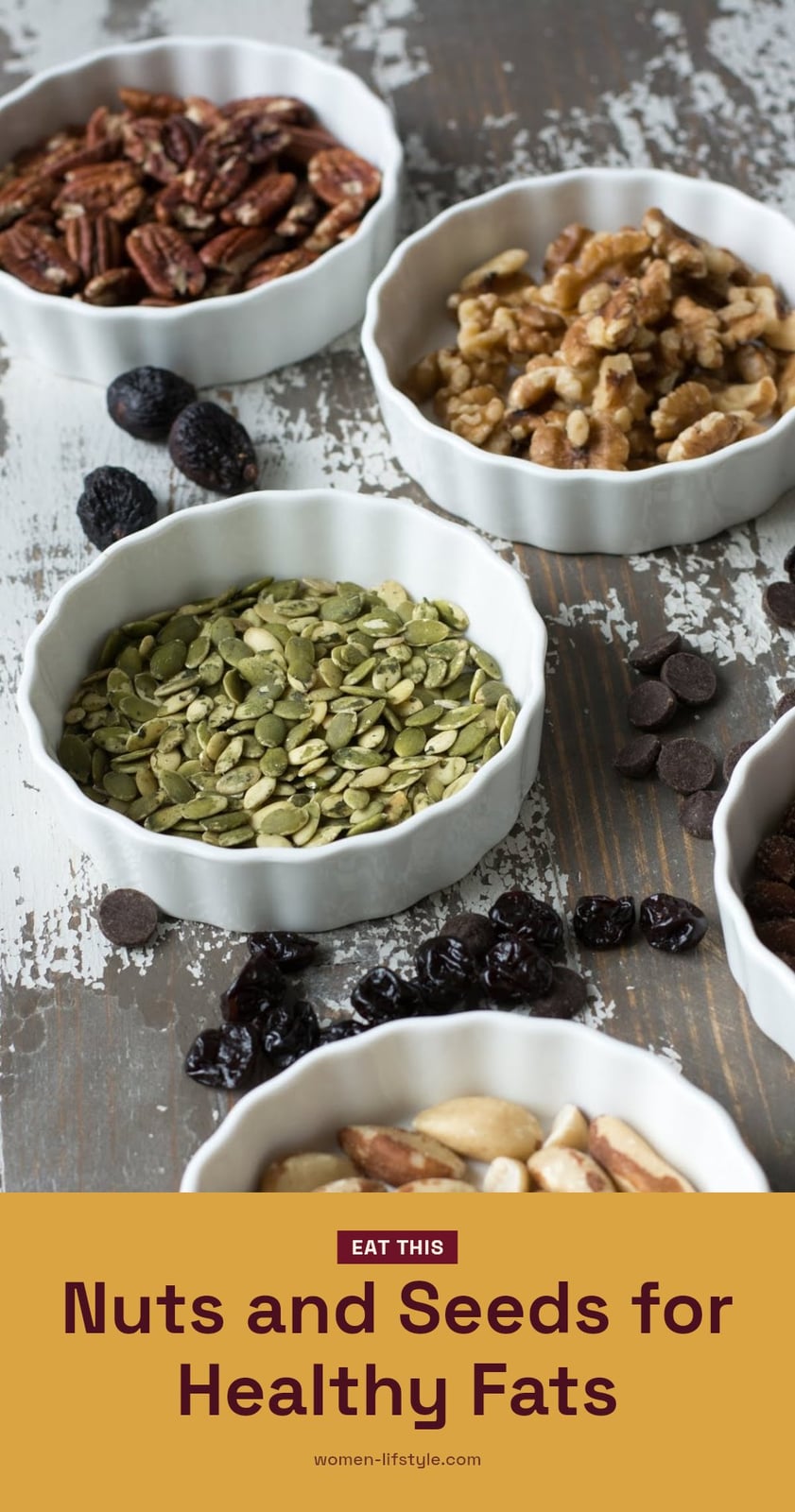
Almonds, walnuts, chia seeds, and flaxseeds are fantastic sources of healthy fats, fiber, and antioxidants. Walnuts, in particular, are high in omega-3s, making them an excellent anti-inflammatory snack. A small handful can go a long way in supporting your anti-inflammatory goals.
Pro move: Sprinkle chia or flaxseeds on yogurt or oatmeal for an easy boost.
6. Whole Grains
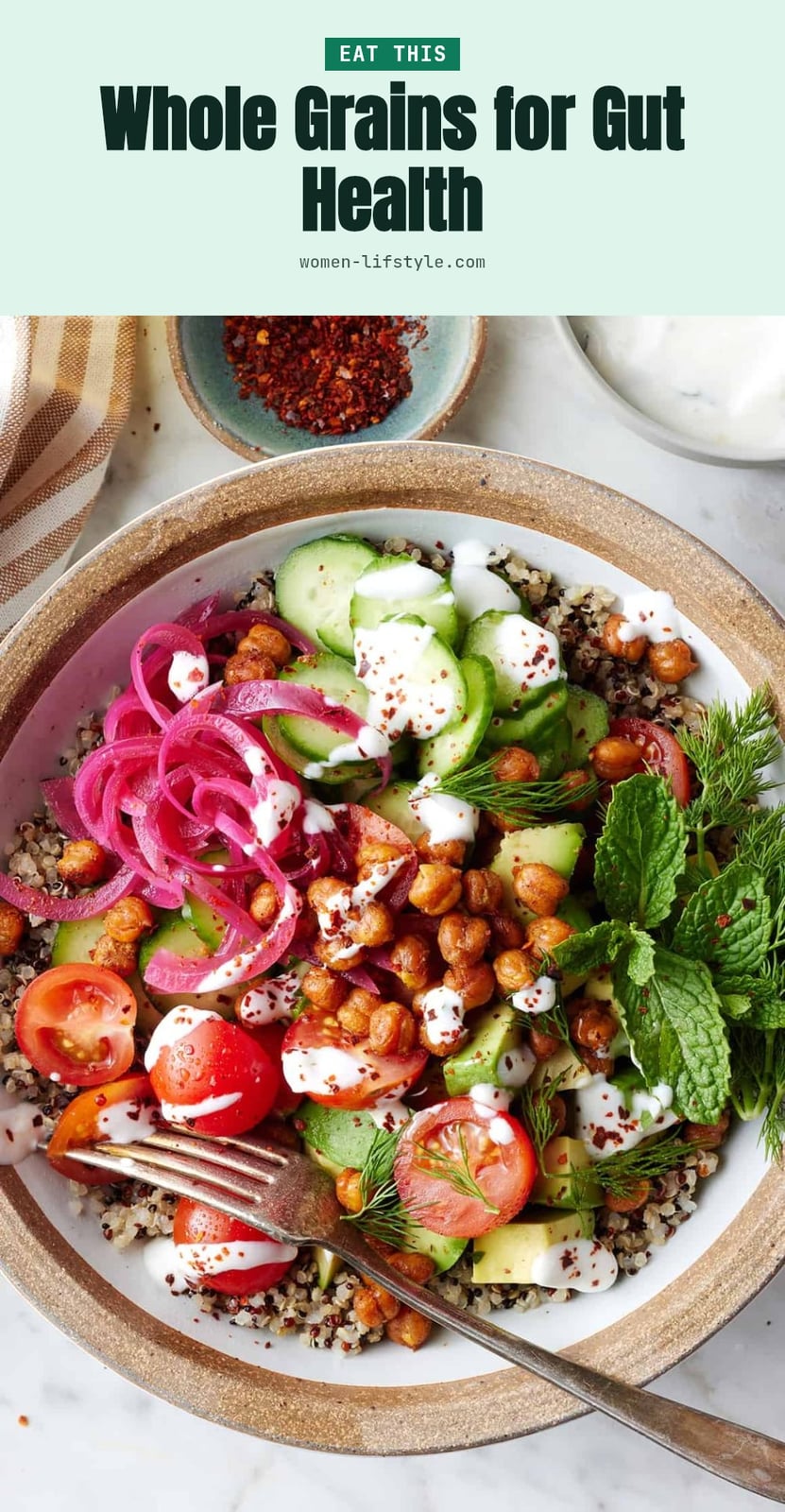
Whole grains like oats, brown rice, and quinoa are packed with fiber, which feeds your gut microbiome and helps control inflammation. Fiber supports a healthy gut environment, and that balance is key for reducing inflammatory responses throughout your body.
Tip: Swap white bread for a whole-grain version. Start with one swap per meal, like choosing brown rice instead of white rice at dinner.
7. Legumes (Beans and Lentils)
Beans and lentils are powerhouse foods, offering a great combination of fiber, plant-based protein, and various anti-inflammatory compounds. They’re incredibly versatile and can be added to soups, stews, salads, or even made into dips. Plus, they’re budget-friendly and filling.
Good to know: Rinse canned beans to reduce sodium before using them in your recipes.
8. Anti-Inflammatory Spices
Spices bring more than flavor to your plate. Turmeric, thanks to its active compound curcumin, is a standout for reducing inflammation. Ginger is another strong option with soothing effects. I love adding both to curries, stir-fries, and even teas for an easy anti-inflammatory boost.
9. Green Tea
Green tea is a simple way to increase your daily antioxidants. It’s loaded with polyphenols, especially EGCG, which have strong anti-inflammatory and antioxidant effects. Swap sugary drinks for a cup of freshly brewed green tea. My tip: Brew it fresh and skip the sugar to keep the benefits intact.
10. Avocados
Avocados are a fantastic source of healthy monounsaturated fats, fiber, and key vitamins and minerals. These nutrients can help reduce inflammatory markers in the body. They’re incredibly versatile, too, mash them for avocado toast, blend into guacamole, or slice over salads. I always keep a few ripe avocados on my counter.
11. Dark Chocolate (in Moderation)
Dark chocolate with 70% cocoa or higher is rich in antioxidants called flavanols. These compounds may help reduce inflammation and support heart health. Caution: Moderation is essential. A small square is usually enough to get the benefits without overdoing the sugar.
Common Mistakes When Adopting an Anti-Inflammatory Diet
Many people expect quick changes, but dietary shifts take time to affect chronic inflammation. Be patient and consistent; you may notice improvements in weeks to months, but long-term adherence is what matters.
Focusing on a single “superfood” is another common error. While individual foods like turmeric or berries are powerful, a balanced dietary pattern with a diverse range of anti-inflammatory foods is what truly works.
Eliminating entire food groups without proper guidance can lead to nutrient deficiencies. If you are considering major restrictions, talk to a healthcare professional or registered dietitian first.
Not reading food labels carefully is a frequent slip. Hidden sugars, unhealthy fats, and processed ingredients often sneak into products marketed as healthy. Always check labels, especially for added sugars and trans fats.
Ignoring other lifestyle factors is a mistake too. Diet is vital, but stress, poor sleep, and lack of exercise also drive inflammation. A holistic approach that addresses all these areas yields the best results.
Frequently Asked Questions
How quickly can I see results from an anti-inflammatory diet?
Results vary, but some people notice improvements in symptoms like joint pain or energy levels within a few weeks to months. Long-term adherence is key for sustained benefits, so be patient and consistent with your dietary changes.
Can an anti-inflammatory diet cure chronic diseases?
No, an anti-inflammatory diet is not a cure for chronic diseases. It can help manage inflammation and support overall health, but it should be part of a comprehensive plan that includes medical care, exercise, and stress management. Always consult your doctor for treatment.
Are there any anti-inflammatory foods I should avoid if I have allergies?
Yes, if you have known food allergies or intolerances, avoid those specific foods even if they are generally anti-inflammatory. For example, some people are allergic to nuts, fish, or gluten. Introduce new foods one at a time and consult a dietitian if needed.
Is an anti-inflammatory diet expensive?
It can be budget-friendly if you focus on staples like beans, lentils, whole grains, and seasonal or frozen produce. Canned beans, oats, and frozen berries are affordable options. You don’t need exotic superfoods to get the benefits.
Can I still eat red meat on an anti-inflammatory diet?
You can include red meat in moderation, but limit it because excessive saturated fat may promote inflammation. Prioritize lean cuts and consider it an occasional choice rather than a daily staple. Focus on fatty fish, poultry, and plant-based proteins instead.
Final Thoughts
My recommendation is to start by swapping one refined grain for a whole grain and adding a serving of leafy greens to your day. Realistic results take time, so expect to stick with these changes for several weeks before noticing improvements in how you feel. Focus on building a balanced, colorful plate rather than chasing a single superfood.
This article is for general informational purposes only and is not a substitute for professional medical advice. If you have a health condition or are taking medications, consult a doctor or registered dietitian before making significant dietary changes.
