

As the days get shorter and the air turns crisp, your home deserves a little extra attention before you cozy up for winter. Fall cleaning is the seasonal deep clean that preps your space for colder months, tackling everything from gutters to furnace filters. It’s not just about tidying up; it’s about improving air quality, boosting energy efficiency, and making your home feel warmer and more inviting. In this article, I’ll walk you through a complete fall cleaning checklist, covering outdoor prep, heating essentials, kitchen deep cleans, and more, so you can stay organized and get it all done without feeling overwhelmed.
Key Takeaways
- Clean gutters to prevent ice dams and water damage.
- Replace furnace filters and clean dryer vents for safety and efficiency.
- Inspect weather stripping to seal drafts and save energy.
- Declutter closets before storing winter gear to stay organized.
- Work top to bottom and break tasks over weekends.
What is Fall Cleaning?
Fall cleaning is a seasonal deep clean that gets your home ready for colder months, just as spring cleaning preps it for warmer weather. It targets tasks that boost indoor air quality, energy efficiency, and coziness, often hitting spots routine cleaning misses. Think of it as a full refresh: sealing drafts, organizing for winter gear, and deep cleaning surfaces that collected summer’s dust and grime.
Outdoors and Exterior Home Prep

Get your home’s exterior ready for winter with these 12 tasks.
- Clean gutters: Remove leaves and debris to prevent ice dams.
- Inspect weather stripping: Check windows and doors for drafts.
- Replace worn weather stripping: Seal gaps to improve energy efficiency.
- Drain and store garden hoses: Prevent freezing and damage.
- Clean outdoor furniture: Wipe down and cover or store.
- Store patio cushions: Keep them dry and protected from mold.
- Clean and oil garden tools: Prevent rust and extend their life.
- Scrub outdoor trash cans: Rinse and sanitize to reduce odors.
- Check exterior caulking: Seal cracks around windows and doors.
- Trim tree branches: Keep them away from roof and siding.
- Clean and store grill: Empty propane tank and cover it.
- Test outdoor lighting: Ensure paths are visible in shorter days.
Heating and Air Quality Essentials

Focus on heating, air quality, and safety before you seal up your home.
- Replace furnace filter: Improve heating efficiency and air quality.
- Clean air vents: Vacuum registers and return ducts.
- Clean dryer vent: Remove lint to reduce fire risk.
- Check dryer exhaust hose: Ensure it’s not kinked or crushed.
- Wash heavy drapes: Remove dust and allergens.
- Dry clean curtains: Follow care labels for delicate fabrics.
- Test smoke detectors: Press test button and replace batteries.
- Test carbon monoxide detector: Verify it works and replace batteries.
- Vacuum radiator fins: Dust buildup reduces heat output.
- Bleed radiators: Release trapped air for even heating.
- Clean ceiling fans: Dust blades and reverse direction for winter.
- Inspect chimney and flue: Schedule a professional cleaning if needed.
Kitchen Deep Clean and Organization
Tackle these often-missed kitchen spots to keep things running smoothly all winter.
- Clean refrigerator coils: Vacuum dust to improve efficiency.
- Sanitize indoor trash can: Scrub with disinfectant to kill bacteria.
- Organize pantry: Group items and check expiration dates.
- Deep clean oven: Use self-clean cycle or scrub with paste.
- Scrub stovetop: Remove burnt-on food and grease.
- Wipe cabinet fronts: Clean grease and fingerprints.
- Clean dishwasher filter: Remove food debris for better performance.
- Descale coffee maker: Run vinegar solution to remove mineral buildup.
- Defrost freezer: Melt ice and wipe down surfaces.
- Clean microwave interior: Steam a bowl of water to loosen grime.
- Wipe small appliance cords: Dust and check for damage.
- Organize Tupperware: Match lids and discard mismatched pieces.
Bedrooms and Living Spaces Refresh
Focus on the rooms where you spend the most time. These tasks will boost natural light, improve air quality, and make your space feel fresher for the darker months ahead.
- Dust light fixtures: Clean lamps and ceiling fixtures to improve room brightness.
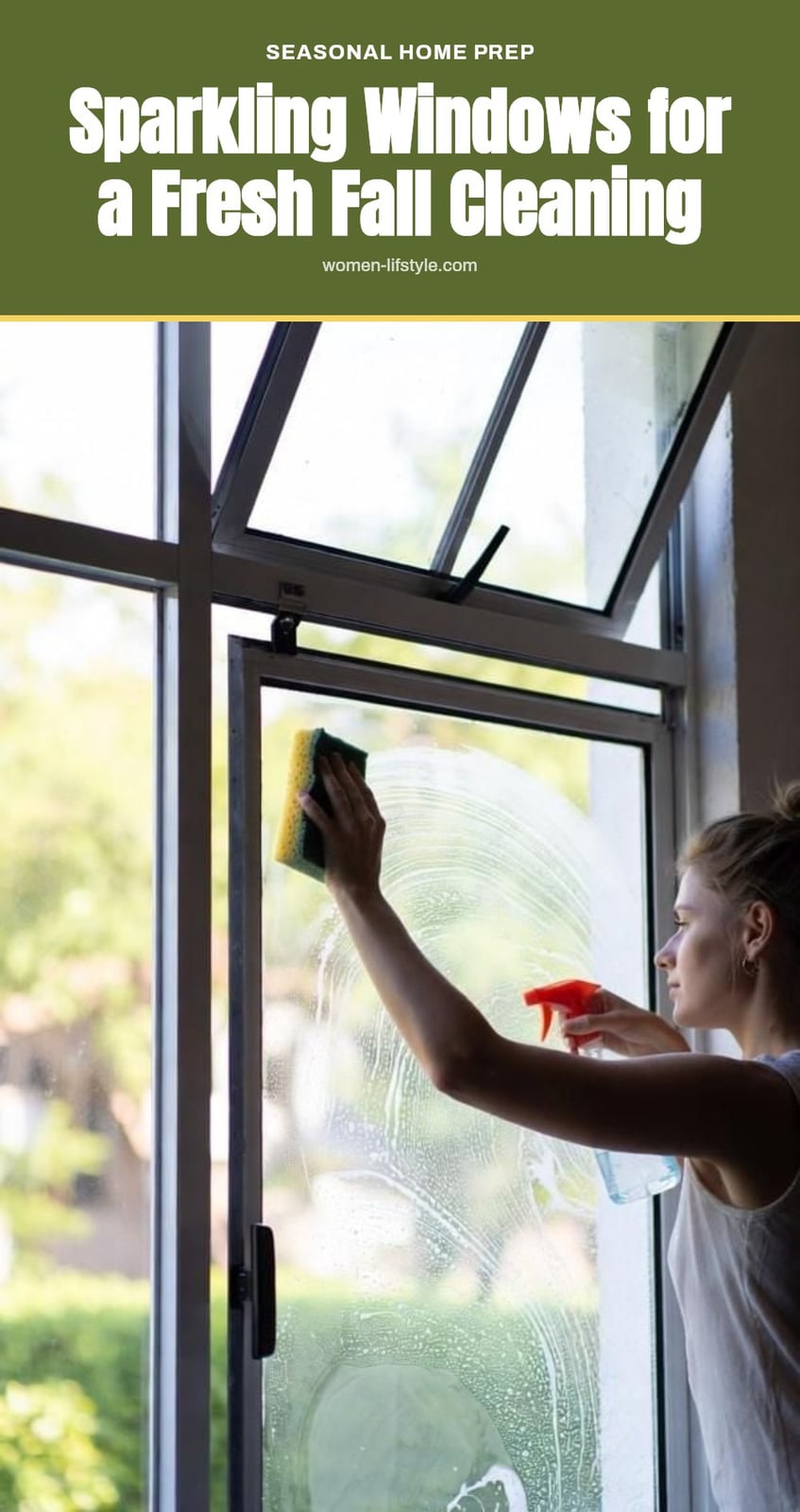
- Wash windows inside and out: Remove grime to let in maximum daylight.
- Deep clean carpets and rugs: Shampoo or steam to lift dirt and allergens.
- Flip or rotate mattresses: Even out wear to extend mattress life and comfort.
- Vacuum under and behind furniture: Move sofas and beds to reach hidden dust.
- Wipe down baseboards and trim: Remove dust and scuffs from summer traffic.
- Clean ceiling fans: Dust blades so they don’t circulate debris when used.
- Wash throw blankets and pillow covers: Freshen up for cozy nights in.
- Dust blinds and curtains: Use a microfiber cloth or vacuum attachment.
- Spot clean walls and doors: Remove marks and fingerprints before winter.
- Polish wood furniture: Use a gentle cleaner to protect and shine surfaces.
- Air out upholstered furniture: Open windows and fluff cushions to reduce odors.
Closets and Storage Declutter
Winter gear takes up more space than summer clothes. Clearing out closets and storage areas now makes room for bulky coats, boots, and accessories without the scramble later.
- Declutter closets: Donate or sell items you haven’t worn in a year.
- Rotate seasonal clothing: Store summer items and bring out winter layers.
- Organize drawers and cabinets: Sort socks, scarves, and gloves by type.
- Clean out linen closets: Fold sheets and towels neatly, discard worn ones.
- Sort winter gear: Group coats, hats, and mittens for easy grab-and-go.
- Vacuum closet floors and shelves: Remove dust and cobwebs before storing clothes.
- Use clear bins for off-season storage: Label each bin so you can find items quickly.
- Install shelf dividers or hooks: Maximize vertical space for bags and belts.
- Store boots on a rack: Keep them off the floor to maintain shape and air flow.
- Purge expired products: Toss old sunscreen, lotions, and first-aid items.
- Fold sweaters and heavy knits: Use drawer organizers to prevent stretching.
- Check for moths or damage: Inspect wool items before storing with cedar blocks.
Frequently Asked Questions
How long does fall cleaning typically take?
Fall cleaning usually takes several days or weekends, depending on your home’s size and how thorough you want to be. Most people start in late September or October and work through the checklist over a few weekends. Breaking it into manageable chunks makes the process less daunting and more achievable.
Is fall cleaning really necessary?
Yes, fall cleaning is necessary because it addresses tasks that routine cleaning misses, like cleaning gutters, checking heating systems, and deep cleaning carpets. These tasks prevent costly damage, improve indoor air quality, and make your home more energy efficient, which is especially important as you spend more time indoors during winter.
What’s the difference between fall and spring cleaning?
Fall cleaning prepares your home for colder months by focusing on heating, sealing drafts, and storing summer gear, while spring cleaning refreshes after winter, often targeting dust, allergens, and decluttering. Both are seasonal deep cleans, but fall emphasizes efficiency and safety for winter, while spring focuses on renewal and freshness.
Can I do fall cleaning tasks over several weekends?
Absolutely. In fact, spreading fall cleaning over several weekends is recommended to avoid burnout. You can tackle outdoor tasks one weekend, heating and air quality the next, and then move to kitchen and living spaces. This approach keeps you organized and ensures nothing is rushed or overlooked.
What are the most important fall cleaning tasks for energy efficiency?
The most important tasks for energy efficiency are cleaning gutters to prevent water damage, inspecting and replacing weather stripping to seal drafts, and replacing furnace filters to improve heating efficiency. Cleaning refrigerator coils and dryer vents also help appliances run more efficiently, saving energy and money.
Final Thoughts
My tip: prioritize the tasks that impact safety and efficiency first, like cleaning gutters, checking detectors, and replacing filters. These make the biggest difference for your home and wallet. Realistically, plan to spread the work over several weekends in late September or October, especially if you have a larger space. You don’t have to finish in one day. Just start with one area, and before you know it, your home will be ready for the colder months ahead.
