

Spilled coffee on your favorite shirt or the living room rug? Don’t panic. I’ve been there, and the good news is that most coffee stains can be tackled with items you already have in your kitchen. The trick is knowing exactly what to do and what to avoid. This guide walks you through the fastest, safest methods for every surface, from fabric to carpet to countertops.
Whether the spill is fresh or already dried, you’ll learn the right techniques to lift the stain without damaging your belongings.
Key Takeaways
- Blot fresh coffee stains immediately with a clean, dry cloth to prevent spreading.
- Rinse fabric stains from the back with cold water to push coffee out of fibers.
- Use a dish soap solution or white vinegar mixture for stubborn coffee stains.
- Always patch test cleaning solutions on delicate fabrics before full application.
- Never put stained clothing in the dryer until the stain is completely gone.
How to Tackle Coffee Stains Immediately
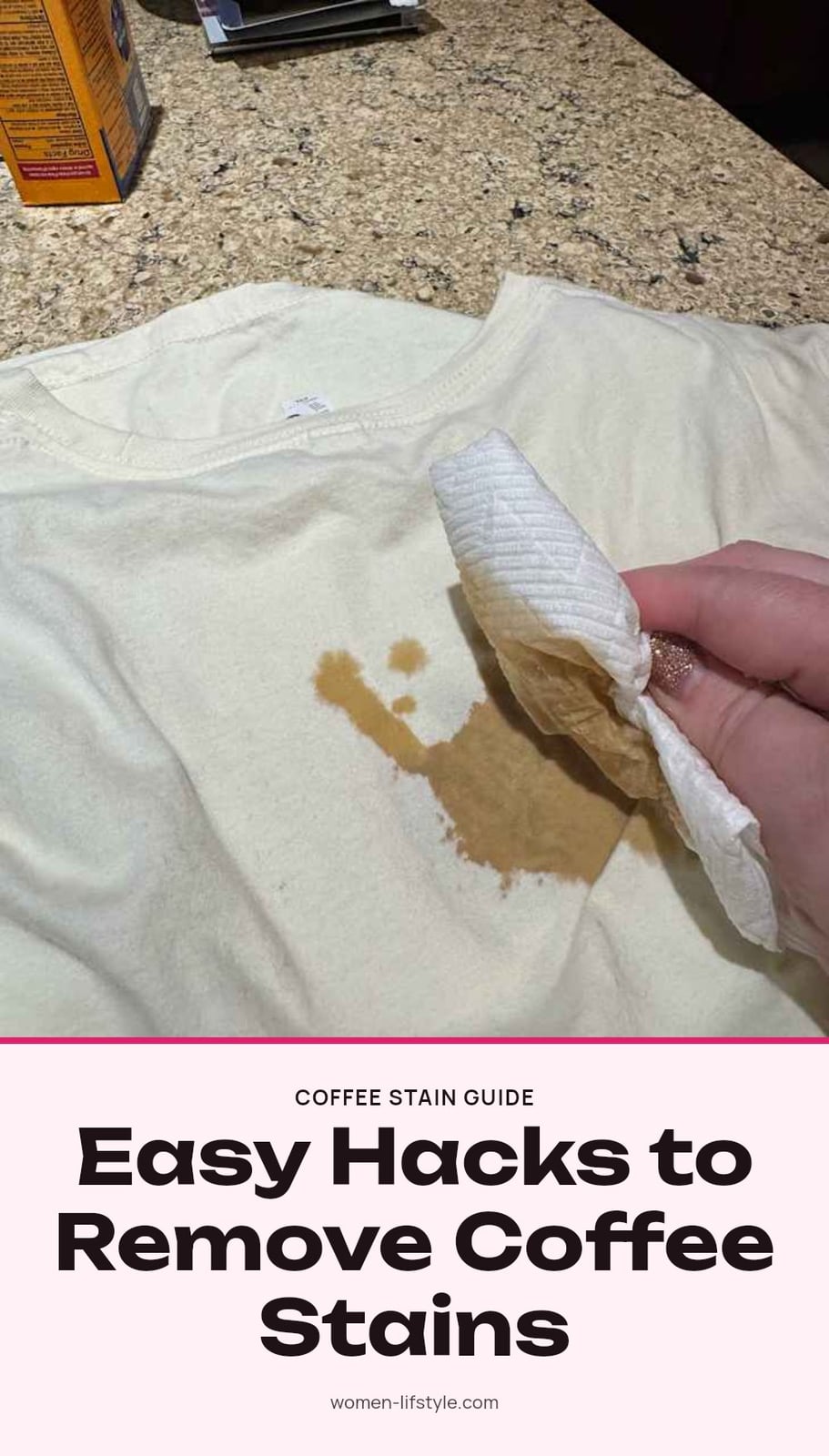
When coffee spills, every second counts. Fresh stains are far easier to lift than dried ones because the tannins haven’t bonded with the fibers yet. Grab a clean, dry cloth or paper towel and blot the area immediately. Rubbing spreads the stain and pushes it deeper. Instead, press down gently to absorb the liquid. If you can, rinse the fabric from the back with cold water to force the coffee particles out. Speed and the right technique make all the difference.
1. Blotting with a Clean Cloth

Use a clean, dry, light-colored cloth or paper towel to blot up as much liquid as possible. Start at the outer edge of the stain and work inward. This keeps the coffee from spreading outward into clean areas.
- Press and lift, don’t rub. Rubbing grinds the coffee into the fibers and makes the stain larger.
- Switch to a fresh section of cloth as it becomes saturated to avoid redepositing the stain.
My tip: Avoid rubbing vigorously, as this can push the coffee deeper into the material’s fibers. Gentle pressure is all you need.
2. Rinsing with Cold Water

For fresh stains on fabric, hold the stained area under cold running water from the back of the material. The water pressure pushes the coffee particles out of the fibers rather than driving them further in.
- Let the water flow through the stain for 30 seconds to a minute.
- If the stain remains, move on to a cleaning solution.
Caution: Avoid hot water, especially on certain fabrics, as it can set the tannins in the coffee, making the stain harder to remove. Stick with cold water for the first rinse.
3. Dish Soap Solution for Fabrics
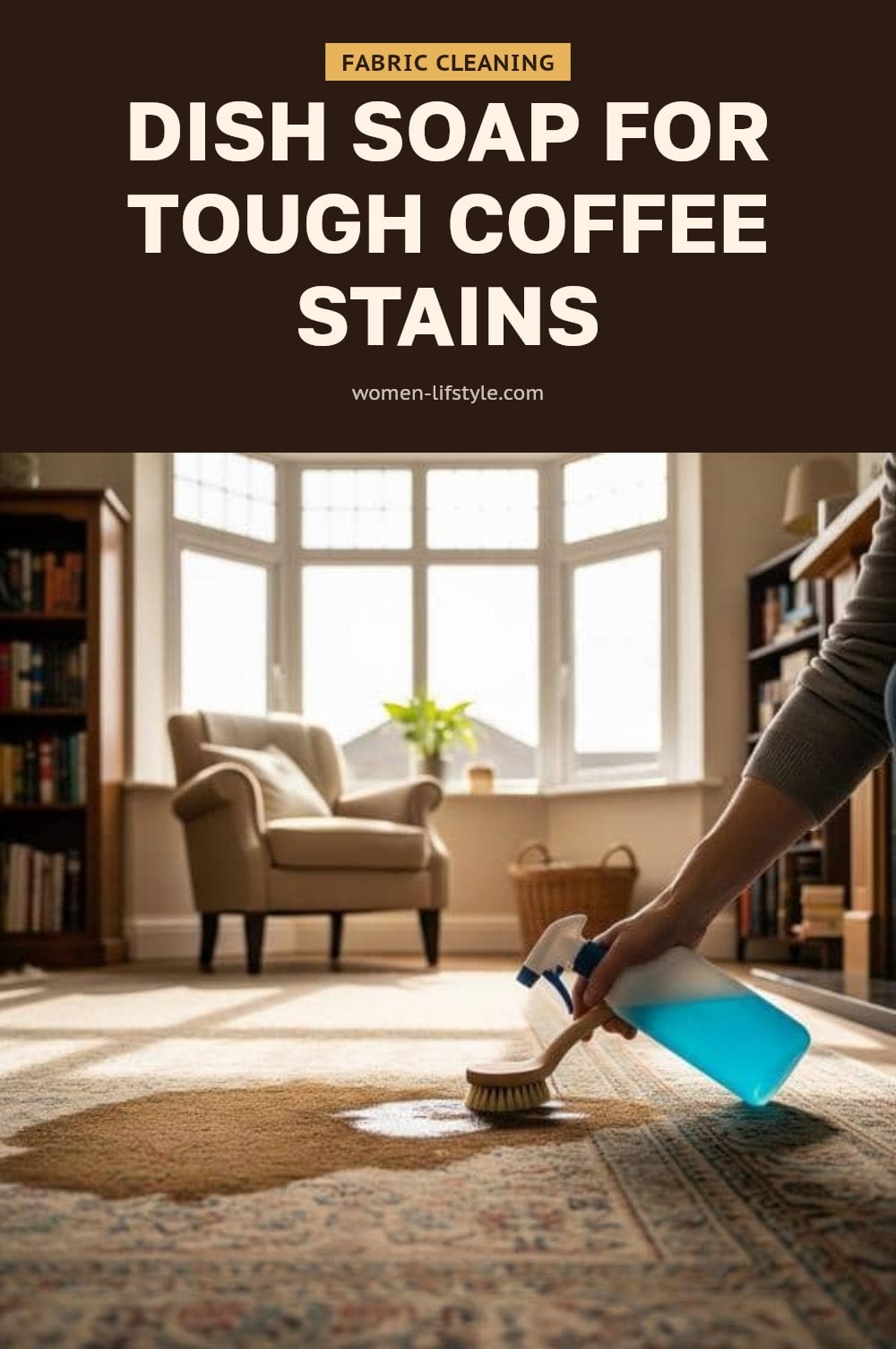
Mix a small amount of liquid dish soap with cold water to create a mild cleaning solution. Apply it to the stain with a clean cloth, dabbing gently rather than wiping.
- Use about one teaspoon of dish soap per cup of water.
- Blot the solution onto the stain and let it sit for a minute before blotting again with a dry cloth.
Dish soap helps break down the oils and tannins in coffee, lifting the stain from the fabric. Repeat if needed, then rinse with cold water and launder as usual.
4. White Vinegar for Tough Stains
For tougher stains that resist dish soap, mix one part white vinegar with two parts water. Apply the solution to the stain and let it sit for a few minutes before blotting. The mild acidity in white vinegar helps break down coffee tannins, making it effective on many fabrics.
Caution: Always patch test on an inconspicuous area first, especially on delicate or colored materials, to check for discoloration.
5. Baking Soda Paste for Absorption
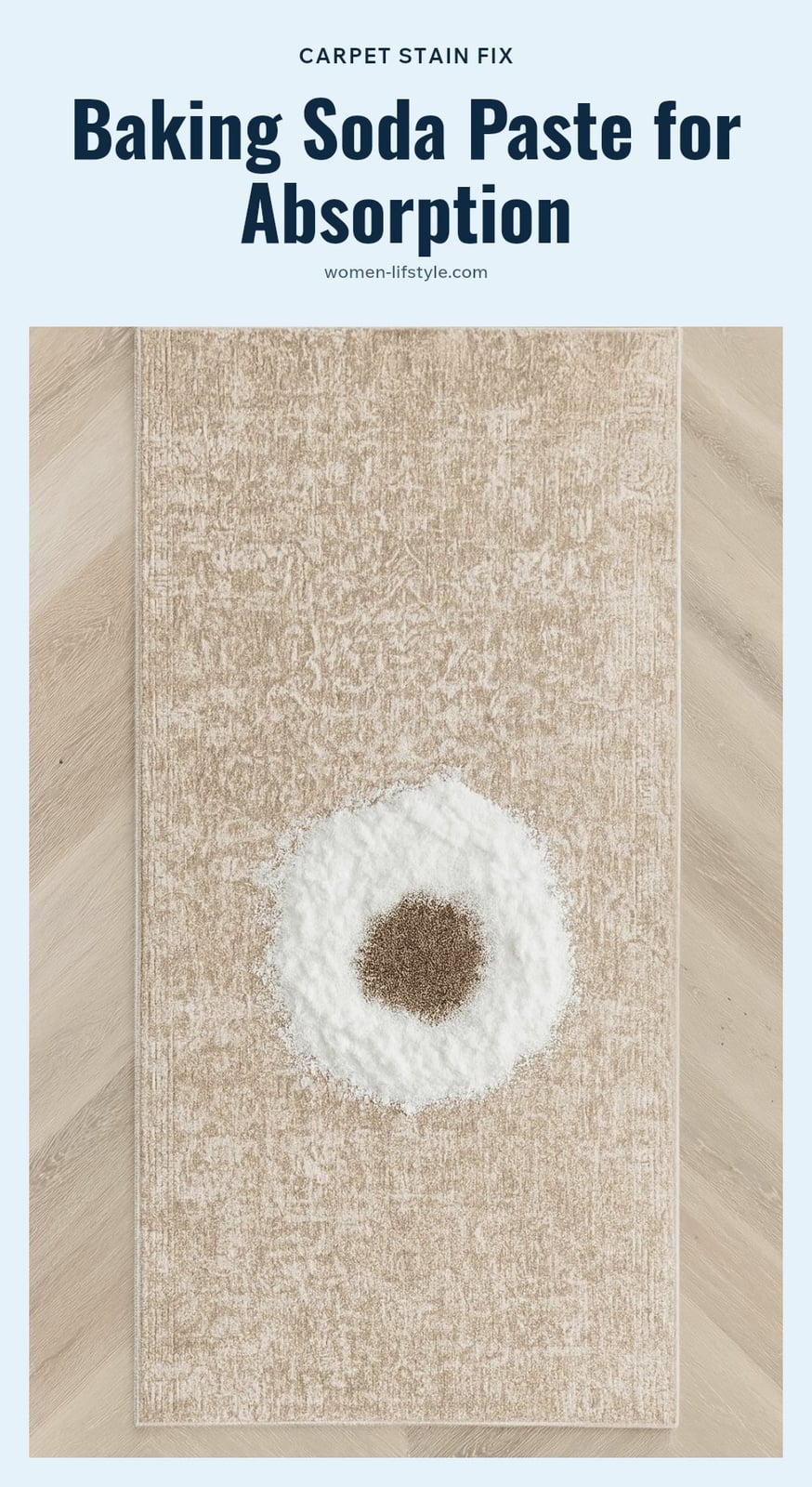
Create a paste by mixing baking soda with a small amount of water. Apply the paste directly to the stain, let it dry completely, then brush it away. The baking soda absorbs some of the stain residue and acts as a mild abrasive to lift remaining particles without damaging the fabric.
Tip: This works well on both fabric and hard surfaces for dried stains.
6. Enzyme-Based Stain Removers
For set-in or particularly challenging coffee stains, an enzyme-based stain remover is your best bet. These products break down organic stains like coffee more effectively than general cleaners. Follow the product’s instructions carefully, as application times and methods can vary.
Good to know: Enzyme cleaners are often safe for most fabrics, but always check the label first.
7. Oxygen Bleach for Whites
For white, bleach-safe fabrics, oxygen bleach can be highly effective at removing stubborn coffee stains. Always dilute it according to package directions and soak the stained item for the recommended time.
Caution: Never use chlorine bleach on colored fabrics, as it will cause permanent discoloration. Stick to oxygen bleach for color-safe options.
8. Cleaning Hard Surfaces

Coffee stains on hard, non-porous surfaces like countertops or sealed wood are the easiest to tackle. Wipe them away immediately with a damp cloth and a mild all-purpose cleaner.
My tip: If the stain has dried, make a paste with baking soda and water. Gently scrub the area with the paste using a soft cloth or sponge. The mild abrasiveness lifts the stain without scratching the surface. Rinse and dry.
9. Treating Carpet and Upholstery
Blot the stain thoroughly with a clean, dry cloth to remove as much liquid as possible. Then apply your chosen cleaning solution, either the dish soap mixture or the white vinegar solution, by dabbing it onto the stain from the outside in. Blot again with a clean, damp cloth to lift the stain.
Caution: Avoid oversaturating the area. Too much liquid can seep into the padding underneath, leading to mold growth or damage. Use cleaning solutions sparingly and blot up excess moisture.
10. Laundering After Pre-Treatment
After pre-treating the coffee stain, launder the item according to its care label. Use the recommended water temperature and detergent for the fabric.
Before tossing the garment into the dryer, check that the stain is completely gone. Tip: Heat from the dryer will set any remaining stain, making it nearly impossible to remove later. Air-dry the item first if you are unsure.
11. Patch Test Delicate Fabrics
Always perform a patch test on delicate fabrics before applying any cleaning solution to the main stain. This step confirms that the solution will not cause discoloration or damage.
Good to know: Test on an inconspicuous area, such as an inside seam or a hidden corner. Apply a small amount of the solution, wait a few minutes, and blot dry. If the fabric looks unchanged, proceed with the stain treatment.
Common Coffee Stain Removal Mistakes to Avoid
Rubbing the Stain: Rubbing spreads the coffee and pushes it deeper into the fibers. Always blot gently from the outside in to lift the stain without embedding it further.
Waiting Too Long: Fresh stains are far easier to remove. The longer you wait, the more the tannins bond with the fabric, making the stain permanent.
Using Hot Water on Fresh Stains: On many fabrics, especially protein-based ones like wool or silk, hot water can set the stain. Stick to cold water to flush out the coffee.
Oversaturating Carpets or Upholstery: Too much liquid can seep into the padding and cause mold, mildew, or structural damage. Use cleaning solutions sparingly and blot up excess moisture.
Drying a Stained Item: Never put a garment in the dryer until the stain is completely gone. Heat will permanently set the stain, making removal nearly impossible.
Frequently Asked Questions
Can old coffee stains be removed?
Yes, old coffee stains can often be removed, but they are more challenging than fresh ones. Soak the item in cold water with an enzyme-based stain remover or oxygen bleach (for whites) for several hours. Repeat the treatment as needed, and avoid heat until the stain is gone.
Does coffee stain removal work on all fabrics?
Most fabrics can be treated, but delicate materials like silk or wool require extra care. Always perform a patch test on an inconspicuous area first. For valuable or antique items, consider consulting a professional cleaner to avoid damage.
What if I don’t have white vinegar?
You can substitute white vinegar with lemon juice, which also has mild acidic properties that break down coffee tannins. Alternatively, use a simple dish soap solution or an enzyme-based stain remover. Avoid mixing different cleaners unless directed.
Will hot water set a coffee stain?
Hot water can set coffee stains on some fabrics, especially protein-based ones like silk or wool. For fresh stains, use cold water to rinse and treat. Heat from a dryer or iron can also set the stain, so always check that the stain is gone before drying.
When should I call a professional cleaner for coffee stains?
Call a professional if the stain is on a delicate or valuable item, such as antique upholstery, silk, or wool, and home methods have not worked. Also seek help if the stain has been heat-set or if you notice discoloration during your attempts. Professionals have specialized tools and solvents.
Final Thoughts
For the best results, treat coffee stains as soon as they happen. Start with blotting and cold water, then move to a mild cleaning solution like dish soap or white vinegar. If the stain remains after cleaning, repeat the process or try an enzyme-based remover. Expect to see improvement after one round of treatment, but stubborn stains may need a second attempt. With these methods, you can handle most coffee spills at home without stress.
