

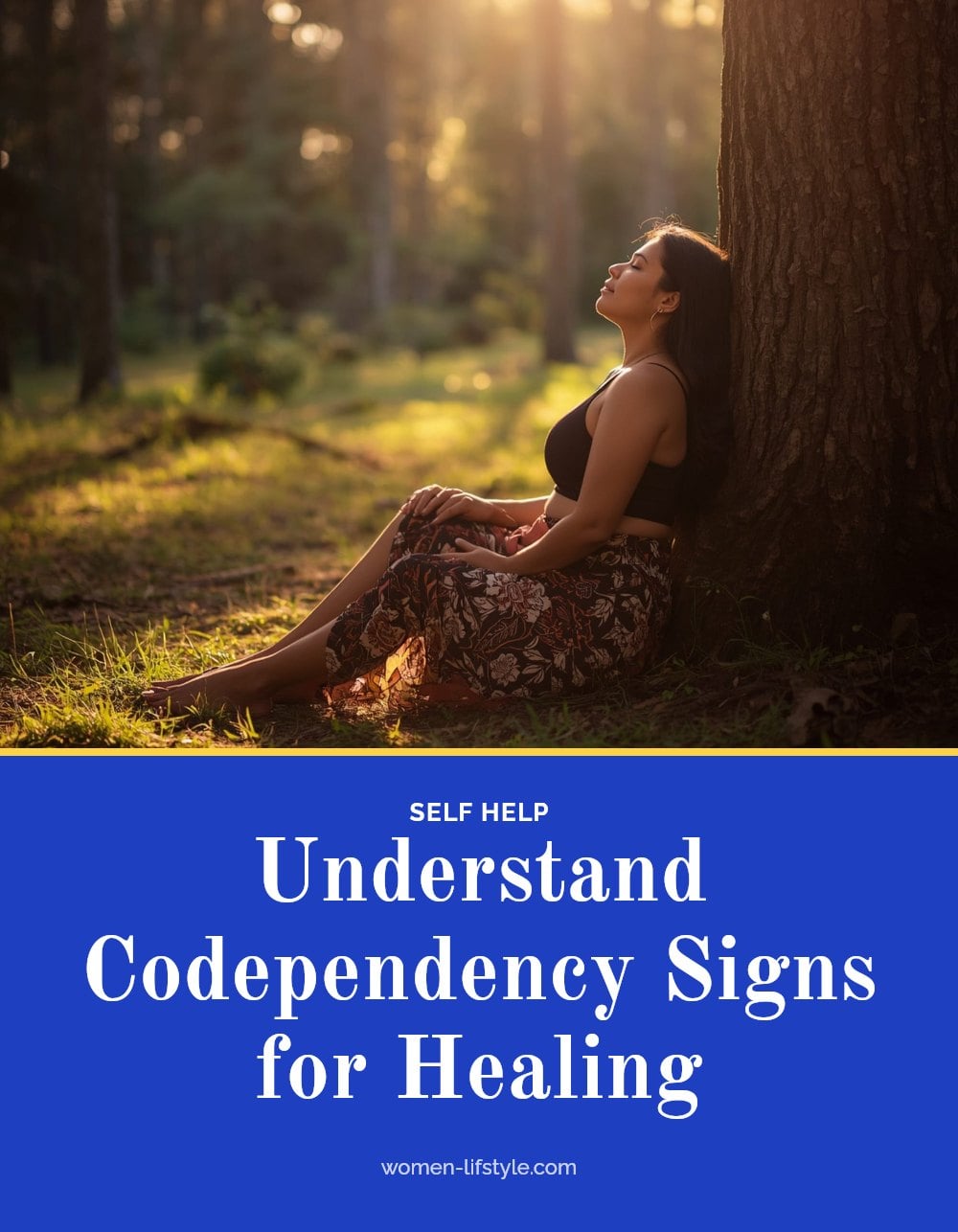
If you often feel like your happiness depends on someone else’s mood or you constantly put others’ needs before your own, you might be experiencing codependency. This pattern can leave you feeling drained, resentful, and unsure of who you are outside of your relationships. In this article, I’ll walk you through the key signs of codependency and practical steps to start building healthier, more balanced connections with yourself and others.
Key Takeaways
- Codependency involves tying your self-worth to another person’s needs or approval.
- Setting clear boundaries is essential for breaking codependent patterns.
- Neglecting your own needs to care for others can lead to resentment and burnout.
- Recovery focuses on rebuilding your sense of self and practicing self-care.
- Seeking professional support is recommended, especially if abuse is present.
What is Codependency?
Codependency is a behavioral pattern where your self-esteem and identity become excessively tied to another person’s needs or problems. It often involves an unhealthy focus on ‘fixing’ or controlling others, which leads you to neglect your own needs and boundaries. While not a formal diagnosis in the DSM-5, it’s a widely recognized pattern that can affect romantic, familial, and friendly relationships. Many people find that recognizing this pattern is the first step toward healthier connections.
1. Recognizing Excessive Reliance on Others

A core sign of codependency is an excessive reliance on others for approval and a sense of identity. If your mood hinges on someone else’s validation, that’s a red flag.
My tip: Reflect on how much your self-worth depends on external validation. Ask yourself: do you feel lost or anxious without someone else’s approval? Noticing this internal reliance is where change begins.
2. Struggling with Healthy Boundaries

Codependent individuals often struggle with setting clear and firm boundaries in their relationships. This can mean saying ‘yes’ when you mean ‘no,’ or allowing others to overstep your personal space and needs without speaking up.
My tip: Start small by identifying one area where you can set a boundary this week, even if it feels uncomfortable. For example, politely decline a request that drains your energy. Each small boundary reinforces your self-worth.
3. Neglecting Your Own Needs
People with codependent tendencies frequently neglect their own needs and desires to cater to others. From sacrificing hobbies to ignoring my own emotional well-being, I learned that constantly putting others first eventually leaves you empty.
This pattern can lead to resentment and burnout over time. Recognizing that your needs matter too is essential for breaking the cycle.
4. Experiencing Control Issues
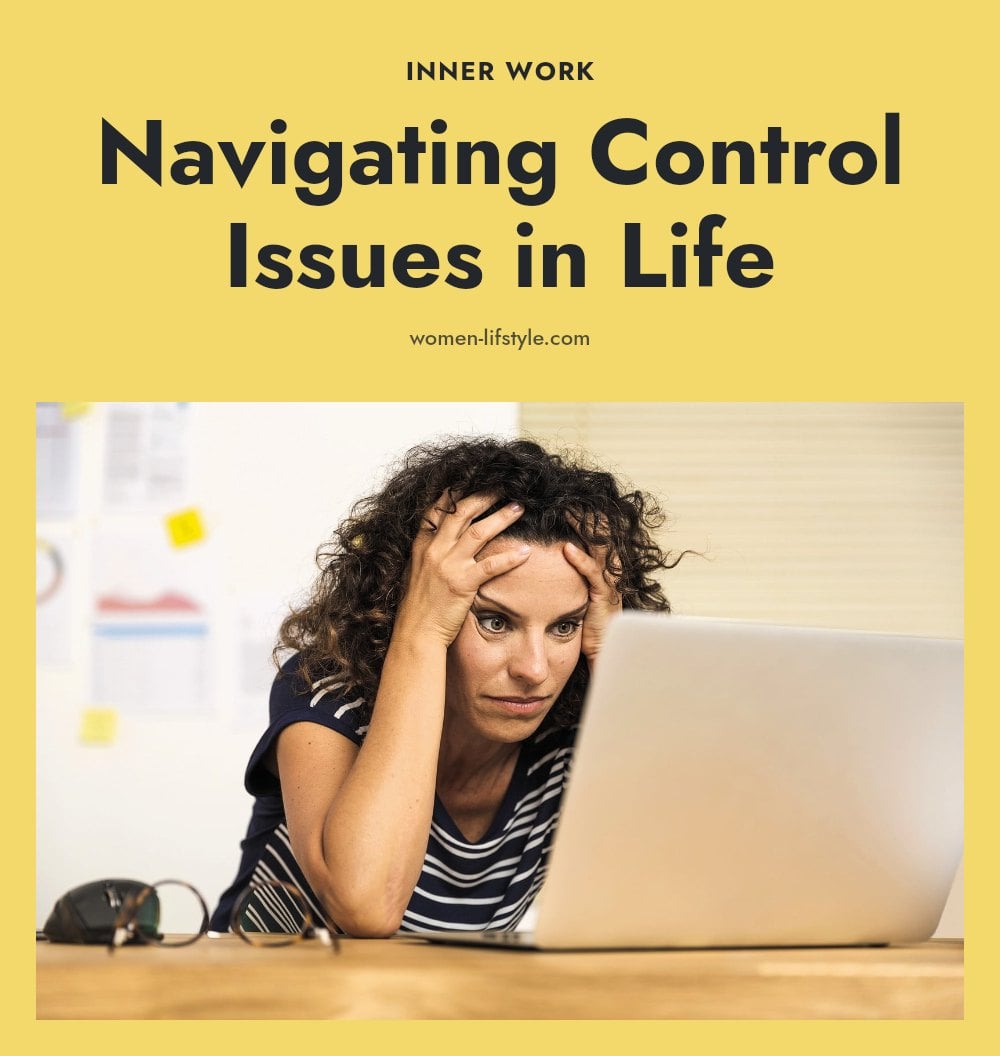
Control issues often show up on both sides of a codependent relationship. You might try to ‘fix’ a partner’s problems or feel responsible for their choices and happiness. On the flip side, you may let others dictate your decisions because you fear their disapproval.
Tip: Notice when you start taking charge of someone else’s life. Ask yourself if that responsibility is actually yours to carry.
5. Underlying Low Self-Esteem and Fear
Low self-esteem and a deep fear of abandonment often sit underneath codependent patterns. When you don’t trust your own worth, you look for it in someone else’s approval, which makes you terrified they might leave.
Good to know: Acknowledge these fears without letting them dictate your actions. Simply naming them can loosen their grip and give you room to choose differently.
6. Developing a Stronger Sense of Self

Recovery from codependency means building a stronger sense of self that isn’t tied to another person. Start by rediscovering what you enjoy on your own, whether that’s a hobby you dropped or a new interest you never made time for.
Your values and happiness need to come from inside you, not from how much you do for others. This shift is what makes relationships feel balanced instead of draining.
7. Practicing Clear Communication
Clear communication is a direct way to break codependent patterns. You have to identify what you feel and need first, then express it honestly.
Pro move: Use ‘I’ statements to keep the focus on your experience without sounding accusatory. Say ‘I feel overwhelmed when plans change last minute’ instead of ‘You always change plans and stress me out.’
8. Cultivating Reciprocal Relationships

Healthy relationships are a two-way street. Both people give support and receive it, without one person always carrying the load. To cultivate this, look for friends or partners who respect your time and opinions as much as their own.
Tip: Pay attention to how you feel after spending time with someone. If you feel drained or used rather than supported, that relationship may still lean codependent. Nurture the connections that feel balanced.
9. Prioritizing Self-Care
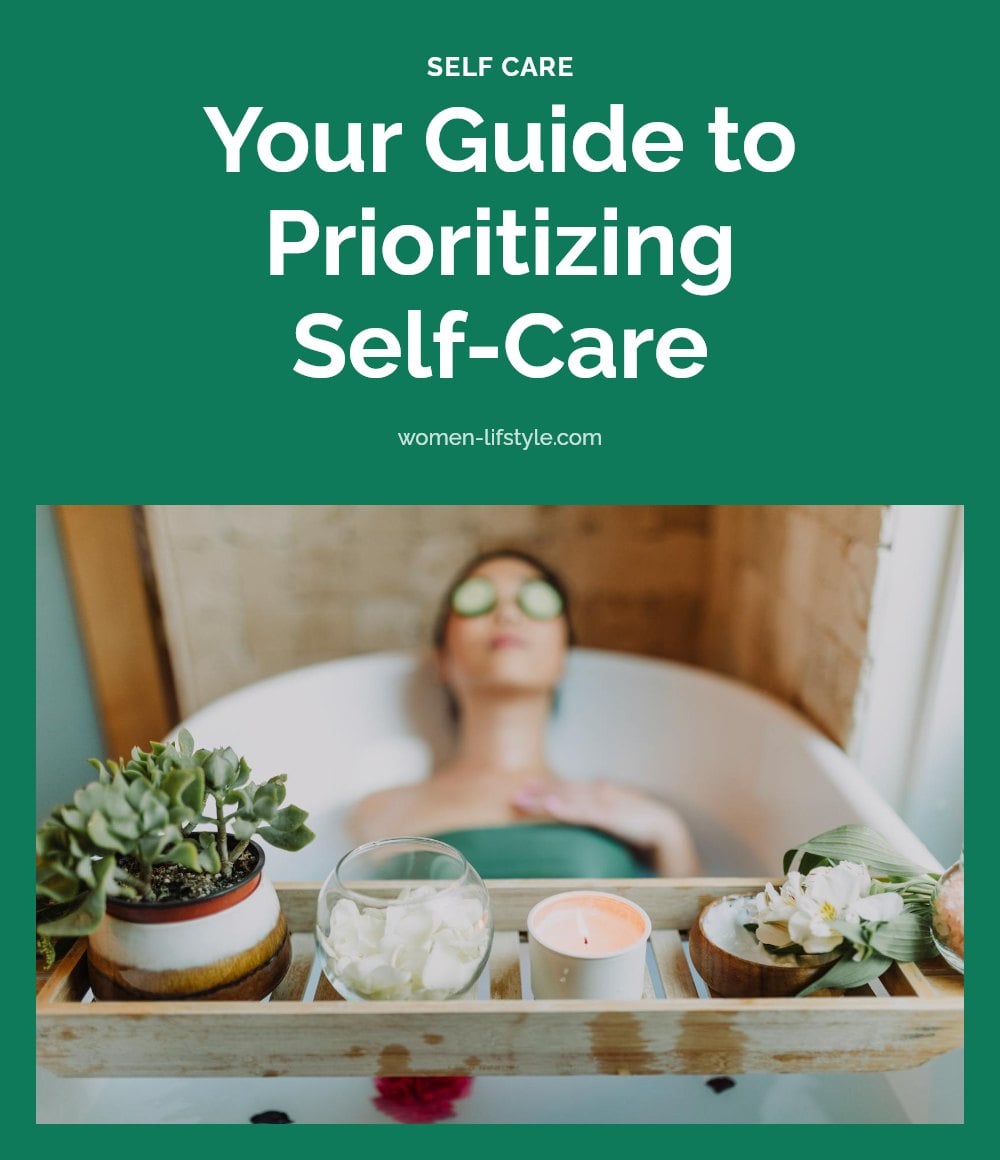
Making self-care a non-negotiable part of your routine is vital for emotional well-being. This is not selfish. When you consistently recharge, you have more energy and capacity to engage authentically with others without resentment.
Start with one small act each day that is just for you, like a 10-minute walk alone or reading a chapter of a book. Over time, these moments rebuild your sense of self and prevent burnout.
10. Seeking Professional Support
Seeking support from a therapist or support group specializing in codependency can provide invaluable guidance. A good therapist helps you uncover underlying patterns and develop coping mechanisms that work for your specific situation.
Quick tip: Look for a therapist who uses cognitive behavioral therapy or one trained in family systems work. Support groups like Co-Dependents Anonymous offer a free, peer-led space to share experiences and strategies.
- Therapy can address underlying issues like low self-esteem or fear of abandonment that fuel codependent patterns.
- Many people find that professional guidance accelerates their progress compared to working alone.
11. Understanding Generational Patterns
Codependency can be passed down through generations, often learned in dysfunctional family environments. If you grew up in a home where your needs were secondary to a parent’s problems, you may have internalized this pattern without realizing it.
Recognizing these family patterns is a powerful step toward breaking the cycle. When you see how the behavior was modeled for you, you can consciously choose a different path for yourself and your own relationships.
When to Seek Professional Guidance
If your relationship involves any form of abuse, physical, emotional, verbal, or sexual, seek professional help immediately. Your safety comes first. Even without abuse, if you keep trying to change codependent patterns on your own and can’t seem to make progress, a therapist or support group like Co-Dependents Anonymous can provide strategies that actually work for your situation. Professional support is also recommended when codependency is causing significant anxiety, depression, or severe relationship distress that interferes with your daily life. A qualified mental health professional can help you uncover underlying patterns and develop coping mechanisms tailored to your needs.
Frequently Asked Questions
Is codependency a mental illness?
Codependency is not a formal diagnosis in the Diagnostic and Statistical Manual of Mental Disorders (DSM-5). However, it is widely recognized as a behavioral pattern that can cause significant emotional distress. If you suspect you have codependent tendencies, speaking with a mental health professional can help you understand and address the underlying issues.
Can a codependent relationship ever be healthy?
Codependent relationships are generally unbalanced and can lead to resentment, anxiety, and loss of self. While it’s possible for both people to work on their patterns and create a healthier dynamic, it requires mutual effort, clear boundaries, and often professional guidance. If one person is unwilling to change, the relationship may remain unhealthy.
How long does it take to recover from codependency?
Recovery from codependency varies greatly for each individual. It depends on factors like the severity of the patterns, your support system, and whether you work with a therapist or support group. Many people find that it’s an ongoing process that unfolds over months or years, not a quick fix.
What’s the difference between caregiving and codependency?
Caregiving is a healthy act of support that respects both people’s boundaries and needs. Codependency, on the other hand, involves neglecting your own well-being to an excessive degree, often because your self-worth is tied to fixing or controlling someone else. If caring for others leaves you feeling empty or resentful, it may be codependency.
Final Thoughts
Recognizing codependent patterns is the first step toward change. Start by picking one small boundary to practice this week, like saying no to a request that drains you. Recovery takes time and often requires ongoing effort, so be patient with yourself. You deserve relationships where your needs matter just as much as anyone else’s.
This article is for informational purposes only and does not constitute professional medical or mental health advice. If you are experiencing persistent emotional distress, relationship difficulties, or suspect you may be in an abusive situation, please consult a qualified mental health professional or a licensed therapist.
