

You open your closet and feel overwhelmed by a sea of clothes you never wear. A closet cleanout is the key to changing that, helping you create a space that actually works for your life today. This guide walks you through the entire process, from pulling everything out to deciding what stays and how to keep it organized long term.

Key Takeaways
- Take everything out of your closet first to see your full wardrobe.
- Sort each item into keep, donate/sell, or discard piles.
- Ask if each item sparks joy or fits your current lifestyle.
- Store off-season clothes separately to free up main closet space.
- Repeat the process seasonally or at least twice a year.
What Is a Closet Cleanout?
A closet cleanout is a systematic process of going through your wardrobe to decide what to keep, donate, sell, or discard. The goal is to create an organized, functional, and enjoyable space that reflects your current style and needs. It involves understanding your personal style and making intentional choices about your belongings, not just decluttering.
Essentials for Your Closet Cleanout

Before you start, gather these essentials to make the process smooth and efficient.
- Matching hangers for uniformity and better organization.
- Storage bins or baskets for smaller items like scarves and belts.
- Drawer dividers to keep categories separate and tidy.
- A full-length mirror for trying on clothes and checking fit.
- Separate bags for trash, donations, and items to sell.
Step-by-Step: How to Declutter Your Closet
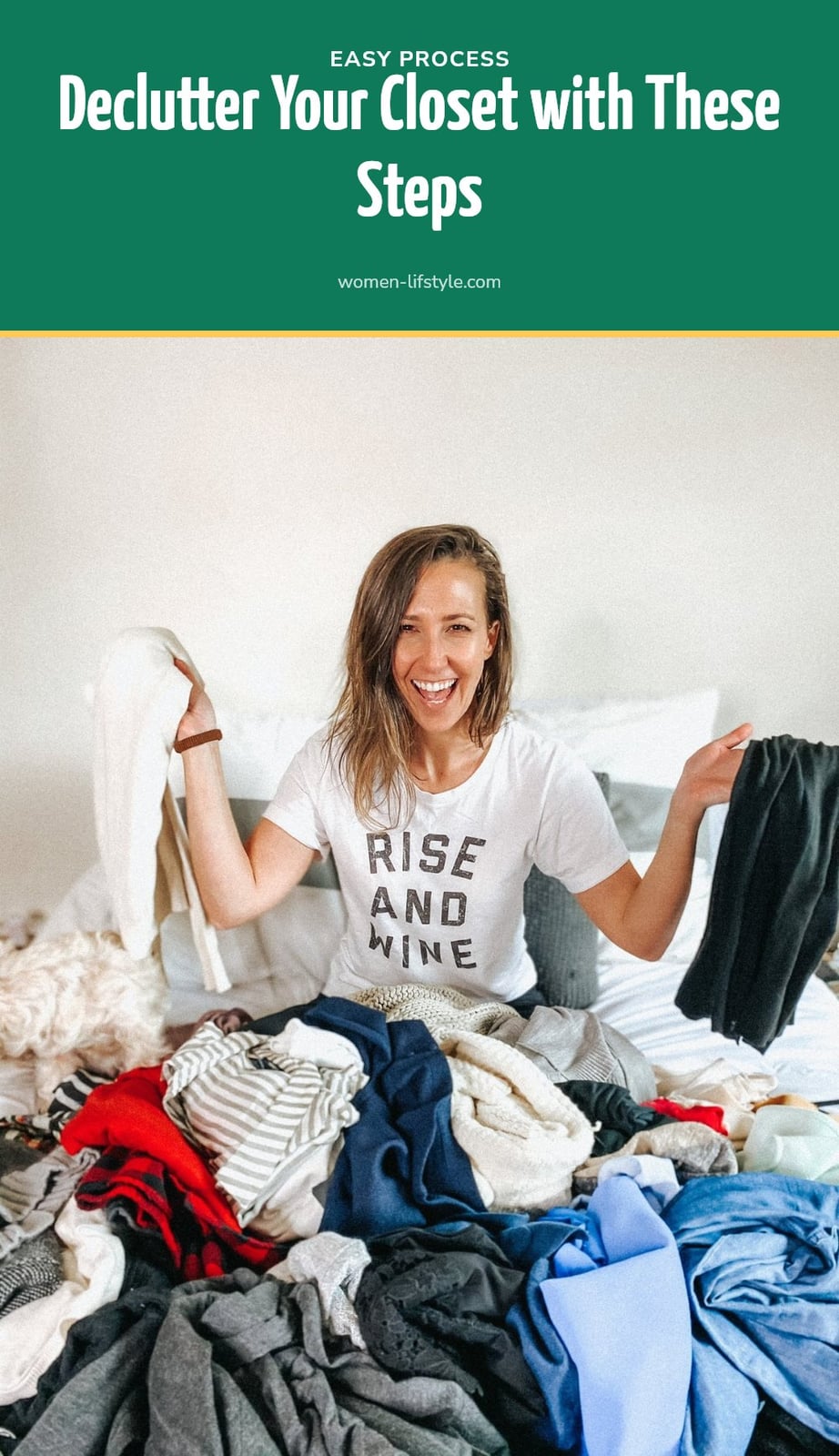
- Empty your entire closet: Take everything out and lay it on your bed or floor. This gives you a fresh perspective on everything you own.
- Create three piles: Sort each item into ‘keep,’ ‘donate/sell,’ or ‘discard.’ Be honest about what you actually wear and what fits your current lifestyle.
- Try on unsure items: If you’re on the fence about something, put it on. Assess the fit, feel, and how it makes you look and feel.
- Discard damaged items: Toss anything that is damaged beyond repair, stained, or ill-fitting. If it can’t be fixed or worn, let it go.
- Store off-season clothes separately: Pack away winter coats in summer and summer dresses in winter. This frees up prime closet space for what you need now.
- Categorize as you put back: Group clothes by type (shirts, pants, dresses) and then by color within each type. This makes getting dressed faster and easier.
Choosing What to Keep: Popular Methods

When you’re deciding what stays, these methods can help you make clear, confident choices.
KonMari Method
Hold each item and ask yourself if it ‘sparks joy.’ If it does, keep it. If not, thank it and let it go. My tip: This works best when you handle each piece slowly and honestly.
One-Year Rule
If you haven’t worn an item in a year, it’s a strong candidate for removal. Exceptions include formal wear or seasonal gear, but for everyday clothes, this rule cuts through hesitation. My tip: Turn all your hangers backward at the start of the year, then turn them forward as you wear items. After 12 months, anything still backward goes.
Fit and Feel Check
Try on items you’re unsure about. If they don’t fit well or don’t make you feel good, they don’t belong in your closet. Tip: Be ruthless here. If you have to suck in or adjust constantly, it’s not a keeper.
Lifestyle Relevance
Consider whether each item aligns with your current lifestyle. That blazer you wore to the office three years ago? If you work from home now, it may not serve you. Good to know: Keep only what you actually reach for in your daily life, not what you think you should wear.
Common Closet Cleanout Mistakes to Avoid
Keeping clothes that are too small or too big: Holding onto items for a “someday” body wastes space and adds guilt. If it doesn’t fit your current body and lifestyle, let it go.
Holding onto sentimental items: A prom dress or a worn-out sweater can stay if it has a real purpose, but if it just takes up space and you never use it, it’s clutter. Keep only one or two truly meaningful pieces.
No plan for the discard pile: Before you start, have a bag for donations, a box for selling, and a trash bag for damaged items. Without a clear system, you’ll pile everything back in.
Putting items back without a system: After sorting, categorize by type (shirts, pants, dresses) and then by color. If you just toss things back, you’ll be back to chaos in a week.
Cleaning out when tired or rushed: A cleanout takes a few hours. If you start when you’re exhausted, you’ll make poor decisions. Set aside a full morning or afternoon.
Buying new clothes right after: Wait at least two weeks before shopping. Assess what you actually need based on the gaps you found, not the excitement of a fresh closet.
Maintaining an Organized Closet Long-Term

Invest in proper storage: Use matching hangers, drawer dividers, and shelving to keep categories separate. This makes getting dressed faster and keeps things tidy.
Assess before you buy: Before any new purchase, check your closet. Do you already have three black sweaters? If yes, skip it.
Adopt a one-in, one-out rule: For every new item you bring in, remove one. This keeps your wardrobe from expanding again.
Schedule mini cleanouts: Do a quick 30-minute sweep each season or at least twice a year. Pull out anything you didn’t wear and donate it.
Keep donation bags handy: Place a bag in your closet or entryway. When you decide an item no longer works, put it in the bag immediately. This prevents piles from building up.
Time and Frequency for Closet Cleanouts
A thorough closet cleanout takes anywhere from a few hours to a full day. The size of your wardrobe and how fast you make decisions are the main factors. Plan for at least four hours if you have a full closet.
Repeat the process seasonally or at least twice a year. This keeps your space functional and prevents clutter from building up.
The primary cost is your time and effort. Investing in good quality, matching storage solutions is a one-time expense that saves you time long-term by making maintenance easier.
Frequently Asked Questions
How often should I clean out my closet?
It’s best to repeat the process seasonally or at least twice a year. This keeps your wardrobe current and prevents clutter from building up again. If you notice you’re struggling to find things or feeling overwhelmed, it might be time for another cleanout.
What is the ‘one year rule’ for clothes?
The one-year rule suggests that if you haven’t worn an item in the past year, it’s a candidate for removal. This rule helps you let go of pieces that no longer fit your lifestyle or taste. It’s a simple guideline, not a strict law, so use your judgment for seasonal or special occasion items.
What should I do with sentimental items I don’t wear?
Sentimental pieces can be hard to part with. My tip: take a photo of the item to preserve the memory, then donate or discard the physical piece. If the item truly sparks joy and you have space, keep it, but limit yourself to a small number of sentimental keepsakes.
Is it better to donate or sell old clothes?
Donating is quick and helps charity, while selling can recoup some money, especially for gently used, high-quality items. Consider your time and effort: selling takes more work. For most everyday clothes, donating is the simplest and most responsible option.
How can I prevent my closet from getting cluttered again?
Invest in proper storage like matching hangers, drawer dividers, and shelving to keep categories separate. Before buying anything new, check your closet to avoid duplicates. Also, make it a habit to reassess your wardrobe seasonally so clutter doesn’t sneak back in.
Final Thoughts
My tip: Start with the one-year rule. If you haven’t worn it in twelve months, let it go. Expect the first cleanout to take a few hours to a full day, depending on your wardrobe size. The result is a closet that makes getting dressed faster and more enjoyable.
