

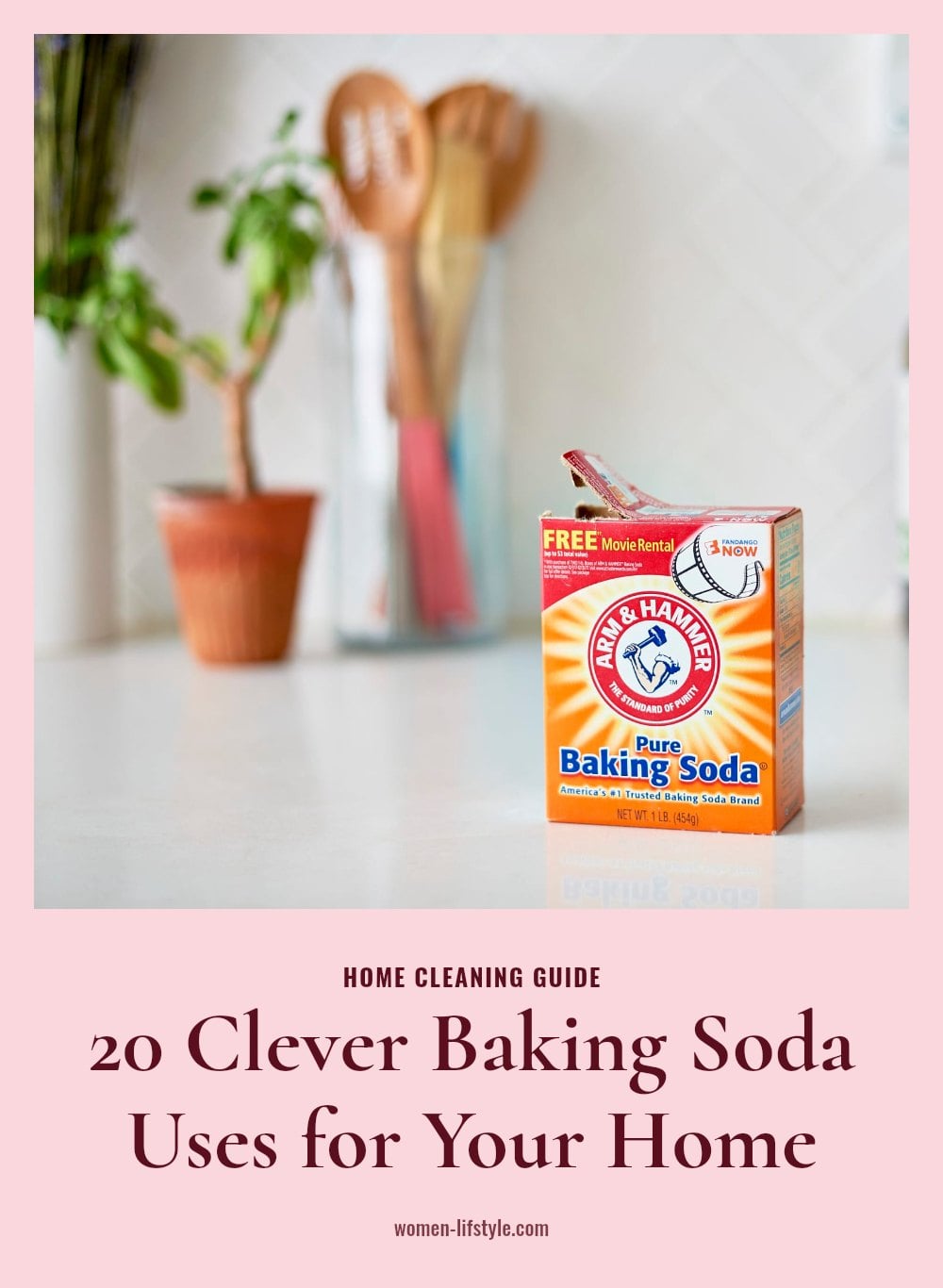
You probably have a box of baking soda tucked in your pantry, but it does so much more than help cookies rise. This simple white powder is a gentle abrasive, a natural deodorizer, and a pH balancer, making it a powerhouse for cleaning and freshening up your home. In this article, I’ll walk you through twenty clever ways to put baking soda to work, from the kitchen to the laundry room, and share tips to get the best results.
Key Takeaways
- Mix 3 parts baking soda with 1 part water for a scrubbing paste.
- Add 1/2 cup baking soda to laundry to boost detergent and brighten whites.
- Let baking soda sit on odors for several hours or overnight.
- Test baking soda on a hidden area before using on new surfaces.
- Never use baking soda on aluminum, sterling silver, or waxed surfaces.
Why Baking Soda is Your Home’s Best Friend
Baking soda, or sodium bicarbonate, is a mild alkali that cleans, deodorizes, and gently scrubs surfaces without scratching most materials. Its versatility comes from its ability to neutralize odors, act as a mild abrasive, and balance pH levels. That makes it a safe, non-toxic, and eco-friendly alternative for many household cleaning tasks. I keep a box in every room.
Kitchen Cleaning Powerhouse
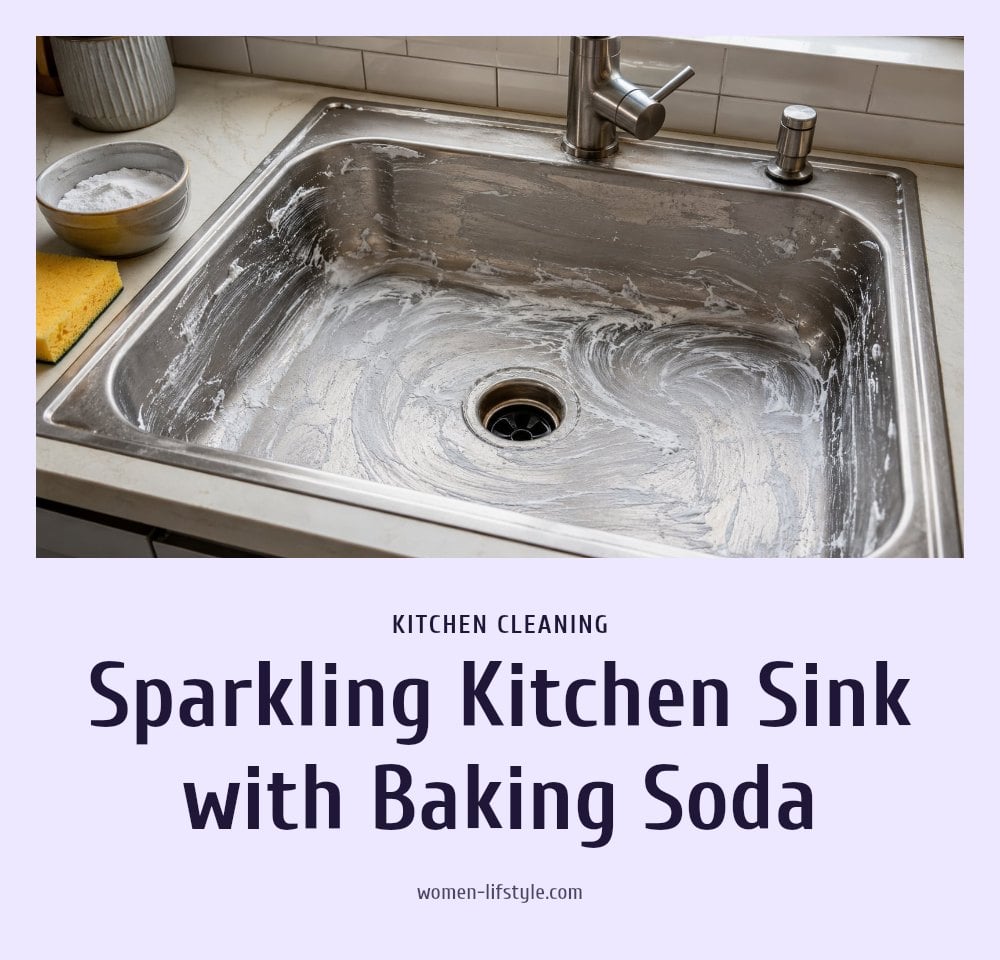
Baking soda turns into a powerhouse cleaner the moment you add water. For sinks, countertops, and stovetops, mix 3 parts baking soda with 1 part water to form a thick paste. Apply with a sponge, scrub gently, then rinse. The mild abrasive lifts grime without scratching stainless steel or porcelain.
Fridge and Freezer Odor Control
Place an open box of baking soda on a shelf to absorb food odors. Replace it every 3 months for best results. You can also sprinkle a thin layer on a plate and set it inside to speed up deodorizing.
Sponges and Cutting Boards
Sprinkle baking soda directly onto damp sponges and cutting boards, let sit for 5 minutes, then rinse. This neutralizes lingering food smells like garlic or onion. For deeper deodorizing, soak cutting boards in a baking soda solution (2 tablespoons per quart of water) for 15 minutes.
Produce Wash
Clean fruits and vegetables with a baking soda wash. Fill a bowl with cold water, add 1 teaspoon of baking soda, and soak produce for 5 minutes. Rinse thoroughly. This helps remove dirt and some pesticide residues.
Minor Drain Unclogging
For slow drains, pour 1/2 cup of baking soda down the drain, followed by 1/2 cup of vinegar. Let the fizzing reaction work for 10 minutes, then flush with hot water. This works for minor blockages, not severe clogs.
Bathroom Brightening and Deodorizing
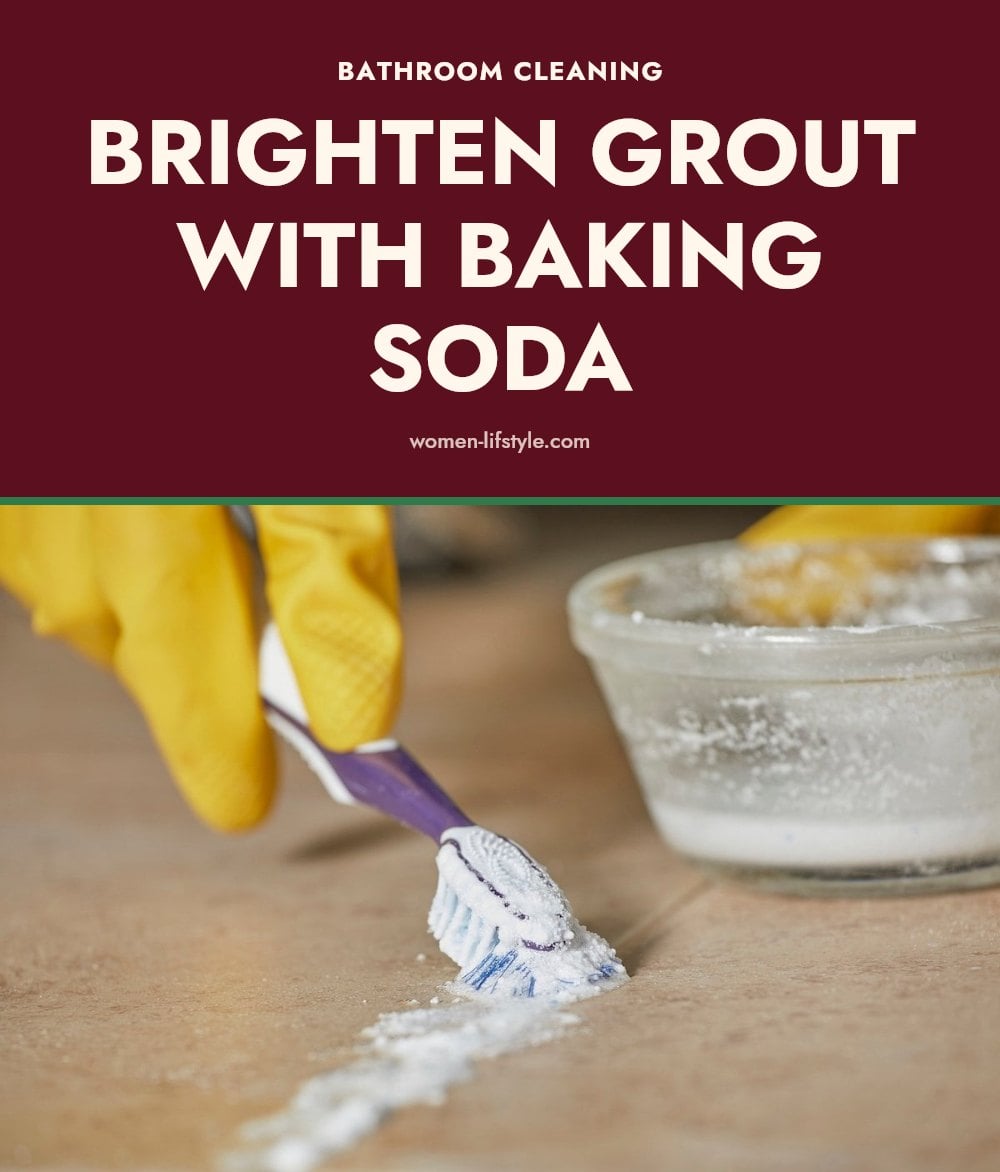
Baking soda makes quick work of soap scum and hard-water stains in the bathroom. For grout and tile, make a paste with baking soda and water, apply it to the grout lines, and scrub with an old toothbrush. Let it sit for 10 minutes before rinsing to lift embedded dirt.
Toilet Bowl Cleaning
Sprinkle 1/2 cup of baking soda into the toilet bowl, let it sit for 15 minutes, then scrub with a toilet brush and flush. The mild abrasive removes stains without scratching porcelain. For tough rings, add a splash of vinegar and let it fizz before scrubbing.
Drain Deodorizing
Pour 1/2 cup of baking soda down the drain, then follow with a pot of boiling water. This neutralizes odors and helps keep pipes fresh. Do this weekly to prevent buildup.
Shower Curtains
Clean shower curtains with a baking soda solution. Mix 1/4 cup of baking soda in a spray bottle filled with warm water. Spray the curtain, wipe with a sponge, and rinse. This removes mildew stains and soap residue.
Chrome Fixtures
Shine chrome faucets and showerheads by sprinkling baking soda on a damp cloth and wiping. Rinse with water and buff dry. Baking soda is safe for chrome fixtures. Caution: Do not use baking soda on gold-plated or sterling silver fixtures, as it can be too abrasive and cause scratching or damage.
Laundry and Fabric Refreshing
Add 1/2 cup of baking soda to your regular laundry detergent to boost cleaning power and brighten whites. The baking soda helps balance pH levels in the wash water, making detergent more effective. It also softens fabrics naturally.
Shoe Deodorizing
Sprinkle baking soda inside smelly shoes and let it sit overnight. Shake out the excess in the morning. For persistent odors, repeat for a few nights.
Carpets and Upholstery
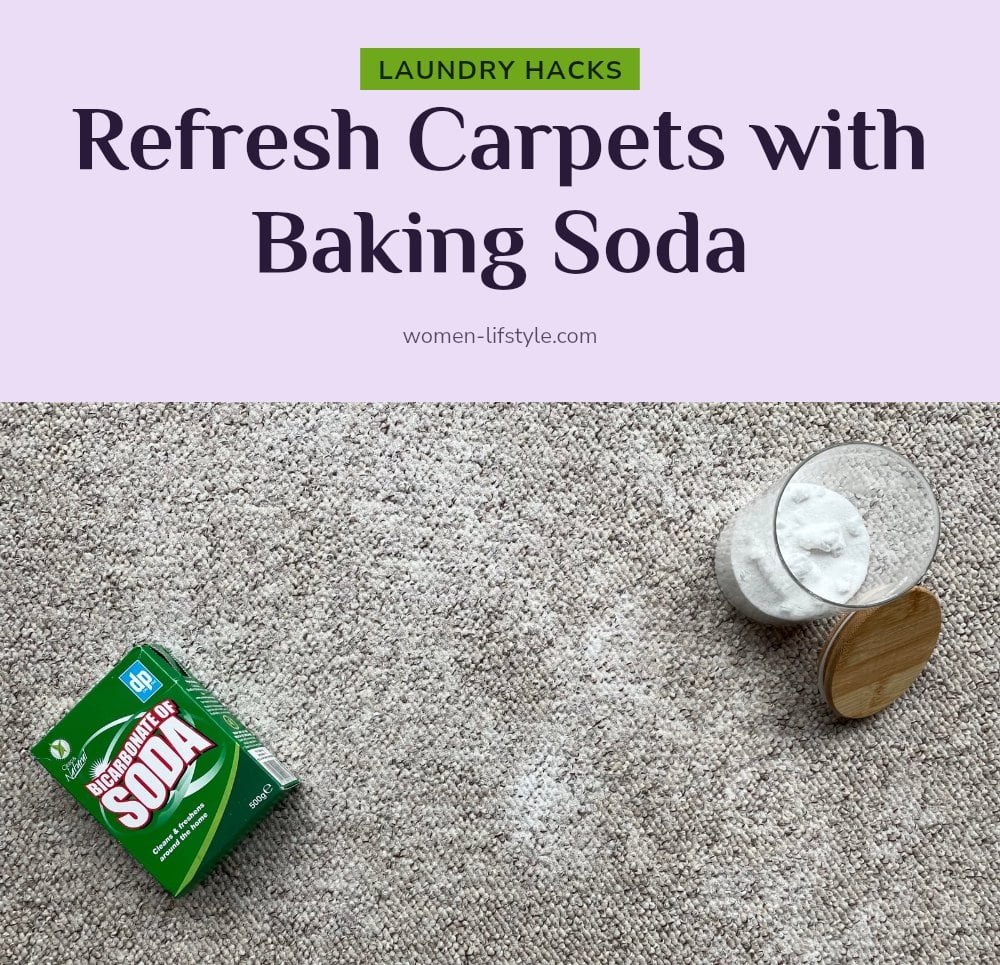
Freshen carpets and upholstery by sprinkling a generous layer of baking soda, letting it sit for at least 30 minutes (or overnight for strong odors), then vacuuming thoroughly. This neutralizes pet smells and musty odors.
Tough Stains
For stains on clothing, make a paste of baking soda and water. Apply it to the stain, let it sit for 10 minutes, then wash as usual. This works on grease and food stains.
Musty Towels
Add 1/2 cup of baking soda to the wash cycle along with your towels to remove musty smells. For extra freshness, add 1/2 cup of vinegar to the rinse cycle. Avoid using too much baking soda, as it can leave a powdery residue if not rinsed properly.
Other Smart Baking Soda Hacks
Baking soda can handle emergencies and outdoor messes too. For a small grease fire on the stovetop, grab the box and pour baking soda directly onto the flames to smother them. Caution: Never use this on a large fire or an oven fire, and always keep a proper fire extinguisher nearby. Do not use baking soda on waxed surfaces, as it can strip the wax.
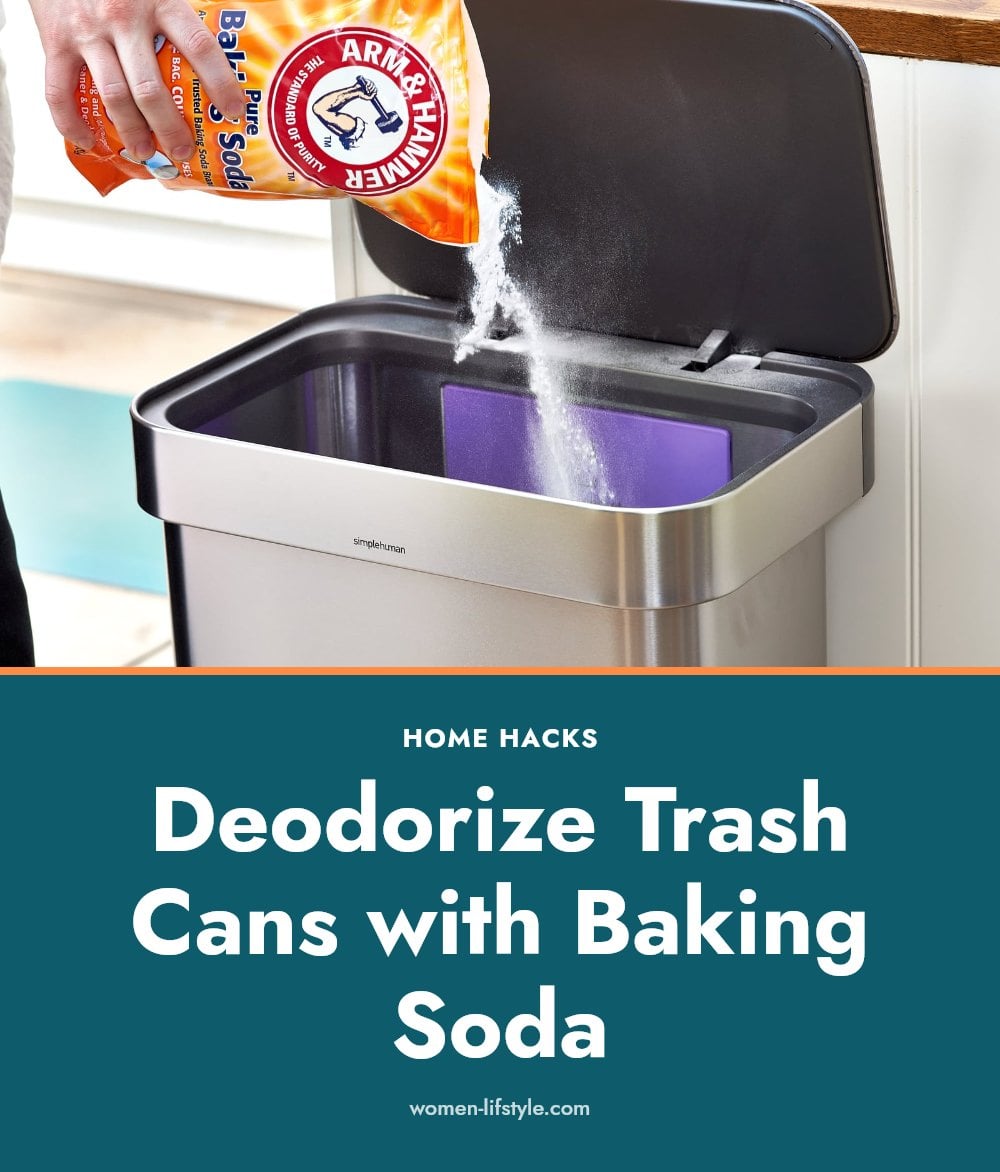
Clean outdoor furniture and grills with a baking soda paste. Mix 3 parts baking soda with 1 part water, apply it to the surface, scrub with a damp cloth, and rinse. Tip: Avoid using this paste on waxed furniture or grills with waxed finishes, as it will remove the wax. For trash cans, sprinkle a thin layer of baking soda at the bottom to trap odors between cleanings.
Remove crayon marks from painted walls by sprinkling baking soda onto a damp sponge and gently rubbing the mark. Test on an inconspicuous area first to make sure the paint doesn’t lift. For silver items (not sterling silver), form a paste with water and rub gently with a soft cloth to restore shine.
Common Baking Soda Mistakes to Avoid
Assuming baking soda is a disinfectant: It cleans and deodorizes but does not kill bacteria or viruses. Use a proper disinfectant when you need to sanitize.
Using on aluminum or sterling silver: The mild abrasive can cause discoloration or scratches. Stick to stainless steel, porcelain, or glass surfaces instead.
Expecting instant results for deep stains: Allow the paste to sit for at least 15-30 minutes, or overnight for set-in marks.
Confusing it with baking powder: Baking powder contains acid and is meant for baking, not cleaning. Always check the label before using.
Using too much in laundry: Stick to 1/2 cup per load. Too much leaves a powdery white residue on dark clothes.
Top Baking Soda Tips for Success
Before using baking soda on a new surface, test a small hidden area first, especially on delicate or recently installed materials. For general cleaning, mix 2 tablespoons of baking soda per 1 cup of water in a spray bottle for easy application on countertops and shower walls. Adjust the ratio for tougher jobs: a thicker paste works better for scrubbing stubborn stains.
For deep odors or set-in stains, let the solution sit for several hours or overnight rather than expecting instant results. Store baking soda in an airtight container to maintain its freshness and effectiveness. If you have sensitive skin, wear gloves during extended cleaning sessions to avoid irritation.
Frequently Asked Questions
Is baking soda a disinfectant?
No, baking soda is not a disinfectant. It cleans and deodorizes by scrubbing and neutralizing odors, but it does not kill bacteria or viruses. For sanitizing surfaces, use a proper disinfectant after cleaning with baking soda if needed.
Can I use baking soda on wood surfaces?
Baking soda can be used on wood, but with caution. Its mild abrasive may dull or scratch the finish, especially on waxed or polished wood. Always test on an inconspicuous area first, and avoid using it on waxed surfaces as it can strip the wax.
How long does baking soda last as an odor absorber?
An open box of baking soda in the refrigerator or freezer typically absorbs odors for about one to three months. After that, it becomes less effective. For carpets or shoes, replace the baking soda once the odor returns, usually after a few days or weeks.
What’s the difference between baking soda and baking powder?
Baking soda is pure sodium bicarbonate, a mild alkali. Baking powder contains baking soda plus an acid and a drying agent, and it’s designed for baking. They are not interchangeable in cleaning or cooking, so always check the label.
Is baking soda safe for pets?
Baking soda is generally safe for pets in small amounts, but it can cause stomach upset if ingested in large quantities. Avoid letting pets inhale the dust or eat baking soda directly. Keep it out of reach, and if you suspect your pet has eaten a lot, contact your veterinarian.
Final Thoughts
For most everyday messes and odors, baking soda is the first thing I reach for. My tip: keep a box in the kitchen and another in the bathroom so it’s always handy. Remember, it works best when you give it time, so don’t expect instant results on deep-set smells. For a quick refresh, a few minutes is fine, but for tougher odors, let it sit overnight. When in doubt, test on a small spot first, and you’ll enjoy a cleaner, fresher home without harsh chemicals.
