Feeling like your house is never truly clean, no matter how much time you spend scrubbing? You’re not alone. The secret isn’t cleaning more, it’s cleaning smarter with a schedule that fits your life. This article walks you through building a simple, personalized cleaning routine that tackles daily, weekly, monthly, and seasonal tasks without the overwhelm.
You’ll learn the essential tools, a step-by-step plan, and practical tips to keep your home tidy consistently, so you can finally enjoy a clean space without marathon cleaning sessions.

Key Takeaways
- Consistency beats intensity: a little daily cleaning prevents big messes.
- Start with daily tasks (10-20 minutes) and gradually add weekly chores.
- Delegate tasks among household members to make the schedule sustainable.
- Declutter before cleaning to make the process more efficient.
- Pre-treat stains immediately to save time during scheduled cleaning.
What is a Cleaning Schedule and Why Do You Need One?
A cleaning schedule is a structured plan that splits cleaning tasks into daily, weekly, monthly, and seasonal routines. It stops dirt and clutter from piling up, so you never face a daunting, marathon cleaning session. By sticking to a consistent schedule, you keep your home tidy without the overwhelm of trying to do everything at once. My tip: start with just the high-traffic areas to see how much time you really have.
Essential Cleaning Tools to Get Started
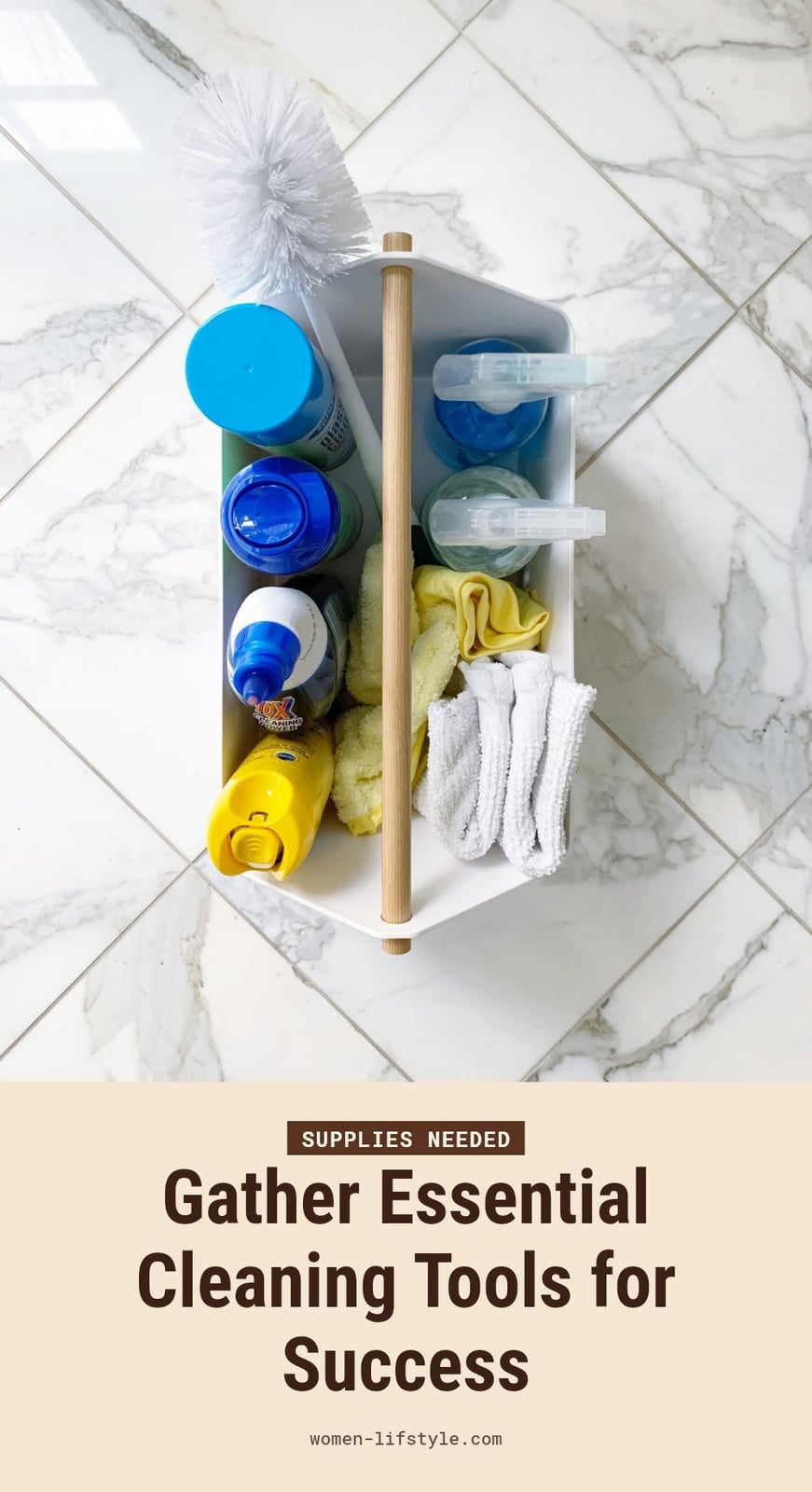
Having the right tools makes your cleaning schedule easier to follow. Here is what you need:
- Microfiber cloths: Versatile for dusting and wiping surfaces without leaving lint.
- All-purpose cleaner: Works on most surfaces, from counters to tables.
- Vacuum cleaner or broom and dustpan: For floors, carpets, and hard surfaces.
- Mop and bucket: Essential for hard floors like tile or vinyl.
- Toilet brush and bowl cleaner: Keeps bathrooms sanitary.
- Glass cleaner: For streak-free windows and mirrors.
- Disinfectant wipes: Quick clean-ups and sanitizing high-touch spots.
- Dusting spray: Helps trap dust on furniture and surfaces.
- Scrub brush: For tougher grime on grout or stovetops.
- Rubber gloves: Protect your hands from harsh chemicals.
Step-by-Step: Creating Your Personalized Cleaning Schedule

Building a schedule that works for your home takes a few steps. Follow this process:
- Assess your habits and home size: Note how much time you realistically have each day and the square footage you need to clean.
- List all tasks by frequency: Write down everything, making beds, vacuuming, dusting, then group them into daily, weekly, monthly, and seasonal categories.
- Allocate tasks based on your lifestyle: If you work full-time, keep daily tasks to 10-20 minutes and save deeper cleaning for weekends.
- Involve all household members: Delegate tasks so one person isn’t stuck with the whole load. Even kids can handle small chores.
- Create a visual checklist or use an app: Seeing progress keeps you motivated. A simple list on the fridge works fine.
- Start small and build up: Tackle just the daily tasks for the first week, then add weekly ones. Gradual changes stick better.
- Be realistic about time: Don’t plan a 3-hour weekly clean if you only have 1 hour. Adjust tasks to fit your actual schedule.
- Adjust as needed: Life changes, move, new pet, different season. Update your schedule to keep it doable.
Your Daily, Weekly, and Monthly Cleaning Plan
Here is a concrete plan to follow, broken down by how often you clean each area. Adjust the times based on your home size.
| Frequency | Time Needed | Key Tasks |
|---|---|---|
| Daily | 10-20 minutes | Make beds, wipe kitchen counters, tidy common areas, do a quick floor sweep in high-traffic spots. |
| Weekly | 1-3 hours | Vacuum or mop all floors, clean bathrooms (toilet, shower, sink), wipe kitchen appliances, dust surfaces. |
| Monthly | Spread out as needed | Deep clean the microwave, dust light fixtures, clean baseboards, wipe down cabinet fronts. |
| Seasonal | Half-day to full day | Wash windows, deep clean carpets, declutter closets, clean behind appliances. |
Focus on daily tasks first to prevent buildup. Weekly tasks keep main areas fresh. Monthly and seasonal ones handle the deeper grime. Tip: Pre-treat stains immediately so they don’t become a bigger job later.
Common Cleaning Schedule Mistakes to Avoid
Trying to do too much too soon: Start with just a few daily tasks and add more as you get comfortable. An overly ambitious schedule leads to burnout fast.
Not involving everyone: Delegate tasks among household members to share the load. One person doing everything is a recipe for resentment.
Skipping decluttering: Always declutter before cleaning. Picking up clutter first makes vacuuming and wiping surfaces much more efficient.
Being inflexible: Life happens. If you miss a day, just pick up where you left off. Adjust your schedule around travel, guests, or busy seasons.
Comparing your home to others: Focus on what works for your home and lifestyle, not someone else’s Pinterest-perfect space. Your schedule should fit your real life.
Pro Tips for Maintaining Your Cleaning Schedule

Consistency is key: A little bit each day beats marathon cleaning sessions every time. Short daily habits prevent buildup.
Pre-treat messes immediately: Tackle spills or stains as they happen. Waiting makes them harder to remove later.
Use a timer: Set 10-15 minutes for a specific task. It keeps you focused and prevents you from spending too long on one area.
Reward yourself: Acknowledge your efforts to stay motivated. A favorite treat or a few minutes of downtime works.
Listen to music or a podcast: Make cleaning more enjoyable by pairing it with something you look forward to.
Safety First: Important Cleaning Precautions
Safety First: Important Cleaning Precautions
Always read and follow the instructions on cleaning product labels. Ensure good ventilation when using cleaning chemicals by opening windows or turning on fans. Store cleaning products out of reach of children and pets. Avoid mixing different cleaning chemicals, especially bleach and ammonia-based products, as this can create dangerous fumes.
Frequently Asked Questions
How long does it take to create a cleaning schedule?
Creating a basic cleaning schedule can take as little as 15 to 30 minutes. You just need to list your tasks by frequency (daily, weekly, monthly) and assign them to specific days or times that fit your routine. The key is to start simple and adjust as you learn what works for you.
Can I adapt this schedule for a small apartment?
Absolutely. In a small apartment, you can reduce the time for weekly tasks like vacuuming or mopping, and you might only need a few monthly deep cleaning tasks. Focus on high-traffic areas like the kitchen and bathroom, and adjust the frequency based on your space’s needs.
What if I live alone? Do I still need a schedule?
Yes, even if you live alone, a schedule helps you stay on top of cleaning without feeling overwhelmed. You can customize it to your pace, but the structure prevents dirt from accumulating. Since you’re the only one doing the work, starting small and being consistent is even more important.
How do I get my family to stick to the cleaning schedule?
Involve everyone from the start by assigning age-appropriate tasks and rotating them. Create a visual checklist that everyone can see, and make it a shared responsibility rather than a chore list you impose. Celebrate small wins together to keep motivation high, and be flexible if someone needs to swap tasks.
What are the best tools to help me follow a cleaning schedule?
Having the right tools makes a big difference. Microfiber cloths, an all-purpose cleaner, a vacuum or broom, and a mop are essentials. For tracking, a simple checklist or a cleaning app on your phone can help you stay organized and motivated. Using a timer for short bursts also keeps you on track.
Final Thoughts
Start small: pick just two or three daily tasks and one weekly chore to begin. As you get comfortable, add more items to your schedule. Remember, it’s okay to miss a day now and then; just pick up where you left off. Expect it to take a few weeks to find a rhythm that feels natural, and adjust as your life changes. The goal isn’t perfection, it’s a home that stays manageable and welcoming.