

You step out of the shower expecting a clear, sparkling view, but instead you’re met with cloudy glass covered in white spots and greasy film. Soap scum and hard water stains are a constant battle, but they don’t have to win. This article covers the best methods to clean shower glass using common household ingredients, plus the one daily habit that prevents buildup in the first place.
Key Takeaways
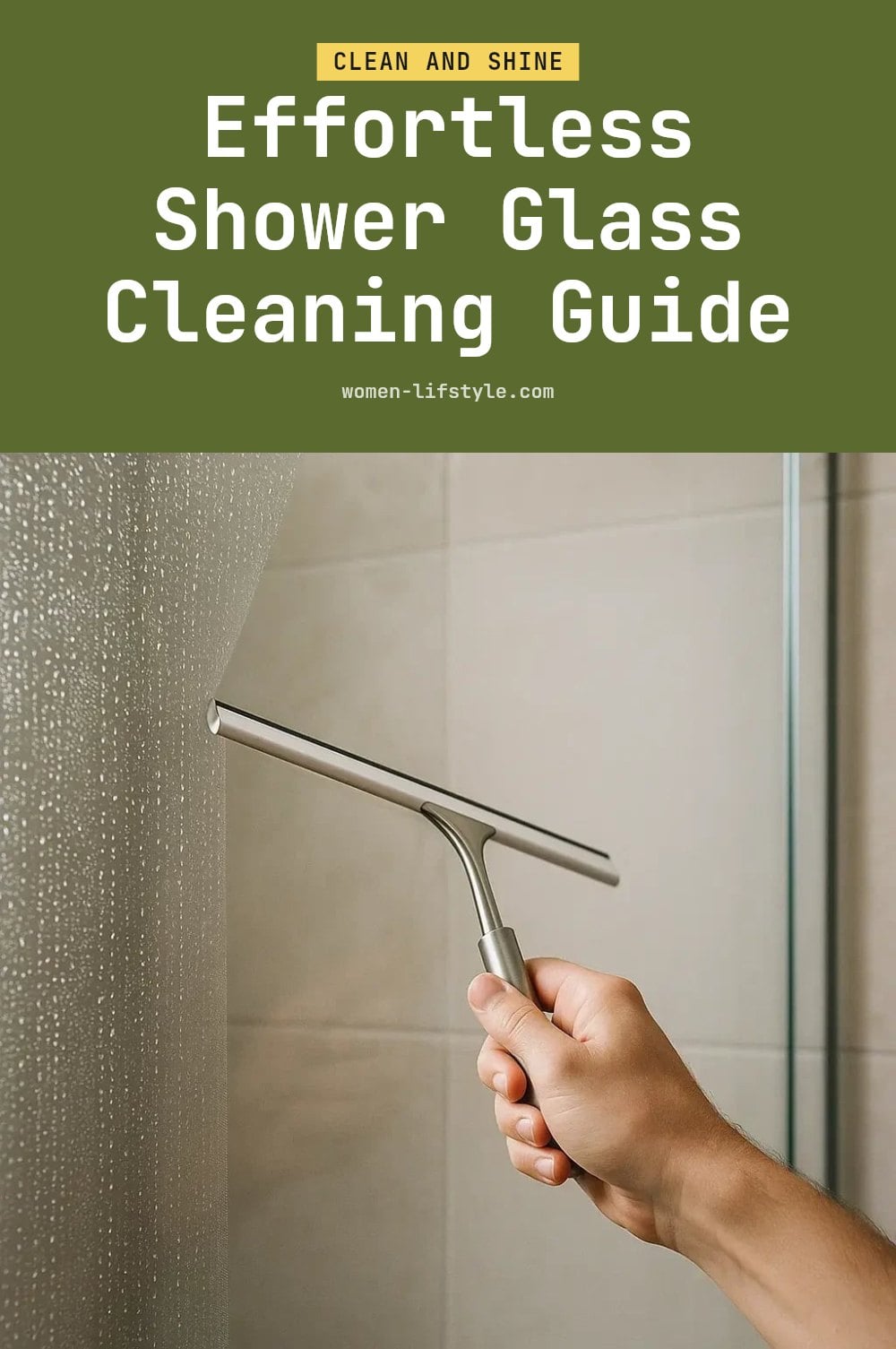
- Squeegee your shower glass after every single use to prevent hard water spots and soap scum.
- Use white vinegar for hard water stains and a baking soda paste for soap scum.
- Never use abrasive scrubbers or steel wool, which can scratch the glass permanently.
- Let cleaning solutions sit for several minutes to break down buildup before scrubbing.
- Ventilate your bathroom well to reduce humidity and prevent mildew growth.
The Secret to Sparkling Shower Glass
The most effective way to clean shower glass tackles two problems at once. Hard water stains need an acidic cleaner like vinegar or lemon juice to dissolve mineral deposits. Soap scum responds best to a mild abrasive such as baking soda or dish soap. Use them together or in sequence for a full clean. The real secret is prevention: squeegee your glass after every single shower. That one habit stops water from drying on the glass and leaving spots. It takes seconds and saves you from scrubbing later.
1. The Vinegar Power Soak
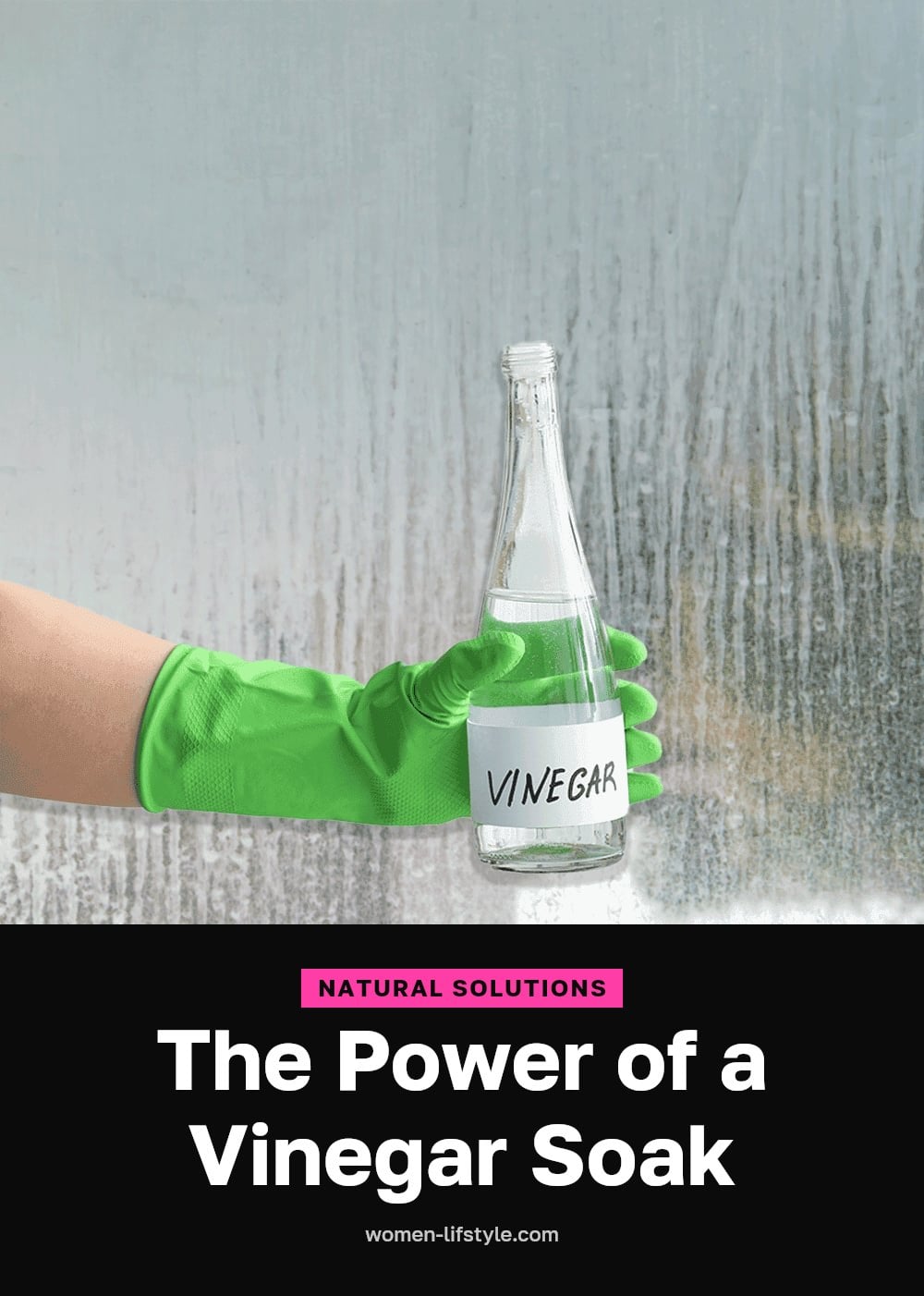
White vinegar is my go-to for hard water stains. Its acetic acid content dissolves stubborn calcium and magnesium deposits that plain water won’t touch.
- Spray it on: Fill a spray bottle with undiluted white vinegar. Spray generously over the glass and let it sit for 15-30 minutes. The longer dwell time lets the acid break down the minerals.
- Soak stubborn spots: For thick buildup, soak paper towels in vinegar and press them against the glass. They cling on their own and keep the vinegar working longer without dripping off.
Rinse with warm water and follow with a squeegee. The glass comes out clear with no etching.
2. Baking Soda Paste Scrub
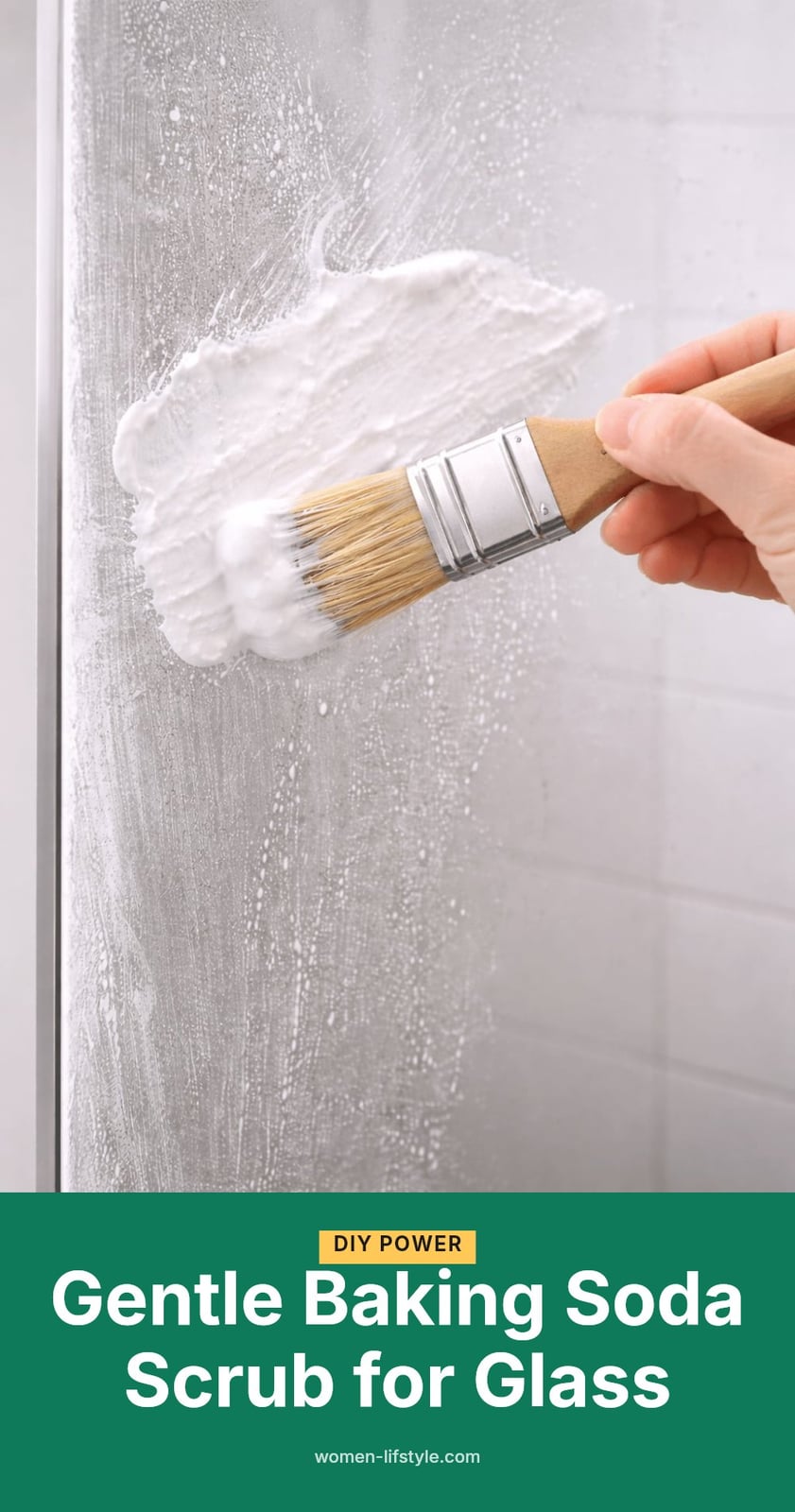
For soap scum, a baking soda paste is incredibly effective. Its mild abrasive nature scrubs away the greasy calcium stearate residue without scratching the glass.
- Make the paste: Mix baking soda with a little water or dish soap until it forms a thick, spreadable consistency.
- Apply and scrub: Use a non-abrasive sponge or cloth. Gently scrub in circular motions, focusing on areas with visible scum buildup.
- Rinse thoroughly: The paste cuts through the greasy film soap leaves behind. Rinse with warm water and wipe dry for a clean finish.
3. Dish Soap and Vinegar Combo
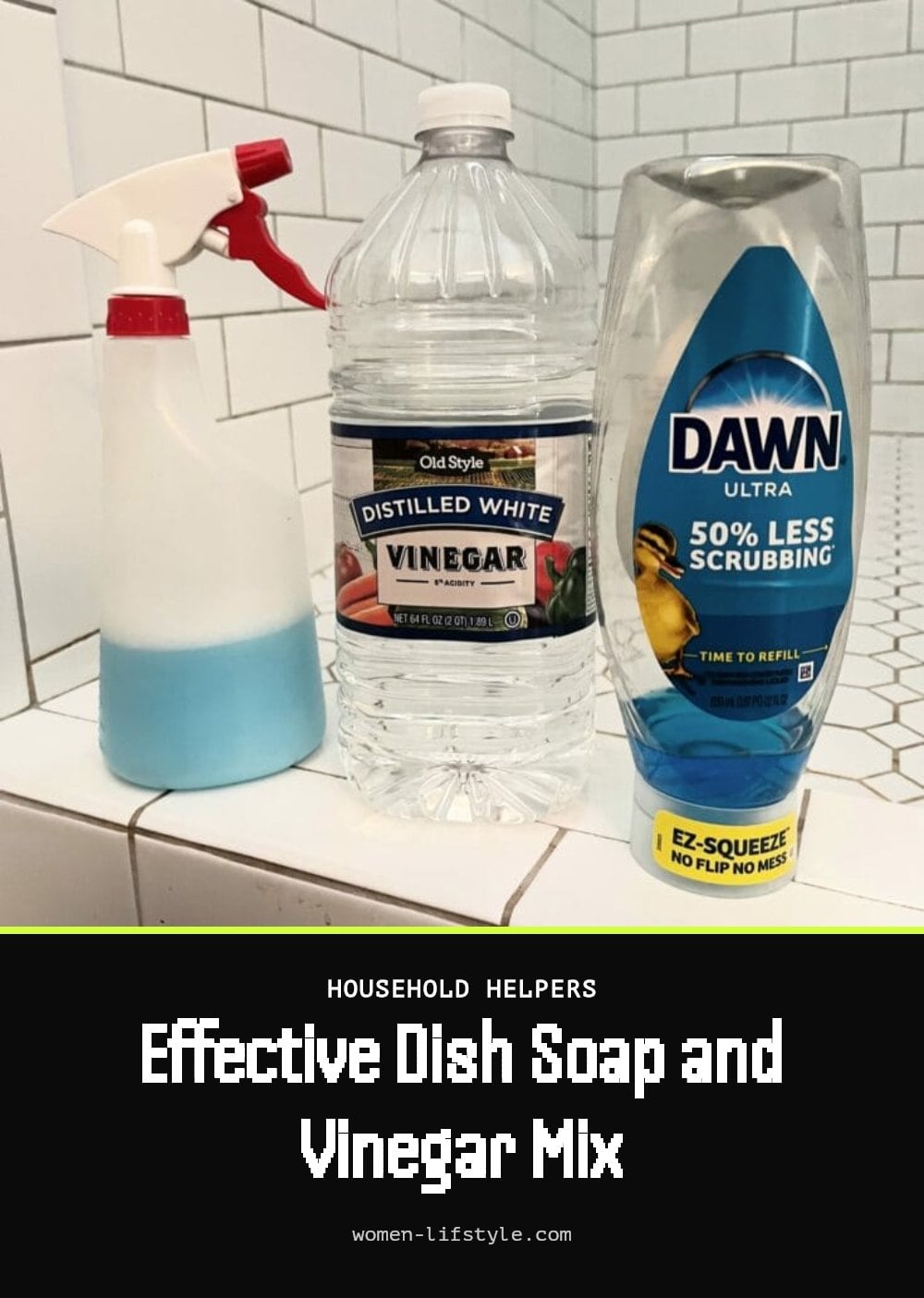
This dynamic duo is my secret weapon when you have both soap scum and hard water stains at once. The dish soap cuts grease while the vinegar dissolves mineral deposits.
- Mix it: Combine equal parts dish soap and warm white vinegar in a spray bottle. Shake gently to combine, too vigorous and it will foam excessively.
- Apply and wait: Spray the solution on the glass and let it sit for 10-15 minutes. The dwell time lets both ingredients work on their respective targets.
- Scrub and rinse: Wipe with a non-abrasive sponge, then rinse with warm water. The synergy handles both types of buildup in one pass.
4. Lemon Juice for Lighter Stains
Spray lemon juice: If your hard water stains are lighter or you prefer a fresh scent, lemon juice is a great natural alternative to vinegar. Its citric acid content helps break down mineral deposits, similar to vinegar but milder. Spray fresh or bottled lemon juice onto the glass, let it sit for 10-15 minutes, then wipe clean. It is also great for a quick refresh between deeper cleans.
5. Rubbing Alcohol for Streaks
Wipe with rubbing alcohol: Once you have tackled the main grime, rubbing alcohol is excellent for achieving a streak-free shine. After rinsing your glass, spray a small amount of rubbing alcohol onto a clean microfiber cloth and wipe down the glass. It evaporates quickly, leaving no residue and ensuring a crystal-clear finish. I use this trick often for mirrors too.
6. Commercial Shower Cleaners
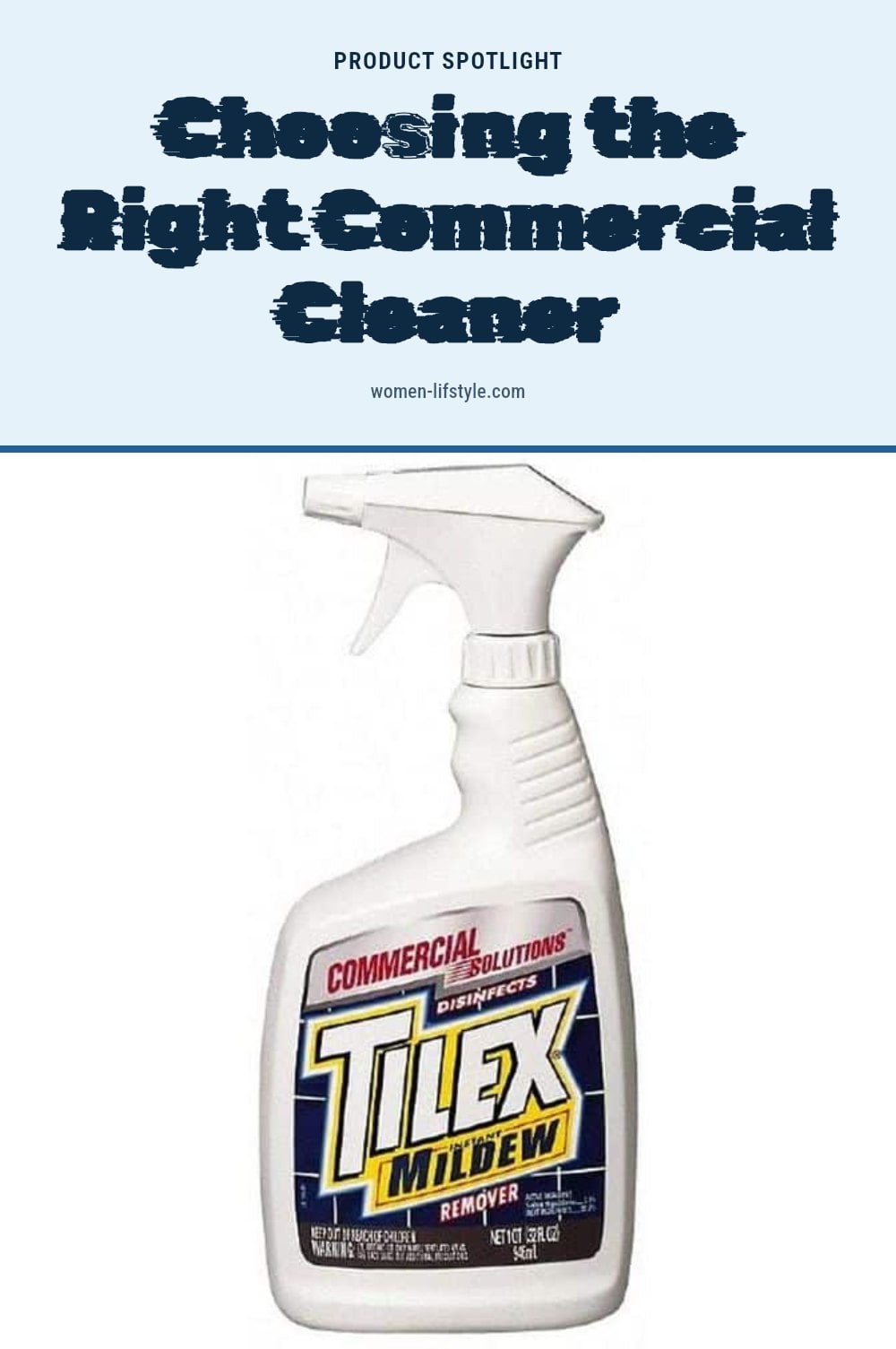
Choose the right product: Sometimes a good commercial shower cleaner is the fastest way to cut through tough buildup. Many contain chelating agents that specifically bind with and remove minerals. Always follow the product instructions carefully, ensuring proper ventilation and wearing gloves. My tip: Look for cleaners specifically designed for hard water or soap scum, as they will be formulated to target those issues effectively.
7. The Squeegee Superpower
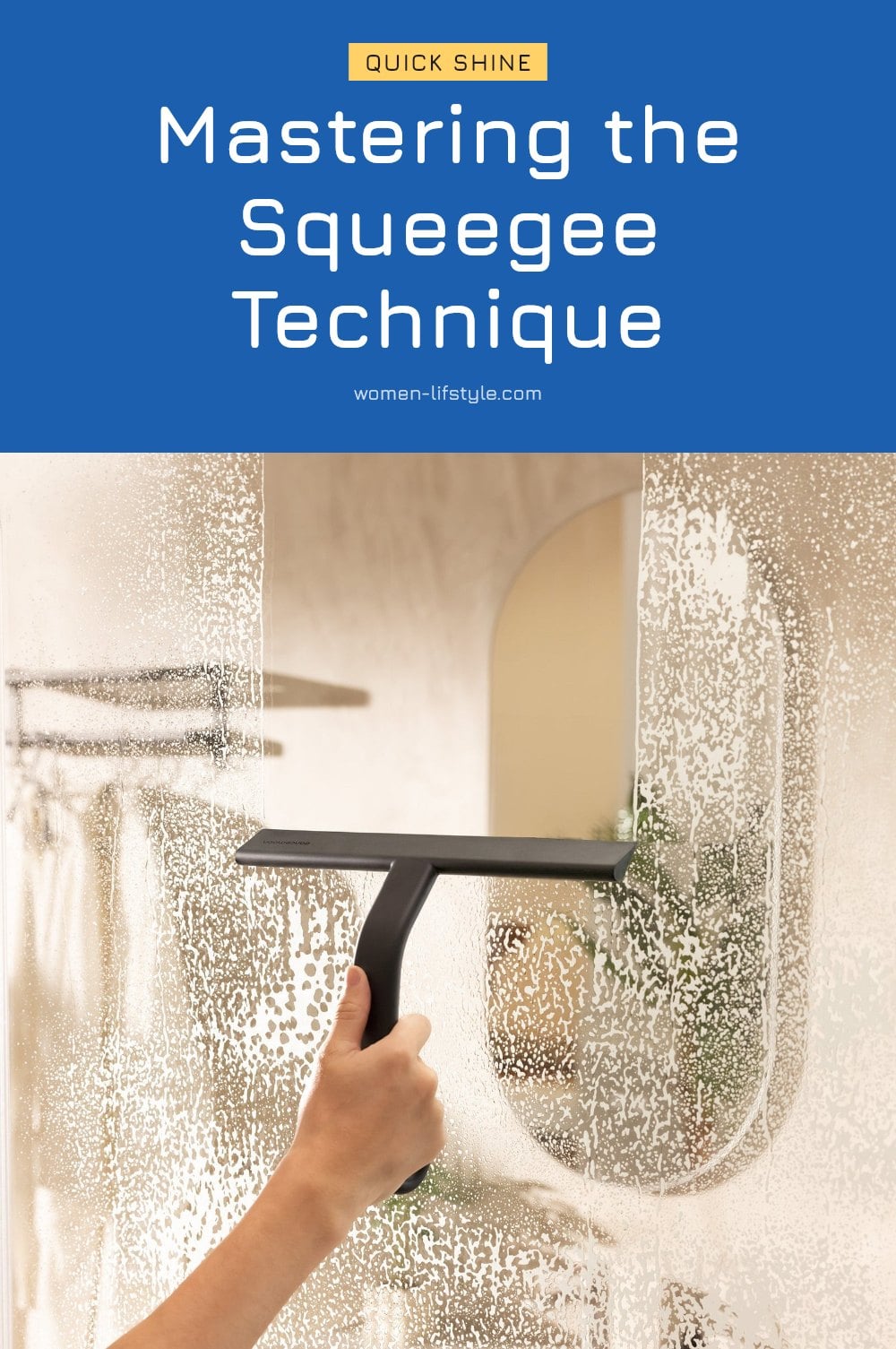
Squeegee after every shower: This is not just a cleaning hack; it is a prevention superpower. Squeegeeing your shower glass after every single use removes the water before it can evaporate and leave mineral deposits behind. It takes seconds and saves you hours of scrubbing later. Trust me on this one, it is a game-changer.
8. Microfiber Cloth Magic
For drying and buffing, a high-quality microfiber cloth is essential. Its fine fibers pick up moisture and polish the glass without leaving lint or streaks, unlike paper towels or old rags that can leave fibers behind.
After rinsing your cleaning solution, use a clean, dry microfiber cloth to wipe down the glass for a truly sparkling, streak-free finish. I always keep a dedicated stack of microfiber cloths just for cleaning glass.
Pro move: Use one side for the initial wipe and the other for buffing to a shine. Wash them separately from towels to prevent lint transfer.
9. Ventilation is Your Friend
Run your bathroom fan during and after every shower, or crack a window if you have one. High humidity lets mildew take hold and makes hard water stains worse because water evaporates more slowly, leaving more minerals behind. Less moisture in the air means soap scum and deposits have a harder time bonding to the glass. Tip: Keep the fan running for 15-20 minutes after you finish showering to pull out the humid air that lingers.
10. Consider Protective Coatings
Some shower glass arrives with a factory-applied hydrophobic coating, and aftermarket spray-on or wipe-on products are also available. These coatings make the glass surface repel water, so droplets bead up and roll off instead of drying into mineral spots. The result is significantly less soap scum and hard water buildup, which means you can squeegee less often and deep-clean far less frequently.
Tip: If your glass doesn’t have a coating, consider applying one yourself. It won’t replace cleaning entirely, but it will cut the time you spend scrubbing by a noticeable margin.
11. Always Test First
Before you go all-in with a new cleaner or DIY mix, test it on an inconspicuous spot first. A hidden corner near the bottom edge works well. This quick check reveals whether the product will damage or discolor any protective coating on the glass. It takes 30 seconds and can save you from a cloudy or etched surface that requires professional help to fix.
- Why it matters: Some coatings react poorly to acidic cleaners or alcohols, leaving permanent dull patches.
- How to test: Apply the solution, let it sit for the recommended time, then rinse and dry. Wait 24 hours to check for any change.
Common Shower Glass Cleaning Mistakes
Using Abrasive Tools: Never use steel wool, scouring pads, or harsh abrasive scrubbers. They will scratch your glass, creating micro-fissures where grime can accumulate even faster. Stick to non-abrasive sponges or microfiber cloths.
Ignoring Buildup: Waiting until your glass is heavily coated makes cleaning much harder. Regular, lighter cleaning once a week is far more effective than infrequent, intense scrubbing.
Mixing Chemicals: Never mix bleach with ammonia or acidic cleaners like vinegar. This can create dangerous, toxic fumes. Always use one product at a time and rinse thoroughly before switching.
Not Allowing Dwell Time: Cleaning solutions need time to break down soap scum and mineral deposits. Spray and immediately wipe is often ineffective; let the product sit for 10-15 minutes for best results.
Using Cold Water to Rinse: Rinsing with cold water can leave new water spots. Use warm water if possible, and always follow with a squeegee and microfiber cloth for a streak-free finish.
Frequently Asked Questions
How often should I clean my shower glass?
For maintenance, clean your shower glass at least once a week. If you squeegee after every shower, you may be able to stretch that to every two weeks, depending on your water hardness and usage. Daily squeegeeing is the key to reducing how often you need a deep clean.
Can I use a magic eraser on shower glass?
Magic erasers are made of melamine foam, which is a very fine abrasive. While they can remove some buildup, they may also create micro-scratches on the glass over time, especially if used with pressure. Stick to non-abrasive sponges or microfiber cloths to keep your glass clear.
What causes stubborn white spots on shower glass?
White spots are usually hard water stains caused by calcium and magnesium minerals left behind when water evaporates. If they don’t come off with regular cleaning, they have likely bonded to the glass. An acidic cleaner like vinegar or lemon juice can dissolve these mineral deposits.
Are there professional services for shower glass cleaning?
Yes, some cleaning companies specialize in removing severe buildup from shower glass using commercial-grade products and tools. This can be a good option if your glass has years of neglect or if you have a large enclosure. They may also offer protective coating applications.
Does hard water permanently damage shower glass?
Hard water stains themselves are not permanent, but if left untreated for years, the minerals can etch the glass surface, creating a cloudy haze that is very difficult to remove. Regular cleaning and squeegeeing prevent this etching. Once etching occurs, it may require professional polishing to restore clarity.
Final Thoughts
For best results, make squeegeeing a daily habit and do a thorough clean once a week. If you have both soap scum and hard water stains, the dish soap and vinegar combo is your most efficient option. Stick with non-abrasive tools and a microfiber cloth for a streak-free finish that lasts.
