

You walk into a room and spot them: dusty strands clinging to a corner or trailing from a high ceiling. Cobwebs are more than just an eyesore; they signal that spiders have been busy in the quiet parts of your home. The good news is that with the right tools and a simple routine, you can clear them out and keep them from coming back.
This article walks you through the most effective removal methods, the common mistakes to avoid, and the prevention strategies that truly work, so you can enjoy a cleaner, web-free space.
Key Takeaways
- Regular weekly or monthly cleaning is the most effective way to prevent cobwebs.
- Use a vacuum with a brush attachment to remove webs without spreading dust.
- Start cleaning from the top down to catch all dislodged debris.
- Seal cracks and gaps in walls, windows, and doors to reduce spider entry.
- Reduce clutter in storage areas to eliminate spider hiding spots.
What Are Cobwebs and Why Do They Appear?
Cobwebs are old, abandoned spiderwebs. Unlike the fresh, sticky webs spiders actively use for catching prey, cobwebs are dusty and empty. They show up in undisturbed, less-frequented areas of your home: corners, high ceilings, behind furniture, attics, basements, and garages. Removing them effectively requires specific tools like a vacuum with a brush attachment and regular cleaning to keep them from coming back.
Your Arsenal for Cobweb Removal
Before you start, gather the right gear. Here’s what works best:
- Vacuum cleaner with brush attachment: Quickly removes webs from walls, ceilings, and furniture without spreading dust.
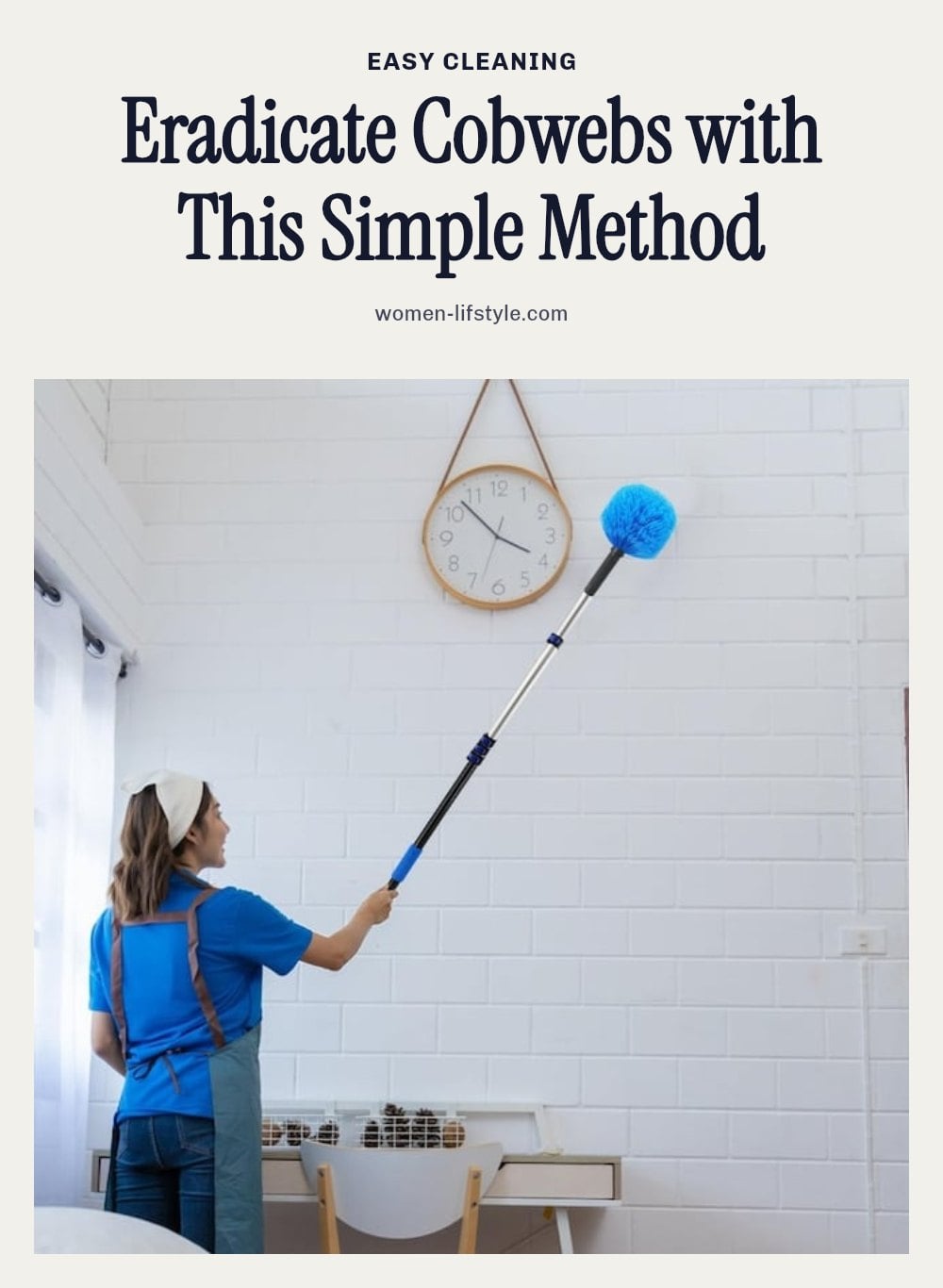
- Long-handled duster or broom with a cloth: Reaches high corners and ceilings; wrap a damp cloth around the head for better grip.
- Sturdy step stool or ladder: Gives you safe access to elevated spots without overreaching.
- Caulk or sealant: Seals cracks and gaps around windows, doors, and the foundation to reduce spider entry.
Step-by-Step: How to Eradicate Cobwebs
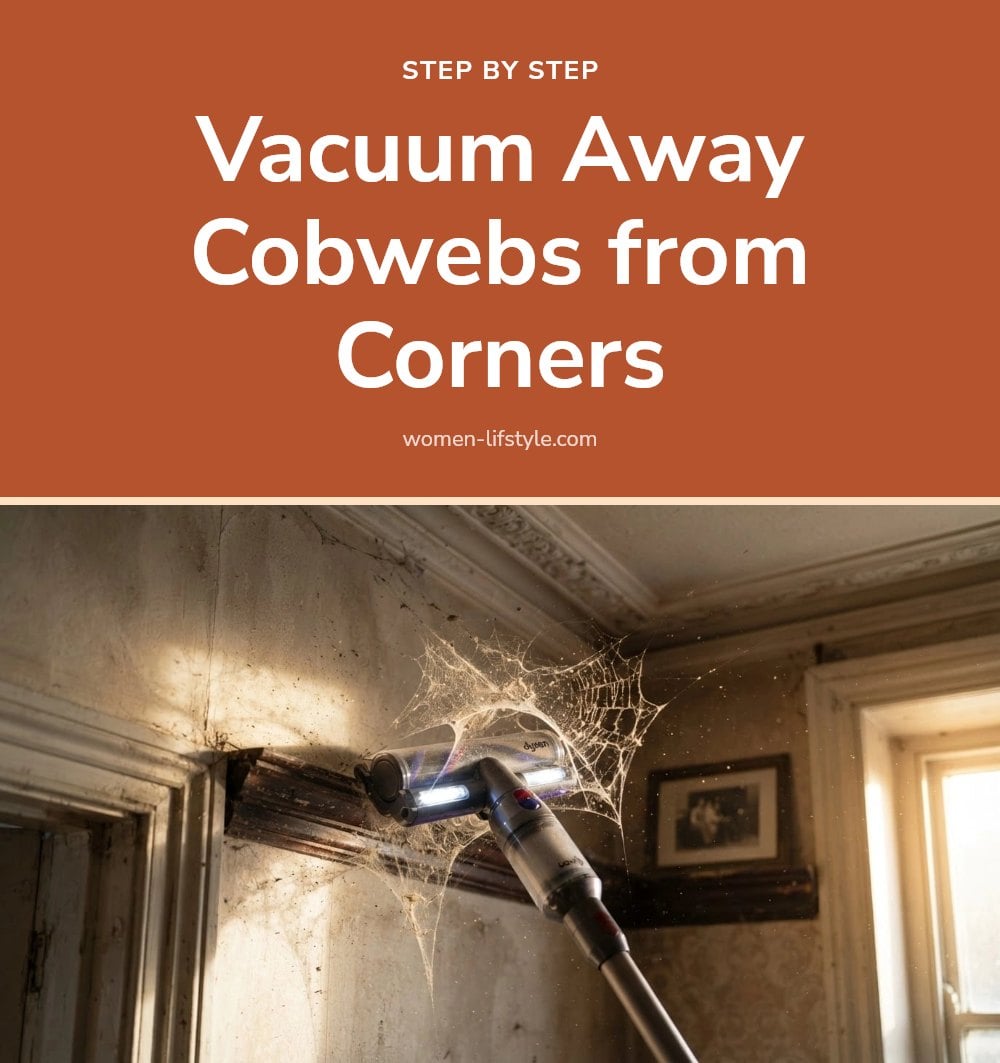
Follow these steps to clear cobwebs thoroughly and keep them gone longer.
- Start from the top: Begin with ceilings and upper corners, then work down. This way, any dislodged dust or debris falls to the floor, and you’ll catch it in the final cleanup.
- Vacuum the webs: Attach the brush attachment to your vacuum hose. Run it along corners, baseboards, and behind furniture. The suction pulls in the web, dust, and any spider eggs, so they don’t scatter.
- Use a damp cloth on high spots: For ceiling corners and crown molding, wrap a damp microfiber cloth around a broom head or long-handled duster. The moisture helps the cloth grab the web instead of pushing it around. Secure the cloth with a rubber band if needed.
- Clean light fixtures and ceiling fans: Turn off the power and let bulbs cool. Use the vacuum brush or a damp cloth to wipe away webs and dust. These spots are prime real estate for spiders because they attract flying insects.
- Finish with the floor: After you’ve cleared the upper areas, vacuum or sweep the floor to collect everything that fell. Dispose of the vacuum bag or empty the canister right away.
Tip: Keep a flashlight handy to spot webs in dark corners before you clean.
Common Cobweb Cleaning Mistakes to Avoid
Even with the best intentions, a few common mistakes can leave you with more cobwebs later.
- Sweeping without vacuuming: Sweeping cobwebs to the floor just spreads dust and spider eggs around. Always vacuum them up instead.
- Using a dry duster: A dry duster tends to push the web around or just break it into pieces that float away. Use a damp cloth or a vacuum brush to actually collect it.
- Ignoring hidden areas: Cobwebs often hide behind furniture, in closets, or under eaves. If you only clean visible spots, spiders will keep rebuilding in the same hidden nooks.
- Assuming every web is active: Most cobwebs are old and abandoned, so you don’t need to worry about a spider lurking. But if you see a fresh, sticky web with a spider, handle it carefully and consider relocating the spider outside.
Keep Cobwebs Away: Prevention Strategies

Regular cleaning is the most effective prevention. Dust and vacuum all areas of your home weekly or monthly, including corners, baseboards, and behind furniture where webs start. Tip: Use a vacuum with a brush attachment to catch dust and spider eggs before they settle.
Seal cracks and gaps in walls, windows, and doors with caulk or sealant to reduce spider entry. Reduce clutter in storage areas like attics, basements, and garages, fewer hiding spots mean fewer webs. Outside, clear brush and debris from around your home and consider switching outdoor lights to yellow or sodium vapor bulbs to attract fewer insects.
Timeline and Frequency for Cobweb Control
Remove cobwebs as soon as you notice them. The longer they sit, the more dust they collect. For most homes, a weekly or monthly cleaning schedule keeps webs from building up. The only costs are for initial tools like a vacuum, duster, and ladder, which are reusable for years.
Safety First When Cleaning High Areas
Safety First When Cleaning High Areas
Use a sturdy step stool or ladder for high ceilings and corners. Have someone spot you if you are reaching above your head or balancing on an uneven surface. If you have dust allergies, wear a mask and work in a well-ventilated area. Avoid direct contact with spiders if you are unsure of the species. Some bites can be irritating. Use a vacuum or long-handled duster instead.
Frequently Asked Questions
Are cobwebs a sign of a dirty house?
Cobwebs often appear in undisturbed areas, so they can be a sign that you haven’t cleaned those spots recently. However, they don’t necessarily mean your whole house is dirty. Spiders are common in any home, and webs can form even in clean spaces if there are entry points or hiding spots. Regular cleaning, even in less-frequented areas, is the best way to keep them from building up.
Do cobwebs mean there are spiders?
Cobwebs are old, abandoned spiderwebs, so their presence means spiders have been active in that area at some point. However, the spider that built the web may have moved on or died, leaving the dusty web behind. If you see fresh, sticky webs, those are likely still in use. To reduce spiders, focus on sealing entry points and reducing their food sources.
How often should I clean for cobwebs?
For most homes, a weekly to monthly cleaning schedule is effective, depending on how much spider activity you notice. If you live in an area with many spiders or have a lot of undisturbed spaces, you might need to clean more frequently. The key is to remove webs as soon as you see them and to keep up with regular dusting and vacuuming in all areas, including corners and behind furniture.
Can essential oils really repel spiders?
Some people suggest that essential oils like peppermint oil can repel spiders, but scientific evidence for their effectiveness is limited. While they might have a temporary effect, relying solely on them is not recommended. For best results, combine any natural repellent with physical cleaning, sealing cracks, and reducing clutter to actually keep spiders away.
What’s the best way to get cobwebs off rough surfaces?
For rough surfaces like brick, stone, or textured ceilings, a vacuum with a brush attachment is your best bet. The brush helps dislodge the web without pushing it further into the surface. You can also wrap a damp cloth around a broom or duster to help collect the web more effectively. Just be sure to vacuum up any debris afterward to avoid spreading dust and spider eggs.
Final Thoughts
To keep cobwebs at bay, make it a habit to dust and vacuum all areas of your home, including those hard-to-reach corners, on a weekly or monthly basis. This simple routine tackles both the webs and the spider eggs before they become a bigger problem. You’ll notice that the longer you stay consistent, the fewer webs you’ll see, and your home will feel fresher and more inviting.
Remember, the key is to address the root causes, not just the visible webs. By sealing entry points and reducing clutter, you’re making your space less attractive to spiders in the first place.
