

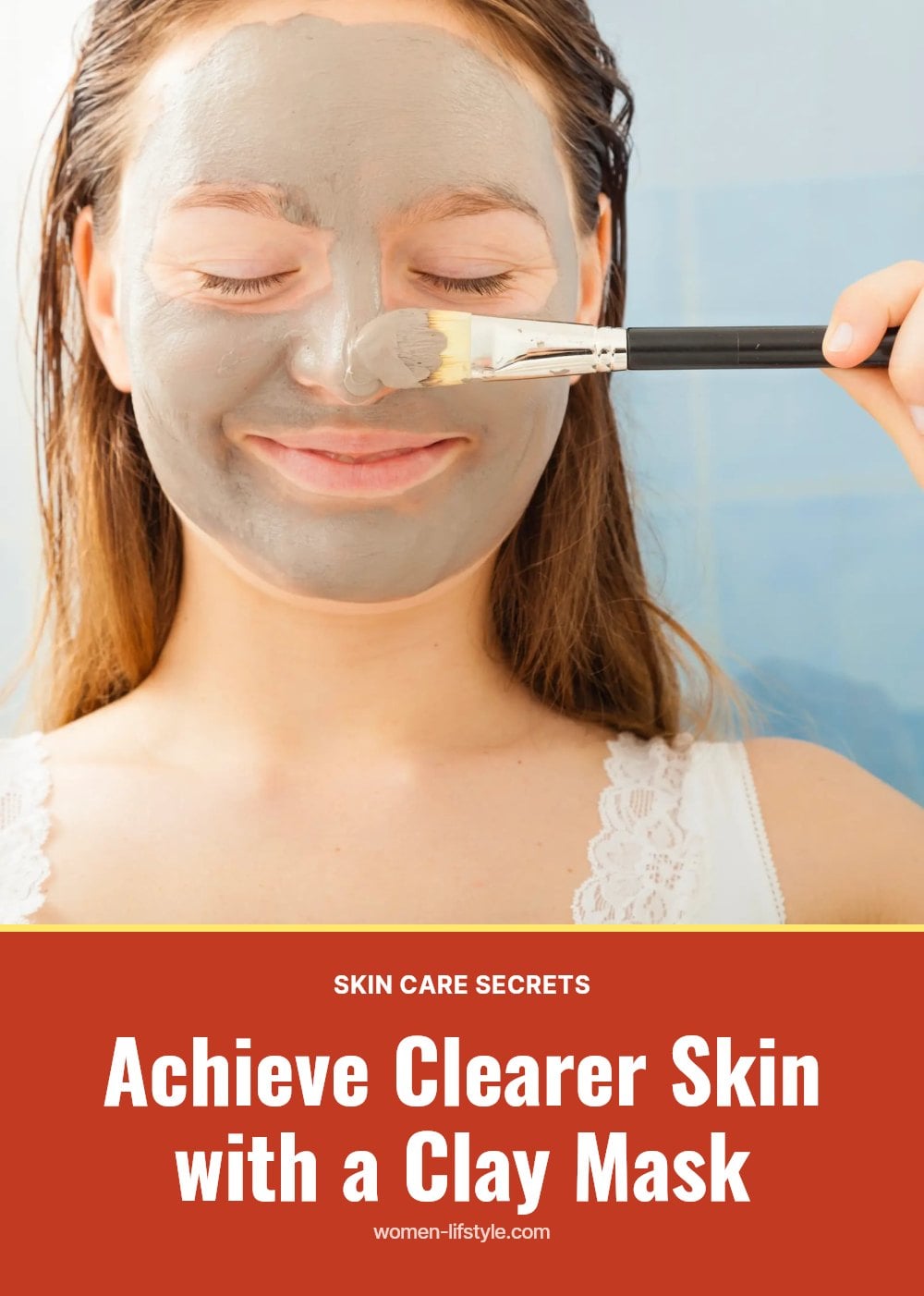
You’ve probably seen clay masks all over social media and wondered if they really work. The short answer is yes, but only if you pick the right type for your skin and use it correctly. This article breaks down how different clays work, step-by-step application tips, and the common mistakes to avoid so you can get clearer, smoother skin without irritation.
Key Takeaways
- Match your clay type to your skin: bentonite for oily, kaolin for sensitive, green clay for combination.
- Apply a thin, even layer to clean, slightly damp skin for best results.
- Never let the mask dry until it cracks; rinse after 10-15 minutes.
- Always moisturize immediately after rinsing to replenish hydration.
- Use once or twice a week; sensitive skin can stick to once a week or less.
What Are Clay Masks and How Do They Work?
Clay masks are skincare treatments that use natural clays to absorb excess oil and draw out impurities from your pores. They detoxify the skin and help reduce the appearance of pores, which leads to clearer, smoother skin. Different clay types offer specific benefits, so there’s a suitable option for every skin concern, from oily to sensitive.
1. Know Your Clay Types
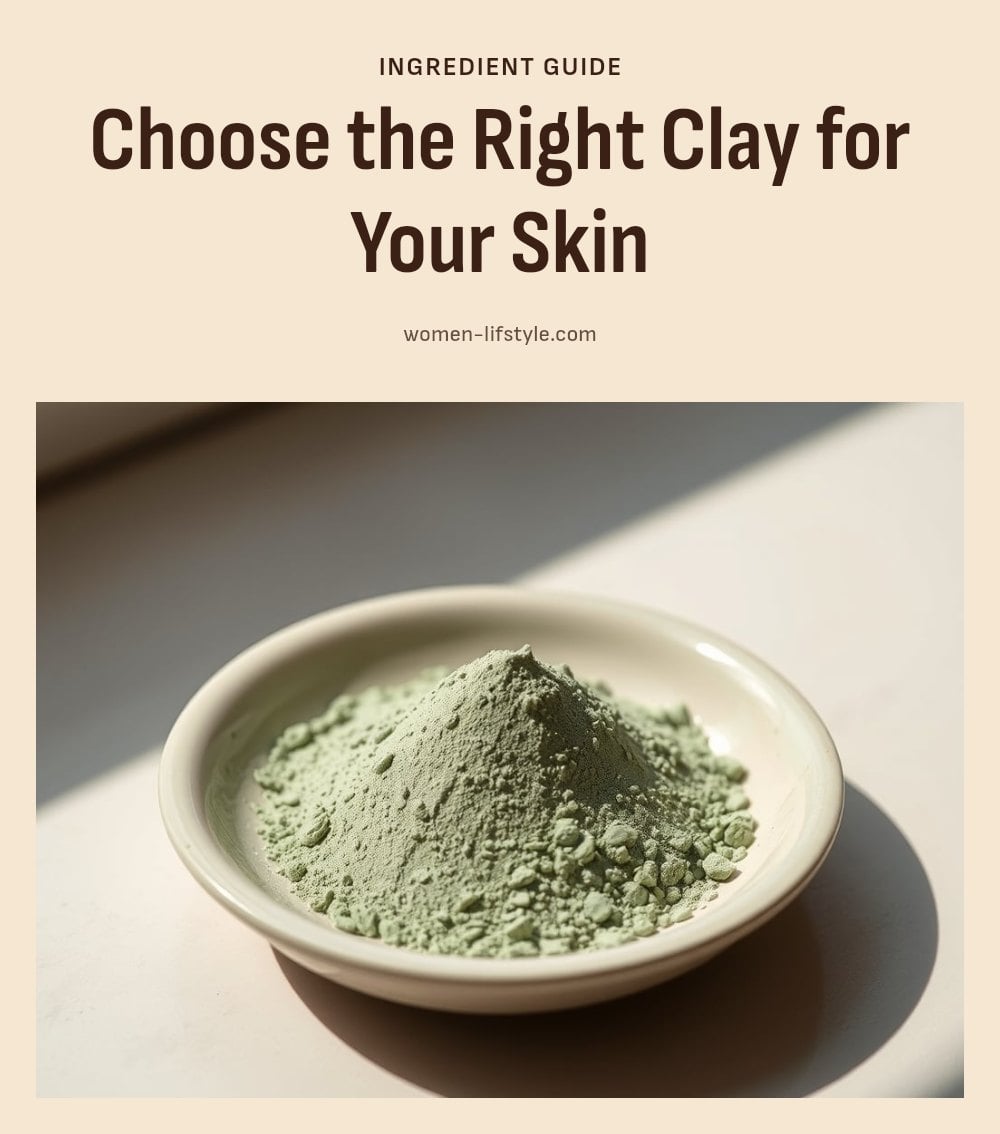
Different clays target different skin concerns. Here’s a quick guide:
- Bentonite: Highly absorbent, best for very oily and acne-prone skin.
- Kaolin (especially white): Gentler, ideal for sensitive or dry skin.
- Green clay (illite): Great for combination skin, with mineral-rich absorbency.
- Rhassoul clay: Offers both cleansing and conditioning properties for skin and hair.
My tip: Always check the main clay ingredient on the label to ensure it matches your skin’s needs.
2. Prep Your Skin Properly

Start with clean skin. Wash your face with a gentle cleanser to remove makeup and surface impurities. Applying the mask to slightly damp skin helps it spread more easily and prevents it from drying too quickly. This ensures the clay can effectively target impurities without battling a layer of grime.
3. Apply an Even, Thin Layer
You don’t need a thick layer for the mask to be effective. A thin, even application is all it takes. This ensures the mask dries uniformly and prevents it from becoming too heavy or difficult to rinse off. My tip: Use a clean applicator brush for a smooth, even application, avoiding your hairline and eye area.
4. Time It Just Right
Follow the time on the package, usually 10 to 15 minutes. That window is long enough for the clay to absorb oil without stripping your skin. Never let the mask dry until it cracks; that pulls moisture out and irritates your barrier. My rule of thumb: if it feels uncomfortably tight, rinse it off immediately.
5. Rinse Gently and Thoroughly
Rinse with lukewarm water. Hot water strips natural oils and cold water can shock the skin, so stick to warm. Use gentle circular motions to loosen every bit of clay without scrubbing. A soft washcloth helps remove residue, but skip anything rough or abrasive.
6. Always Moisturize Afterward

Your skin may feel tight after rinsing, which is normal. Replenish hydration right away by applying your serum and moisturizer. This locks in moisture, soothes the skin, and keeps your barrier healthy. Skipping this step leaves your skin dry and irritated.
7. Incorporate Other Active Ingredients
Many clay masks include extra ingredients to target specific concerns. Charcoal boosts pore cleansing, while salicylic acid fights acne. For hydration or soothing benefits, look for masks with botanicals or hyaluronic acid. These additions tailor the mask to your skin’s needs without adding extra steps.
8. Frequency of Use
For most skin types, once or twice a week is the sweet spot. You get the pore-clearing benefits without stripping your skin. If your skin is very oily, twice a week works well. Sensitive or dry skin? Stick to once a week, or even every other week.
Tip: Pay attention to how your skin feels after rinsing. If it feels tight or looks red, scale back the frequency. Your skin will tell you what it needs.
9. Patch Test New Masks
Always test a new clay mask on a small spot before you go full-face. Dab a pea-sized amount behind your ear or along your jawline. Wait 10-15 minutes, then rinse.
Caution: If you see redness, burning, or itching, skip that mask entirely. This one step can save you from a face full of irritation.
10. Avoid Metal for Powdered Clays
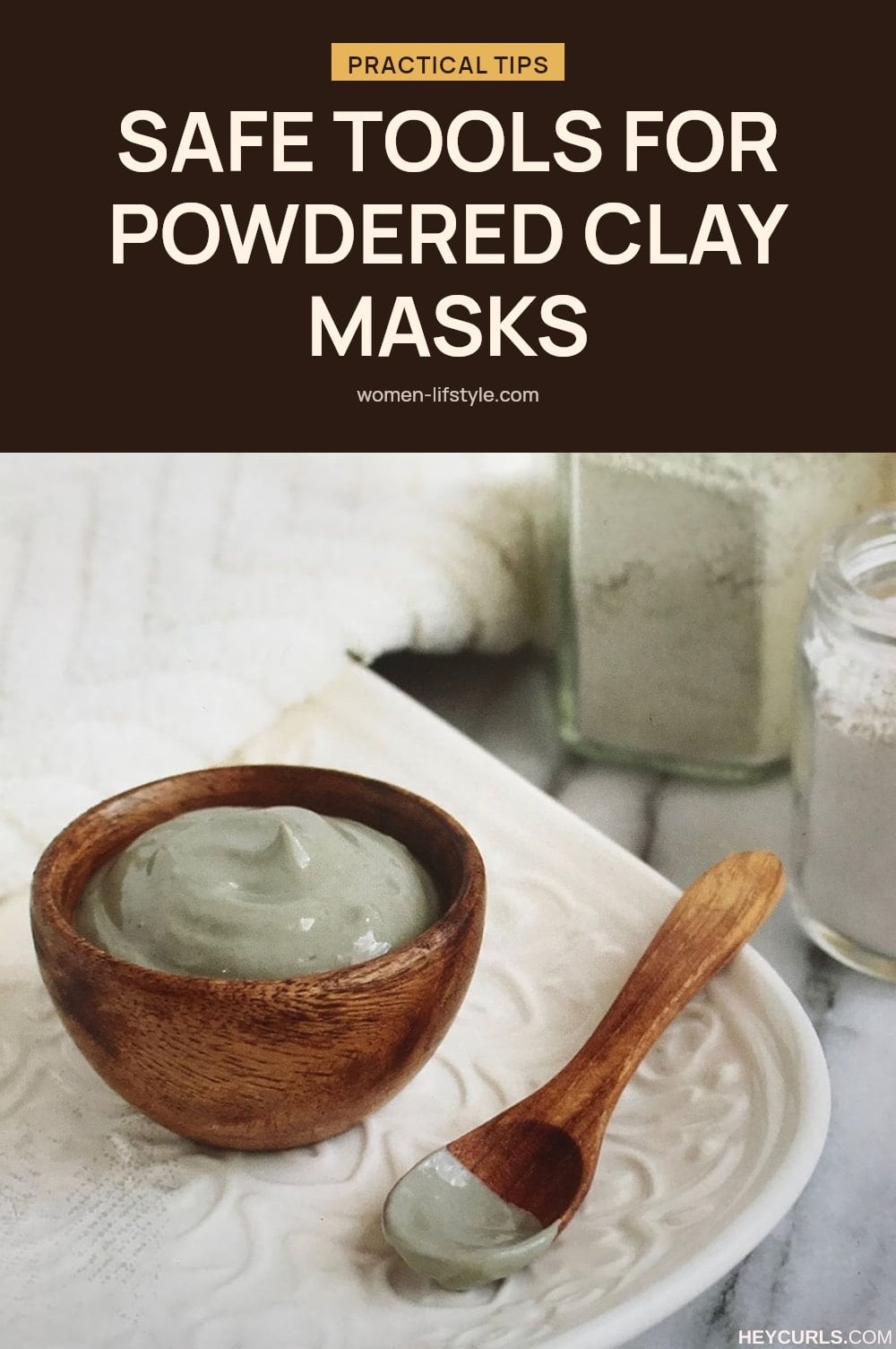
When mixing powdered clay, especially bentonite, reach for a glass, ceramic, or wooden bowl and spoon. Metal can react with the clay and reduce its effectiveness.
Good to know: The reaction is most noticeable with bentonite, but it’s a safe habit for any powdered clay. Keep a dedicated non-metal mixing set with your skincare tools.
11. Store Your Masks Correctly
Store pre-mixed clay masks in a cool, dry spot away from sunlight. Heat and light can break down the active ingredients. For powdered clays, keep the container sealed tight.
Pro move: Moisture in the air can clump powdered clay and make it less effective. A tight lid keeps it dry and ready to use.
Common Clay Mask Mistakes to Avoid
Leaving it on too long: Don’t let your mask dry until it cracks. That causes excessive dryness and irritation. Rinse when it just starts to feel tight.
Using the wrong clay for your skin type: A strong clay like bentonite can redden sensitive skin. Match the clay to your needs, for example gentler kaolin for dry skin.
Skipping moisturizer: Your skin needs hydration after a deep cleanse. Always follow up with a good moisturizer to prevent tightness and dehydration.
Applying too thickly: A thick layer does not work better. It only makes the mask harder to dry and rinse. A thin, even layer is plenty.
Overusing clay masks: Using a clay mask too frequently can disrupt your skin’s natural barrier. Stick to 1-2 times a week.
Frequently Asked Questions
Can I use a clay mask every day?
No, daily use is too much for most skin types. Clay masks are powerful absorbents, and using them every day can strip your skin’s natural oils, leading to dryness and irritation. Stick to 1-2 times a week, or even less if you have sensitive or dry skin.
What should I do if my skin feels tight after a clay mask?
Tightness is normal right after rinsing, but it’s a sign you need to moisturize. Apply your serum and moisturizer immediately to lock in hydration. If the tightness feels excessive or lasts long, you may have left the mask on too long or used a clay that’s too strong for your skin.
Are clay masks good for sensitive skin?
Yes, but you need to choose a gentle clay like white kaolin and use it less frequently. Avoid strong clays such as bentonite or green clay, which can cause redness and irritation. Always patch test first and never let the mask dry completely on your face.
Can clay masks help with blackheads?
Yes, clay masks can help reduce blackheads by absorbing excess oil and drawing out impurities from your pores. They don’t remove blackheads instantly, but regular use can loosen them over time and make them less noticeable. For stubborn blackheads, follow up with a gentle exfoliant a day later.
Final Thoughts
My rule of thumb: If your skin feels tight after rinsing, you left the mask on a minute too long. Next time, take it off a little sooner. For most people, sticking to once or twice a week with the right clay type gives you clearer pores and balanced oil in about two to three weeks. That’s a realistic timeline for visible results without overdoing it.
