

If your skin often feels red, stinging, or itchy after using a cleanser or moisturizer, you are not alone. Sensitive skin affects a huge number of people, and the good news is that you can calm it down with the right approach. This article covers what triggers those reactions, which products and ingredients to choose, a simple daily routine, and when to see a dermatologist for help.
Key Takeaways
- Choose fragrance-free, dye-free, and hypoallergenic products to minimize irritation.
- Always patch test new products on a small area for 24-48 hours before full use.
- Cleanse with lukewarm water and moisturize immediately after to support your skin barrier.
- Use mineral sunscreens with zinc oxide or titanium dioxide for gentler sun protection.
- Keep your routine simple: cleanse, moisturize, protect, and avoid over-exfoliating.
What is Sensitive Skin and How Can I Care For It?
Sensitive skin is a common condition where your skin reacts easily to triggers like certain products or environmental changes. It often shows up as redness, stinging, burning, itching, or dryness. Caring for it means identifying and avoiding those triggers, using gentle products, and strengthening your skin barrier. A careful, minimalist approach is key to managing symptoms and finding comfort.
Why Your Skin Might Be Feeling Sensitive
Sensitive skin affects a significant portion of the population, with estimates often cited as over 50%. One major factor is a compromised skin barrier, which normally protects against irritants and locks in moisture. When it’s weakened, irritants get in and moisture escapes, leading to redness, stinging, or dryness.
Common triggers
- Fragrances and dyes: Often found in skincare, laundry detergents, and cosmetics, these are top irritants.
- Preservatives and harsh chemicals: Ingredients like sulfates and certain preservatives can strip the skin.
- Alcohol: Especially denatured alcohol, can dry and irritate.
- Environmental factors: Extreme temperatures, wind, sun, and pollution can worsen symptoms.
- Stress and hormones: These can trigger or intensify reactions in many people.
Essential Products for Your Sensitive Skin Toolkit
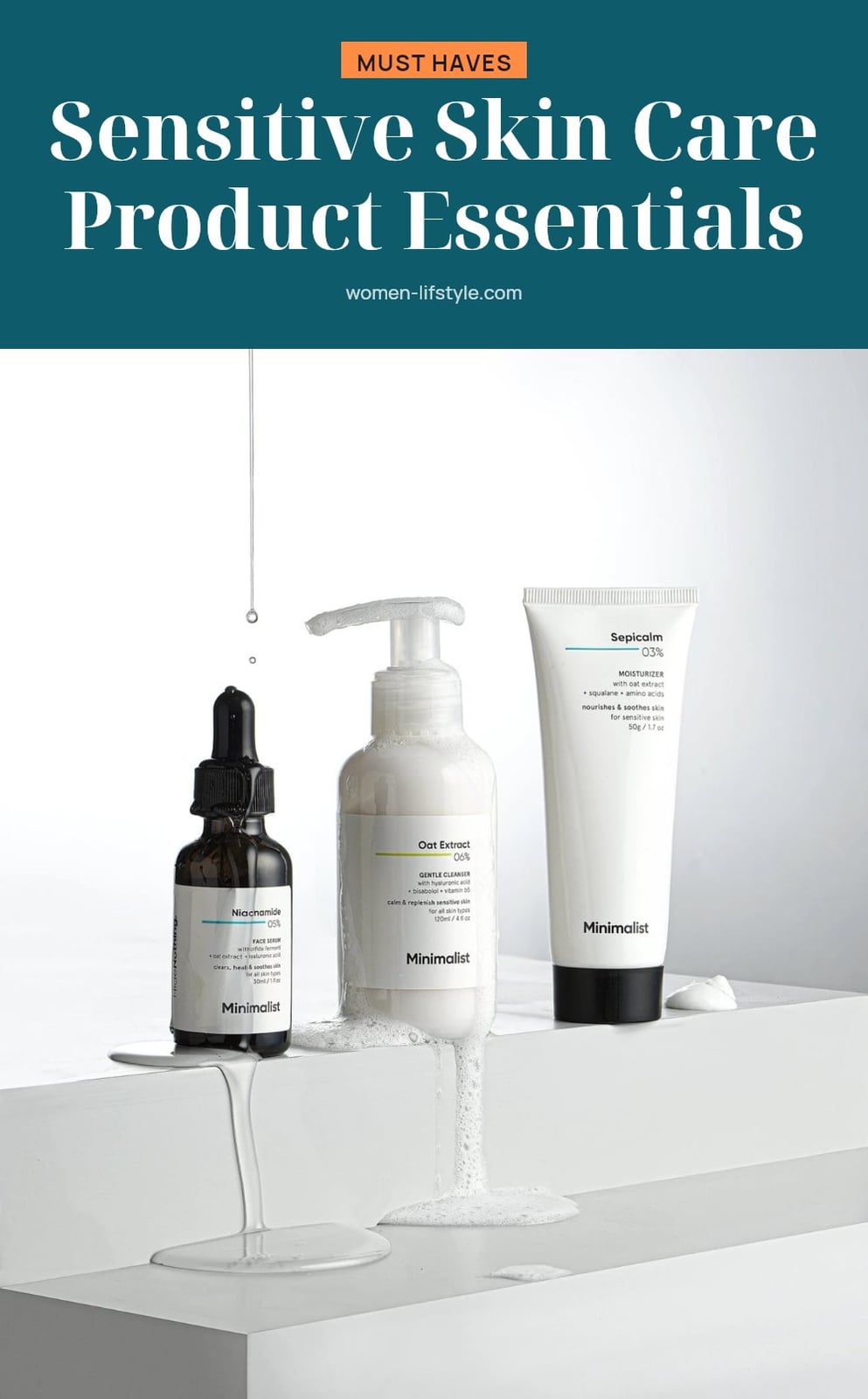
Building a sensitive skin toolkit starts with the right product types, not the most expensive ones. Look for these basics:
- Gentle cream cleansers: Remove impurities without stripping natural oils.
- Fragrance-free moisturizers: Hydrate and protect the skin barrier.
- Mineral sunscreens: With zinc oxide or titanium dioxide, these are less likely to irritate than chemical filters.
- Ceramide-rich products: Help repair and strengthen the barrier.
- Hyaluronic acid and glycerin serums: Provide essential hydration without heaviness.
- Niacinamide serums: Can calm inflammation and improve skin tone.
Your Daily Routine for Calming Sensitive Skin

Here’s a simple routine that works for many people with sensitive skin. Stick to it consistently for best results.
- Cleanse gently: Use a fragrance-free cream cleanser with lukewarm water, not hot. Massage lightly, then rinse and pat dry with a soft towel.
- Apply serum on damp skin: If you use a hyaluronic acid or niacinamide serum, apply it while your skin is still slightly damp. This helps absorption.
- Moisturize immediately: Within a minute of cleansing or serum application, lock in hydration with a fragrance-free moisturizer. This supports your skin barrier.
- Protect with sunscreen daily: Even indoors, apply a mineral-based sunscreen with zinc oxide or titanium dioxide. Reapply if you’re outside.
- Patch test new products: Before using any new product on your face, apply a small amount behind your ear or on your inner forearm for 24-48 hours. If no reaction occurs, it’s likely safe for full use.
Common Sensitive Skin Mistakes to Avoid
Even with the best intentions, it’s easy to make mistakes that aggravate sensitive skin. One common pitfall is assuming ‘natural’ or ‘organic’ means safe. Many natural ingredients, like essential oils and certain plant extracts, can be potent irritants. Another is using too many active ingredients at once. Layering multiple products overwhelms the skin barrier and often triggers a reaction. Not patch testing new products is a big one. A 24 to 48 hour test on your inner forearm can save you from a full-face flare-up.
Don’t ignore environmental triggers. Sun, wind, and extreme temperatures can cause just as much trouble as a harsh cleanser. Over-cleansing or using harsh cleansers strips your skin’s natural oils and compromises the barrier. My tip: if your skin feels tight after washing, your cleanser is too strong. Finally, don’t confuse sensitivity with an allergy. If symptoms are severe or persistent, seek a professional diagnosis rather than guessing.
Smart Habits for Managing Sensitive Skin

Managing sensitive skin is as much about your habits as your products. Simplify your routine to just the essentials: cleanse, moisturize, protect. A minimalist approach reduces the number of potential irritants you expose your skin to. Keep a skincare diary to track what triggers reactions and which products actually help. After washing, pat your skin dry with a soft towel instead of rubbing. Rubbing can cause micro-irritation and worsen redness.
Stay hydrated by drinking plenty of water throughout the day. It supports overall skin health from the inside out. Wear protective clothing like a wide-brimmed hat and long sleeves when you’re outside. This shields your skin from sun, wind, and cold without relying solely on products.
How Long Until You See Results and What to Expect
With a consistent, gentle routine, you can often see initial improvements in a few days to a few weeks. Redness and stinging may calm down, and your skin may feel less reactive. But long-term stability requires sticking with that routine even after symptoms fade. The ‘cost’ of sensitive skincare isn’t about price tags. Focus on quality, gentle ingredients like ceramides and hyaluronic acid rather than premium pricing. An affordable fragrance-free moisturizer can outperform a luxury one loaded with irritants.
When to Consult a Dermatologist for Sensitive Skin
If you experience severe burning, swelling, blistering, or persistent pain, stop using any product in that area immediately and seek medical advice. Consult a dermatologist if your symptoms are severe, persistent, or interfere with your daily life. A professional can diagnose underlying conditions like rosacea or contact dermatitis that require specific treatment. Never apply products to broken or irritated skin without professional guidance. Let the skin heal first under a doctor’s care.
Frequently Asked Questions
Can stress make sensitive skin worse?
Yes, stress and hormonal fluctuations can trigger or worsen sensitive skin reactions for many people. Managing stress through relaxation techniques or adequate sleep may help reduce flare-ups, though it is not a substitute for a gentle skincare routine.
How often should I cleanse sensitive skin?
Cleanse once in the morning and once in the evening with a gentle cream cleanser and lukewarm water. Over-cleansing can strip natural oils and worsen sensitivity, so stick to twice daily unless your skin feels especially oily or dirty.
Is ‘natural’ always better for sensitive skin?
No, ‘natural’ does not automatically mean safe for sensitive skin. Many natural ingredients like essential oils and plant extracts can be potent irritants. Always check labels and patch test, regardless of whether a product is labeled natural or organic.
What causes sensitive skin?
Sensitive skin is not a disease but a condition where your skin barrier is compromised, allowing irritants in and moisture out. This can be triggered by harsh products, environmental factors like extreme temperatures or sun, and even stress or hormonal changes.
How long does it take to see results from a sensitive skin routine?
You may see initial improvements, such as less redness and stinging, within a few days to a few weeks of consistent gentle care. Long-term stability requires sticking with the routine even after symptoms fade, as the skin barrier needs ongoing support.
Final Thoughts
My biggest recommendation is to stick with a minimalist routine for at least two weeks before adding anything new. Expect initial improvements like less redness and stinging within a few days to a few weeks, but lasting calm skin takes consistent care. Simplify your steps, listen to what your skin tells you, and you will find your balance.
This article provides general information for managing sensitive skin and is not a substitute for professional medical advice. If you experience severe burning, swelling, or persistent symptoms, consult a dermatologist or healthcare provider for a proper diagnosis and treatment plan.
