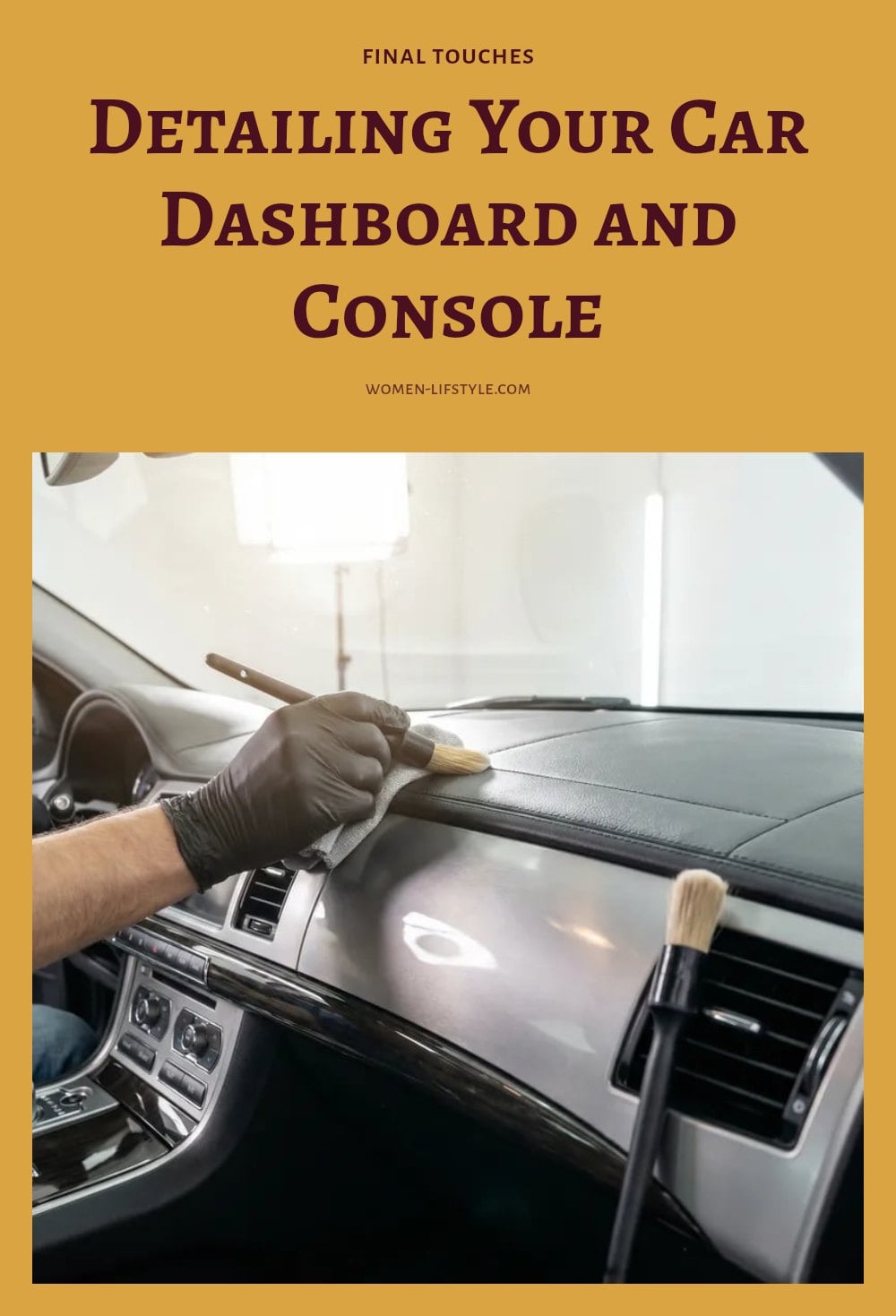
Keeping your car’s interior clean isn’t just about looks; it makes every drive more pleasant and can even help maintain your car’s value over time. Getting it right means using the right tools and products for each surface, from leather seats to plastic dashboards.
This article walks you through the entire process, from gathering supplies and vacuuming to tackling stains and avoiding common mistakes. You’ll learn a step-by-step approach that leaves your car looking and smelling fresh.
Key Takeaways
- Vacuum thoroughly before using any cleaner to avoid muddy residue.
- Use separate microfiber cloths for glass, dashboard, and upholstery.
- Test any new cleaner on an inconspicuous spot first.
- Never saturate fabric upholstery; dampen the cloth, not the seat.
- Condition leather after cleaning to keep it from drying and cracking.
Why a Clean Car Interior Matters
Cleaning your car’s interior regularly does more than make it look good. A tidy cabin improves your driving experience and, when done systematically, helps preserve the vehicle’s resale value. The key is using the correct tools and products for each material, so you don’t accidentally damage surfaces while you clean.
Essential Tools and Products for Car Interior Cleaning

Before you start, gather the right gear. A vacuum with crevice and brush attachments is essential for reaching between seats and cleaning carpets. Microfiber cloths trap dust and dirt without scratching, so keep several on hand for different tasks. You’ll also need cleaners made for specific surfaces: a multi-surface cleaner for dashboards and consoles, a dedicated upholstery cleaner for fabric or leather, and a streak-free glass cleaner for windows. Detailing brushes and compressed air help you clear dust and crumbs from tight spots like air vents and around buttons.
- Vacuum with attachments: Use crevice tools for gaps and a soft brush for loosening stubborn dirt and pet hair.
- Microfiber cloths: They work on glass, plastic, metal, and upholstery without leaving lint or scratches.
- Specialized cleaners: Choose formulas made for leather, fabric, or vinyl to avoid damage.
- Detailing brushes and compressed air: Perfect for small crevices, vents, and seams where dust hides.
Step-by-Step Guide to a Sparkling Car Interior
- Remove trash and loose items: Take out all garbage, personal belongings, floor mats, and removable organizers so every surface is accessible.
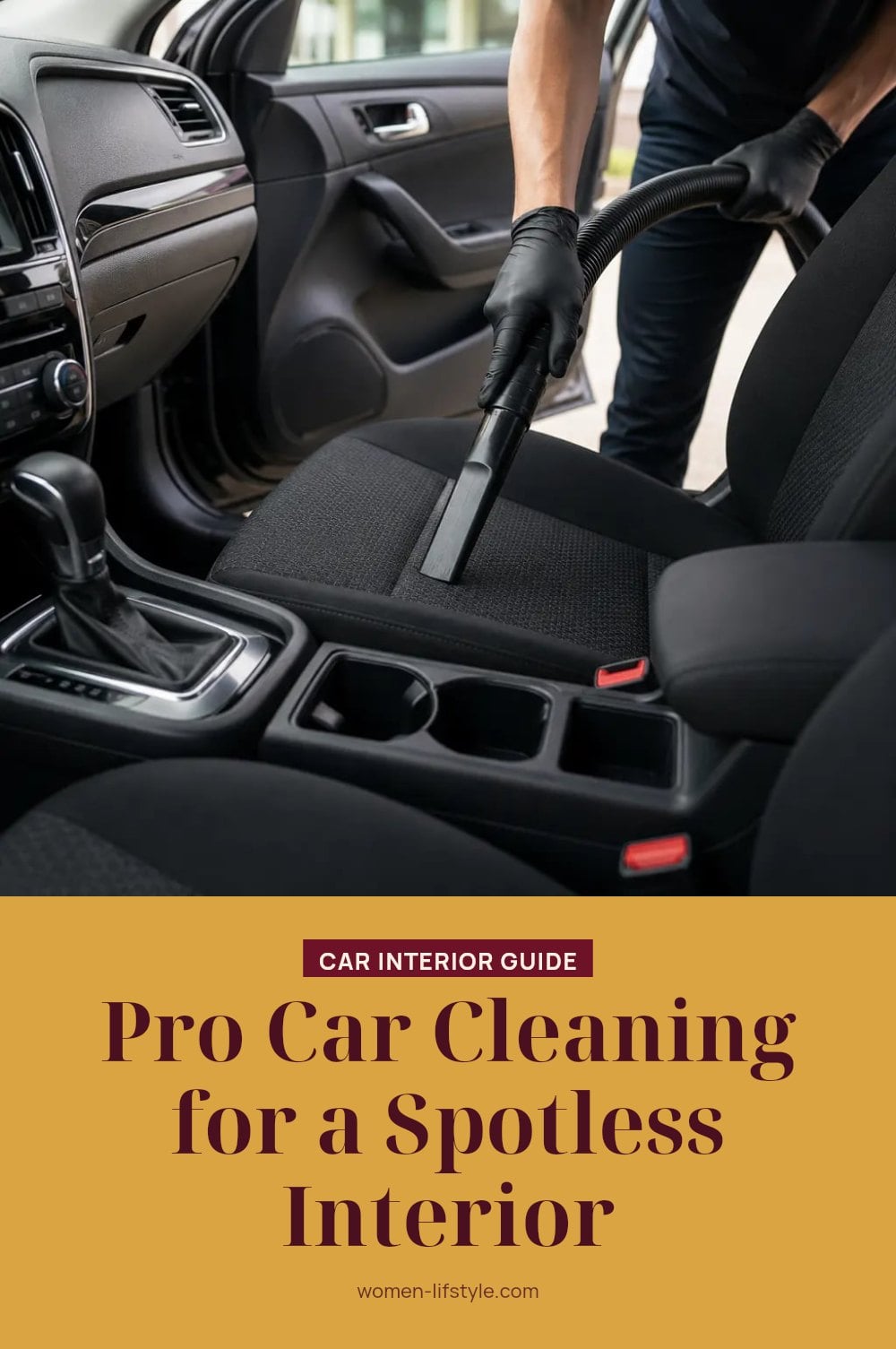
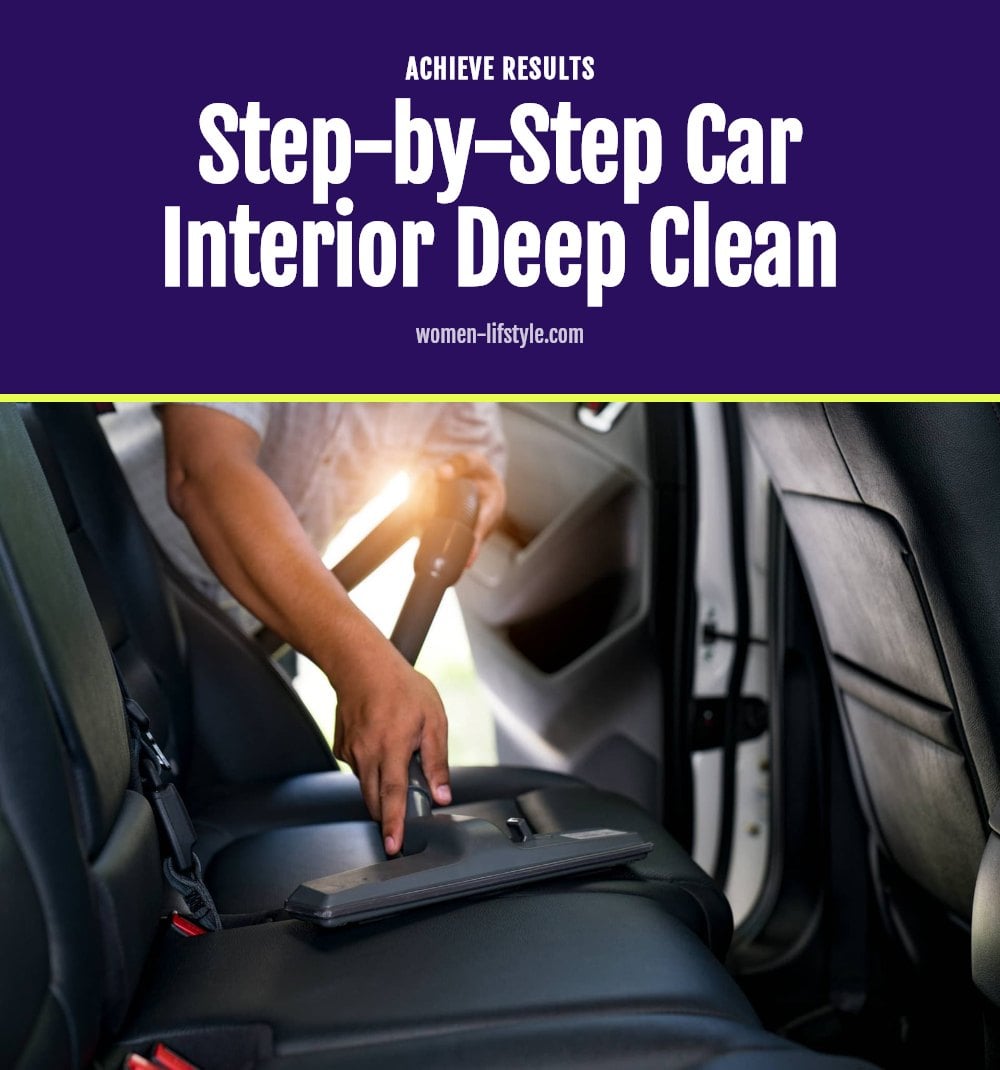
- Vacuum thoroughly: Start with the seats, floor, and mats. Use the crevice tool for gaps between seats and the console, and run a soft-bristle brush over upholstery to loosen dirt and pet hair before vacuuming again.
- Clean dashboards and consoles: Spray a multi-surface cleaner onto a microfiber cloth, not directly on the surface, and wipe all plastic, vinyl, and metal areas. Avoid spraying onto screens or electronic buttons.
- Treat upholstery stains: Apply a fabric or leather cleaner to a cloth and blot the stain gently. Test the cleaner on a hidden spot first. Let the area air dry completely to prevent mildew.
- Clean windows and mirrors: Use a streak-free glass cleaner and a fresh microfiber cloth. Wipe in straight lines to avoid streaks and ensure clear visibility.
- Wipe door jambs and sills: These collect grime that gets tracked inside. Use a damp microfiber cloth, then dry. Blow compressed air into crevices around vents, buttons, and seat rails to remove hidden dust and crumbs. Hold the nozzle at least a few inches away and wear safety glasses to protect your eyes from dislodged particles.
Targeted Cleaning for Different Car Interior Materials
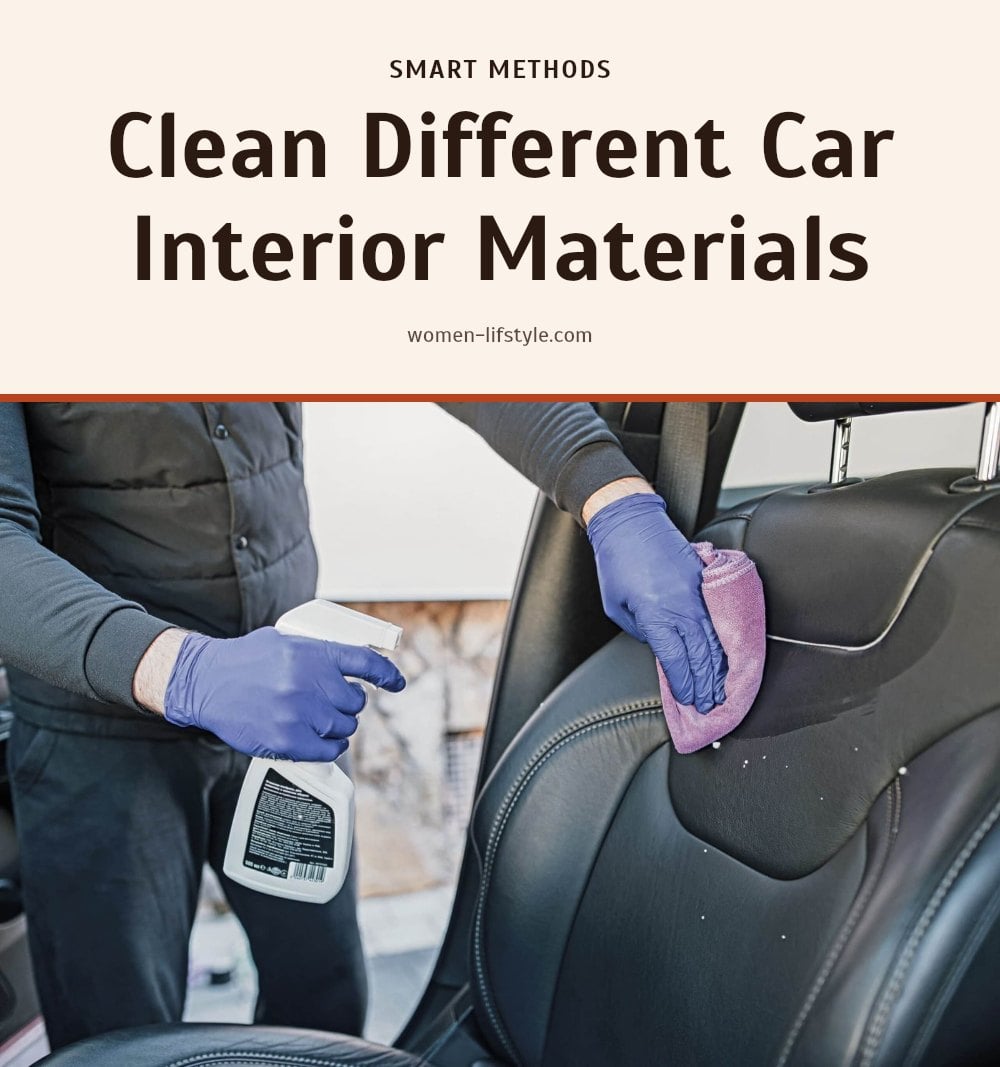
Different materials in your car need different care. Using the wrong product can cause permanent damage, so match your cleaner to the surface.
Leather upholstery
Leather needs a pH-balanced leather cleaner and a conditioner afterward. Cleaners made for leather remove dirt without stripping natural oils, and conditioners keep the material supple and prevent cracking or fading.
Fabric upholstery
For fabric stains, use a dedicated upholstery cleaner or a mild soap mixed with water. Blot, don’t rub, to avoid spreading the stain. Always test on an inconspicuous spot first, and let the area air dry fully to avoid odors.
Plastic and vinyl surfaces
Dashboards, door panels, and trim are often plastic or vinyl. A multi-surface interior cleaner works well, but after cleaning, apply a UV protectant. This blocks sun damage and keeps the material from fading or becoming brittle over time.
Common Car Cleaning Mistakes to Avoid
Using one all-purpose cleaner on every surface is a fast way to damage leather, fabric, and plastic. Each material needs a product designed for it. Another common mistake is skipping the vacuum step. If you spray cleaner onto dirty carpets or upholstery, you just create muddy residue that sets into the fibers.
Over-wetting fabric seats is a major cause of mold and musty odors. Apply cleaner sparingly and blot, don’t soak. High-touch areas like the steering wheel, gear shift, and door handles are often forgotten. They collect oils and bacteria, so give them a dedicated wipe. Paper towels seem convenient for windows, but they leave lint and streaks. Use a clean microfiber cloth instead. Finally, ignoring UV protection on plastic and vinyl leads to fading and cracking over time. A protectant spray or wipe is worth the few extra minutes.
Expert Tips for a Deeper Car Interior Clean
Test first: Always try a new cleaner on an inconspicuous spot, like under a seat or inside the glove box. This prevents surprise discoloration on visible areas. Use separate cloths: Keep one microfiber cloth for glass, one for the dashboard, and one for upholstery. Cross-contamination spreads dirt and oils where you don’t want them.
Ventilate: Open the doors or roll down the windows while you work, especially when using spray cleaners. Fumes concentrate quickly in a closed cabin. Condition leather: After cleaning leather seats, apply a leather conditioner to keep the material supple and prevent cracking. Detail the gaps: Use a detailing brush or a cotton swab to reach into air vents, around buttons, and along seat seams. These spots collect dust and crumbs that a cloth can’t reach.
Maintaining Your Car’s Interior Cleanliness
After cleaning, let upholstery air dry completely with the windows cracked or the doors open. This prevents mildew and lingering odors. To keep the interior fresh between deep cleans, vacuum the floors and mats weekly and wipe down the steering wheel, gear shift, and door handles with a damp microfiber cloth.
Apply a UV protectant to plastic and vinyl surfaces every few months to guard against sun damage and fading. Keep a small trash bag or bin in the car so wrappers and receipts don’t pile up on the floor.
How Often to Clean Your Car Interior
A basic interior clean, removing trash, vacuuming, and wiping surfaces, takes 30 to 60 minutes. A deep clean that includes shampooing upholstery, conditioning leather, and cleaning every crevice can take 2 to 4 hours. Plan for a thorough cleaning every 1 to 3 months, depending on how much you use the car.
For maintenance, vacuum and wipe down high-touch areas weekly or every two weeks. This routine prevents dirt from building up and makes the deeper clean much faster.
Frequently Asked Questions
How often should I deep clean my car’s interior?
Plan a deep clean every one to three months, depending on how much you use the car and whether you eat or travel with pets inside. Between deep cleans, vacuum the floors and mats weekly and wipe down the steering wheel, gear shift, and door handles to keep things fresh.
Can I use household cleaners on my car’s interior?
No. Harsh household cleaners like bleach or ammonia-based products can damage or discolor car interior surfaces. Stick to products designed for automotive use, such as a mild all-purpose cleaner diluted with water for plastic and vinyl, or a dedicated leather cleaner for leather seats.
What’s the best way to remove pet hair from car seats?
First, use a soft-bristle brush to loosen the hair from the upholstery, then vacuum with a brush attachment. A rubber squeegee or a dampened rubber glove can also help gather hair into clumps for easy pickup. For stubborn hair, try a lint roller designed for pet hair.
How do I prevent my car’s interior from getting dirty quickly?
Keep a small trash bag or container in the car for wrappers and receipts. Vacuum the floors and mats weekly to prevent dirt from embedding. Wipe down high-touch surfaces like the steering wheel and door handles with a microfiber cloth every few days. Using UV protectants on plastic and vinyl can also prevent sun damage and fading.
Is it safe to use compressed air on car electronics?
Yes, but use caution. Compressed air can remove dust and crumbs from air vents, around buttons, and other tight spaces. Hold the can upright and use short bursts to avoid moisture spray. Keep the nozzle at a safe distance to avoid propelling small particles into sensitive components.
Final Thoughts
My tip: stick to a simple routine. Vacuum and wipe down high-touch areas like the steering wheel and door handles weekly, then do a full deep clean every one to three months. A thorough clean takes two to four hours, but breaking it into sections makes it manageable. Focus on using the right product for each material, and your car will stay comfortable and look its best for years.