

You’ve just discovered a candle wax spill on your favorite rug or table, and your first instinct might be to grab a paper towel and start rubbing. But that can actually make things worse. I’ve seen it happen, and the key is to pause and match the removal method to the surface you’re dealing with. This guide walks you through the safest, most effective hacks for removing candle wax from fabric, wood, glass, clothing, and more, using tools you probably already have at home.
Key Takeaways
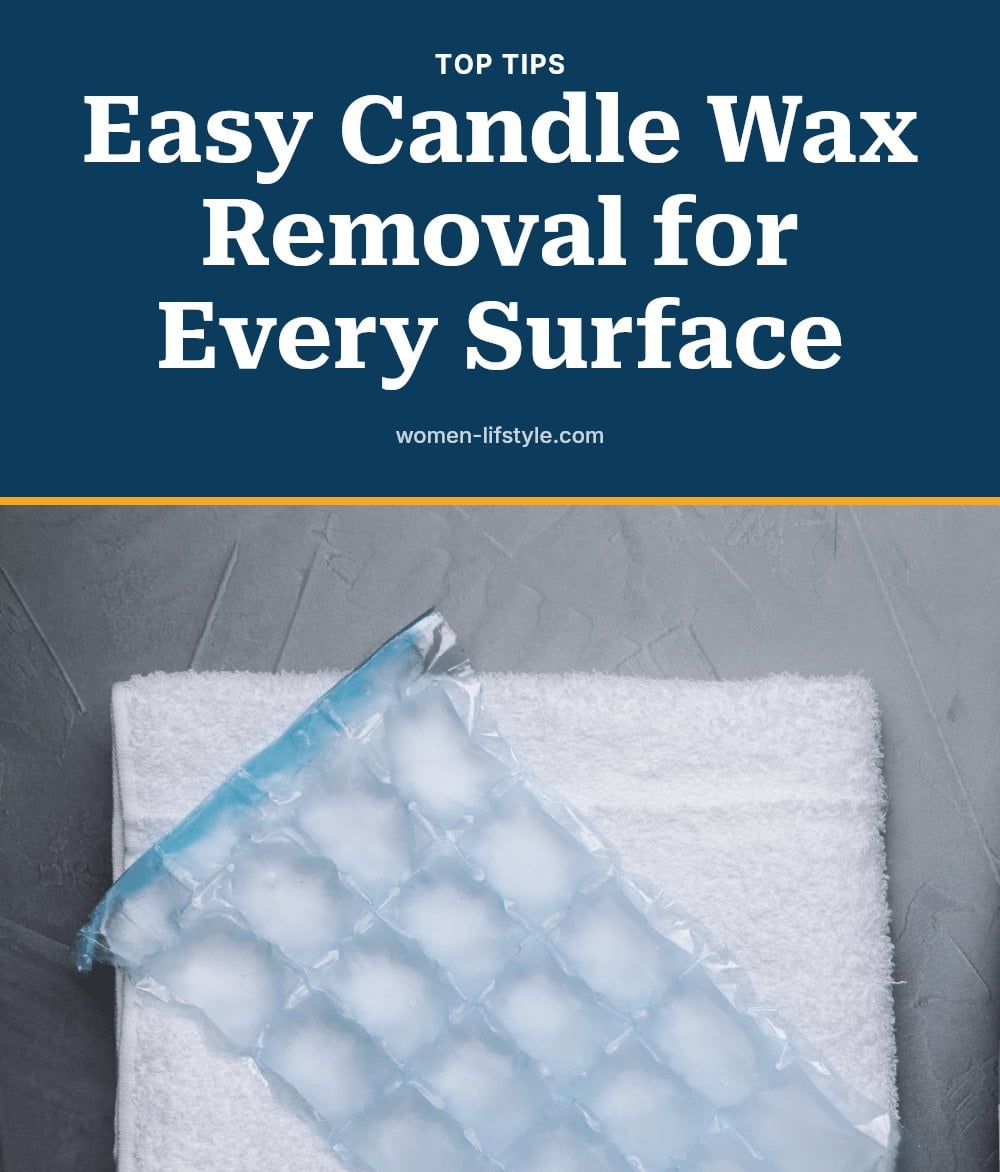
- Harden wax with ice before scraping it off delicate surfaces like fabric or carpet.
- Use a plastic scraper or credit card, not a sharp knife, to avoid scratching.
- For absorbent materials, melt wax gently with an iron and blot with paper towels.
- Rubbing alcohol dissolves stubborn wax residue on glass, tile, and metal.
- Always test any method on an inconspicuous area first to prevent damage.
Your Go-To Guide for Candle Wax Spills
The best way to remove candle wax depends on the surface it spilled on. Generally, you’ll either chill the wax to make it brittle for scraping, or gently heat it to absorb with paper towels. Always test any method on an inconspicuous area first to prevent damage.
1. Fabric and Carpet Wax Removal
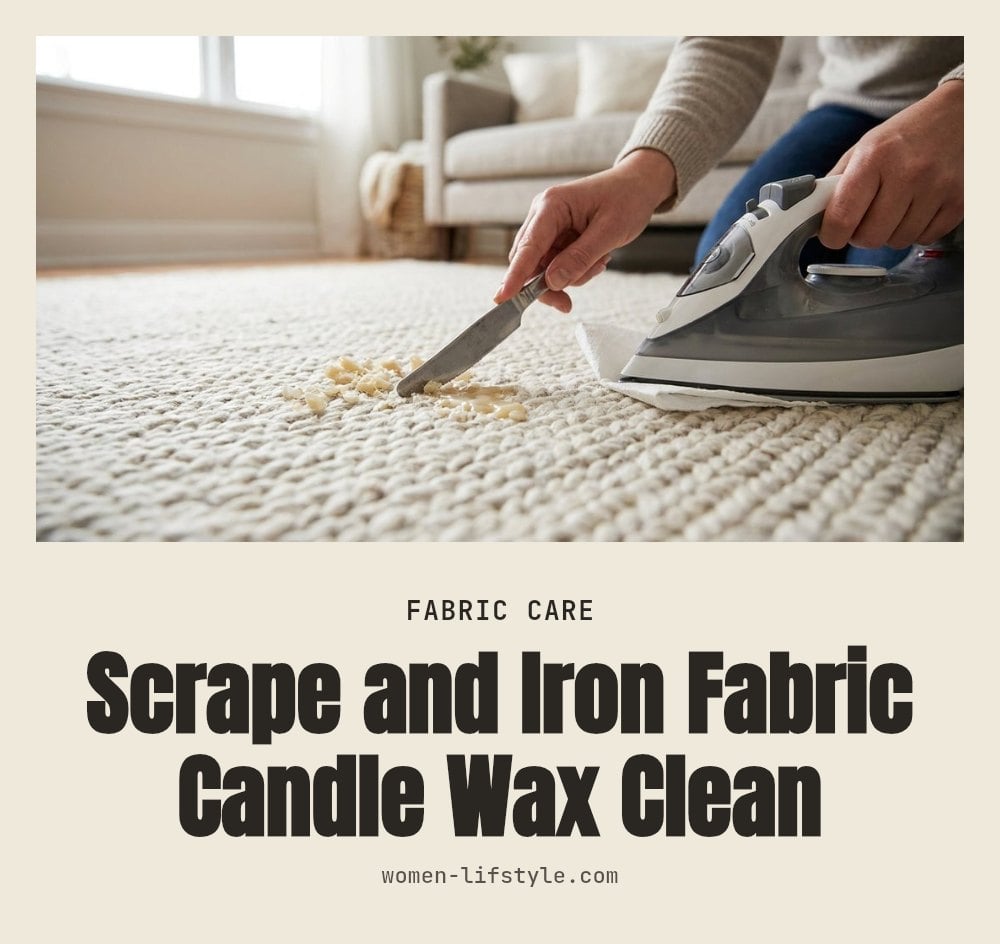
First, harden the wax with ice cubes in a plastic bag or an ice pack until it’s brittle. Scrape off as much hardened wax as possible using a dull knife or plastic scraper. Place a brown paper bag or several layers of paper towels over the remaining wax, then gently iron on a low to medium setting (no steam) to melt and absorb the wax. Repeat with fresh paper until no more wax is absorbed, then vacuum any residue.
2. Wood Furniture Wax Removal
Allow the wax to cool and harden naturally; do not try to wipe it while liquid. Gently chip away the hardened wax with a plastic scraper or the edge of a credit card, working with the grain of the wood. If residue remains, use a hairdryer on a low setting to soften the wax, then wipe it away with a soft, clean cloth. My tip: Follow up with a wood cleaner or polish to restore shine and remove any oily residue.
3. Glass and Ceramic Wax Removal
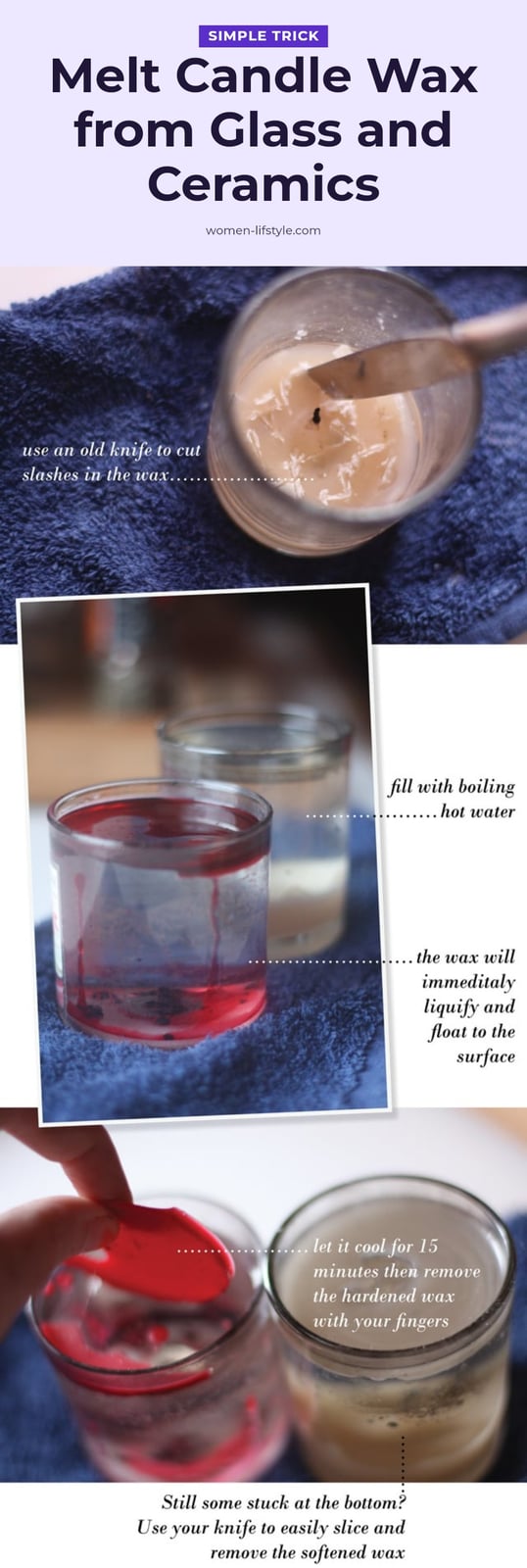
For candle holders or jars, pour boiling water into the item (if it’s at room temperature to avoid thermal shock) to melt the wax. The melted wax will float to the top; let the water cool, then remove the hardened wax disc. Alternatively, for spills on flat glass or ceramic, chill the wax with ice, then gently scrape with a plastic scraper or credit card. Rubbing alcohol on a cotton ball can remove any remaining waxy film.
4. Clothing Wax Removal
Place the clothing item in the freezer for at least 30 minutes until the wax is completely frozen and brittle. The cold makes the wax chip off easily without spreading the stain. Carefully chip off the hardened wax with a dull knife or your fingernail, working from the edges inward.
For any remaining residue, place the stained area between two pieces of brown paper bag or paper towels. Iron on a low setting with no steam, and the heat will melt the wax into the paper. Move the paper as it absorbs the wax, then launder the item as usual to remove any oily residue.
5. Tile and Stone Wax Removal
Let the wax cool and harden completely on the tile or stone surface. Use a plastic scraper or credit card to carefully lift off the hardened wax, working from the outside of the spill inward. The dull edge prevents scratching the finish.
For stubborn residue, a hairdryer on a low setting can soften it, allowing you to wipe it away with a clean cloth. Finish by cleaning the area with a mild soap and water solution to remove any greasy film left behind.
6. Upholstery Wax Removal
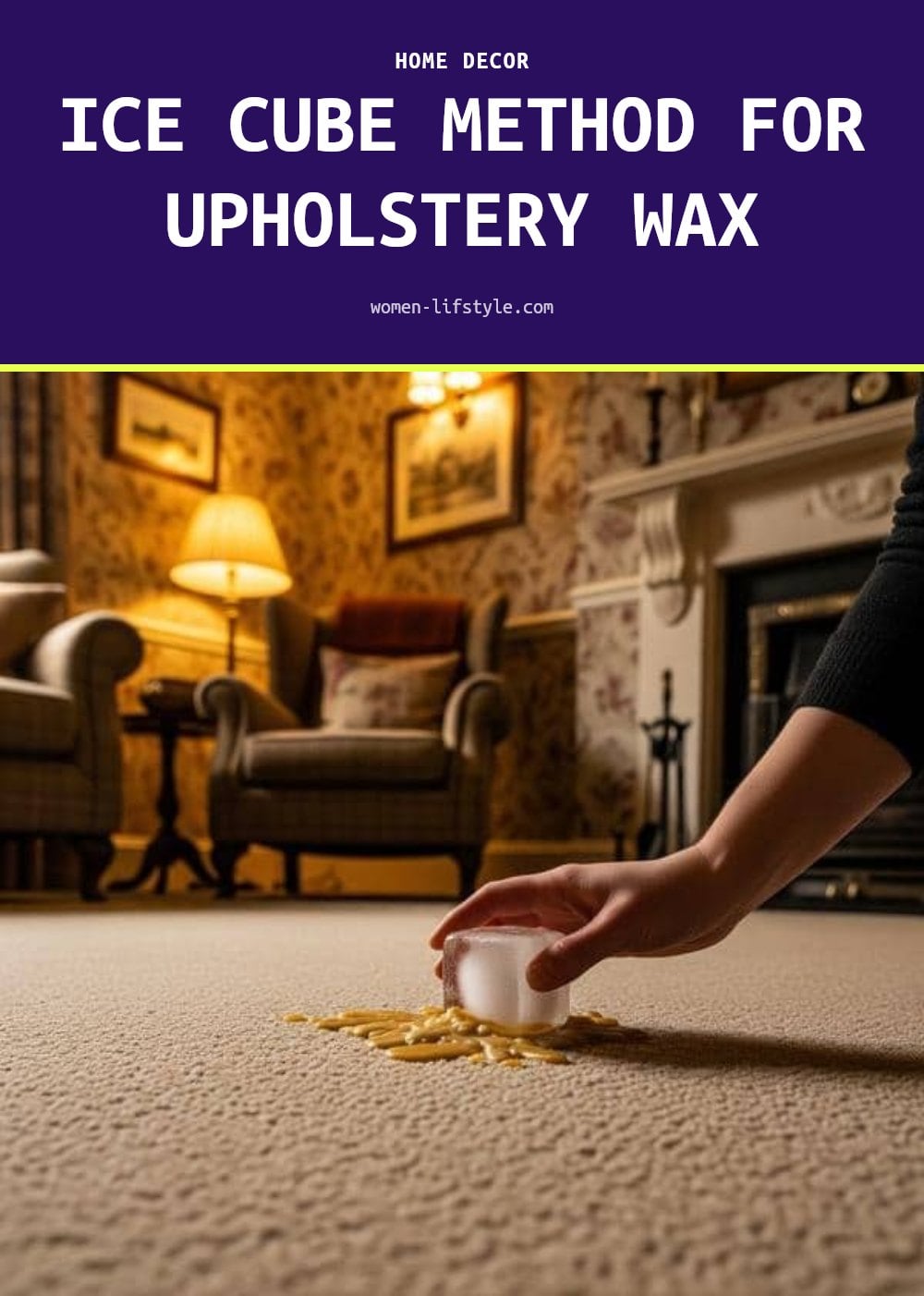
Harden the wax with an ice pack or ice cubes in a plastic bag, being careful not to soak the fabric. Once brittle, gently scrape away the wax with a plastic scraper or the edge of a spoon.
For remaining wax, place a brown paper bag over the area and iron on a low setting with no steam. Move the paper as it absorbs the wax to avoid setting the stain. My tip: For delicate upholstery, consider professional cleaning to avoid damaging the fabric.
7. Skin Wax Removal
Do not try to peel or scrape wax off your skin, especially if it is still warm. Allow the wax to cool and harden naturally to avoid pulling hair or irritating the skin.
Gently rub olive oil or mineral oil onto the wax to help it loosen and slide off. The oil breaks down the wax without harsh chemicals. Wash the area with soap and water afterward to remove any oily residue.
8. Hard Floor Wax Removal
Let the wax cool and solidify completely on the hard floor. Use a plastic scraper or an old credit card to carefully lift the hardened wax, working from the edges inward. For any sticky residue left behind, a small amount of rubbing alcohol on a clean cloth can dissolve it. Wipe the area clean with a damp cloth and then dry it thoroughly to prevent slipping.
9. Using Rubbing Alcohol for Residue
Rubbing alcohol is excellent for dissolving stubborn wax residue on non-porous surfaces like glass, tile, or some metals. Apply a small amount to a cotton ball or clean cloth and gently rub the affected area until the residue lifts. Caution: Always test rubbing alcohol on an inconspicuous area first, especially on painted or varnished surfaces, as it can strip finishes.
10. Hairdryer for Gentle Melting
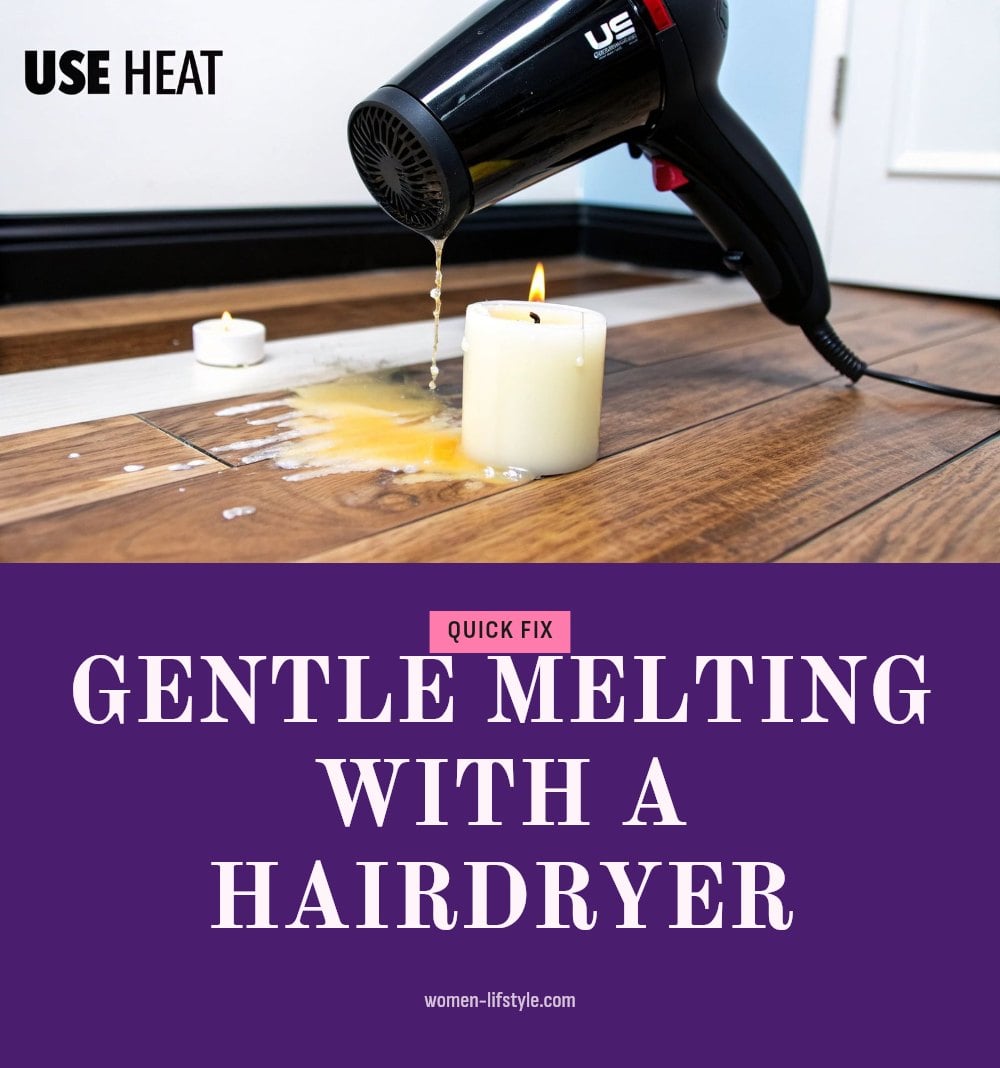
A hairdryer set to a low heat can gently soften wax on hard surfaces, making it easier to wipe away with a paper towel or soft cloth. Keep the hairdryer moving to avoid concentrating heat in one spot, which could damage the surface. Tip: This method is particularly useful for irregular surfaces or areas where scraping is difficult.
11. Dealing with Oily Residue
After removing the wax, an oily residue might be left behind, especially on absorbent materials. For fabrics and carpets, a dab of dish soap on a damp cloth can help lift the grease, then blot clean with water. For hard surfaces, a general all-purpose cleaner or glass cleaner (for glass) usually does the trick. Ensure the surface is completely dry after cleaning.
Common Candle Wax Removal Mistakes
Wiping liquid wax: This spreads the stain and makes it harder to remove. Always let wax cool and harden first before attempting any removal.
Using sharp objects: Knives or abrasive scrubbers can scratch or damage surfaces. Stick to plastic scrapers or dull tools like a credit card.
Applying too much heat: Excessive heat can set the stain, especially on fabrics, or damage delicate finishes. Use low settings and keep heat sources moving to avoid concentrating heat.
Not testing first: Always test any cleaning method on an inconspicuous area to ensure it won’t damage or discolor the material.
Ignoring oily residue: Wax often leaves an oily film. Make sure to clean this up appropriate to the surface after the wax is gone, using dish soap for fabrics or a cleaner for hard surfaces.
Frequently Asked Questions
Will hot water damage my candle holder?
Pouring boiling water into a glass candle holder is safe as long as the glass is at room temperature. If the glass is cold, the sudden heat can cause thermal shock and breakage. Let the holder warm up on the counter first, then carefully add the hot water to melt the wax.
Can I use a hairdryer on all surfaces?
No, a hairdryer is best for hard, non-porous surfaces like glass, tile, or metal. Avoid using it on delicate fabrics or wood finishes, because concentrated heat can damage the material or set a stain. If you try it on a hard surface, keep the hairdryer moving to avoid overheating one spot.
What if wax leaves an oily stain?
After you remove the wax, an oily residue can remain on fabric or carpet. Dab a small amount of dish soap on a damp cloth and blot the area, then rinse with clean water. For hard surfaces, a general all-purpose cleaner usually lifts the grease without any trouble.
Is it safe to use rubbing alcohol on wood?
Rubbing alcohol can damage wood finishes, so it is not recommended for wooden surfaces. Stick to gentle methods like a plastic scraper and a hairdryer on low heat, then wipe with a soft cloth. Always test any solvent on a hidden spot first.
How do I prevent future wax spills?
Place candles on a stable, heat-resistant surface away from drafts that could tip them over. Use a candle holder with a wide base and a drip tray to catch any wax before it hits your table or rug. Trim the wick to 1/4 inch before each burn to reduce dripping.
Final Thoughts
For most spills, the safest bet is to let the wax cool and harden completely, then chip off as much as possible with a dull scraper. If you’re dealing with fabric or carpet, follow up with gentle heat and blotting to lift the rest. Expect a small spill to take about 15 minutes, from start to cleanup. Stick with these surface-specific steps, and you’ll avoid the common mistakes that turn a simple spill into a stubborn stain.
