

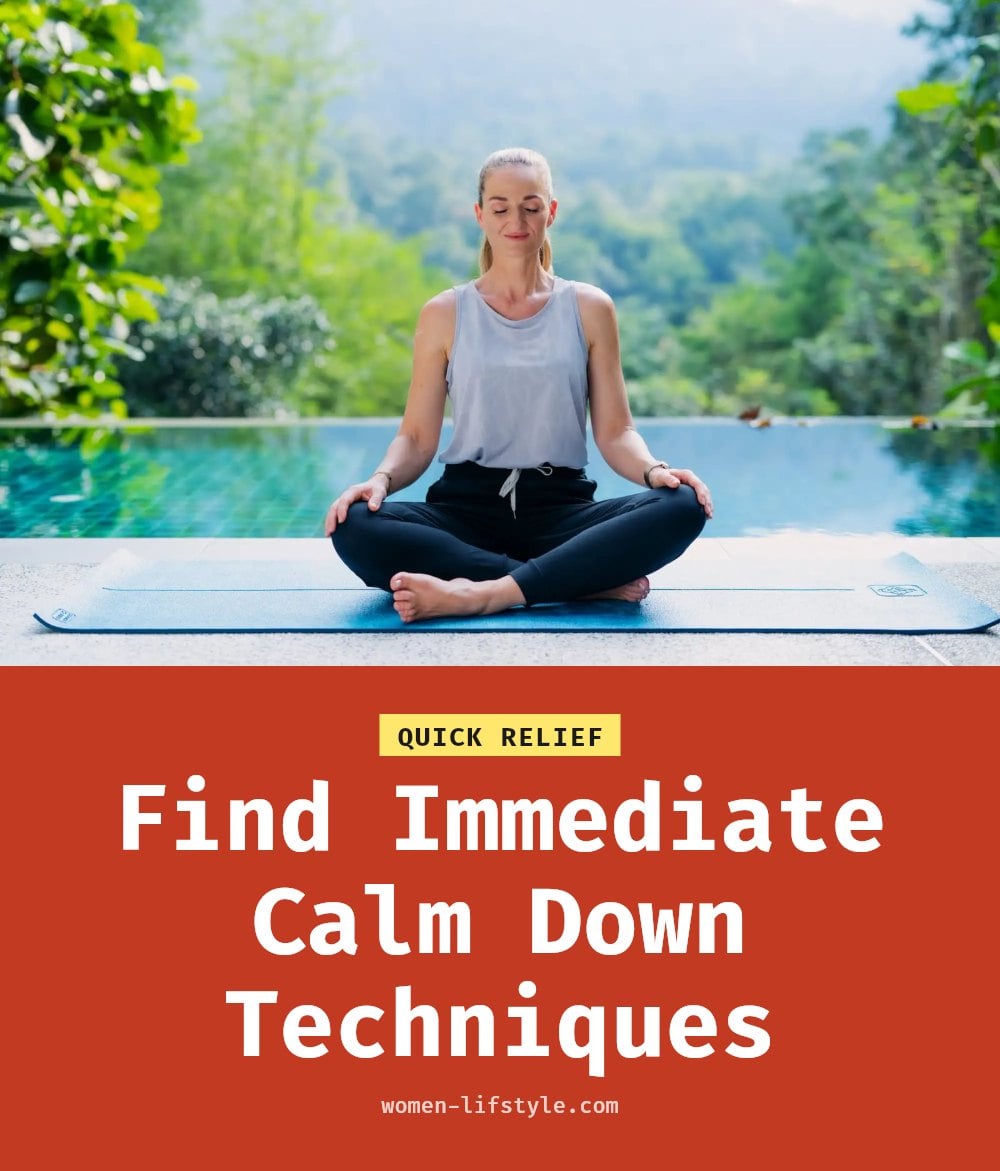
We all have those moments when stress or strong emotions feel too big to handle, and you just need to calm down fast. The good news is that simple physical and mental techniques can help you reset in just a few minutes. This article covers quick, practical methods like deep breathing and grounding exercises that you can use anywhere, plus tips for knowing when to seek professional support.
Key Takeaways
- Use the 4-7-8 breathing technique to activate your ‘rest and digest’ response quickly.
- Engage your senses with the 5-4-3-2-1 grounding exercise to shift focus from stress.
- Move your body with a short walk or gentle stretch to lower cortisol and boost mood.
- Practice calming techniques regularly so they become more effective when you need them most.
- Seek professional help if overwhelming feelings persist or disrupt your daily life.
How to Calm Down Quickly
Calming down quickly means activating your body’s ‘rest and digest’ system. I’ve found that combining deep breathing with grounding yourself in the present moment and gently shifting your focus away from stressors can reduce emotional intensity and help you regain composure. These methods are designed for immediate relief, but for persistent distress, always consider professional support.
What You Need to Practice Calming Techniques
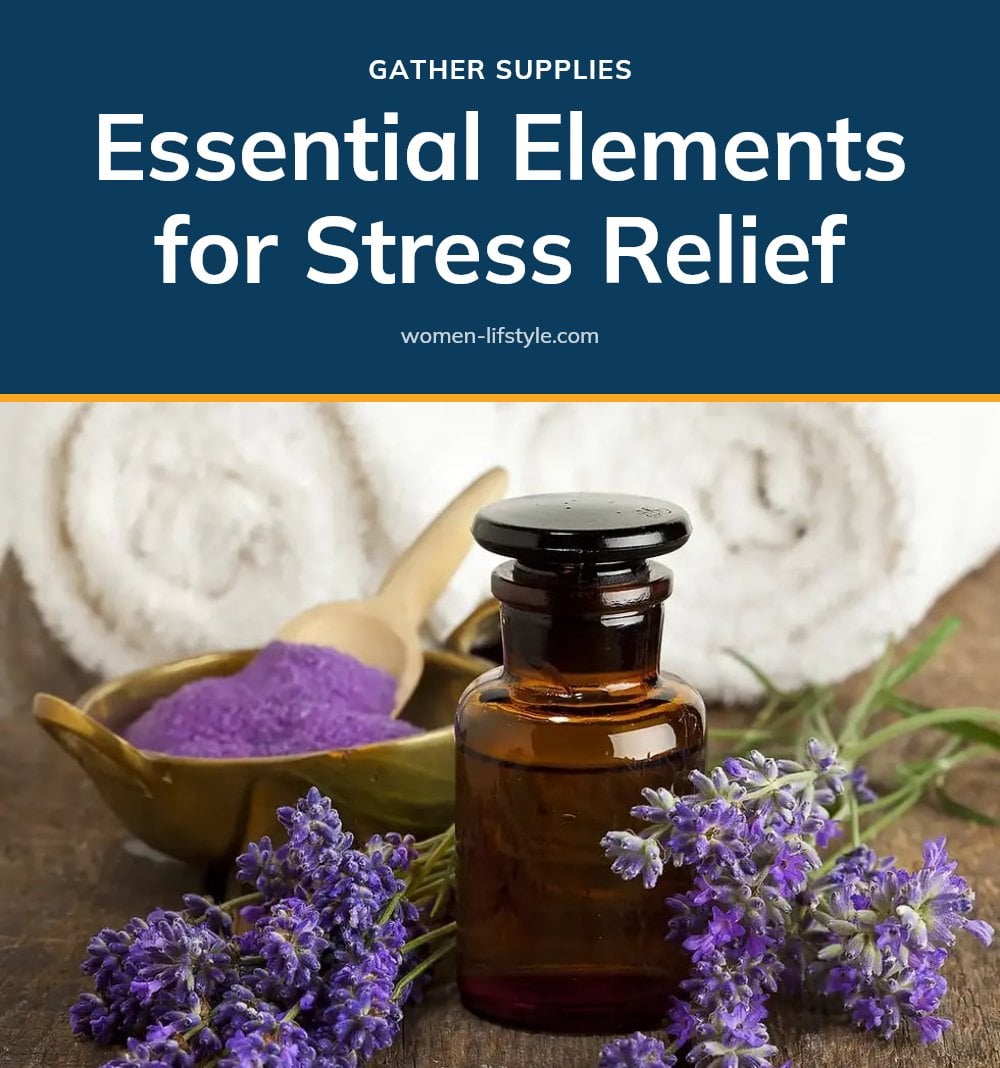
You don’t need much to practice calming techniques, but a few items can help.
- Comfortable clothing: Allows for unrestricted movement and deep breathing.
- Quiet space: Minimizes distractions and helps you focus on the techniques.
- Water: A glass of water can help with physical symptoms like dry mouth.
- Essential oil diffuser (optional): For aromatherapy with relaxing scents like lavender.
- Journal and pen (optional): To process emotions and gain perspective.
- Headphones (optional): For listening to calming music or nature sounds.
Effective Methods for Immediate Calm
Effective Methods for Immediate Calm
Several methods can help you calm down quickly. Here are the ones I rely on.
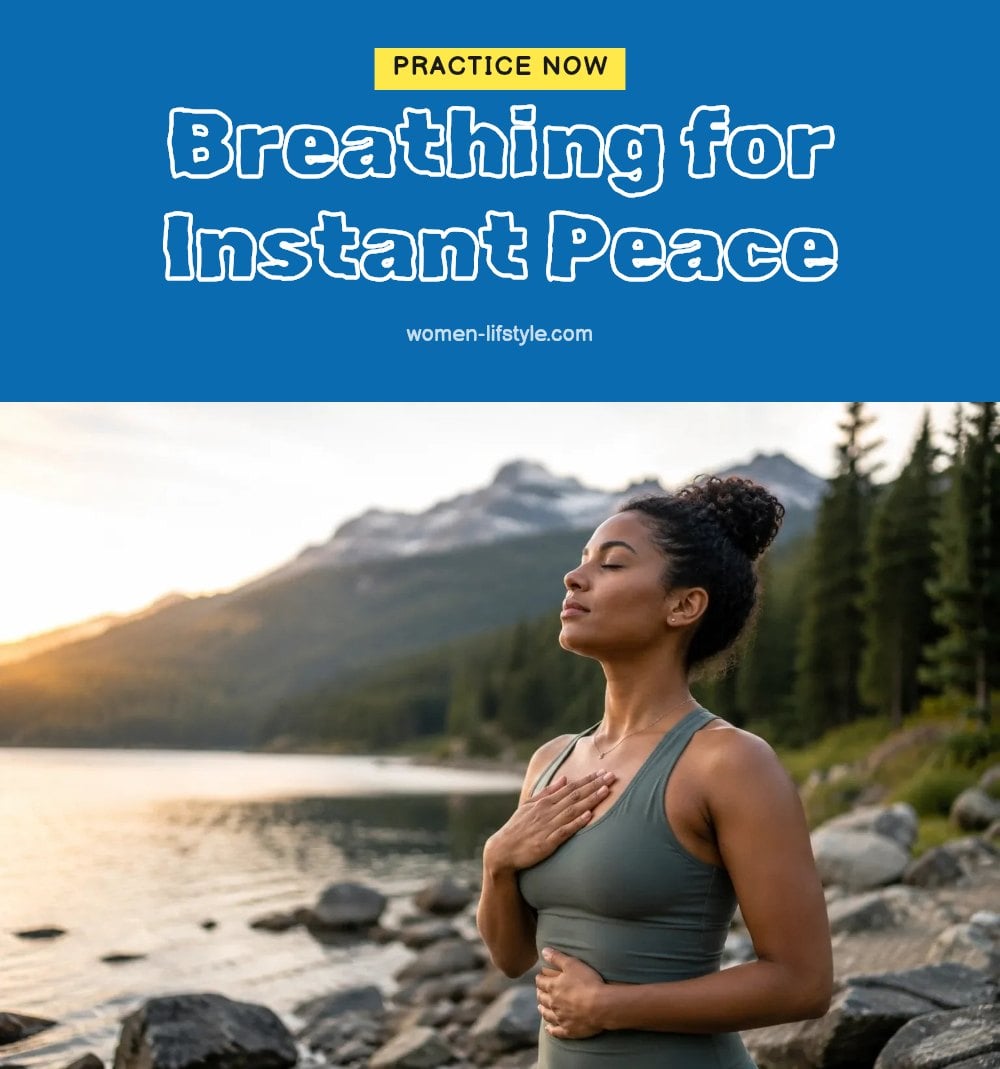
Deep breathing (4-7-8 technique): This activates the parasympathetic nervous system. Inhale through your nose for 4 counts, hold for 7, and exhale slowly through your mouth for 8. Repeat a few times. Tip: If holding for 7 feels difficult, start with a shorter hold and work up.
Engaging your five senses: Grounding yourself in the present moment diverts attention from stressors. Notice what you see, feel, hear, smell, and taste. I’ll walk you through this in the step-by-step section.
Progressive muscle relaxation: Tense each muscle group for 5-10 seconds, then relax for 10-20 seconds. Start with your feet and work up to your face. This releases physical tension that often accompanies stress.
Mindfulness practices: Focus on a single object, like a candle flame or a spot on the wall, for 1-5 minutes. When your mind wanders, gently bring it back. This reduces rumination.
Short bursts of physical activity: A quick walk, jumping jacks, or stretching for 5 minutes can reduce stress hormones like cortisol and increase endorphins. Even a short burst makes a difference.
Calming music or nature sounds: Listening to soothing sounds can lower heart rate and blood pressure. My tip: Keep a playlist ready on your phone for when you need it.
Aromatherapy with lavender: Many people find lavender promotes relaxation. Use a diffuser or inhale directly from the bottle. Caution: Ensure proper dilution and check for allergies before using essential oils.
Step-by-Step: Grounding Yourself with Your Senses
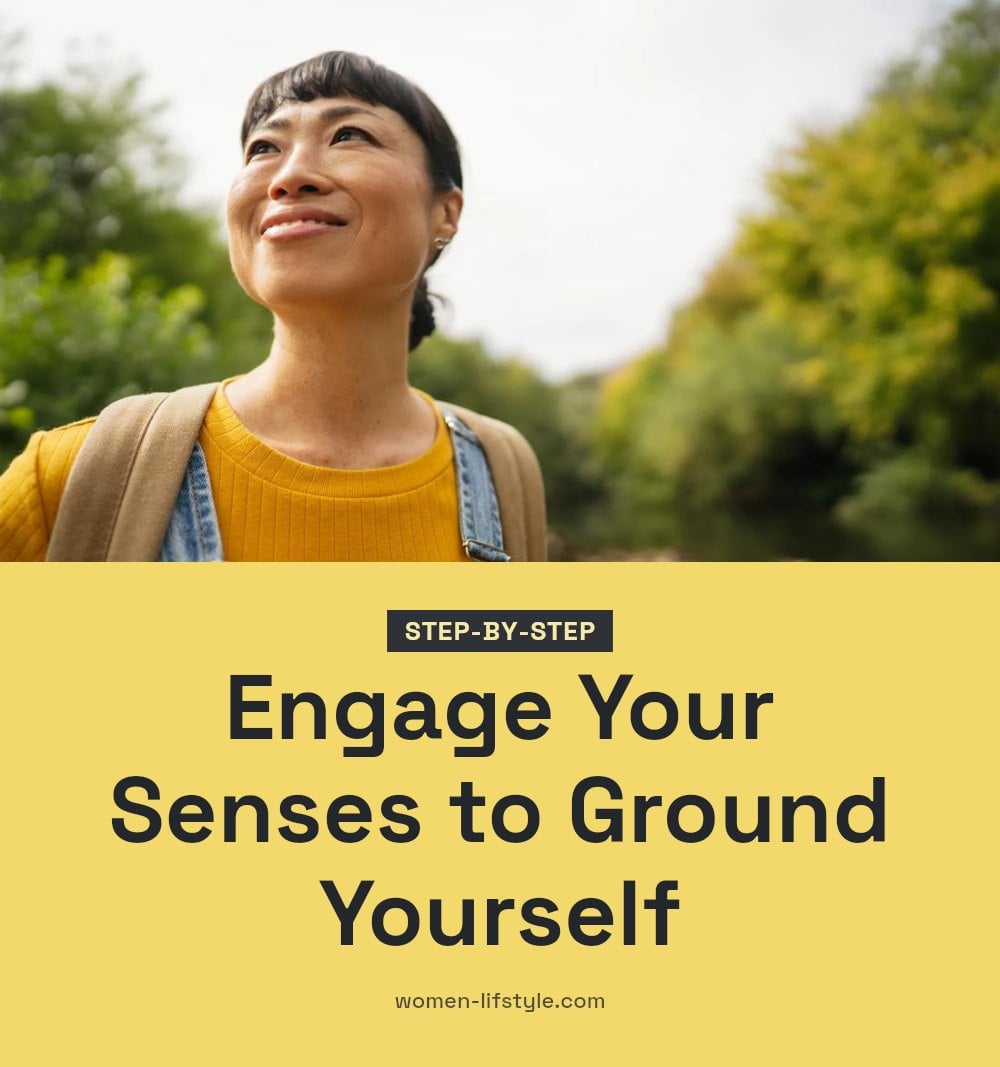
This 5-4-3-2-1 grounding technique helps you shift focus from stressors to the present moment. Start by acknowledging your feelings without judgment.
- Notice five things you can see: Look around your immediate environment. Name them silently or out loud, like a lamp, a window, a book, a plant, and a rug.
- Identify four things you can physically feel: Notice the texture of your clothing, the floor under your feet, the air on your skin, or the chair beneath you.
- Listen for three distinct sounds: Focus on sounds you might normally tune out, such as a fan, birds outside, or a distant car.
- Actively try to smell two different scents: Inhale the air around you. If you can’t detect anything, sniff your sleeve or a nearby object like a candle or a piece of fruit.
- Taste one thing: Notice the taste inside your mouth, or take a sip of water and focus on its flavor.
Common Mistakes When Trying to Calm Down
Expecting immediate and total calm: It is normal for emotions to linger. Aim for a gradual reduction in intensity rather than instant relief.
Using unhealthy distractions: Excessive scrolling or overeating may provide temporary escape but do not address the root cause. Instead, try a grounding technique or a short walk.
Ignoring physical symptoms: A racing heart or tense shoulders are signals, not weaknesses. Address them with deep breathing or progressive muscle relaxation alongside mental techniques.
Not practicing regularly: Calming techniques work like a muscle. Consistent practice makes them more effective when you truly need them.
Believing one technique fits all: What works today might not work tomorrow. Experiment with different methods to find what suits you in each moment.
Best Tips for Sustaining a Calm State
Move Your Body: Even a short walk or gentle stretch for just 5 minutes can reduce stress hormones like cortisol and boost mood. I usually do a few shoulder rolls when I feel tension building.
Connect with Nature: Spending time outdoors has been shown to reduce stress and improve mood. My tip: even just looking out a window can help.
Practice Gratitude: Shifting your focus to positive aspects of life can reduce stress and promote a calmer outlook. I sometimes list three things I am grateful for before bed.
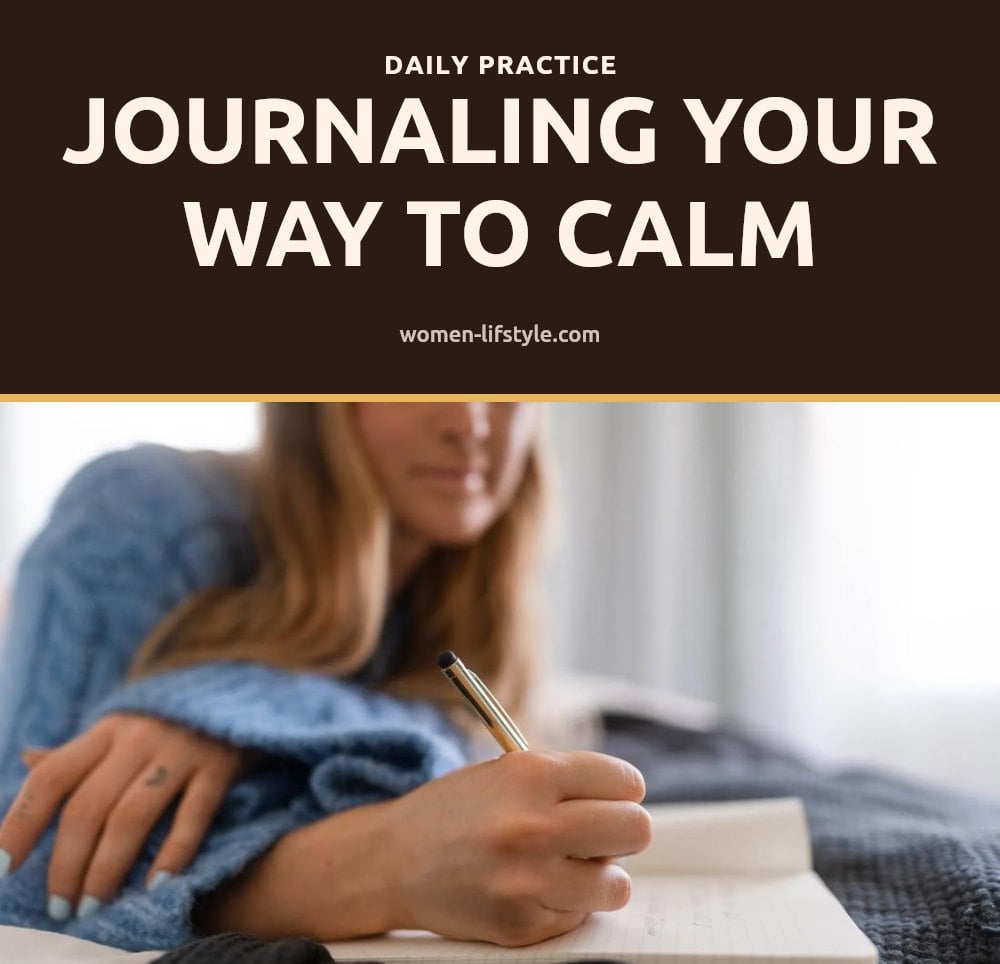
Journal Your Thoughts: Writing down what you are feeling can help you process emotions and gain perspective, which I find incredibly calming.
Stay Hydrated: Sometimes a simple glass of water can help with physical symptoms of anxiety like a dry mouth. My tip: keep a water bottle handy.
When to Seek Professional Help
If you experience severe or prolonged panic attacks that disrupt your daily life, or if intense anxiety persists despite self-help techniques, consider seeking professional support. Also reach out if you have thoughts of self-harm or harming others, or if distress significantly impacts your relationships, work, or well-being.
My tip: There is no shame in seeking support. A mental health professional can provide personalized strategies and guidance.
Frequently Asked Questions
How long does it take for these techniques to work?
Many calming techniques can offer relief within minutes, especially deep breathing and grounding exercises. However, the exact timing varies per person and situation. With consistent practice, these methods tend to become more effective and faster over time.
Can I use these techniques for chronic stress?
Yes, these techniques can help manage acute episodes of chronic stress, but they are not a substitute for professional care. If you experience persistent or severe stress, consider talking to a therapist or counselor who can help address underlying causes.
What if I can’t focus on my breath?
If focusing on your breath feels difficult, try a different grounding technique like the 5-4-3-2-1 senses exercise or gently stretching your body. You can also listen to calming music or nature sounds as an alternative way to shift your attention.
Are there any side effects to deep breathing?
Some people may feel dizzy or lightheaded if they breathe too quickly or hold their breath too long. If you experience discomfort, stop the exercise and breathe normally. Consult a healthcare professional if symptoms persist or if you have a pre-existing respiratory condition.
How can I make calming techniques a habit?
Practice a technique at the same time each day, such as after waking up or before bed. Pair it with an existing habit, like deep breathing while waiting for your morning coffee. Over time, this repetition helps the response become more automatic during stressful moments.
Final Thoughts
My tip is to pick one technique, like the 4-7-8 breath or a sensory grounding exercise, and try it the next time you feel overwhelmed. Realistically, you may not feel completely calm right away, but with regular practice these methods become more reliable over time. The goal is gradual relief, not instant perfection, so be patient with yourself as you build this skill.
This article provides general information about calming techniques and is not a substitute for professional medical or mental health advice. If you experience severe or persistent anxiety, panic attacks, or thoughts of self-harm, please consult a qualified healthcare provider or mental health professional.
