

You know the feeling: you set a goal, feel motivated, and then a week later you’re back to old habits. Building self-discipline isn’t about being perfect or having superhuman willpower; it’s about creating systems and habits that make the right choice the easy choice. In this article, I’ll walk you through practical steps to strengthen your self-discipline, from setting clear goals to designing your environment for success.

Key Takeaways
- Set SMART goals and break them into small, manageable steps.
- Build consistent routines to make disciplined behaviors automatic.
- Optimize your environment to remove temptations and support your goals.
- Prioritize sleep and nutrition to keep your willpower reserves full.
- Practice self-compassion after setbacks to stay on track long-term.
What is Self-Discipline?
Self-discipline is the ability to control impulses and emotions so you can follow through on what matters most to you, even when you don’t feel like it. It is a skill, not something you are born with, and you can strengthen it through consistent practice and conscious choices that align with your values. The focus is on building habits and setting clear objectives, which leads to greater personal effectiveness and well-being.
1. Set Clear, Achievable Goals

Define goals that are specific, measurable, achievable, relevant, and time-bound (SMART). Break larger goals into smaller, manageable steps to build momentum and avoid feeling overwhelmed. Understand your ‘why’, the deeper motivation behind your goals, to fuel your commitment.
- Specific: Instead of “eat healthier,” say “eat three servings of vegetables daily.”
- Measurable: Track your progress with a simple checkmark each day.
- Time-bound: Set a deadline, like “for the next 30 days.”
2. Build Consistent Daily Routines
Establish a predictable daily schedule for your most important tasks and habits. Consistent repetition of a desired behavior makes it more automatic over time, so you rely less on willpower. My tip: Start with just one new routine element, such as a 10-minute morning stretch or a 15-minute planning session after lunch, and gradually add more as it becomes ingrained.
3. Practice Delayed Gratification

Delayed gratification means consciously choosing to postpone an immediate pleasure for a greater long-term reward. Each time you do this, you strengthen your ability to resist impulses and stay focused on future benefits. Start with small, low-stakes situations, like waiting 10 minutes before checking your phone after a notification, to build this mental muscle gradually.
4. Optimize Your Environment
Remove temptations: Clear your immediate space of anything that pulls you away from your goal. If you want to eat well, keep healthy snacks on the counter and store treats out of sight. If you want to work out, lay your gym clothes out the night before.
My tip: Design your environment so the disciplined choice is also the easy choice. Put a water bottle on your desk, not a soda. Keep your phone in another room during work hours. When the path of least resistance leads where you want to go, you barely need willpower.
5. Track Progress and Celebrate Wins

Use a habit tracker or journal: Mark each day you follow through on a small goal. A simple checkmark on a calendar or a dot in a tracker app creates a visual chain of consistency. Seeing that chain grow builds momentum and makes you want to keep it going.
Celebrate small milestones: After you complete a week of a new routine, acknowledge it. Treat yourself to a walk in your favorite park, an episode of a show, or a relaxing bath. These small rewards reinforce the behavior and remind you that your effort matters.
6. Prioritize Sleep and Nutrition
Prioritize sleep: Aim for 7-9 hours of quality rest each night. When you are sleep-deprived, your brain has less energy to regulate impulses, making it much harder to resist temptations or stick to a plan.
Fuel your body: A balanced diet with protein, fiber, and healthy fats stabilizes your blood sugar and mental energy. Skipping meals or eating processed foods can lead to energy crashes that weaken your resolve.
Tip: Think of your body as the foundation for your discipline. Keep it well-fueled and rested, and every other disciplined choice becomes easier.
7. Practice Mindfulness and Self-Awareness
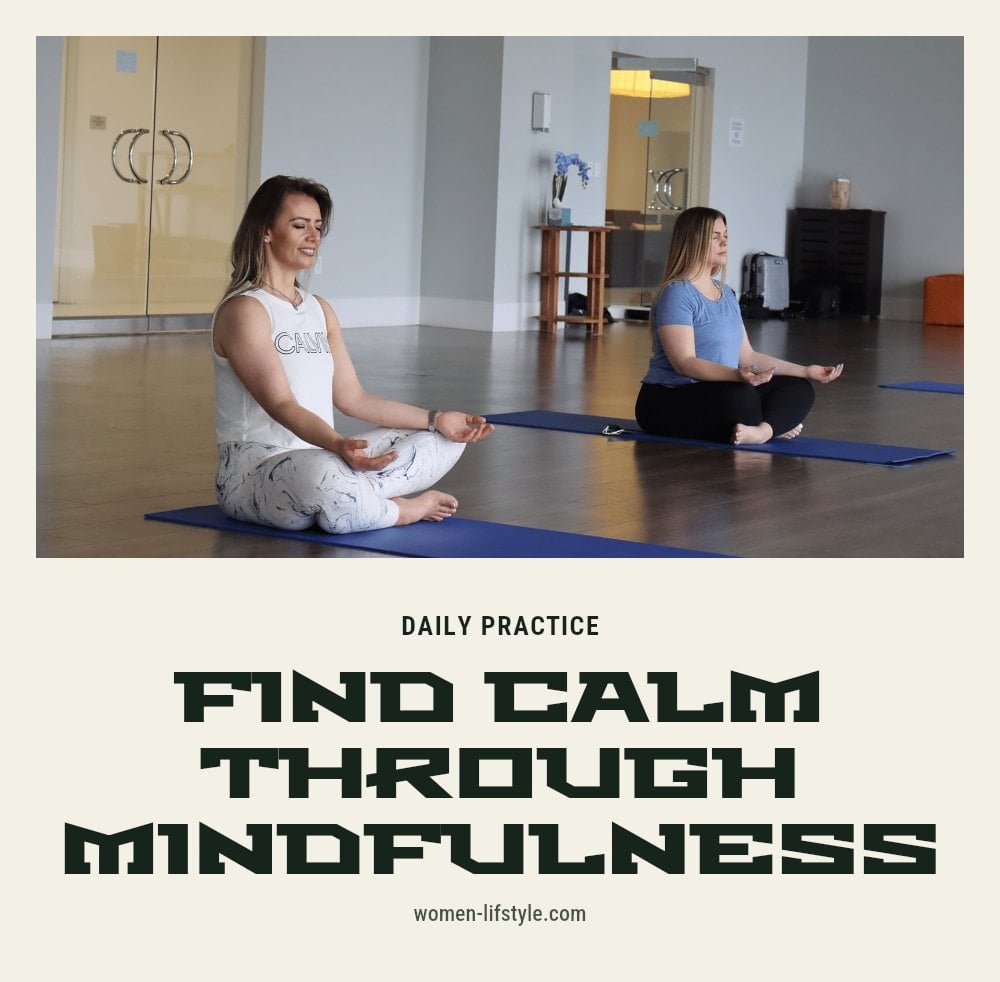
Pause before reacting: When you feel the urge to give in to a distraction or impulse, take three slow breaths. That brief pause creates a gap between the impulse and your action, giving you a moment to choose the disciplined response instead.
Notice your triggers: Pay attention to the situations, times of day, or emotions that typically lead to a loss of control. Once you recognize a pattern, you can prepare for it or change it. A simple breathing exercise, in for four counts, out for four counts, can help you regain control in a challenging moment.
8. Plan for Obstacles and Temptations
Anticipate the specific challenges you’ll face. If your goal is to work out in the morning, think about what might stop you: a late night, a cold bedroom, or a busy schedule. Then create an if-then plan: If my alarm goes off and I feel tired, then I will put on my workout clothes immediately. If I skip a morning workout, then I will do a 10-minute walk at lunch. This proactive approach removes the need to decide in the moment, which is when willpower is weakest.
9. Cultivate Self-Compassion
Setbacks are part of building any skill, including self-discipline. When you slip up, treat yourself the way you would a close friend: with kindness, not criticism. Harsh self-talk drains motivation and makes it easier to give up entirely. Good to know: After a slip, ask yourself what you can learn from it, then move on without dwelling. That simple shift keeps you moving forward instead of stuck in guilt.
10. Use Tools to Support Your Goals
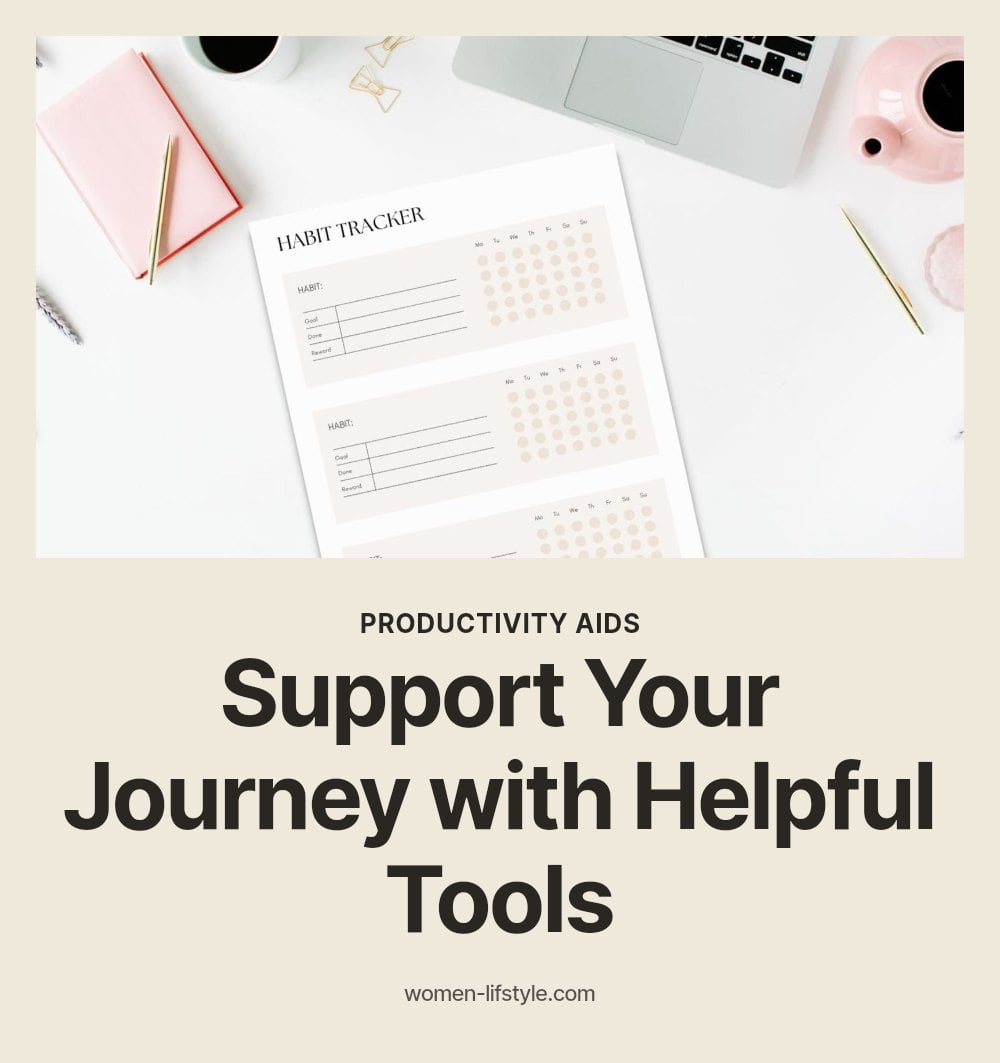
Use a simple habit tracker app or a paper calendar to mark each day you stick to your goal. Seeing a chain of checkmarks builds momentum and gives you a visual reminder of your progress. A timer can also help: set it for 10 minutes to start a task you’ve been avoiding. The key is to choose one tool and use it consistently until the behavior becomes automatic.
11. Understand Willpower is Finite
Willpower is like a battery that drains with each decision you make. By evening, after dozens of small choices, your mental energy is lower. Schedule your most important disciplined task for the morning, when your willpower reserve is full. For the rest of the day, rely on routines and environmental design rather than constant self-control. For example, keep your phone in another room during focus hours so you don’t have to resist checking it.
Common Self-Discipline Mistakes
Believing in Perfection: Self-discipline isn’t about never making mistakes; it’s about getting back on track after a slip-up. Don’t let one bad day undo all your progress.
Setting Unrealistic Goals: Trying to change too much too fast leads to burnout. Start small, build momentum, and gradually increase your challenges.
Ignoring Your Environment: Your surroundings powerfully influence your choices. Don’t rely solely on willpower; actively design your environment to support your goals.
Confusing Discipline with Deprivation: True self-discipline is about making conscious choices for your long-term well-being, not about punishing yourself. Find healthy ways to enjoy the journey.
Lack of a Clear ‘Why’: Without a strong, personal reason behind your disciplined efforts, it’s easy to lose motivation. Reconnect with your core values and aspirations.
Frequently Asked Questions
How long does it take to develop self-discipline?
There’s no fixed timeline, but many people see gradual improvements over weeks and months of consistent effort. Research on habit formation suggests it can take anywhere from a few weeks to several months for a behavior to feel automatic. The key is consistency, not perfection. Focus on showing up daily, and you’ll notice your discipline strengthening over time.
Can self-discipline be learned by anyone?
Yes, self-discipline is a skill that can be developed, much like a muscle. It requires consistent practice and patience. Some people may find it easier due to temperament or upbringing, but everyone can improve. Start with small, achievable goals and gradually increase the challenge. Remember, setbacks are normal, and self-compassion is part of the process.
What is the difference between willpower and self-discipline?
Willpower is the ability to resist short-term temptations in the moment, but it’s a finite resource that depletes with use. Self-discipline, on the other hand, is a broader skill that involves building habits and systems so you rely less on willpower. For example, willpower helps you say no to a cookie, while self-discipline helps you create an environment where cookies aren’t in sight.
How do I stay motivated when building discipline?
Motivation can fluctuate, so it’s important to build systems that don’t depend on it. Track your progress with a habit tracker, celebrate small wins, and remind yourself of your ‘why’ the deeper reason behind your goal. When you slip up, practice self-compassion rather than harsh criticism, and get back on track the next day. Consistency matters more than perfection.
Final Thoughts
Building self-discipline is a gradual process, not a quick fix. Start by picking just one small habit to focus on, like a 10-minute morning stretch or a daily walk, and commit to it for a few weeks. Expect some slip-ups along the way; they’re part of the learning curve. The key is to get back on track without harsh self-criticism. Over time, these small consistent actions will compound into lasting change, and you’ll find it easier to follow through on what matters most to you.
This article is for general informational purposes only and is not a substitute for professional medical or mental health advice. If you are struggling with persistent low mood, lack of energy, or other mental health concerns, or if you are considering extreme diets or exercise routines, please consult a qualified healthcare professional.
