

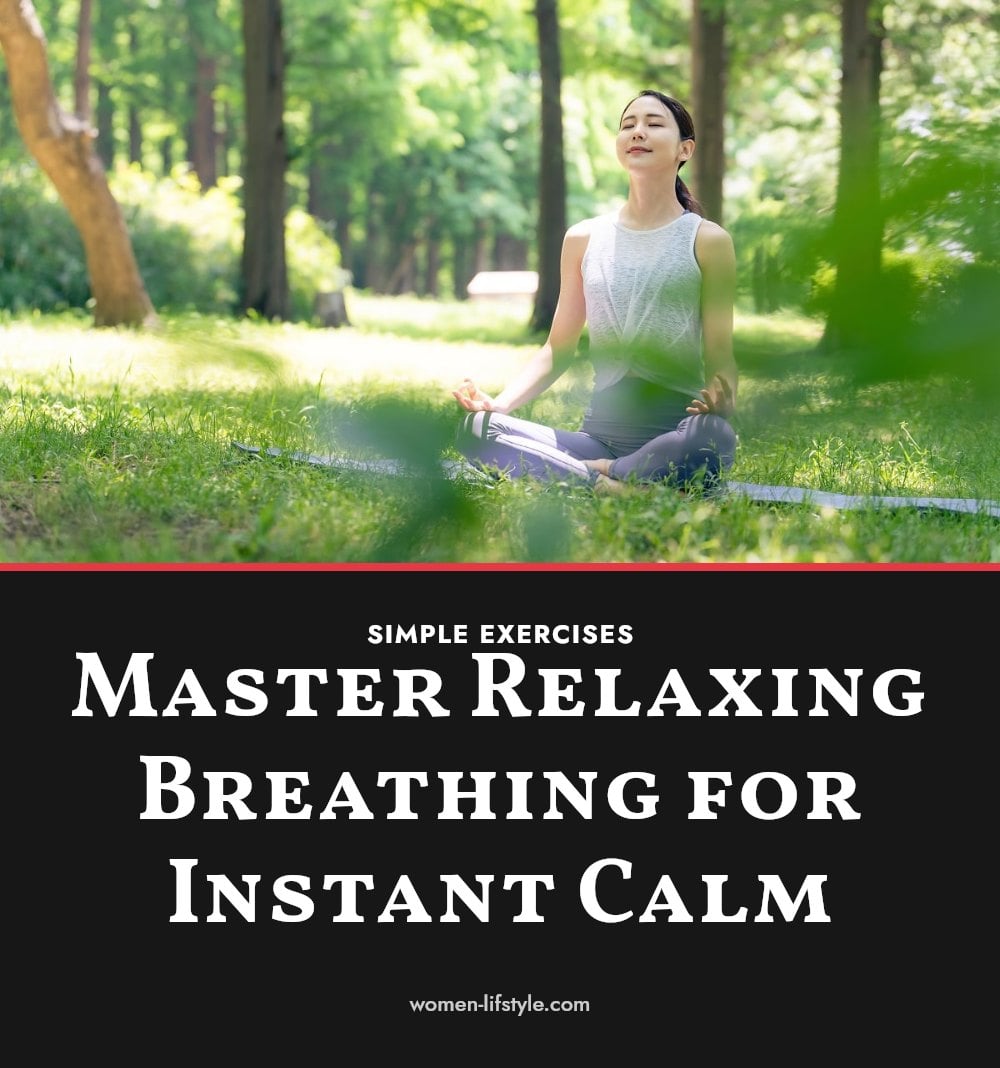
When stress hits, your breath is the fastest tool you already have to calm down. These simple breathing exercises can shift your nervous system from ‘fight or flight’ to ‘rest and digest’ in just a few minutes. In this article, I’ll walk you through the techniques that work, common mistakes to avoid, and how to build a short daily practice that fits your life.
Key Takeaways
- Diaphragmatic (belly) breathing engages your diaphragm for deeper, more calming breaths.
- The 4-7-8 technique uses a long exhale to promote relaxation.
- Box breathing alternates equal counts of inhale, hold, exhale, and hold.
- Practice 5-10 minutes daily for lasting stress management benefits.
- Stop immediately if you feel lightheaded or dizzy.
Why Conscious Breathing Helps You Relax
Conscious breathing works because it directly talks to your nervous system. When you slow your breath and deepen it, you send a signal to shift out of ‘fight or flight’ and into ‘rest and digest.’ The key player here is the vagus nerve, which responds to slow, deep breaths by calming your body down. That is why a few deliberate breaths can lower your heart rate and help you feel steadier. Do this regularly, even for a few minutes a day, and many people notice improvements in mood, sleep, and overall well-being.
What You Need to Start Breathing Exercises
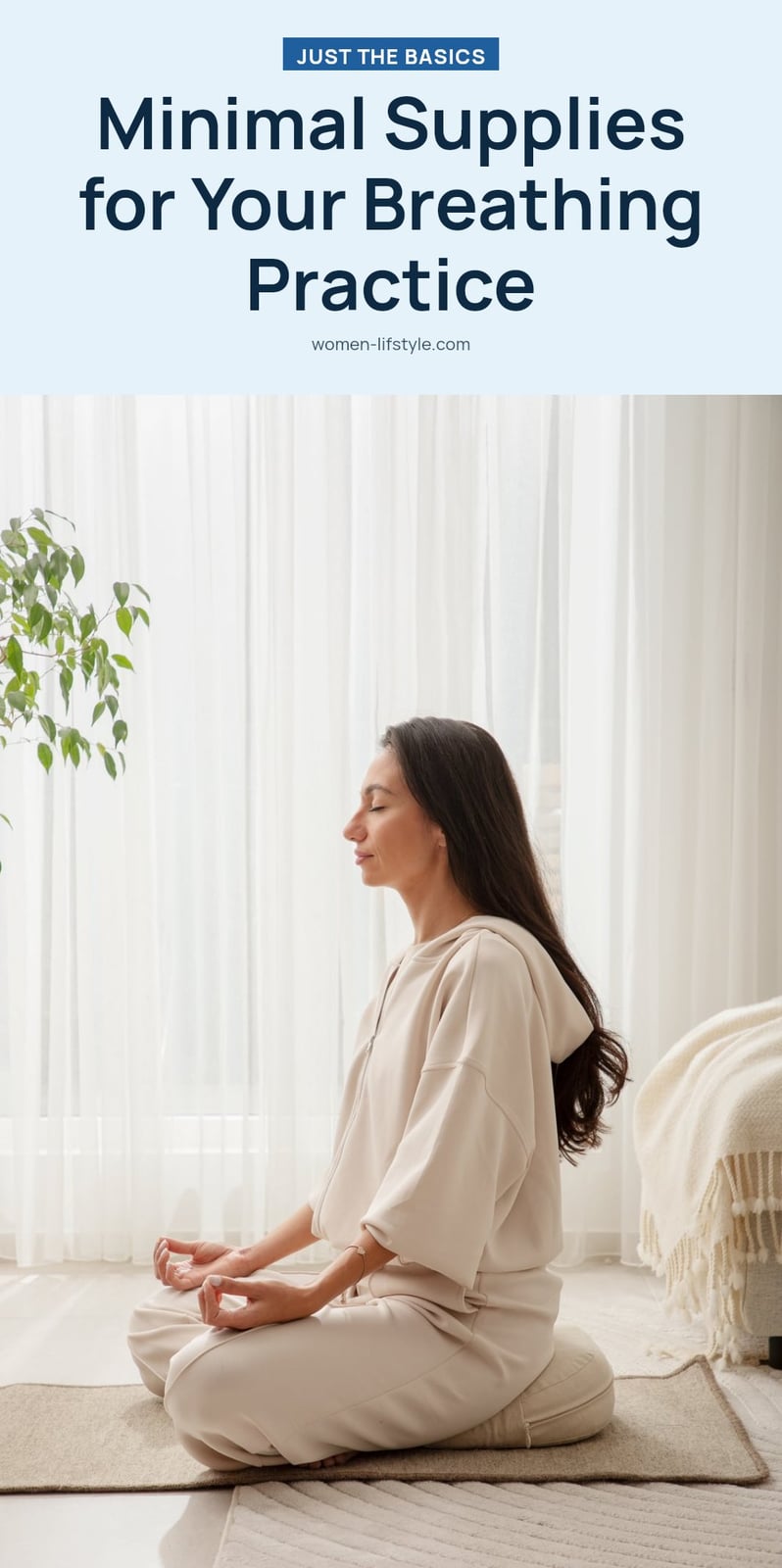
The beauty of breathing exercises is that you need almost nothing to start. Here is the short list:
- Comfortable clothing: Wear something that does not restrict your abdomen or chest so your breath can move freely.
- A quiet space: Find a spot where you will not be interrupted for five minutes.
- Cushion or mat (optional): Sitting on a cushion or lying on a mat can make you more comfortable and help you relax.
Effective Breathing Techniques to Try
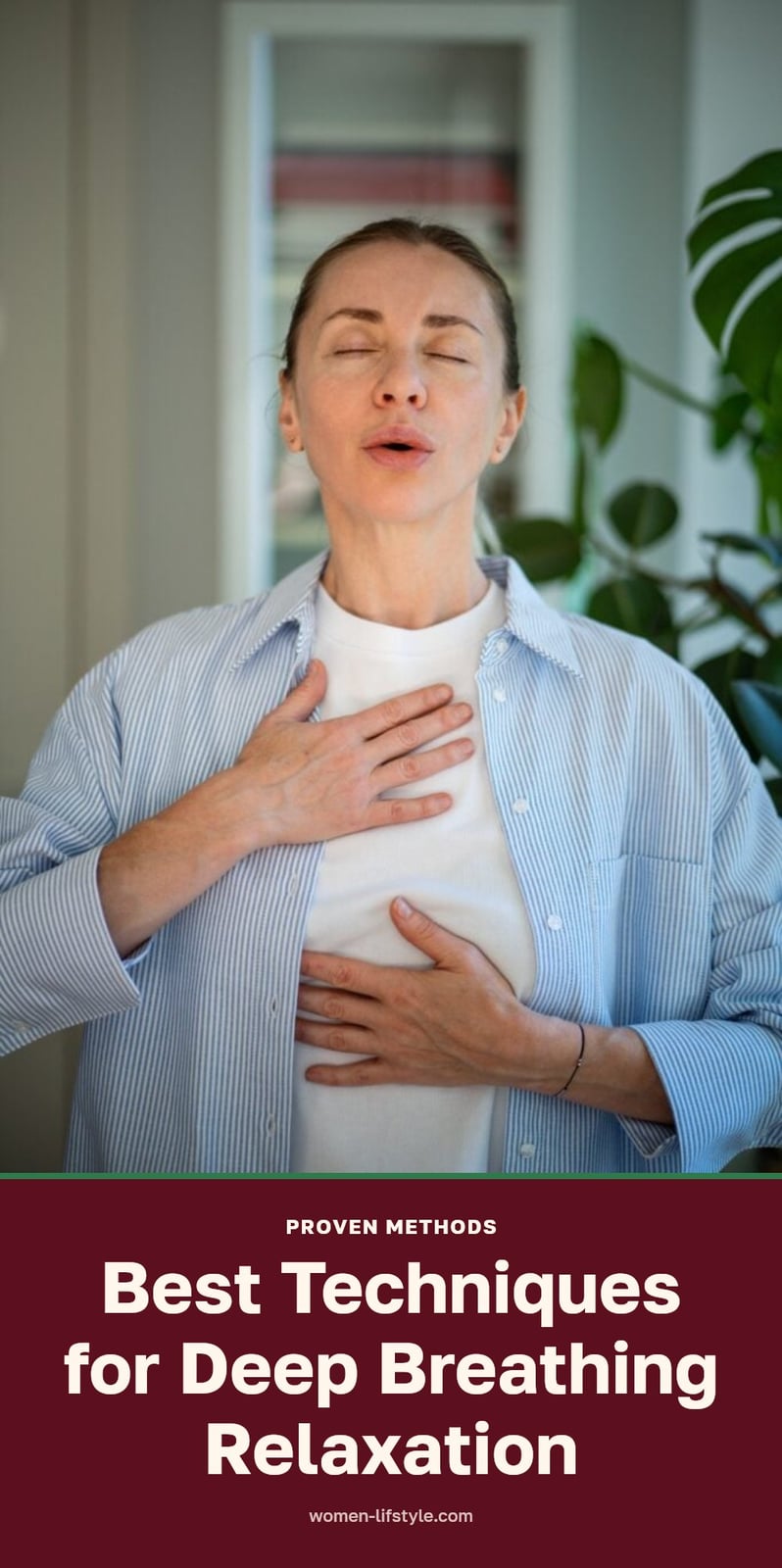
Diaphragmatic breathing (belly breathing)
Sit or lie down in a relaxed position. Place one hand on your chest and one on your belly. Inhale slowly through your nose and feel your belly rise as your diaphragm drops. Your chest should stay still. Exhale through your mouth and feel your belly fall. This engages the diaphragm fully and encourages a deep, calming breath.
4-7-8 breathing
Inhale quietly through your nose for 4 counts. Hold your breath for 7 counts. Exhale completely through your mouth for 8 counts. The longer exhale helps trigger relaxation. My tip: If the hold feels too long, reduce the counts but keep the ratio, for example 2-3.5-4.
Box breathing
Inhale for 4 counts, hold for 4 counts, exhale for 4 counts, and hold for 4 counts. Repeat. The equal counts create a steady rhythm that many people find grounding. This technique is used by Navy SEALs and first responders to stay calm under pressure.
Alternate nostril breathing
Sit comfortably. Close your right nostril with your thumb and inhale through your left nostril for 4 counts. Close your left nostril with your ring finger, release your right nostril, and exhale for 4 counts. Then inhale through your right nostril for 4 counts, close it, and exhale through your left nostril. That is one cycle. This yoga technique is said to balance energy and calm the mind.
Caution: If you feel lightheaded or dizzy during any breath-holding exercise, stop and return to normal breathing. Do not force the breath.
Common Breathing Exercise Mistakes to Avoid
Even simple breathing exercises can go wrong if you fall into these common traps. Here is what to watch for:
- Shallow chest breathing: If you only breathe into your chest, you miss the full calming effect. Focus on your belly rising and falling.
- Rushing the breath: Speeding through the counts defeats the purpose. Let your breath flow at a natural, steady pace.
- Expecting instant results: One session can feel good, but lasting change comes from consistent practice over days and weeks.
- Holding tension: Check your shoulders and jaw. If they are tight, consciously release them. Relaxation starts with the body.
- Neglecting the exhalation: A complete, slow exhale is what triggers the relaxation response. Do not skimp on it.
Best Tips for a Successful Breathing Practice
Tip: Choose a quiet spot where you won’t be interrupted. Sit upright in a chair or lie flat on your back with your knees bent. Place one hand on your belly to feel it rise and fall. Try three different techniques over a week, then stick with the one that feels most natural. Some days you’ll focus better than others. That’s normal. Even 2 minutes daily builds the habit faster than a long session once a week.
How Long Until You Feel the Benefits?
You may notice a calmer feeling right after your first session, lower heart rate, clearer head. For longer-term changes in stress and sleep, aim for 5-10 minutes daily. After two to three weeks, many people find the effects become more automatic during stressful moments. No equipment, no cost. Just your breath.
When to Talk to a Healthcare Professional
If you feel lightheaded, dizzy, or uncomfortable at any point, stop the exercise and return to your normal breathing. This is your body telling you something is off. Before starting any new breathing practice, talk to your doctor if you have severe asthma, COPD, or a heart condition. Breathing exercises are a complementary tool. They can support your well-being but should never replace prescribed medical treatments for anxiety, stress, or other health issues.
Frequently Asked Questions
How often should I practice breathing exercises?
For noticeable benefits, aim for 5-10 minutes daily. Even a few minutes each day is better than skipping. Consistency matters more than duration, so find a time that works for you, like morning or before bed.
Can breathing exercises help with sleep?
Yes, many people find that practicing slow, deep breathing before bed helps them fall asleep faster. Techniques like 4-7-8 breathing are designed to promote relaxation and can signal your body that it’s time to rest.
What if I feel dizzy during breathing exercises?
Stop the exercise immediately and return to your normal breathing. Dizziness can happen if you breathe too forcefully or hold your breath too long. It’s your body’s way of saying something is off.
Are there any side effects to mindful breathing?
Mindful breathing is generally safe, but some people may feel lightheaded or anxious if they hyperventilate or force their breath. Start gently and never strain. If you have a medical condition, check with your doctor first.
Can kids do breathing exercises?
Yes, children can learn simple breathing exercises like belly breathing or box breathing. Keep sessions short and playful. For kids under 5, focus on making it a fun game rather than a structured practice.
Final Thoughts
My tip: Start with diaphragmatic breathing for a week before trying other patterns. You might feel calmer after your first session, but real change comes from daily practice. After two to three weeks, the relaxation response becomes more automatic. Stick with it, and your breath will always be a reliable reset button.
This article provides general information on breathing exercises for relaxation and is not a substitute for professional medical advice. If you have a medical condition such as severe asthma, COPD, or a heart condition, consult your doctor before starting any new breathing practice. For persistent anxiety or stress, seek guidance from a mental health professional.
