

You know that feeling when your skin feels smooth and healthy all over, not just on your face? It takes more than just a quick wash in the shower. A solid body care routine is about consistent steps that work together, and I’m here to break it down for you. This article covers the essential steps for achieving and maintaining smooth body skin, from choosing the right cleanser to protecting your skin with SPF.

Key Takeaways
- Cleanse daily with a gentle, pH-balanced body wash to avoid stripping natural oils.
- Exfoliate 1-3 times per week to remove dead skin and reveal smoother skin.
- Apply moisturizer while skin is still damp to lock in hydration effectively.
- Use sunscreen with at least SPF 30 on all exposed body parts every day.
- Pat skin dry with a towel instead of rubbing to retain moisture.
Your Daily Guide to Smooth Body Skin
A consistent body care routine involves several key steps: cleansing, exfoliating, moisturizing, and sun protection. Together they keep your skin smooth, healthy, and comfortable. The key is tailoring each step to your skin type and specific concerns, whether that means a richer cream for dry areas or a gentler exfoliant for sensitivity. One effective trick is applying moisturizer to damp skin right after your shower. That helps lock in hydration and strengthens your skin’s natural barrier, so you get more benefit from every product you use.
1. Choose a Gentle Body Cleanser

Start with a gentle, pH-balanced body wash to cleanse your skin daily. It removes dirt, oil, sweat, and environmental pollutants without stripping your skin’s natural oils, which keeps your barrier strong.
Avoid harsh bar soaps and very hot water, as both can compromise your skin’s protective layer and lead to dryness or irritation.
- Look for: sulfate-free formulas with hydrating ingredients like glycerin or ceramides.
- Skip: heavily fragranced soaps if your skin is sensitive.
2. Exfoliate Regularly for Smoothness

Exfoliate your body 1-3 times a week, depending on your skin type and sensitivity, to remove dead skin cells and promote cell turnover. This reveals smoother, brighter skin and helps your moisturizer absorb better.
You have two main options: physical exfoliants like scrubs, brushes, or mitts, and chemical exfoliants containing AHAs or BHAs. Choose based on your preference and skin needs. Physical scrubs give immediate, noticeable smoothness, while chemical exfoliants work more gently and evenly.
- Tip: If you have sensitive skin, start with a mild chemical exfoliant once a week.
- Caution: Avoid physical scrubs on broken or irritated skin.
3. Moisturize on Damp Skin
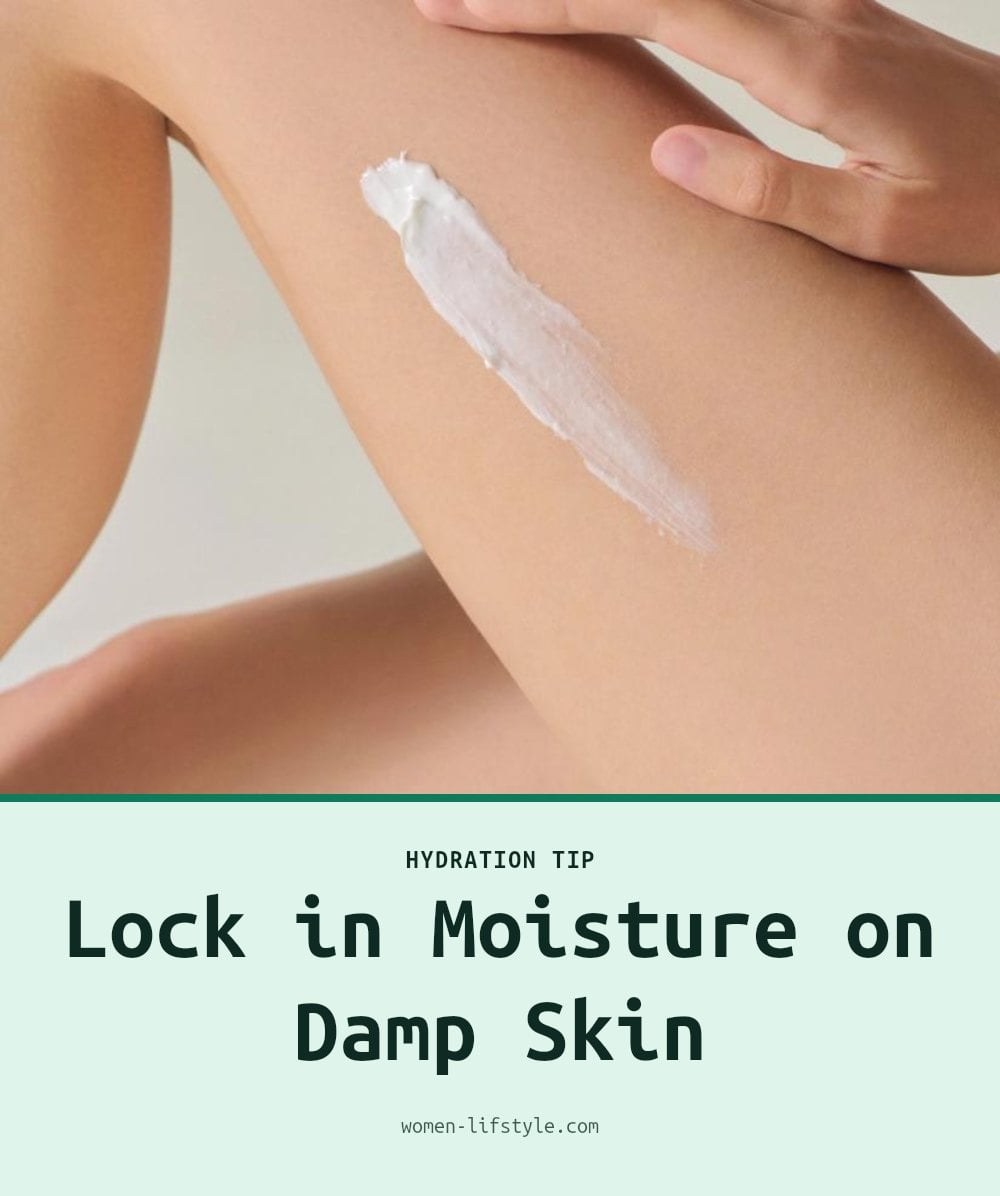
Apply moisturizer immediately after showering or bathing while your skin is still damp. This helps lock in hydration and strengthens your skin’s natural barrier, preventing water loss throughout the day.
Look for ingredients like ceramides, hyaluronic acid, and glycerin, which are highly effective at attracting and retaining moisture.
- Best time: Within 2-3 minutes of finishing your shower, while skin is still damp.
- Pro move: Keep your lotion or cream in the shower caddy so it’s ready when you step out.
4. Protect Your Skin with SPF

Apply sunscreen with at least SPF 30 to all exposed body parts daily, regardless of the weather. Sun protection prevents sun damage, premature aging, and reduces the risk of skin cancer by blocking harmful UV rays that reach your skin even on cloudy days.
Don’t forget areas like your neck, chest, and hands, these spots get constant sun exposure and often show aging first. A lightweight body lotion with SPF makes daily application easy to stick with.
5. Target Specific Body Concerns
Body skin can benefit from targeted treatments for concerns like acne, dryness, or hyperpigmentation, just like your face. Consider specific serums, creams, or masks for areas such as your back (bacne) or arms (keratosis pilaris) to address stubborn issues that general moisturizers can’t fix.
My tip: Don’t ignore these areas; treating them can significantly improve overall skin texture and appearance. Look for products with salicylic acid for breakouts or lactic acid for rough patches, and apply them consistently for a few weeks to see a difference.
6. Pat Skin Dry, Don’t Rub

After showering, gently pat your skin dry with a soft towel instead of rubbing vigorously. This helps retain some moisture on your skin, which is ideal before applying moisturizer because damp skin absorbs hydration more effectively.
Rubbing can cause irritation and disrupt the skin’s natural barrier, especially if you have sensitive skin or just exfoliated. A quick pat leaves a thin layer of water that your moisturizer can lock in.
7. Use Lukewarm Water
The ideal water temperature for showering or bathing is lukewarm, not hot. Hot water can strip your skin of its natural oils, leading to dryness and irritation that makes your moisturizer work harder to compensate.
Lukewarm water effectively cleanses without compromising your skin’s moisture barrier. If your skin feels tight or looks red after a shower, try turning down the temperature next time.
8. Stay Hydrated from Within
Drinking plenty of water throughout the day contributes to overall skin health. Internal hydration supports your skin’s elasticity and plumpness, which topical products alone can’t fully achieve. While your body care routine is essential, good old H2O is a powerful complement.
- Tip: Aim for at least 8 glasses of water daily, more if you’re active or in a dry climate.
- Your skin will look more hydrated and feel more supple when you drink enough water.
9. Consider Dry Brushing
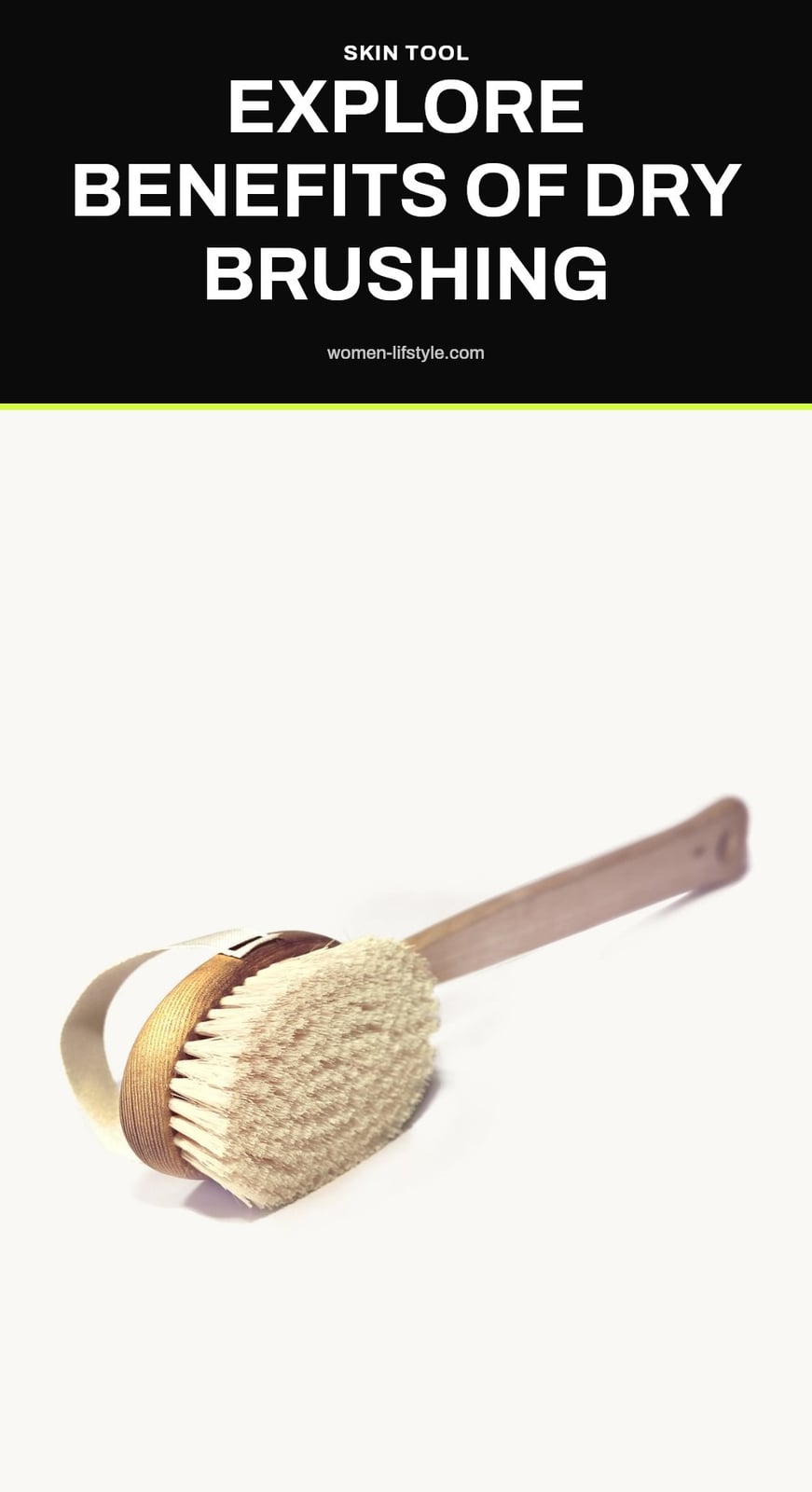
Dry brushing is a method of physical exfoliation that some believe can stimulate circulation and lymphatic drainage. Use a natural bristle brush on dry skin before showering, brushing in upward strokes toward your heart. This technique is thought to help move fluid and encourage blood flow.
My tip: Start gently and see how your skin reacts; it’s not for everyone, especially sensitive skin. As a more intense form of physical exfoliation, dry brushing can be harsh on delicate areas, so approach with caution and skip it if you have any irritation. If you experience redness or discomfort, stop and stick with gentler methods.
10. Be Consistent with Your Routine
Consistency is crucial for seeing and maintaining results in your body care routine. Visible improvements in skin smoothness and health can often be seen within a few weeks of consistent practice. Like any good habit, sticking with it daily or weekly makes all the difference.
- Set a simple routine you can follow without much thought, such as cleansing and moisturizing every morning and evening.
- Schedule exfoliation on the same days each week to build the habit.
11. Patch Test New Products
Always perform a patch test when trying new body care products, especially if you have sensitive skin. Apply a small amount to an inconspicuous area, like your inner arm, and wait 24-48 hours. This helps check for any allergic reactions or irritation before applying to your entire body.
- Choose a spot you can easily cover, such as behind your ear or on your inner elbow.
- If you see redness, itching, or swelling, skip that product and try a different one.
Common Body Care Mistakes to Avoid
Even a solid routine can go sideways with a few common mistakes. Using harsh bar soaps strips your skin of essential moisture and disrupts its natural barrier. Instead, reach for a hydrating body wash that cleanses without drying you out.
Over-exfoliating is another easy misstep. Scrubbing too often or too aggressively can irritate your skin and compromise its protective layer. Stick to 1-3 times per week and let your skin guide the pace.
Forgetting sunscreen on your body is a big miss. Neglecting SPF leaves your skin vulnerable to sun damage and premature aging, so apply a broad-spectrum sunscreen with at least SPF 30 daily to all exposed areas. And don’t skip moisturizing, even if your skin doesn’t feel dry. Regular moisturizing is vital for maintaining a healthy skin barrier and keeping your skin comfortable.
Frequently Asked Questions
How often should I exfoliate my body?
Exfoliate your body 1-3 times per week, depending on your skin type and the strength of your exfoliant. Start with once a week if you have sensitive skin, and increase frequency slowly if your skin tolerates it well.
Can I use facial products on my body?
You can, but it’s not always ideal. Facial products are often formulated differently, with different concentrations and ingredients. For best results, use products specifically designed for the body, especially for concerns like dryness or acne on your back.
What is the best water temperature for showering?
Lukewarm water is best for showering or bathing. Hot water can strip your skin of natural oils, leading to dryness and irritation. Lukewarm water effectively cleanses without compromising your skin’s moisture barrier.
How long does it take to see results from a body care routine?
Visible improvements in skin smoothness and health can often be seen within a few weeks of consistent practice. Sticking with your routine daily and weekly is key to maintaining those results over time.
Final Thoughts
For smooth skin, focus on a simple, consistent routine: gentle cleansing, regular exfoliation, and moisturizing on damp skin. Don’t forget daily SPF protection for all exposed areas. With this approach, you can expect to see visible improvements in smoothness within a few weeks. Stick with it, and your skin will thank you.
This information is for general informational purposes only and does not constitute medical or professional advice. Individual skin types and conditions vary. For persistent or serious skin concerns, consult a dermatologist or qualified healthcare professional.
