

Blisters can turn a simple walk into a painful ordeal, especially when they appear on your feet. The good news is that most friction blisters are preventable with a few simple habits. This article covers why blisters form, the best ways to protect your skin, and what to do if one still shows up.
You’ll learn about choosing the right shoes and socks, using protective barriers, and recognizing when to see a doctor. Whether you’re breaking in new shoes or planning a long hike, these tips can help keep your skin smooth and blister-free.
Key Takeaways
- Choose shoes that fit well, with a snug heel and room for toes.
- Wear moisture-wicking socks made from synthetic or wool blends.
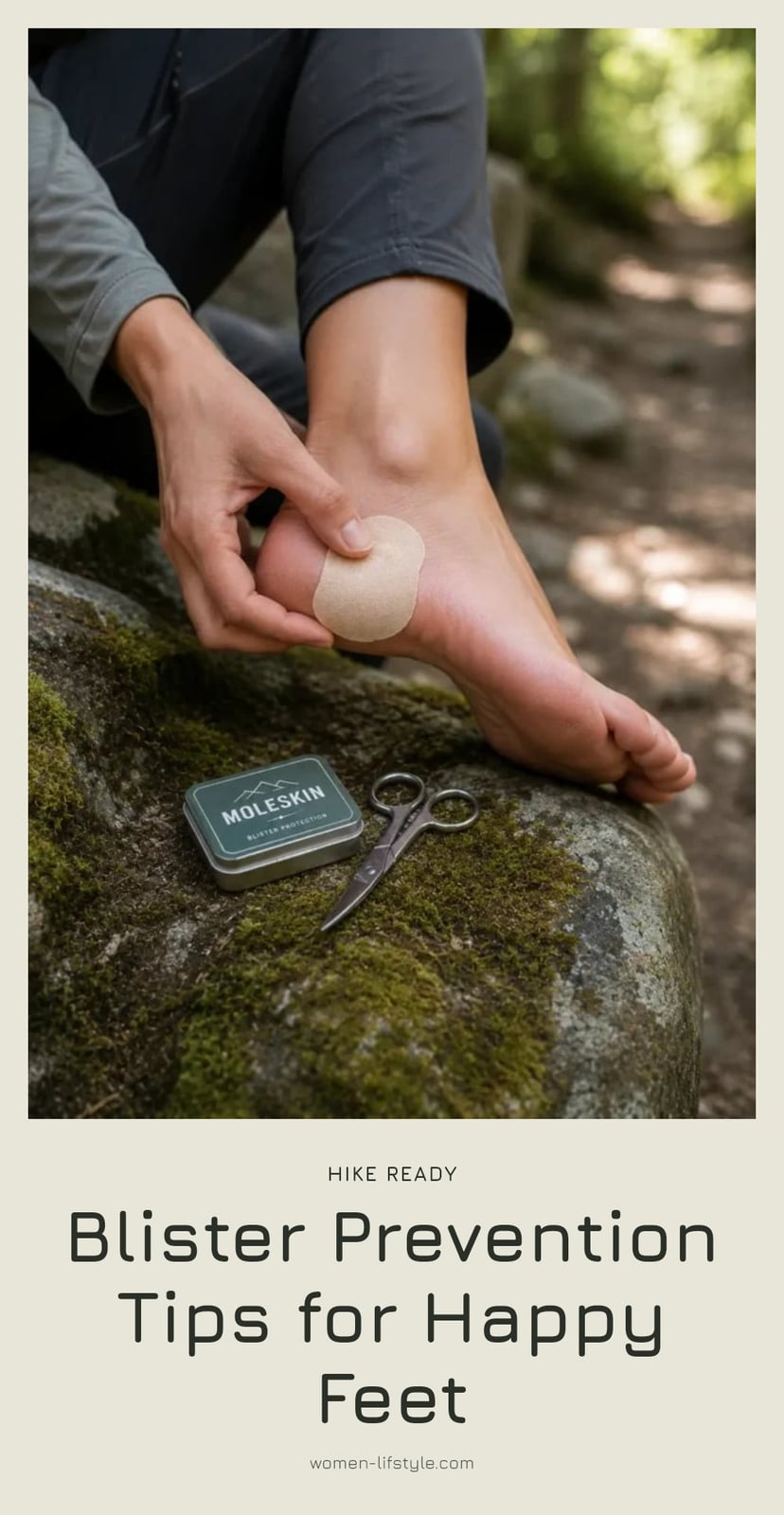
- Apply petroleum jelly or moleskin to known hot spots before activity.
- Break in new shoes gradually to reduce friction and pressure.
- See a doctor for signs of infection or if you have diabetes.
The Key to Preventing Blisters
Blister prevention comes down to two things: friction and moisture. My tip: think of your skin like a door hinge, the less rubbing and the less sweat, the smoother things go. That means choosing shoes that fit well and socks that wick moisture away. I always keep petroleum jelly or athletic tape on hand for high-friction areas. And if you feel a “hot spot,” stop and address it right there. That tiny red patch can turn into a painful blister in minutes.
Why Blisters Form: The Science of Friction
Why Blisters Form: The Science of Friction
A blister is your skin’s way of saying “too much rubbing.” When a shoe or tool repeatedly presses and slides against the same spot, the top layers of skin separate from the layers underneath. Your body fills that space with fluid to cushion the area. Moisture makes it worse. Sweat softens the skin, so it grips and drags instead of sliding smoothly. That’s why blisters are most common on feet and hands, places that get both friction and sweat. The fix isn’t complicated: reduce the rubbing and keep the skin dry.
Your Blister Prevention Arsenal
Your Blister Prevention Arsenal
- Moisture-wicking socks: Synthetic or wool blends pull sweat away from your skin.
- Properly fitting shoes: A snug heel and a thumb’s width of space at the toes reduce rubbing.
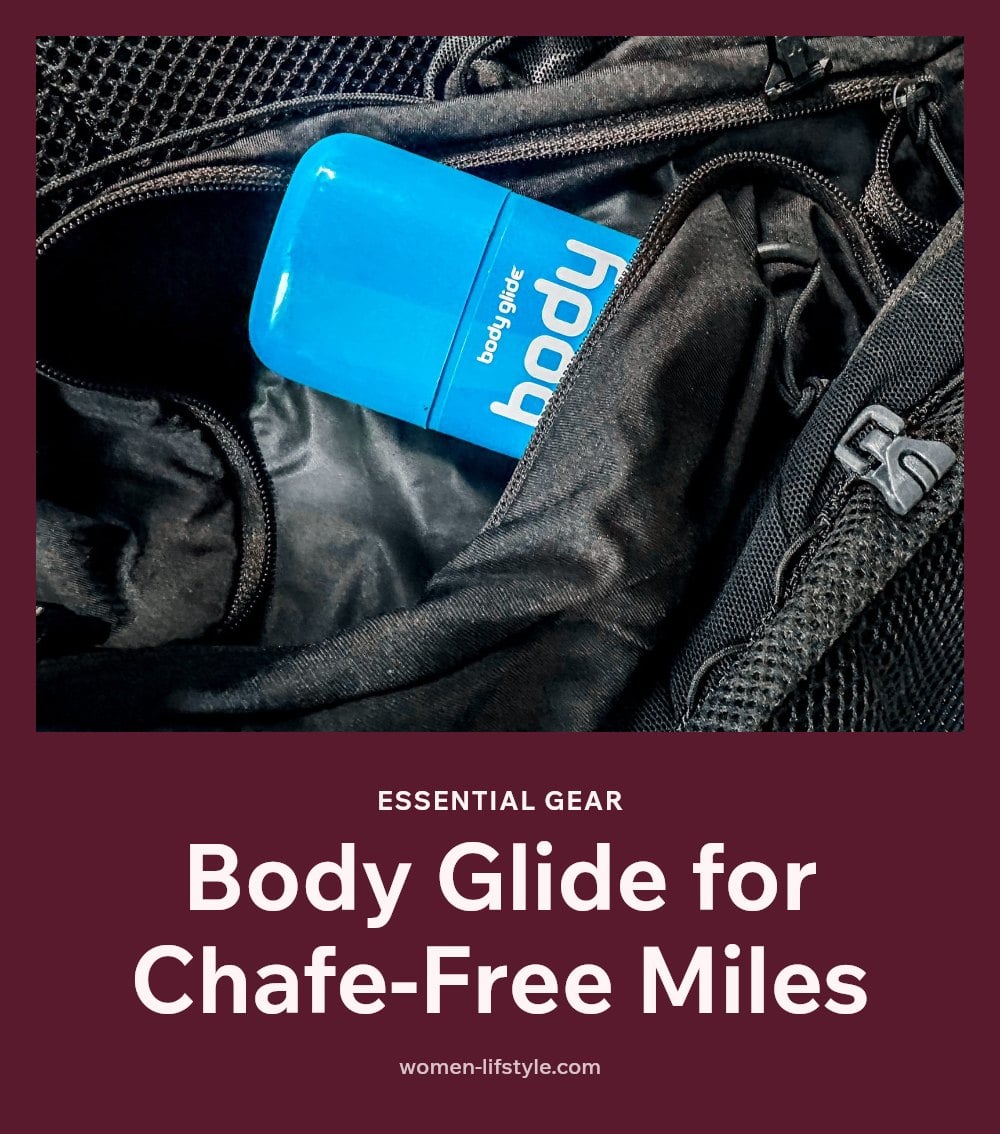
- Petroleum jelly: A thin layer on friction zones creates a slippery surface.
- Moleskin or athletic tape: Stick these over known hot spots before you start moving.
- Foot powder: Absorbs sweat and keeps your feet dry during long activities.
Step-by-Step: How to Prevent Blisters Effectively
Step-by-Step: How to Prevent Blisters Effectively
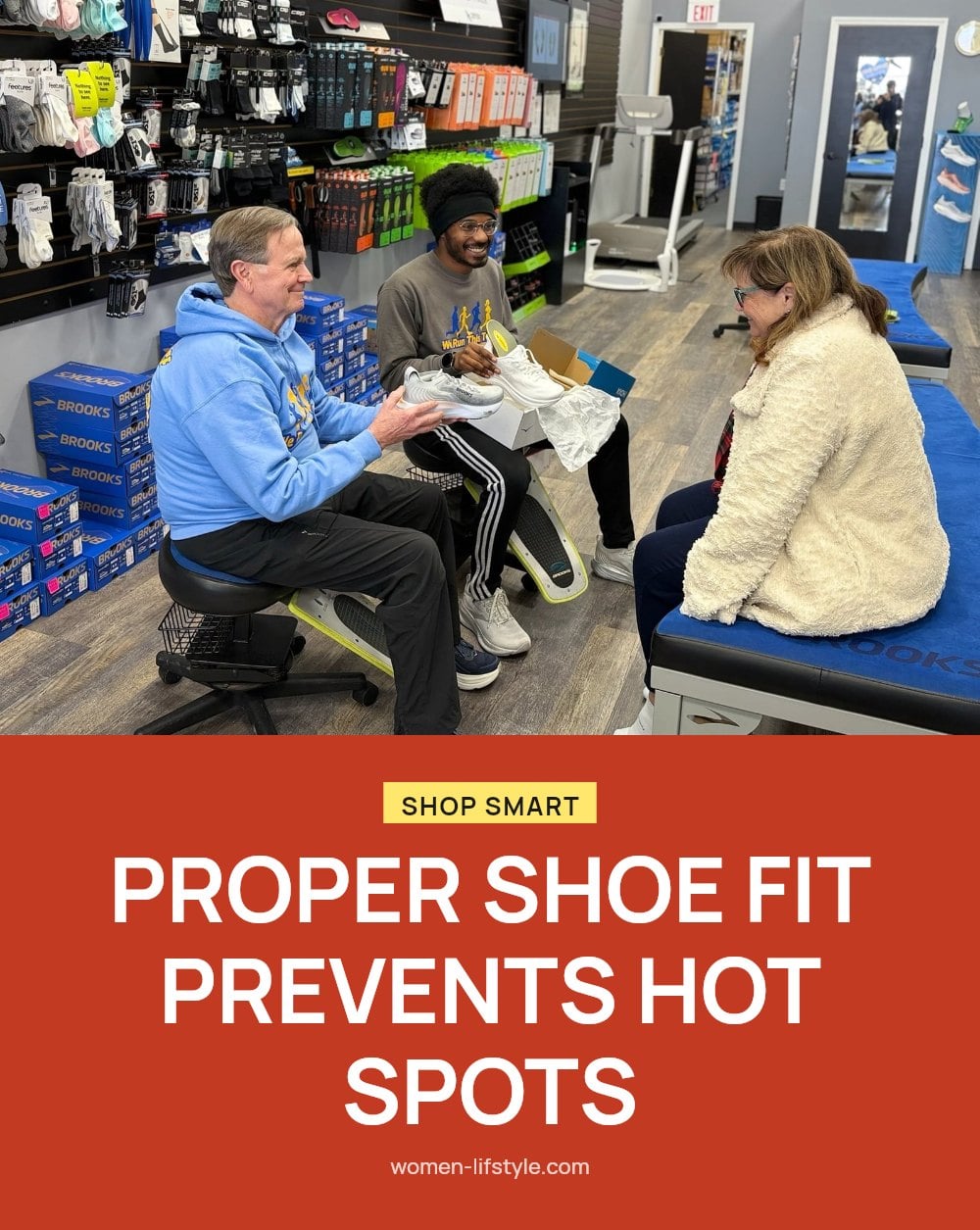
- Choose your shoes wisely: They should allow your toes to wiggle but hold your heel firmly. Walk around the store for a few minutes before buying.
- Pick the right socks: Go for synthetic or wool blends. Cotton holds moisture and increases friction. My tip: if your socks feel damp after a short walk, switch to a moisture-wicking pair.
- Break in new shoes gradually: Wear them for 30 minutes indoors, then an hour, then a few hours. Never take brand-new shoes on a long hike or run.
- Apply a protective barrier: Before activity, rub petroleum jelly on your heels, toes, and any spot where you’ve had blisters before. For extra protection, cover those areas with moleskin or athletic tape.
- Keep your feet dry: Dust foot powder inside your socks or shoes. If you’re active for hours, bring a second pair of socks and change into them halfway through.
- Check for hot spots: Every hour or so, look at your feet for red or tender areas. If you see one, apply a blister bandage or tape immediately.
Common Blister Prevention Mistakes to Avoid
Wearing new shoes for long activities: I always break them in gradually, wearing them around the house for short periods before taking them on a long walk or run.
Choosing cotton socks for exercise: Cotton holds moisture against your skin, which softens it and increases friction. My tip: stick with synthetic or wool blends for any activity where you might sweat.
Ignoring hot spots: That little patch of redness or tenderness is your skin warning you. Address it immediately with a protective barrier or tape before it turns into a blister.
Not considering foot shape: Shoes that don’t match your foot’s width or arch height are a primary cause of blisters. Try on shoes later in the day when your feet are slightly swollen for a better fit.
Assuming all blisters are minor: Some blisters can lead to infection, especially if you have diabetes or a compromised immune system. Don’t dismiss a blister that looks angry or feels warm to the touch.
Extra Tips for Keeping Blisters Away
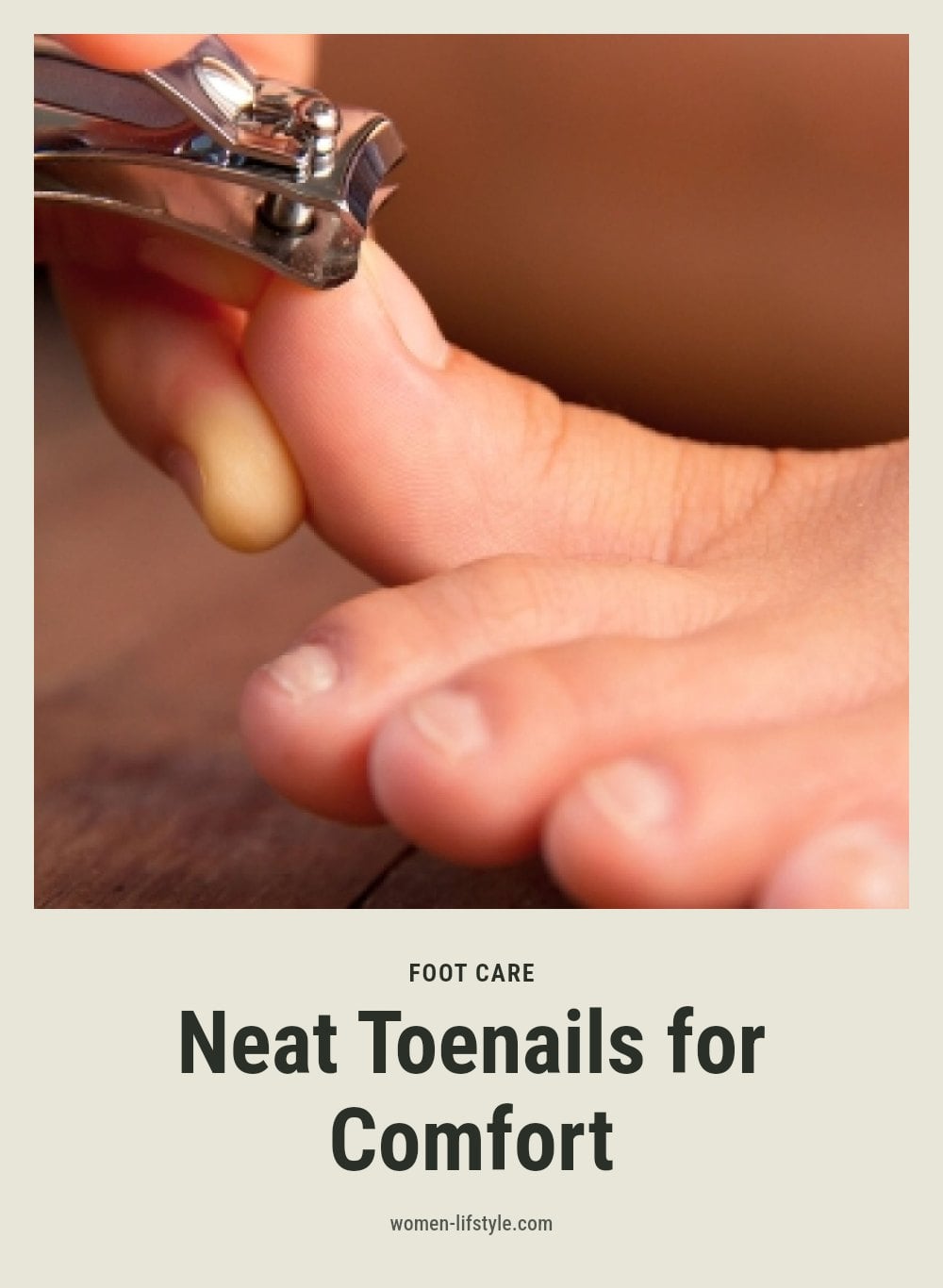
Trim your toenails: Long nails can create pressure points inside your shoes that rub against neighboring toes. Keep them clipped straight across.
Consider two pairs of thin socks: Sometimes wearing a thin liner sock under a regular moisture-wicking sock reduces friction between your foot and the shoe. My tip: test this on a short walk first to see if it feels comfortable for you.
Use antiperspirant on your feet: A regular antiperspirant applied at night can reduce sweat the next day. Less moisture means less friction.
Check your feet regularly: Look for redness or tenderness after new activities or shoes. Catching a hot spot early makes prevention simple.
Build calluses gradually: Hardened skin offers some protection, but excessive calluses can themselves become blister sites. Keep them smooth with a pumice stone.
When to See a Doctor for a Blister
See a doctor if a blister shows signs of infection: increased redness, swelling, warmth, pus, or fever. If you have diabetes or a compromised immune system, have any blister checked promptly. Also seek medical advice for very large, extremely painful blisters or those caused by a severe burn.
Never drain a blister with unsterilized tools. That can introduce bacteria and lead to serious infection. If a blister needs draining, let a healthcare professional do it.
Frequently Asked Questions
Can I use antiperspirant on my feet to prevent blisters?
Yes, some people find that applying an antiperspirant to their feet helps reduce sweating, which in turn lowers friction and the risk of blisters. It’s best to try it on a small area first to see how your skin reacts. If you have sensitive skin, consider a product designed for feet or consult a dermatologist.
How long does it take for new shoes to be broken in?
The time varies depending on the shoe material and your activity level. Generally, it can take a few days to a couple of weeks of gradual wear. Start by wearing them around the house for short periods, then increase the duration. Listen to your feet and stop if you feel any hot spots.
Are natural fiber socks always bad for blister prevention?
Not always, but natural fibers like cotton tend to hold moisture, which can increase friction and blister risk. Wool is a natural fiber that wicks moisture well and can be a good choice. For strenuous activities, synthetic or wool blends are usually better than cotton.
What’s the difference between moleskin and athletic tape for blisters?
Moleskin is a soft, padded material that you can cut to fit over a hot spot, providing cushioning and reducing friction. Athletic tape is thinner and more flexible, often used to secure moleskin or to wrap around areas prone to rubbing. Both can help, but moleskin offers more padding for tender spots.
Can certain foods or supplements help prevent blisters?
There’s no strong evidence that specific foods or supplements can prevent blisters directly. However, staying hydrated and maintaining healthy skin through a balanced diet may support overall skin resilience. If you have frequent blisters despite good prevention, talk to a doctor about possible underlying causes.
Final Thoughts
The best way to deal with blisters is to prevent them before they start. My tip: keep a small kit with moleskin, tape, and a spare pair of socks in your bag, so you’re always ready. Expect that prevention becomes easier with practice, and you’ll notice fewer blisters once you make these habits routine.
If a blister does form, resist the urge to pop it unless it’s very large or painful, and always use sterile tools if you must. For most people, simple care is enough, but don’t hesitate to consult a doctor if you see signs of infection or have underlying health conditions.
This article is for general information only and is not a substitute for professional medical advice. If you have a persistent or serious blister problem, signs of infection, or a medical condition like diabetes, consult a doctor or dermatologist. Always use sterile tools if you need to drain a blister, and seek medical care for burns or severe pain.
