

If you’ve woken up with itchy red welts or spotted tiny bloodstains on your sheets, you might be dealing with bed bugs. These small, reddish-brown insects hide in mattress seams and bed frames, feeding on blood while you sleep. This article covers how to identify the signs of bed bugs and the most effective steps to remove them from your home.
Key Takeaways
- Inspect mattress seams, bed frames, and headboards for live bugs, bloodstains, or dark fecal spots.
- Wash all bedding and clothing in hot water at least 120°F (49°C) and dry on high heat for 30 minutes.
- Vacuum thoroughly and dispose of the vacuum bag immediately in a sealed plastic bag.
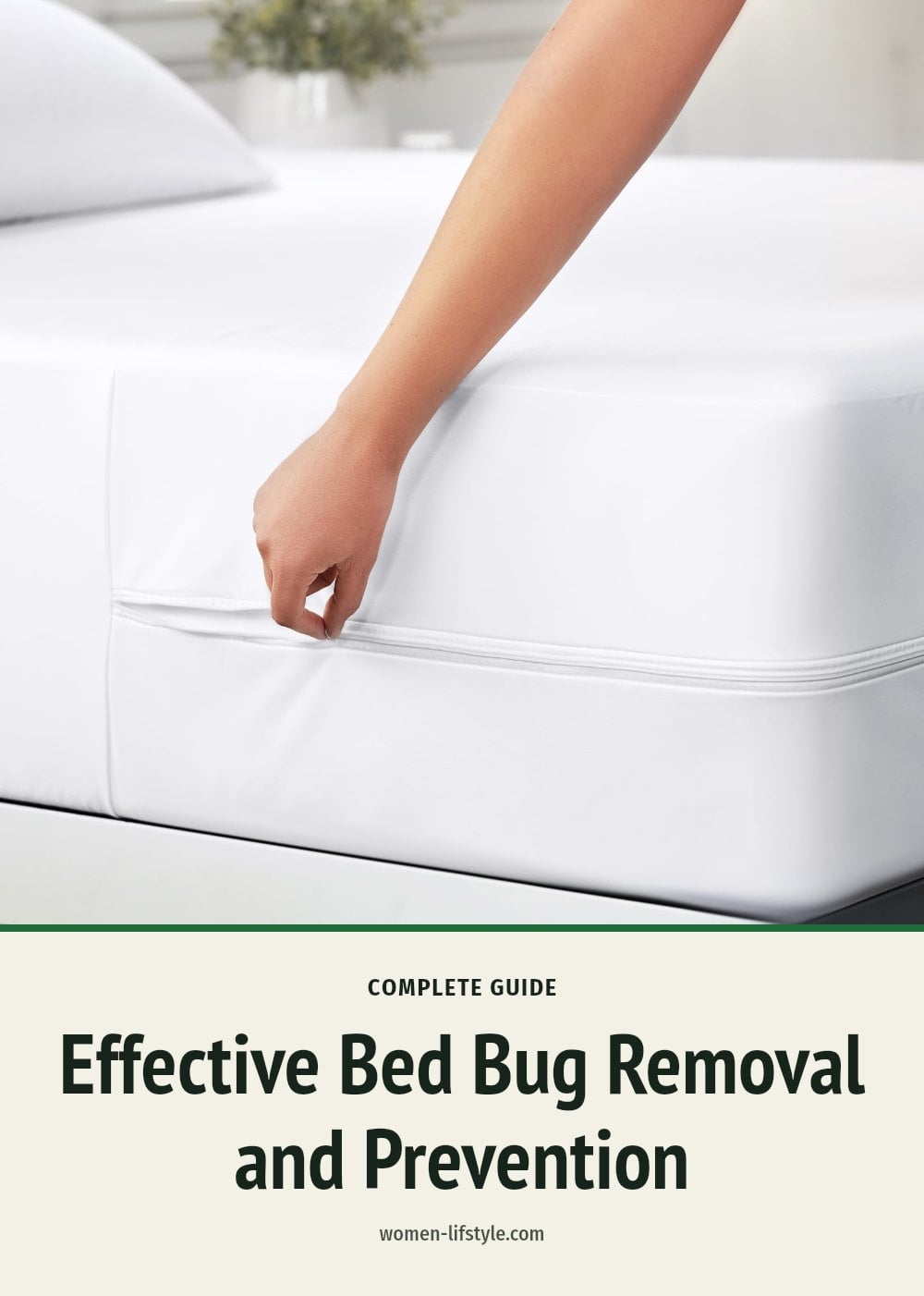
- Encase mattresses and box springs with bed bug-proof covers to trap existing bugs and prevent new ones.
- Contact a professional pest control service for severe or persistent infestations.
How to Identify and Remove Bed Bugs
Bed bugs are tiny, reddish-brown insects, about the size of an apple seed, that feed on blood, primarily at night. Spotting signs like itchy red bites, small bloodstains, or dark fecal spots on bedding is crucial for early detection. Effective removal involves a combination of thorough cleaning, heat treatment, and often, professional pest control to eliminate all life stages.
1. Recognize Common Bed Bug Signs

Look for the insects themselves: Adult bed bugs are small, reddish-brown, and about the size of an apple seed (4-5 mm long). They have a flat, oval shape that allows them to hide in tight spaces like mattress seams and bed frame cracks. Nymphs (young bed bugs) are smaller and lighter in color.
Check for bloodstains on sheets: Tiny reddish or rust-colored spots on your pillowcases or sheets often come from a bed bug being crushed while you move in your sleep. These spots are usually small and irregularly shaped.
Identify dark fecal spots: Bed bug droppings look like small, dark, rust-colored dots on mattresses, bedding, or walls near the bed. They can smear when touched and are a strong indicator of an infestation.
Spot shed exoskeletons: As bed bugs grow, they shed their outer shell, leaving behind translucent, empty casings. You may find these near their hiding spots, often alongside the other signs.
2. Inspect Your Sleeping Area Thoroughly

Start with the mattress: run your hand along every seam, tuft, and fold. Bed bugs hide in the tightest spaces, so pay close attention to the piping around the edges and any labels or tags. Use a flashlight to look deep into folds. The insects are flat enough to squeeze into gaps less than the width of a credit card.
Move to the box spring and bed frame. Flip the box spring and inspect the underside, especially where fabric is stapled to the wood. On the frame, check screw holes, joints, and any glued seams. Don’t skip the headboard, even if it’s mounted on the wall: check behind it and in any slots or decorative carvings.
Extend your search to nearby furniture and fixtures. Pull out nightstands and dressers, empty the drawers, and inspect inside and under them. Look along baseboards, behind loose wallpaper, and inside electrical outlets (pop off the cover plates carefully). Bed bugs can travel several feet from the bed, so examine anything within about 10 feet of the sleeping area.
3. Wash and Dry Infested Items with Heat

Gather every washable item from the infested room: bedding, curtains, clothing, plush toys, and linens. Bag them immediately to prevent spreading bugs through the house. Wash everything in hot water set to at least 120°F (49°C); this temperature kills bed bugs and their eggs on contact.
Dry each load on the highest heat setting for a minimum of 30 minutes. The sustained heat is the most reliable way to eliminate all life stages, including eggs that survived the wash. Skip the cold wash option entirely; only hot water and high heat guarantee effectiveness.
4. Vacuum Regularly and Dispose Properly
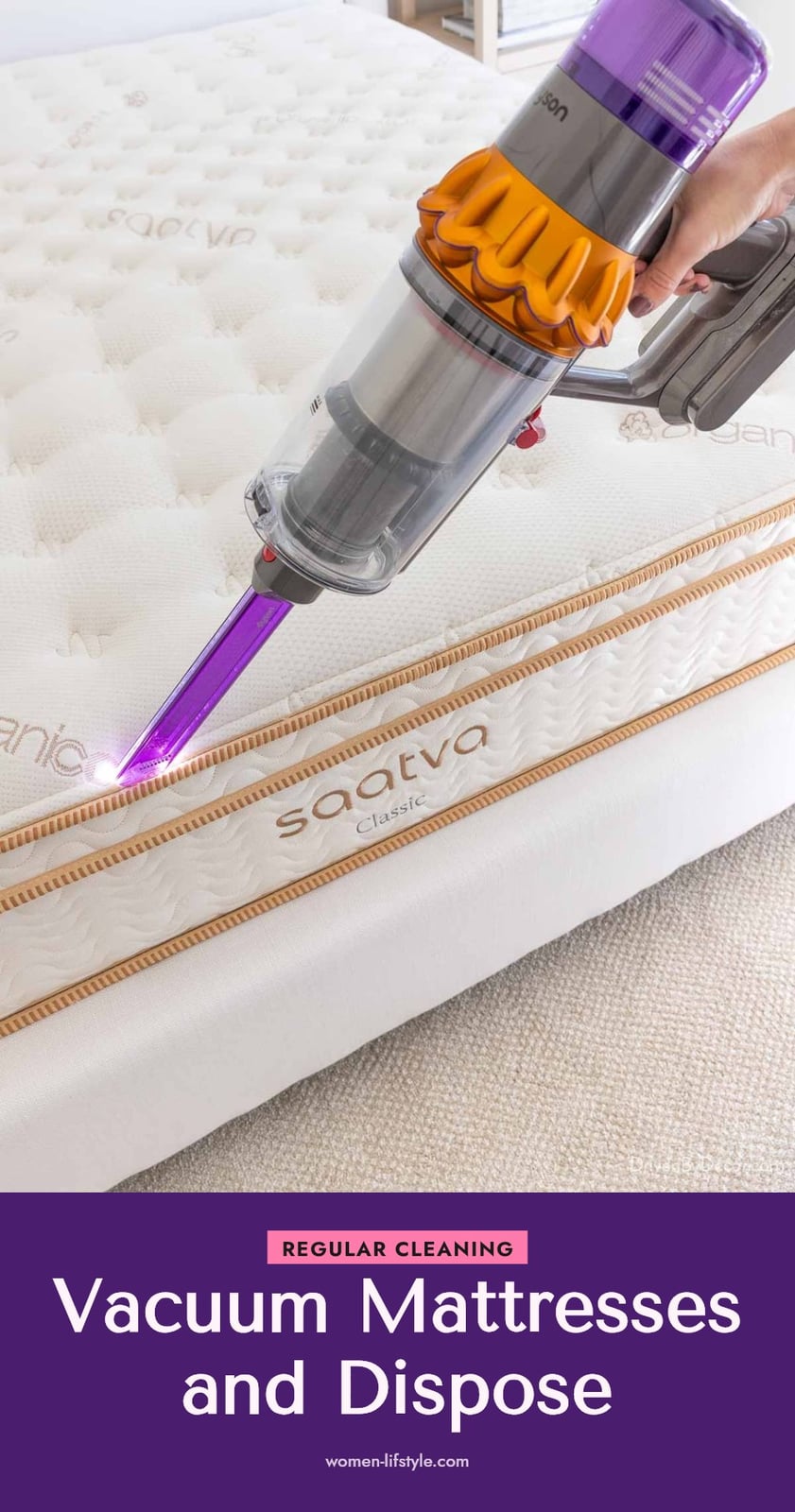
Vacuum thoroughly and often: Run the vacuum over your mattress, box spring, bed frame, carpets, and every nearby crevice. A model with strong suction and a HEPA filter captures more bed bugs and eggs than a standard vacuum.
Dispose of the bag immediately: After vacuuming, remove the bag, seal it tightly inside a plastic bag, and toss it in an outdoor trash can with a sealed lid. This prevents any captured bed bugs from crawling back into your home.
5. Encase Mattresses and Box Springs

Install bed bug-proof encasements: Cover your mattress and box spring with high-quality, bed bug-proof encasements. These zip-on covers trap any bed bugs still hiding inside, cutting off their food supply so they eventually die. They also block new bed bugs from getting in and make future inspections much easier because the smooth surface leaves bugs nowhere to hide.
6. Declutter and Seal Hiding Spots

Reduce clutter near the bed: Clear out piles of clothes, books, and boxes from your bedroom floor and under the bed. Fewer items mean fewer places for bed bugs to hide.
Seal cracks and crevices: Use caulk to fill gaps in walls, baseboards, and around electrical outlets. This removes potential shelters and makes your cleaning and treatment efforts far more effective.
7. Consider Heat or Cold Treatments
Heat kills all life stages: Sustained temperatures above 113°F (45°C) can kill bed bugs, eggs, and nymphs. Professional heat treatments are the most thorough option for treating entire rooms because the heat penetrates deep into furniture and walls. This is the same minimum temperature used in professional equipment, so you can trust the number for any heat-based approach.
Cold works for smaller items: Place infested items like shoes or books in a freezer set below 0°F (-18°C) for at least four days. This method is effective only for items that can fit in your freezer and tolerate freezing temperatures. For larger items, professional cold treatments may be available but are less common than heat.
8. Use Diatomaceous Earth Carefully
Food-grade diatomaceous earth (DE) is a natural dust that dehydrates and kills bed bugs by damaging their outer coating. Apply a very thin layer to cracks, crevices, and along baseboards where bed bugs hide. A thick layer actually repels them, so less is more.
My tip: Use a small brush to puff DE into hard-to-reach areas like behind baseboards or inside electrical outlet covers. Caution: Avoid inhaling DE, as it can irritate your lungs. Wear a dust mask and keep it away from pets and children.
9. Be Patient and Persistent with Treatment
Eradicating bed bugs takes time, often several weeks to months, and requires consistent effort. Even after you stop seeing signs, continue cleaning and monitoring, because eggs can hatch up to two weeks later. A single missed egg can restart the infestation.
Don’t expect a quick fix. Diligence is key to complete removal. Stick with your routine of washing, vacuuming, and inspecting every few days until you’re certain no bugs remain.
10. Avoid Spreading Bed Bugs
Don’t immediately throw out infested furniture, as this can spread bed bugs to other areas or homes. Moving a mattress through hallways or onto the curb can drop bugs along the way, giving them a new place to hide.
If you must discard items, bag them securely in heavy-duty plastic and label them clearly as ‘bed bug infested’ to warn others. Avoid moving any items from an infested room to an uninfested room without thorough inspection and cleaning first.
11. Consult a Professional Pest Control Service
For severe or persistent infestations, professional pest control is often necessary and highly recommended. Professionals have access to stronger treatments, like whole-room heat or specialized pesticides, and the expertise to locate hidden bed bugs in walls, furniture, or electronics.
They can provide a comprehensive treatment plan, including follow-up visits, to ensure complete eradication. While it costs more upfront, professional help often saves time and prevents the infestation from spreading further.
Common Bed Bug Removal Mistakes to Avoid
Confusing bites: Bed bug bites often appear in lines or clusters, unlike mosquito bites which are usually random. Don’t assume every welt is from a mosquito; look for the pattern.
Believing in ‘dirty homes’ myth: Bed bugs are attracted to blood, not dirt. Even the cleanest homes can get them through luggage, used furniture, or visitors. No need to feel ashamed.
Relying solely on DIY sprays: Over-the-counter sprays are often ineffective for widespread infestations and can scatter bugs into other rooms. They rarely kill eggs, so the problem returns.
Not preparing for professionals: Failing to declutter, wash bedding, and move furniture before treatment can block heat or chemicals from reaching hiding spots. Follow your pest control company’s prep list carefully.
Ignoring the problem: Bed bug infestations won’t disappear on their own and will likely worsen over time. The sooner you act, the easier and cheaper the removal process will be.
Frequently Asked Questions
How long does it take to get rid of bed bugs?
Eradicating bed bugs typically takes several weeks to months, often requiring multiple treatments. Even after signs disappear, continue monitoring because eggs can hatch up to two weeks later. A single missed egg can restart the infestation, so persistence is key.
Can bed bugs spread from one room to another?
Yes, bed bugs can easily spread from one room to another by crawling through cracks, along baseboards, or by hitchhiking on clothing, luggage, or furniture. Avoid moving infested items to uninfested areas without thorough inspection and cleaning to prevent spreading them.
Do bed bugs only infest dirty homes?
No, bed bugs are attracted to blood, not dirt. They can infest any home regardless of cleanliness. Even clean homes with minimal clutter can have bed bugs if the insects are introduced through infested furniture, luggage, or secondhand items.
What do bed bug bites look like?
Bed bug bites often appear as itchy red welts that may form in lines or clusters, typically on exposed skin areas like arms, legs, and neck. They can be confused with mosquito bites, but the pattern and location can help distinguish them. If bites are severe or show signs of infection, consult a doctor.
Can I treat bed bugs myself or do I need a professional?
For small, early infestations, DIY methods like heat washing, vacuuming, and encasements may work. However, for severe or persistent infestations, professional pest control is often necessary. Professionals have access to stronger treatments like whole-room heat and can locate hidden bed bugs in walls and furniture.
Final Thoughts
For a lasting solution, combine heat treatment (sustained temperatures above 113°F or 45°C) with diligent cleaning and encasements. Expect the process to take several weeks to months, with consistent effort and follow-up treatments. With patience and the right approach, you can reclaim your home from bed bugs.
This article is for general informational purposes only and does not constitute medical or professional pest control advice. Bed bug bites can cause allergic reactions in some individuals; consult a doctor for severe or infected bites. For persistent infestations, seek help from a licensed pest control professional.
