

Setting up your first apartment or just tired of a cluttered cleaning cabinet? You really only need a handful of versatile products and tools to keep your home fresh and tidy. This checklist cuts through the noise and gives you the essentials that work on multiple surfaces, so you can clean smarter, not harder.
I’ll walk you through the core cleaners, tools, and safety habits that make daily upkeep a breeze.
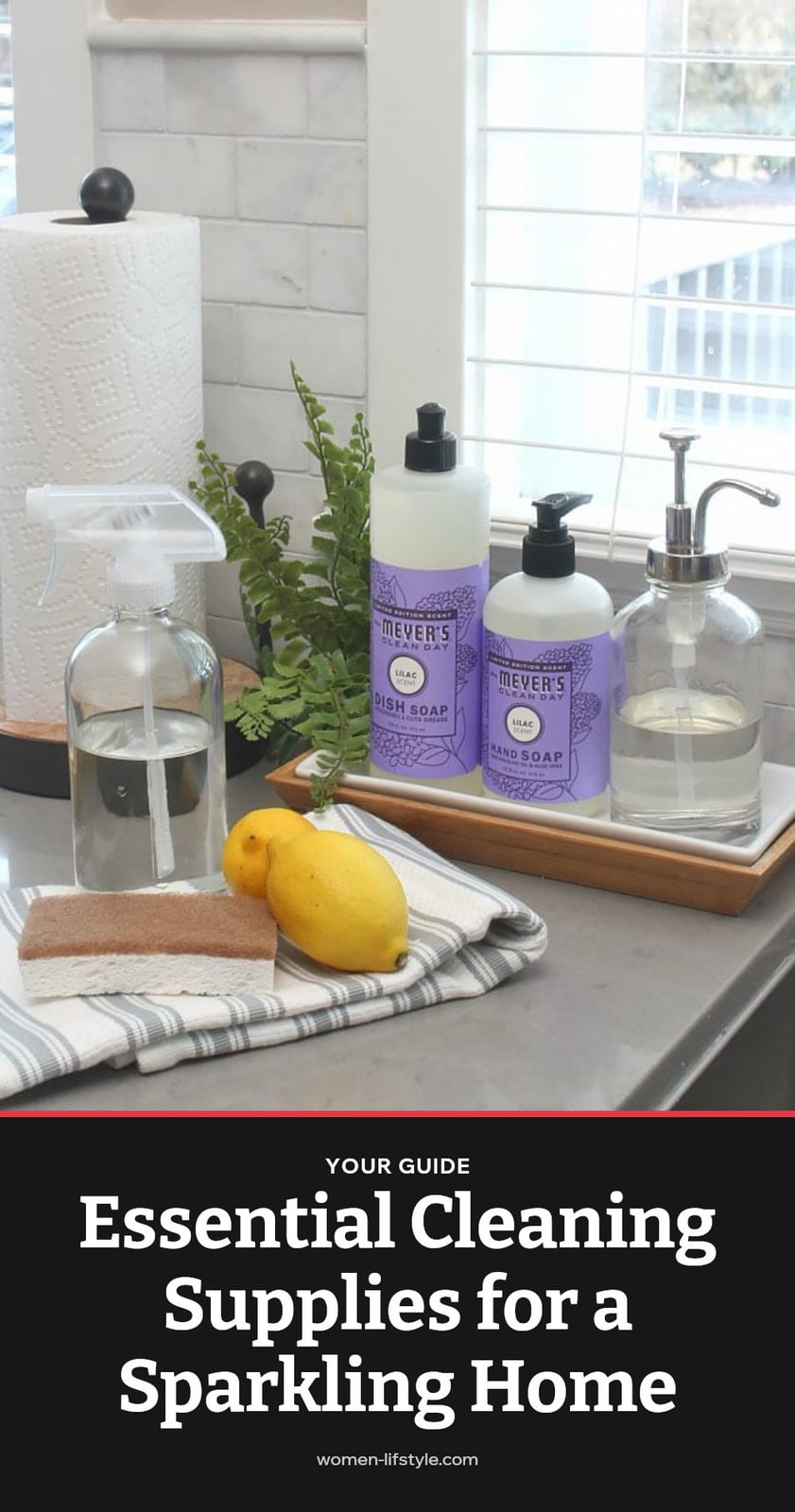
Key Takeaways
- Start with multi-purpose items like all-purpose cleaner, white vinegar, baking soda, and dish soap.
- Use separate microfiber cloths for kitchen and bathroom to avoid spreading germs.
- Never mix bleach with ammonia-based cleaners; the fumes are toxic.
- Rubber gloves protect your hands from chemicals and hot water.
- Ventilate rooms by opening windows or using a fan when cleaning with strong products.
What Cleaning Supplies Do You Actually Need?
You don’t need a huge arsenal of specialized products to keep your home clean. Focus on a core set of multi-purpose cleaners and essential tools instead. A well-chosen basic kit makes daily tidying and deeper cleaning much more efficient and less overwhelming. My tip: start with the items that pull double duty, like all-purpose cleaner and microfiber cloths, and build from there.
All-Purpose Cleaners and Solutions
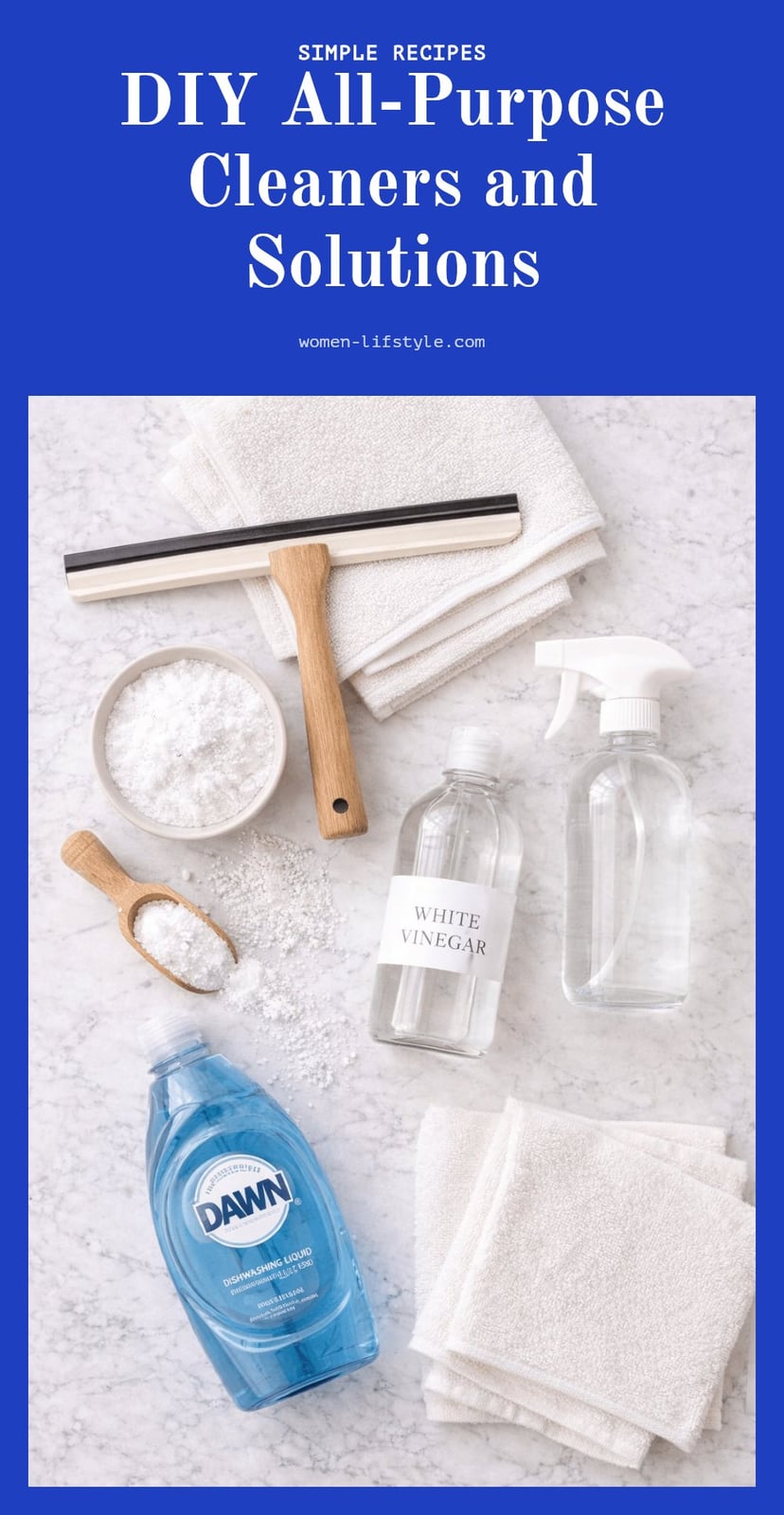
Start with a few versatile cleaners that handle most surfaces and messes.
- All-purpose cleaner for countertops, sinks, and appliance exteriors.
- White vinegar natural disinfectant, deodorizer, and descaler.
- Baking soda abrasive scrubber and odor absorber.
- Dish soap cuts grease, works on surfaces beyond dishes.
- Glass cleaner streak-free shine for windows and mirrors.
- Disinfectant spray sanitizes high-touch areas quickly.
- Lemon juice natural option for hard water stains and deodorizing.
- Toilet bowl cleaner targets stains and bacteria in the bowl.
- Rubbing alcohol evaporates fast, good for electronics and glass.
- Hydrogen peroxide mild bleach and disinfectant for surfaces.
Essential Cleaning Tools
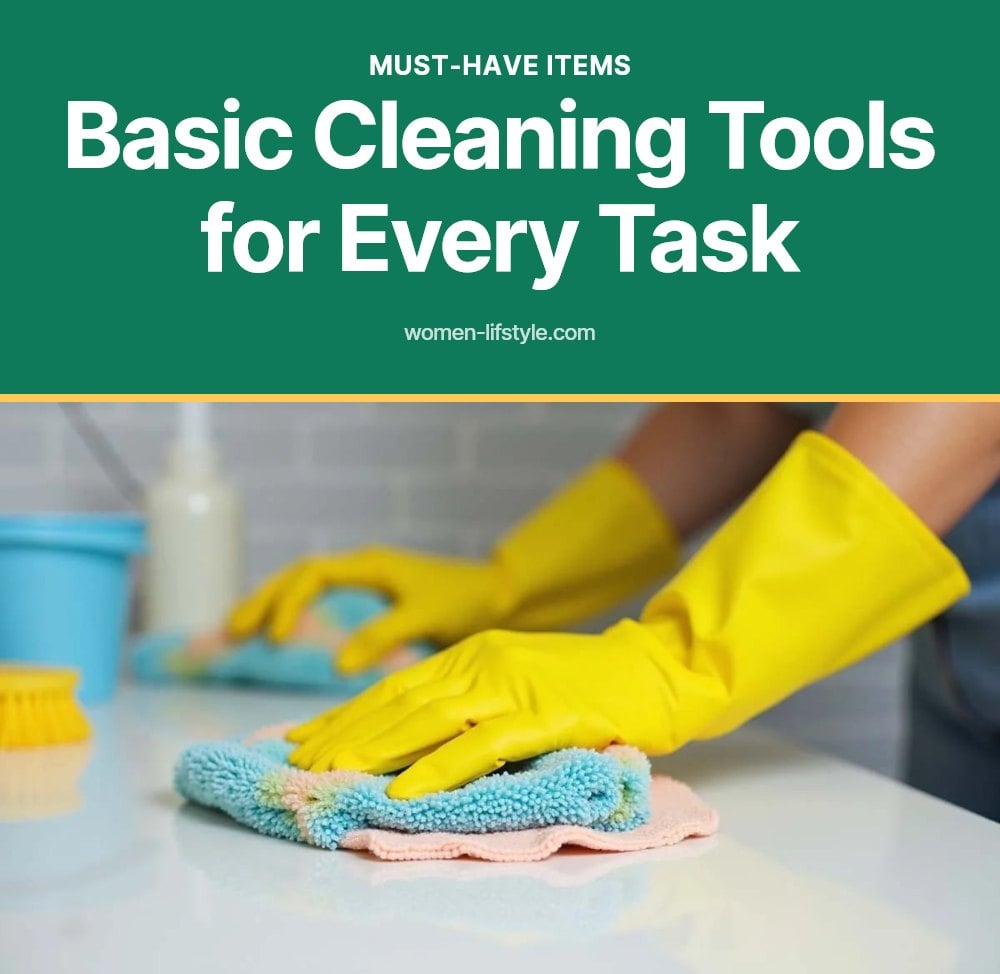
These physical tools make scrubbing, wiping, and protecting your hands simple.
- Microfiber cloths dust, wipe, and polish without streaks.
- Scrub brush tackles stubborn grime on tiles and grout.
- Sponge with abrasive side for stuck-on food and tough spots.
- Rubber gloves protect hands from chemicals and hot water.
- Bucket mix solutions, soak items, or hold mop water.
- Toilet brush essential for cleaning the toilet bowl.
- Broom and dustpan sweep debris from all floor types.
- Vacuum cleaner removes dust and dirt from carpets and hard floors.
- Mop cleans hard floors effectively with water or solution.
- Spray mop convenient for quick hard floor cleanups.
Bathroom-Specific Hygiene Essentials
Keep the bathroom sanitary with these targeted items.
- Toilet bowl cleaner removes stains and kills bacteria.
- Toilet brush scrubs the bowl thoroughly.
- Disinfectant wipes sanitize counters, handles, and faucets.
- Disinfectant spray reaches crevices and high-touch areas.
- Glass cleaner streak-free mirrors and shower doors.
- Scrub brush cleans tile, grout, and shower floors.
- Rubber gloves protect skin from harsh bathroom cleaners.
- Microfiber cloths wipe surfaces without leaving lint.
- Baking soda deodorizes and scrubs sinks and tubs.
- White vinegar descales faucets and showerheads naturally.
Floor Care Fundamentals
Keep your floors clean with these essential tools for sweeping, vacuuming, and mopping.
- Vacuum cleaner for carpets, rugs, and quick debris pickup
- Broom and dustpan for hard floors and large messes
- Mop for washing hard floors with water or solution
- Spray mop for quick damp cleaning without a bucket
- Microfiber mop pad for reusable, streak-free mopping
- Hard floor cleaner for safe, residue-free mopping
- Carpet cleaner spray for spot-treating stains on rugs
- Grout brush for scrubbing tile floor lines
- Floor squeegee for drying tile or stone floors
- Doormat to trap dirt before it reaches floors
Specialty Cleaners for Specific Surfaces
Use these specialty cleaners on surfaces where a general product won’t give the best result.
- Glass cleaner for streak-free windows and mirrors
- Stainless steel cleaner for smudge-free appliance fronts
- Wood polish for conditioning and protecting wood furniture
- Granite cleaner for safe, streak-free stone countertops
- Lemon juice for natural hard water stain removal
- Oven cleaner for breaking down baked-on grease
- Upholstery cleaner for fabric couches and chairs
- Leather cleaner for conditioning and cleaning leather
- Electronics wipe for safe screen and device cleaning
- Brass polish for restoring tarnished metal fixtures
Waste Management and Safety
Finish every cleaning session safely with proper waste disposal and storage habits.
- Trash bags for collecting dust, debris, and used wipes
- Recycling bin for empty cleaner bottles and paper waste
- Ventilation by opening windows or using a fan
- Gloves for protecting hands from chemicals and dirt
- Childproof locks on cabinets storing cleaning products
- Label homemade solutions clearly to avoid mix-ups
- Store in a cool, dry place away from heat and moisture
- Never mix bleach and ammonia to avoid toxic fumes
- Use separate cloths per room to prevent cross-contamination
- Rinse sponges thoroughly and replace them regularly
Frequently Asked Questions
How often should I replace cleaning supplies?
Replace consumable items like all-purpose cleaner, glass cleaner, and disinfectant wipes as you use them up, usually every few months. Microfiber cloths can last for months to a year, while scrub brushes and toilet brushes should be replaced every 6 to 12 months or when they show wear. Always check product labels for specific disposal instructions.
Can I make my own cleaning solutions?
Yes, you can make effective DIY cleaners using white vinegar, baking soda, and dish soap. For example, a mix of equal parts vinegar and water works well for glass and countertops. Just be sure to label your homemade solutions clearly and never mix vinegar with bleach or hydrogen peroxide, as this can create harmful fumes.
What’s the best way to store cleaning products?
Store all cleaning products in a cool, dry place out of reach of children and pets. Keep them in their original containers or clearly labeled bottles. Avoid storing them under the sink if you have young kids or pets, and never mix different products unless the label says it’s safe.
Do I really need separate cleaners for every room?
No, you don’t. A single all-purpose cleaner works on most hard, non-porous surfaces like countertops, sinks, and appliance exteriors in both kitchen and bathroom. You only need a few specialty items like glass cleaner for mirrors and toilet bowl cleaner for the toilet. Using separate cloths for different rooms is more important than separate cleaners.
What are the most eco-friendly cleaning options?
White vinegar, baking soda, and lemon juice are natural, biodegradable options that work well for many cleaning tasks. Microfiber cloths reduce waste from paper towels. You can also look for plant-based, concentrated cleaners in recyclable packaging. Always check labels for eco-certifications if that’s a priority for you.
Final Thoughts
My advice: build your kit around a few versatile cleaners and tools rather than buying a dozen specialty products. You’ll save money and storage space. Expect to replace consumables like cleaners every few months, while cloths and brushes can last for years with proper care. With this core set, you’re ready to handle everyday messes and deeper cleanings without the overwhelm.
This article provides general information about cleaning supplies and techniques. It is not a substitute for professional advice. Always read and follow product label instructions, and consult a doctor or cleaning professional if you have specific health concerns or persistent problems.
