

Baseboards might not be the first thing you notice in a room, but once they’re dusty and grimy, they definitely stand out. You don’t need to spend hours on your hands and knees to keep them clean. This article covers the most efficient hacks to clean your baseboards faster, from the right tools to smart techniques that prevent buildup.

Key Takeaways
- Vacuum baseboards with a brush attachment before any wet cleaning to avoid muddy streaks.
- Use a damp microfiber cloth with diluted all-purpose cleaner for stubborn grime.
- Wipe wood baseboards with a damp cloth and immediately dry them to prevent water damage.
- Work in sections to keep cleaning solutions from drying and leaving streaks.
- Dust baseboards weekly or bi-weekly to make deep cleaning easier and less frequent.
The Quickest Way to Clean Baseboards
The fastest way to clean baseboards is a two-step process. First, run a vacuum with a brush attachment over every inch to lift loose dust, pet hair, and debris. Then, wipe down with a damp microfiber cloth and a mild all-purpose cleaner to tackle grime and scuff marks. Regular, light cleaning prevents heavy buildup and makes each session faster. My tip: Don’t wait until they’re visibly dirty; a quick pass every week or two makes a huge difference.
1. Vacuum First, Always
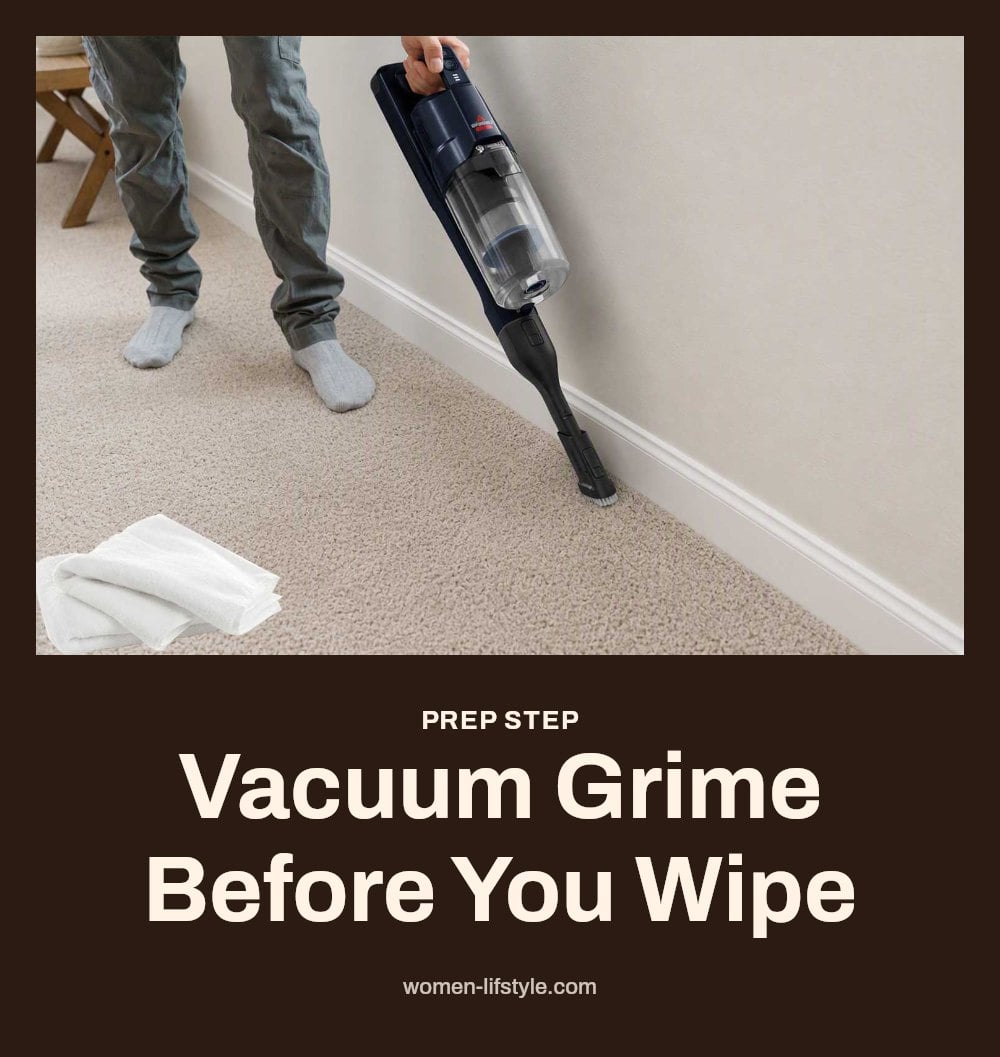
Always vacuum your baseboards before any wet cleaning. Use the brush attachment to remove loose dust, pet hair, and larger debris. Skipping this step means moisture turns that dry dust into muddy streaks that are harder to clean. My tip: I’ve found that a good initial vacuuming cuts my total cleaning time in half.
2. Microfiber Cloths Are Your Best Friend

Microfiber cloths trap dust and wipe surfaces without leaving lint or streaks. Use them dry for a quick dusting or damp with a cleaning solution for deeper grime. They are reusable and work on many surfaces beyond baseboards. Tip: Keep a stack of clean microfiber cloths on hand; they’re reusable and work wonders on so many surfaces, not just baseboards.
3. Diluted All-Purpose Cleaner for Grime
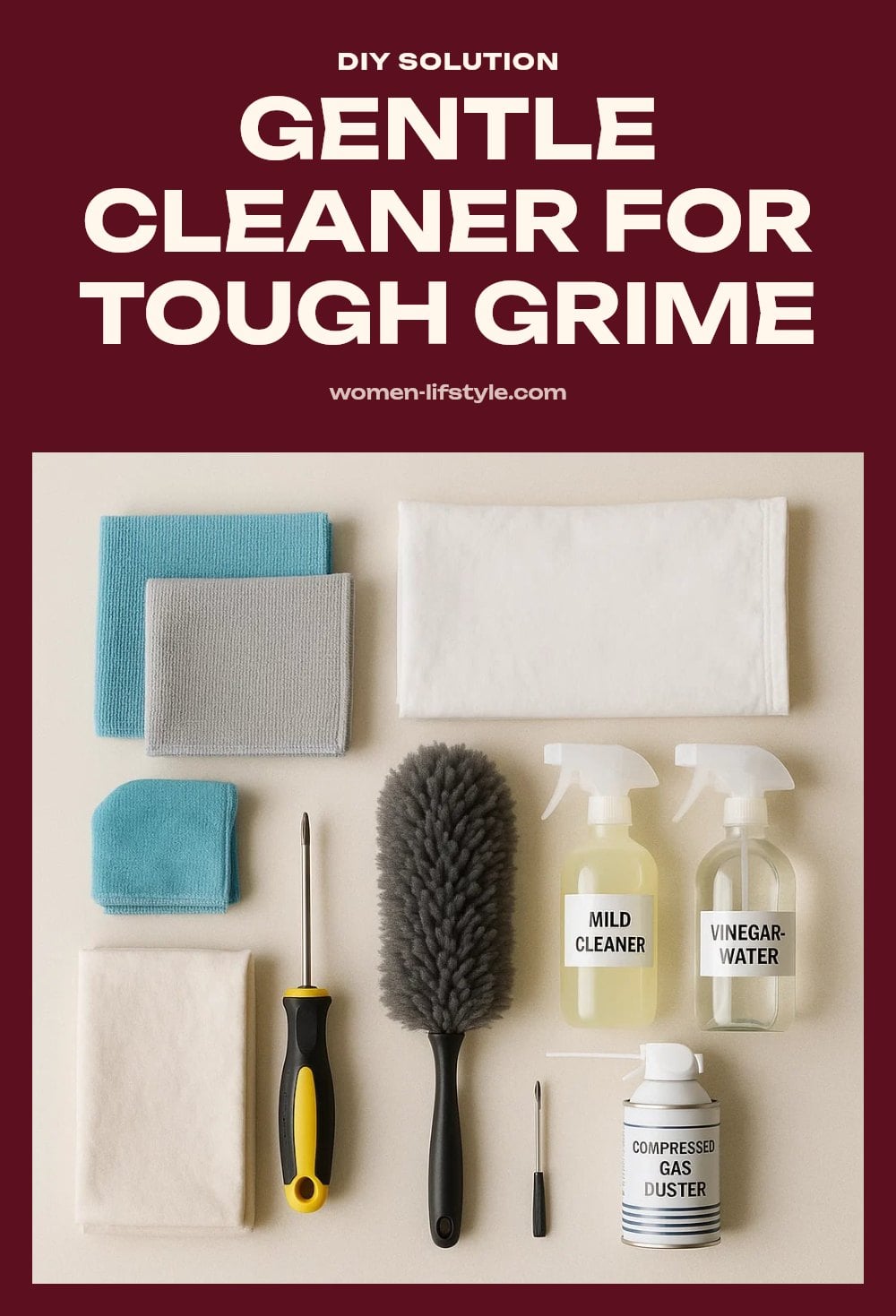
For stubborn dirt and grime, a mild all-purpose cleaner diluted with water is usually all you need. Mix it in a spray bottle or bucket, then apply sparingly to a damp microfiber cloth, never spray directly onto the baseboard. Caution: Always test any cleaning solution in an inconspicuous area first, especially on painted baseboards, to ensure it doesn’t damage the finish.
4. Magic Erasers for Scuff Marks
Magic Erasers for Scuff Marks: Magic eraser-style sponges handle scuff marks and embedded dirt on painted baseboards without scrubbing for minutes. Lightly dampen the sponge and rub the mark gently until it disappears.
Good to know: Use these sparingly with light pressure. The sponge is abrasive and can remove paint if you scrub too hard, so stop as soon as the mark is gone.
5. Dryer Sheets Repel Dust
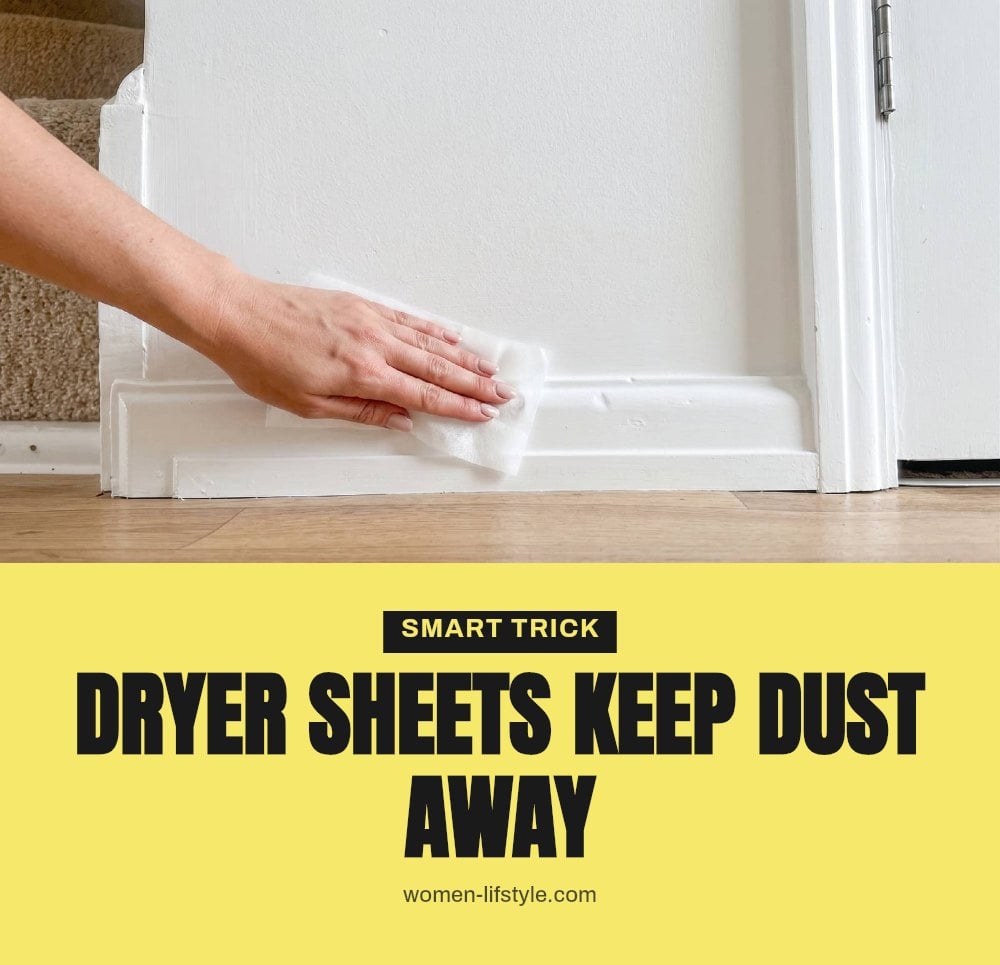
Dryer Sheets Repel Dust: After dusting, wipe your baseboards with a dryer sheet. It picks up any remaining fine dust and leaves behind a residue that helps repel future dust buildup.
Pro move: This is one of my favorite hacks for keeping baseboards cleaner for longer between deep cleans. Just a quick pass after vacuuming makes a real difference.
6. Long-Handled Tools for Less Bending
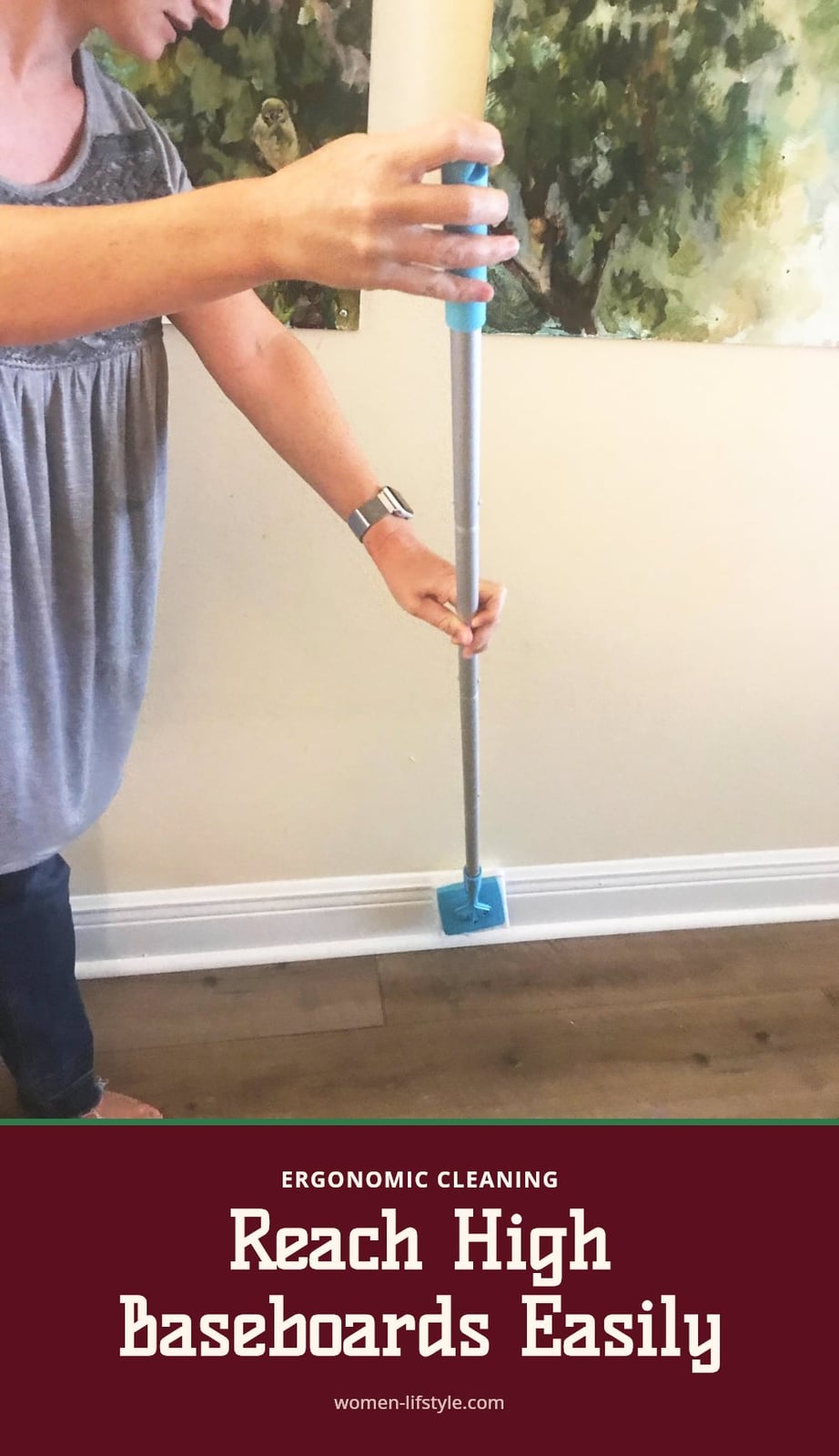
Long-Handled Tools for Less Bending: If bending and kneeling are a challenge, use a long-handled duster or a flat-head mop with a microfiber cover. These tools let you clean baseboards while standing, which reduces physical strain significantly.
Quick tip: Look for extendable handles and flexible heads to reach tricky spots like behind furniture or in tight corners.
7. Tackle Corners with a Small Brush
Tackle Corners with a Small Brush: Corners and crevices collect dust and grime that larger tools miss. An old toothbrush or a small detailing brush fits perfectly into these tight spots.
Tip: I keep a designated cleaning toothbrush just for these tasks. It is surprisingly effective at dislodging buildup from corners and along the bottom edge of the baseboard.
8. Special Care for Wood Baseboards
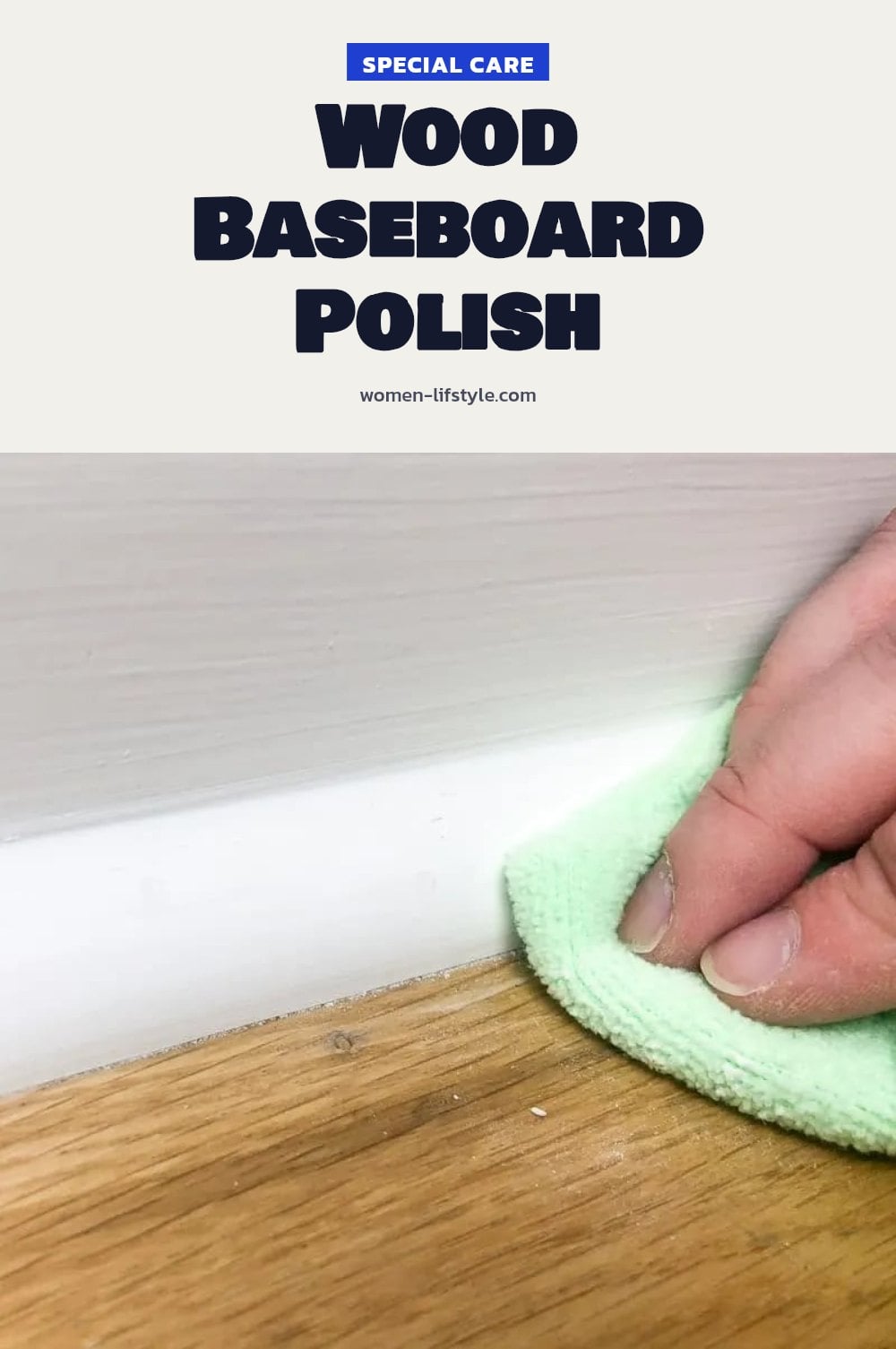
Wood baseboards need a gentler touch to avoid water damage. Use a damp cloth with a wood-specific cleaner or just plain water, then immediately follow with a dry cloth to remove all moisture. Caution: Never saturate wood baseboards with water, as this can lead to warping or damage to the finish. A quick damp wipe followed by a dry buff keeps the wood protected and looking good.
9. Work in Sections
Work in manageable sections instead of tackling all baseboards at once. This prevents cleaning solutions from drying on the surface before you can wipe them away, which leaves streaks. Good to know: I usually tackle one room at a time, or even just one wall, to make the task feel less overwhelming. A sectioned approach keeps the job focused and the results streak-free.
10. Wear Gloves for Protection
Wear gloves to protect your hands from dirt, dust, and cleaning solutions. This also helps prevent skin irritation and keeps your hands clean during the process. Pro move: I always wear a pair of reusable rubber gloves; they make the job much more pleasant. Gloves are a simple addition that improves both safety and comfort.
11. Ventilate Your Space
When using any cleaning solutions, always ensure good ventilation in the room. Open windows or turn on a fan to circulate fresh air and prevent the buildup of fumes. Safety first: This is especially important if you’re sensitive to scents or using stronger cleaners. Fresh air makes the task safer and more comfortable.
Common Baseboard Cleaning Mistakes to Avoid
Only cleaning when visibly dirty: This leads to heavy buildup that is much harder to remove. Dust regularly (weekly or bi-weekly) to prevent grime from setting in.
Using too much water: Saturating baseboards, especially wood or MDF, can cause warping, swelling, or paint damage. Always use a damp cloth and dry immediately, particularly on wood.
Forgetting to dust before wet cleaning: Applying a wet cloth to dusty baseboards creates muddy streaks and makes the job messier. Always vacuum or dry dust first.
Using harsh chemicals: Abrasive scrubbers or undiluted bleach can damage finishes. Stick to mild, diluted cleaners and test in an inconspicuous area first.
Frequently Asked Questions
Can I use a steam cleaner on baseboards?
Steam cleaners are generally not recommended for baseboards, especially wood or MDF. The high heat and moisture can cause warping, swelling, or paint damage. For painted baseboards, a damp cloth is safer and just as effective for removing grime.
What’s the best way to clean baseboards without bending?
Use a long-handled duster or a flat-head mop with a microfiber cover. These tools let you clean baseboards while standing, reducing strain on your back and knees. Look for extendable handles and flexible heads that fit along the baseboard edge.
How do I prevent dust from accumulating on baseboards?
After dusting, wipe baseboards with a dryer sheet. It leaves behind a residue that helps repel dust, so buildup happens more slowly. Regular dusting (weekly or bi-weekly) also prevents heavy accumulation, making each cleaning quicker.
How do you clean really dirty baseboards?
Start by vacuuming with a brush attachment to remove loose dust and debris. Then use a magic eraser-style sponge on scuff marks and stubborn dirt. For heavy grime, wipe with a damp microfiber cloth and diluted all-purpose cleaner, working in sections to avoid letting the solution dry on the surface.
Final Thoughts
For a truly low-maintenance routine, stick to a quick vacuum with the brush attachment every week or two, and save the wet cleaning for every few months. This prevents heavy buildup and keeps your baseboards looking fresh without a major time commitment. My tip: pair the vacuum step with your regular floor cleaning, and you’ll barely notice the extra effort.
