

You notice a smooth, bare patch on your scalp and your first thought is probably, “Will this even grow back?” It’s a scary moment, but understanding what’s causing that spot is the first real step toward fixing it. This article breaks down the different types of bald spots, which treatments actually work, and how long you should expect to wait before seeing results.
Key Takeaways
- Bald spots have different causes, so getting a proper diagnosis from a dermatologist is the first step.
- Topical minoxidil is an FDA-approved OTC treatment that can stimulate regrowth with consistent daily use.
- Visible results from most treatments take 3 to 6 months, with full effects sometimes taking 12 months.
- Nutritional deficiencies in iron, zinc, or biotin can contribute to hair loss and should be checked with a blood test.
- Stopping treatment early often reverses any progress you’ve made.
What Really Causes Bald Spots?
Bald spots, also called alopecia, don’t have one single cause. They can come from your genes (androgenetic alopecia), an autoimmune condition like alopecia areata, a major stress event that triggers telogen effluvium, or even the way you style your hair every day, which leads to traction alopecia. Nutritional gaps, especially in iron, zinc, and biotin, can also show up as thinning patches. The tricky part is that the right treatment depends entirely on what’s actually causing your bald spot. That’s why my first tip is always: book an appointment with a dermatologist before you try anything else. A proper diagnosis saves you time, money, and frustration.
Understanding the Different Types of Bald Spots
Understanding the Different Types of Bald Spots
Not all bald spots are the same, and treating them the wrong way can waste months. Here’s what you need to know about the main types.
- Androgenetic alopecia: This is pattern baldness, and it’s the most common cause. It’s driven by genetics and hormones, and it affects both men and women, usually showing up as a widening part or thinning at the crown.
- Alopecia areata: An autoimmune condition where your immune system attacks your hair follicles. It creates distinct, smooth, round bald patches that can appear suddenly. It often responds to treatments that calm the immune response.
- Telogen effluvium: Triggered by a major stress, illness, or hormonal shift. It usually causes widespread thinning rather than one perfect circle, but you can still end up with noticeably thinner areas. The good news: it’s often temporary once the trigger resolves.
- Traction alopecia: Caused by consistent pulling on the hair follicles from tight hairstyles like braids, ponytails, or extensions. The hair loss follows the pattern of tension, so you might see thinning along your hairline or temples.
- Nutritional deficiencies: Low levels of iron, zinc, or biotin can contribute to hair loss. A blood test can tell you if this is part of your picture.
Professional and Over-the-Counter Treatments for Bald Spots
Professional and Over-the-Counter Treatments for Bald Spots
Once you know what type of bald spot you’re dealing with, you can pick the right treatment. Options range from drugstore finds to in-clinic procedures.
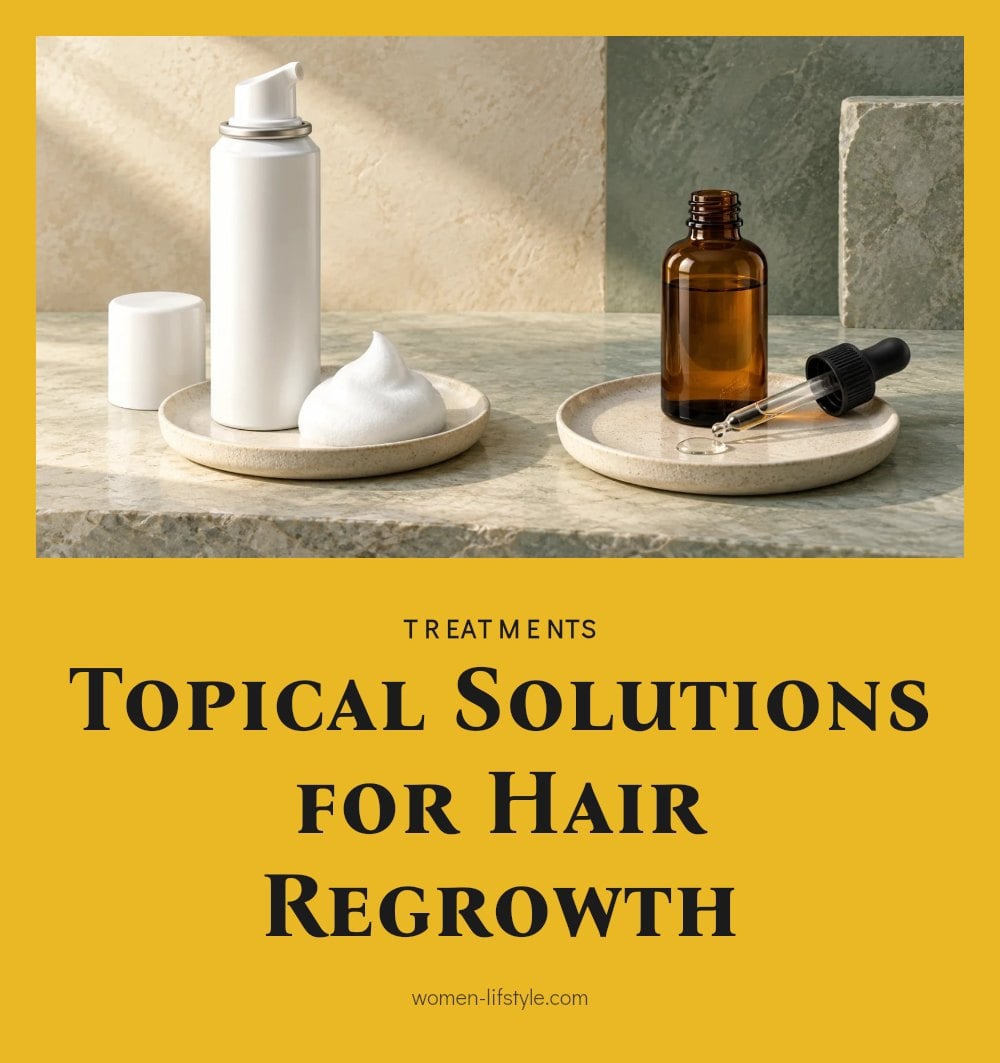
- Topical Minoxidil (Rogaine): This is the most well-known OTC option. It’s FDA-approved to stimulate hair growth and slow further loss. You apply it to the scalp once or twice daily. Tip: Be consistent and patient, visible results usually take 3-6 months. It can cause scalp irritation or unwanted hair growth if you don’t apply it carefully.
- Oral Finasteride: This is a prescription medication primarily for men with androgenetic alopecia. It works by blocking a hormone that shrinks hair follicles. Caution: It can have systemic side effects, so it must be used under a doctor’s supervision. Women should not take it without a dermatologist’s guidance.
- Corticosteroids: Often used for alopecia areata. They come as topical creams, injections, or oral pills. They work by suppressing the immune attack on follicles. Caution: Injections should only be done by a qualified professional.
- Platelet-Rich Plasma (PRP) therapy: A clinic draws your blood, spins it to concentrate the platelets, and injects that concentration into your scalp. The goal is to stimulate the follicles. It’s a moderate-to-high investment and usually requires multiple sessions.
- Low-level laser therapy (LLLT): Devices like laser caps or combs that you use at home or in a clinic. The idea is that the light energy stimulates hair growth. Results vary, and consistency is key.
- Hair transplant surgery: A permanent solution where a surgeon moves healthy hair follicles from a donor area (usually the back of the head) to the bald spots. It’s the most significant financial and time commitment, but the results can be lasting.
Essential Supplements and Home Care Items

Alongside professional treatments, a few home items can support your efforts. Biotin supplements can help if you have a deficiency. Iron and zinc supplements are worth considering if a blood test shows low levels, don’t guess on these. Rosemary essential oil is sometimes used for scalp massage to promote circulation, but always dilute it with a carrier oil like jojoba or coconut to avoid irritation. A gentle shampoo with ketoconazole can keep your scalp healthy and may help reduce inflammation. My tip: introduce one change at a time so you can see what actually makes a difference for you.
Common Mistakes to Avoid When Treating Bald Spots
Self-diagnosing: Assuming all bald spots share the same cause wastes time and money. A dermatologist can identify the real issue, whether it’s autoimmune, genetic, or stress-related.
Stopping treatment too soon: Hair regrowth takes 3-6 months of consistent use before visible results appear. Quitting early reverses any progress you’ve made.
Over-applying products: Using more minoxidil or other topicals than directed won’t speed growth. It can irritate your scalp and reduce effectiveness.
Ignoring underlying health issues: Hair loss sometimes signals a thyroid problem, hormone imbalance, or nutritional deficiency. Treating the surface without addressing the root cause won’t work.
Using unproven remedies: ‘Miracle cures’ found online rarely have scientific backing. Stick with evidence-based treatments recommended by a professional.
Preventing Further Hair Loss and Supporting Regrowth
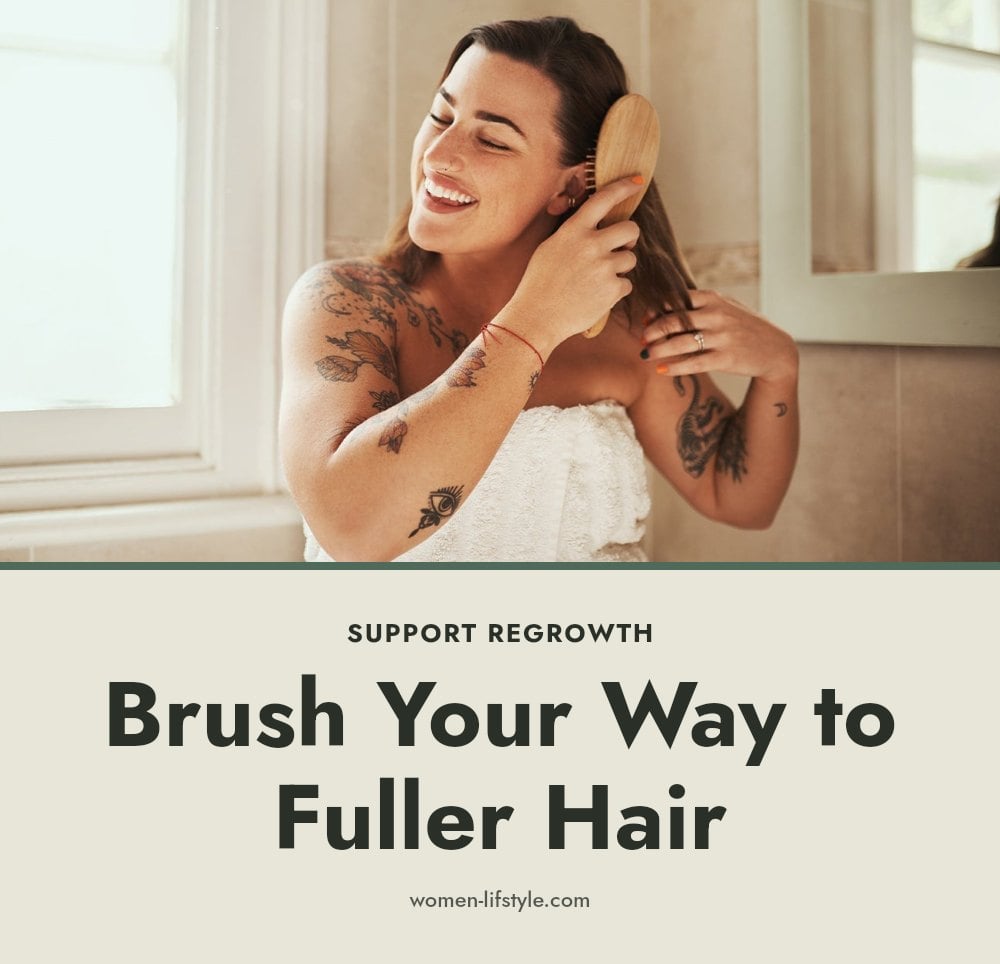
Handle hair gently: Avoid tight braids, ponytails, and extensions that pull on follicles. Opt for loose styles and use a wide-tooth comb on wet hair.
Eat a balanced diet: Include iron-rich foods like spinach and lean meat, zinc from nuts or seeds, and biotin from eggs and avocados. These nutrients support hair growth.
Manage stress: High stress can trigger or worsen hair loss. Try yoga, meditation, or a daily walk to lower cortisol levels.
Avoid harsh treatments: Limit chemical relaxers, perms, and excessive heat styling. Aggressive brushing also damages fragile strands.
Protect your scalp: Sun exposure can harm thinning areas. Wear a hat or use a scalp-friendly SPF when you’re outdoors.
What to Expect: Timeline and Investment for Hair Regrowth
Timeline for Results: Visible improvement typically takes 3-6 months of consistent treatment. Full effects may require 12 months or longer.
Consistency is Key: Stopping treatment early often reverses any gains. Stick with the routine even when progress seems slow.
Cost Tiers: Over-the-counter topical treatments are the most affordable option. Prescription medications and low-level laser therapy devices fall in the moderate range. In-clinic procedures like PRP and hair transplants represent the highest financial commitment.
When to See a Dermatologist for Your Bald Spots
See a dermatologist if you experience sudden, rapid, or unexplained hair loss. Also make an appointment if your bald spots come with itching, pain, or redness. If over-the-counter treatments haven’t shown improvement after several months, professional guidance is needed. Always consult a doctor before starting prescription medications or if you suspect an underlying medical condition is causing your hair loss.
Frequently Asked Questions
Can bald spots grow back naturally?
Some types, like those from telogen effluvium or mild traction alopecia, can grow back on their own once the trigger is removed. But many cases, especially those caused by genetics or an autoimmune condition, require targeted treatment to stimulate regrowth.
How long does it take for bald spots to grow back?
With consistent treatment, visible regrowth typically starts within 3 to 6 months. Full results can take 12 months or longer. If you stop treatment early, you may lose any progress you’ve made.
Are there any natural remedies for bald spots?
Some people try rosemary essential oil or scalp massage to support hair growth, but evidence is limited. These methods may help as a complement to proven treatments, but they shouldn’t replace medical advice or FDA-approved options like minoxidil.
Is it normal to have multiple bald spots?
Multiple round, smooth bald patches are common with alopecia areata, an autoimmune condition. It can affect one or several areas on the scalp. A dermatologist can confirm the cause and recommend appropriate treatment.
What is the best diet for hair regrowth?
A balanced diet rich in iron, zinc, and biotin supports healthy hair growth. Good sources include spinach, lean meat, nuts, seeds, and eggs. If you suspect a deficiency, ask your doctor for a blood test before starting supplements.
Can stress cause permanent bald spots?
Stress can trigger temporary hair loss, known as telogen effluvium, which usually resolves on its own once the stressor is managed. It rarely causes permanent bald spots, but chronic stress may worsen other types of hair loss. See a doctor if shedding is sudden or severe.
Final Thoughts
The best approach for your bald spot depends entirely on what’s causing it, so my tip is to start with a dermatologist visit. Realistic results take time: expect to stick with a consistent routine for at least 3 to 6 months before you see noticeable regrowth. With the right diagnosis and patience, many people do see improvement.
This article is for general informational purposes only and does not constitute medical advice. Hair loss can have many underlying causes. Always consult a dermatologist or healthcare professional for a proper diagnosis and treatment plan tailored to your specific condition.
