

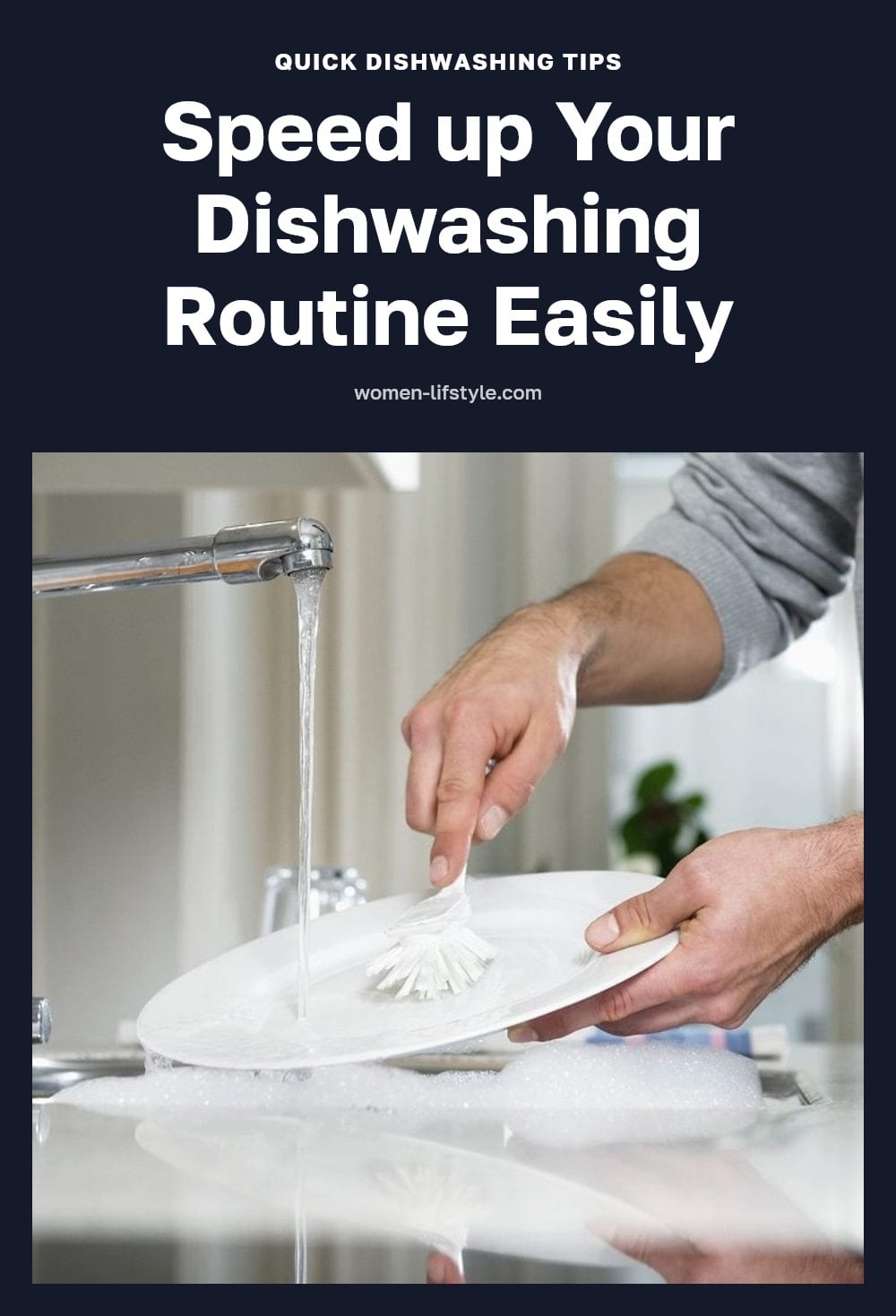
You know the feeling: a mountain of dishes after a big meal, and you just want to get it done and move on. The secret to washing dishes faster isn’t scrubbing harder; it’s working smarter. This article breaks down the simple steps and smart habits that can cut your time at the sink, from prepping your station to choosing the right order for washing.
Key Takeaways
- Scrape food scraps into the trash before washing to keep water cleaner and prevent clogs.
- Wash from cleanest (glasses, silverware) to dirtiest (pots, pans) to avoid recontaminating items.
- Use hot water between 110-120°F to dissolve grease and reduce scrubbing time.
- Soak heavily soiled pots and pans for 15-30 minutes to loosen stuck-on food.
- Air dry dishes on a rack instead of towel drying to save time and improve hygiene.
Speed Up Your Dishwashing Routine
To wash dishes faster, start with smart preparation. Scrape food scraps into the trash and soak tough messes before you begin. Working from cleanest items (glasses, silverware) to dirtiest ones (pots, pans) keeps your wash water cleaner and reduces scrubbing. Hot water and good tools, all set up in an organized station, cut down effort significantly. My tip: Focus on a systematic approach, and you’ll be amazed how quickly your sink clears out.
Essential Tools for Efficient Dishwashing
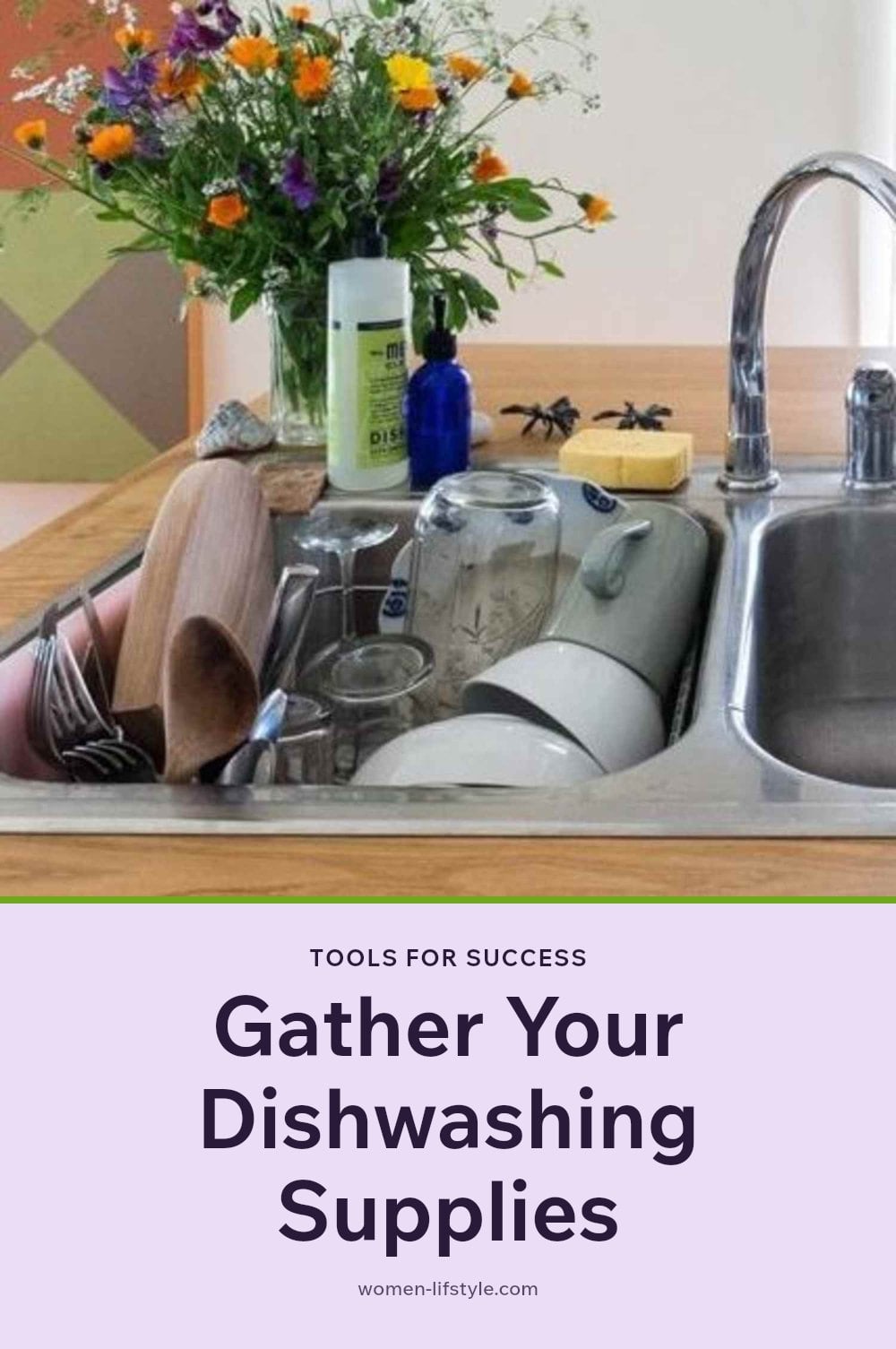
Having the right tools on hand makes dishwashing faster and less frustrating. Here is what you need.
- Dish soap: Choose a good quality soap that cuts grease effectively.
- Sponge or dish brush: A brush with a long handle reaches into tight spaces and gives you more leverage for scrubbing.
- Dishwashing gloves: They protect your hands and let you use hotter water for better cleaning.
- Drying rack: Air drying saves time compared to towel drying and is more hygienic.
- Scraper or spatula: Use it to remove food scraps before washing.
- Sink stopper: Essential for creating a two-basin system for washing and rinsing.
Step-by-Step: Washing Dishes Like a Pro
Follow these steps to wash dishes like a pro and cut your time at the sink.
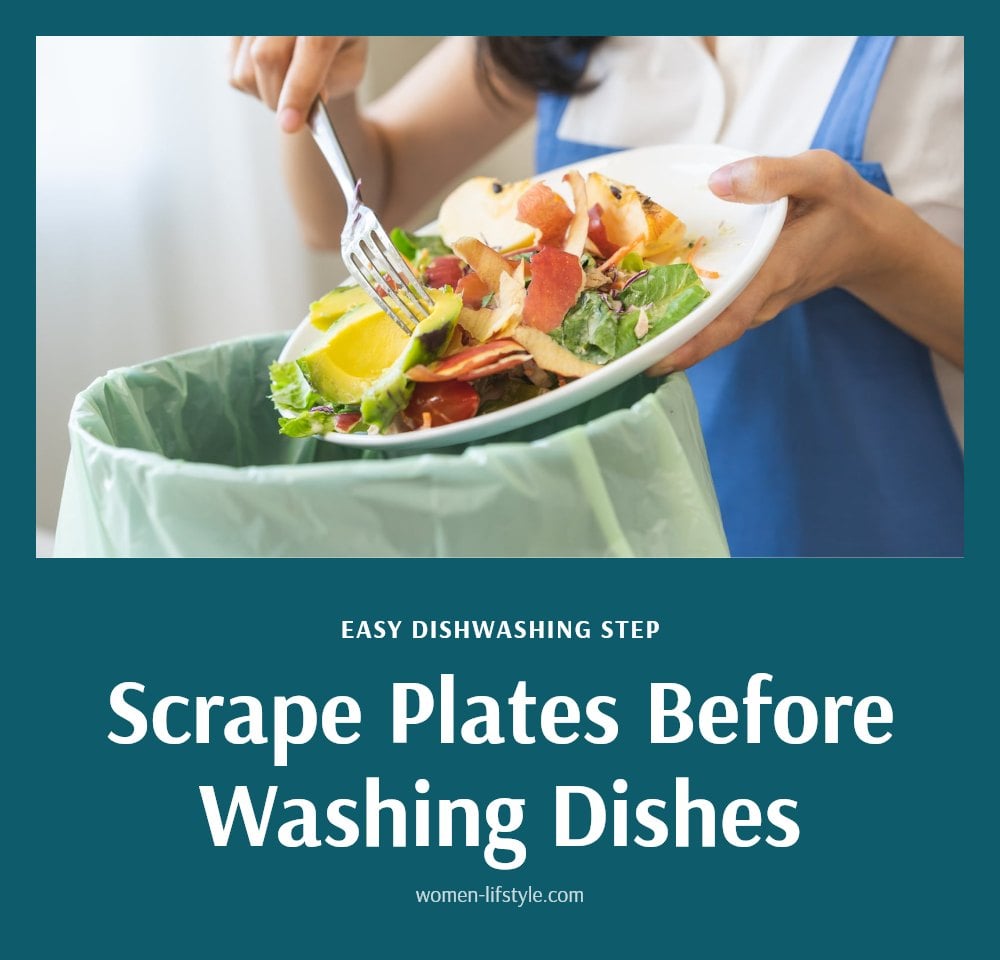
- Scrape food scraps: Scrape all food into the trash or compost before washing. This prevents drain clogs and keeps your wash water cleaner.
- Rinse immediately: Rinse dishes right after use, even if you are not washing them yet. This stops food from drying and sticking.
- Soak tough items: Soak heavily soiled pots and pans for 15-30 minutes to loosen stuck-on food, making scrubbing much easier.
- Organize your station: Set up all tools, soap, sponge, brush, drying rack, within easy reach before you start.
- Fill wash basin: Fill one basin with hot water (110-120°F or 43-49°C) and the right amount of dish soap.
- Fill rinse basin: Fill a second basin with clean, hot water for rinsing, or prepare to rinse under running hot water.
- Wash in order: Wash from least soiled to most soiled: glasses first, then silverware, then plates, and finally pots and pans. This keeps the wash water cleaner longer.
- Rinse thoroughly: Rinse each item well to remove all soap residue.
- Air dry: Place rinsed dishes on a drying rack to air dry. This saves time compared to towel drying.
Common Dishwashing Mistakes to Avoid
Avoid these common mistakes to keep your dishwashing efficient and fast.
- Not pre-scraping dishes: This leads to dirty wash water and clogged drains. Always scrape food first.
- Washing in random order: You contaminate cleaner items with dirtier ones, making the job longer. Stick to the cleanest-to-dirtiest rule.
- Using cold water: Cold water is less effective at breaking down grease. Hot water is your friend here.
- Not soaking stubborn messes: You will spend ages scrubbing if you do not let tough spots soak first.
- Leaving dishes to pile up: An overwhelming pile makes the task feel bigger and take longer. Tackle them regularly.
- Using a worn-out sponge or brush: An ineffective tool means more effort and less clean. Replace them often.
Expert Tips for a Faster Dishwashing Experience
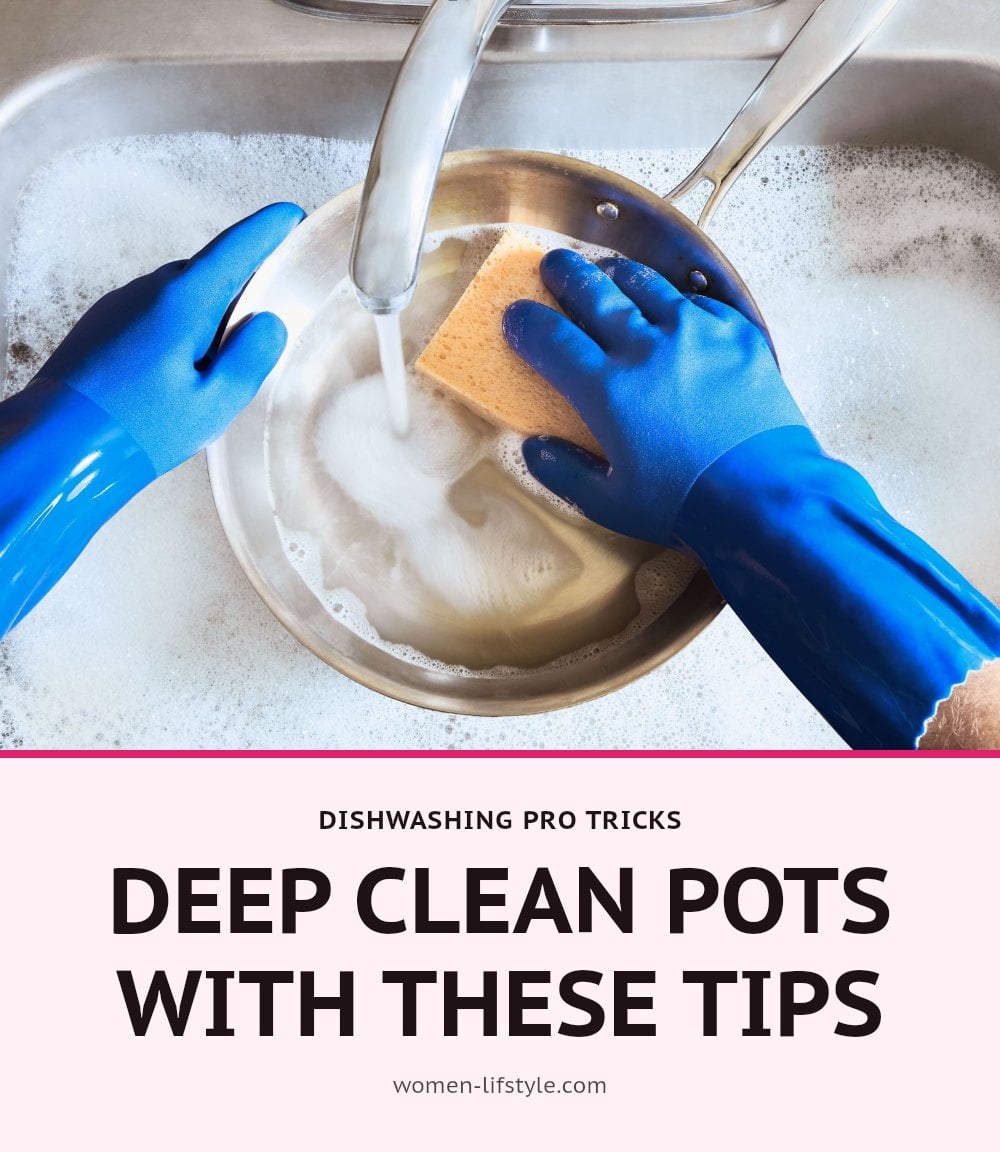
Wear dishwashing gloves: My tip: this isn’t just for protecting your hands. It allows you to use hotter water, which aids cleaning and makes the process more comfortable and quicker.
Create a two-basin system: One for washing, one for rinsing. It’s often more efficient than rinsing under running water, especially for larger loads.
Rinse as you go: Even a quick rinse immediately after use prevents food from drying and sticking, making the actual wash much faster.
Don’t overcrowd the drying rack: This hinders air circulation and can lead to slower drying or even water spots. Give your dishes room to breathe.
Prioritize certain items: If you’re short on time, wash essential items like plates, cups, and cutlery first. Then tackle pots and pans if time allows.
The Power of Hot Water and Good Soap
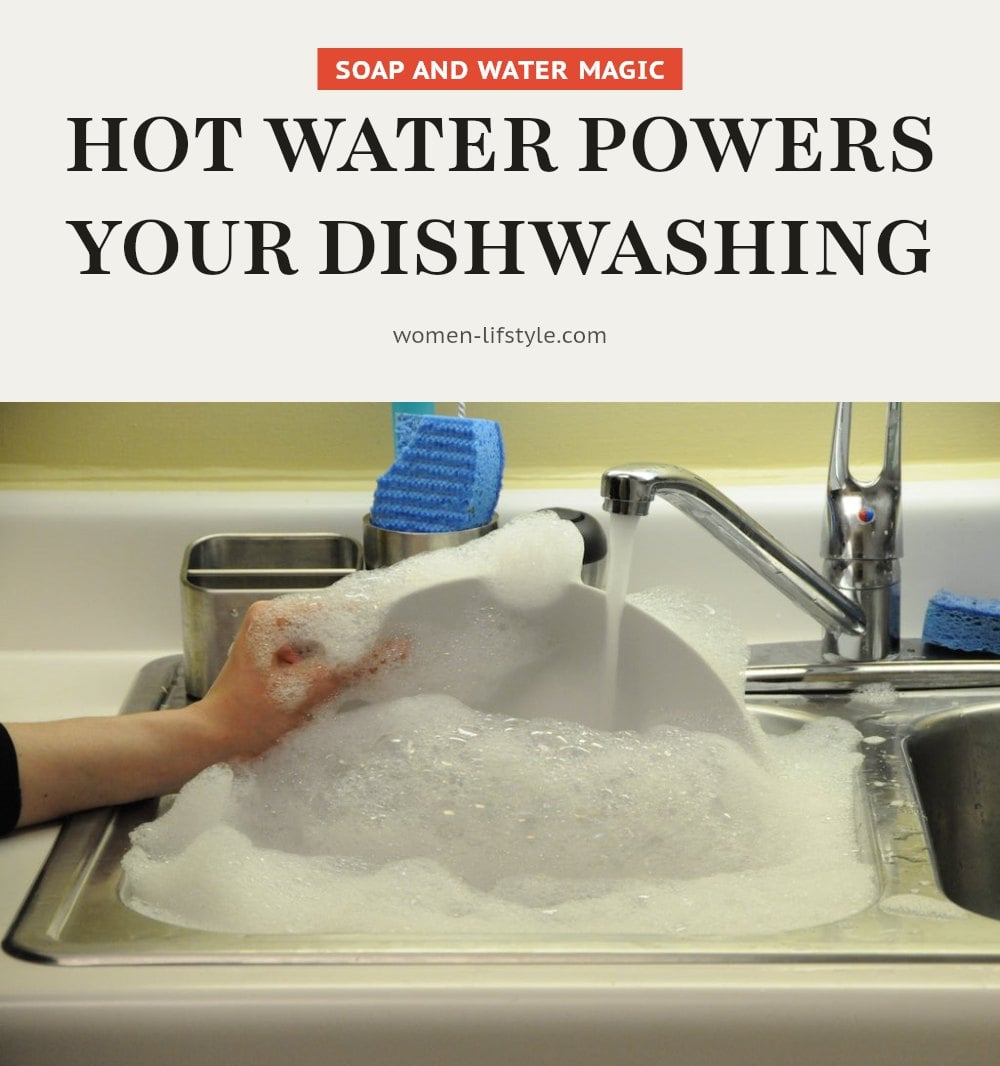
Hot water is a powerhouse
It helps dissolve grease and food particles much more effectively than cold water, cutting down on the amount of scrubbing you need to do. Pairing hot water with an appropriate dish soap is crucial. A good quality dish soap is formulated to break down fats and oils, allowing them to be easily rinsed away.
Don’t skimp on soap. Using too little won’t clean effectively, meaning you’ll have to rewash or scrub harder. My personal experience has shown me that investing in a good, degreasing dish soap and always using the hottest water I can comfortably handle (thanks, gloves) makes a world of difference in how quickly and thoroughly I can get my dishes clean.
Frequently Asked Questions
What is the best way to clean very greasy dishes?
For greasy dishes, start by scraping off as much grease as possible into the trash. Then, use hot water (110-120°F) with a good quality dish soap that cuts grease. A dish brush with a long handle can help you scrub effectively without touching the grease directly.
Can I use cold water to wash dishes effectively?
Cold water is not as effective as hot water for breaking down grease and food particles. While you can rinse with cold water, washing with hot water (around 110-120°F) is recommended for a thorough and faster clean. If you must use cold water, you may need to scrub more and use more soap.
How often should I change my dish sponge or brush?
You should replace your dish sponge every one to two weeks, or sooner if it starts to smell or look worn. Dish brushes can last longer, but replace the head every few months or when the bristles become frayed. A fresh tool cleans more effectively and prevents bacteria buildup.
Is it better to hand wash or use a dishwasher for efficiency?
For large loads, a dishwasher is generally more water- and energy-efficient than hand washing. However, for small loads or items that can’t go in the dishwasher, hand washing with a two-basin system (one for washing, one for rinsing) can be efficient. The key is to use hot water and wash in the right order.
What’s the trick to getting stuck-on food off easily?
The trick is to soak the item in hot, soapy water for 15-30 minutes before scrubbing. This loosens the food so it comes off with minimal effort. For extra stubborn spots, you can also scrape gently with a plastic scraper or spatula after soaking.
Final Thoughts
To make dishwashing faster, commit to the order: scrape, soak if needed, then wash from cleanest to dirtiest. Realistically, even with these tricks, a full post-dinner load will take about 15-20 minutes, but you will spend less time scrubbing and more time done. Stick with these habits, and washing dishes becomes a quick, almost automatic task.
