

You’ve spotted a line of ants marching across your kitchen counter, and you want them gone without harsh chemicals. Natural ant repellents can work, but only if you use them correctly. This article covers why ants invade, which natural methods actually stop them, and how to apply them consistently for real results.
Key Takeaways
- Disrupt ant pheromone trails by wiping surfaces with a 50/50 white vinegar and water solution.
- Place peppermint or citrus oil on cotton balls near entry points to create a strong repellent barrier.
- Apply food-grade diatomaceous earth in dry areas only; it loses effectiveness when wet.
- Seal cracks and gaps around windows, doors, and pipes to prevent ants from entering.
- Expect daily or weekly reapplication for two to four weeks before you see a significant reduction.
How to Naturally Get Rid of Ants in Your Home
Getting rid of ants naturally starts with disrupting their trails and removing what draws them in. White vinegar sprayed directly on visible ants or wiped across surfaces erases their chemical path. Peppermint oil on cotton balls placed near entry points sends a strong repellent signal. Food-grade diatomaceous earth sprinkled in dry areas dehydrates ants on contact. Consistency is the real trick. Reapply these deterrents every few days and clean up crumbs, spills, and pet food bowls. These methods are non-toxic and safe for homes with kids and pets.
Why Ants Invade Your Home and How They Navigate

Ants show up for three things: food, water, and shelter. They are especially drawn to sweet spills, greasy residues, and protein crumbs. Changes in weather, like heavy rain or drought, often push them indoors to find these resources.
How They Find Their Way In
Ants leave a chemical trail of pheromones as they move. This invisible marker guides other colony members directly to a food source. Even after the original ant is gone, the trail remains for hours or days, attracting more ants. That is why a single crumb can turn into a long line of invaders.
Essential Supplies for Your Natural Ant Defense
Gather these items before you start. Each one plays a specific role in your natural ant defense:
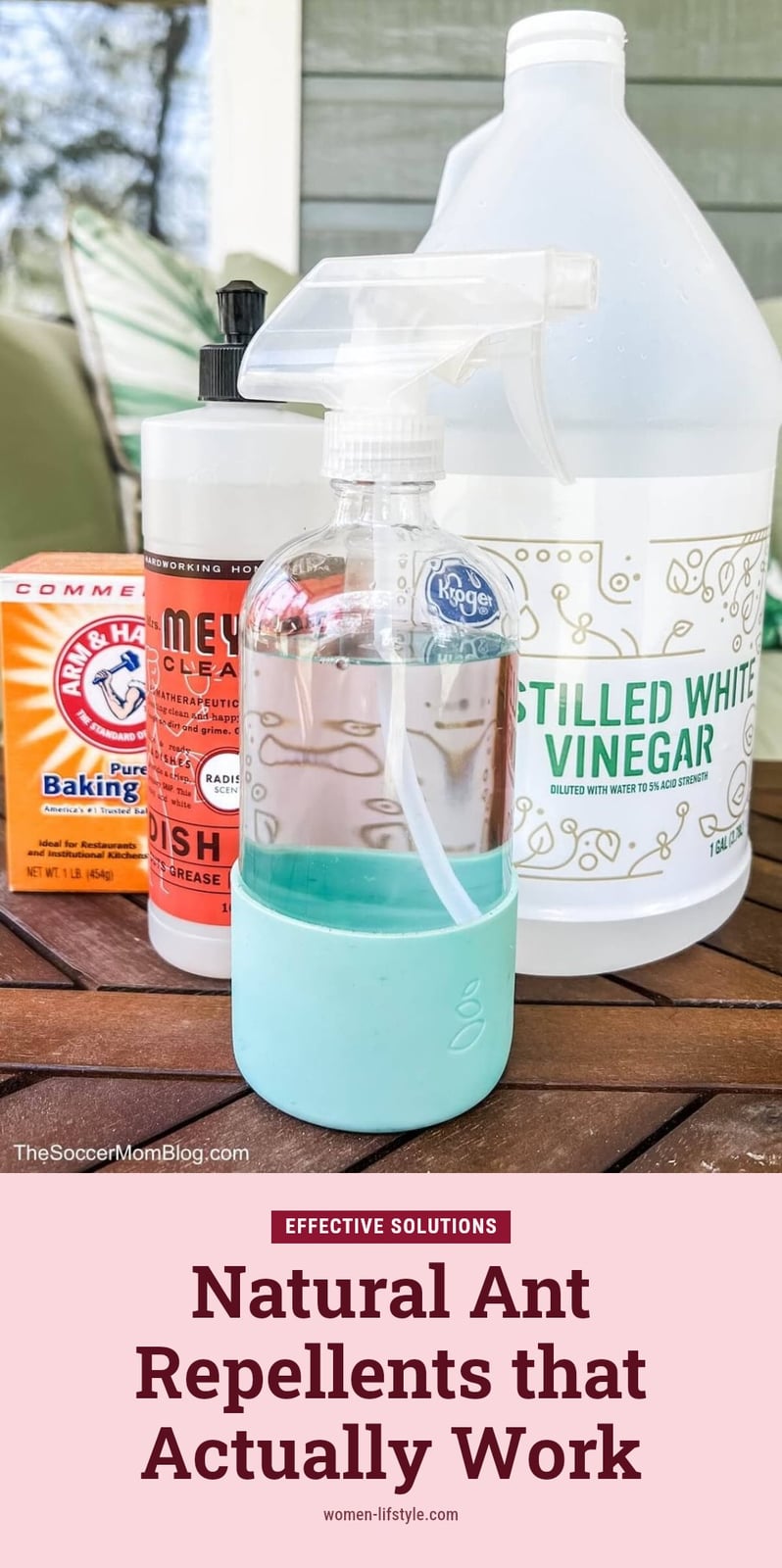
- White vinegar for cleaning surfaces and erasing pheromone trails.
- Peppermint, tea tree, or citrus essential oils for strong repellent scents.
- Food-grade diatomaceous earth for physical control through dehydration.
- Lemon juice or peels and cinnamon as additional deterrents.
- A spray bottle and cotton balls for easy application.
Effective Natural Methods to Repel Ants
Here are the most effective natural methods I have found after dealing with my own ant issues:
White Vinegar Spray and Wipe
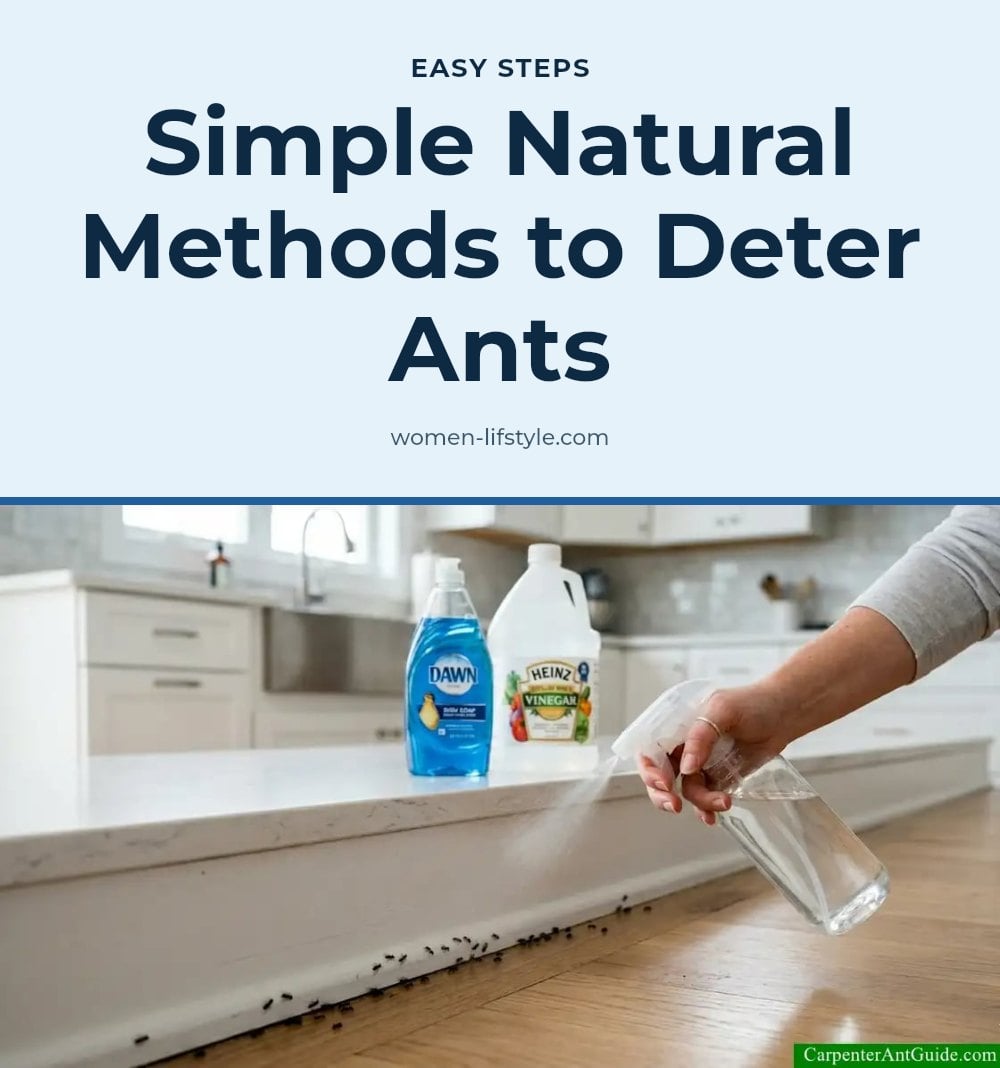
Mix equal parts white vinegar and water. Spray directly on ants you see or wipe countertops and floors where ants have marched. The vinegar smell disrupts the pheromone trail, making the path invisible. Pro move: Squeeze in a few drops of lemon juice; the d-limonene adds a second deterrent.
Essential Oil Deterrents
Peppermint, tea tree, and citrus oils are especially strong. Put a few drops of any of these on a cotton ball and place it where ants enter, such as windowsills, baseboards, or under sinks. For larger areas, mix 10-15 drops into a spray bottle with water and mist door frames or corners. Caution: Test the spray on a hidden spot first, especially on painted surfaces, to avoid damage. Keep oils away from pets; some are toxic if ingested.
Food-Grade Diatomaceous Earth
This fine powder looks harmless but is sharp on a microscopic level. Sprinkle a thin layer in dry areas along ant trails, near door thresholds, or under appliances. It abrades the ant’s exoskeleton, causing dehydration. Tip: Only use food-grade diatomaceous earth. Industrial versions are not safe for indoor use. The powder has to stay completely dry to work, so avoid application near sinks or wet spots.
Other Scent Deterrents
Place lemon peels or coffee grounds along suspected trails. The acidity and strong smell are unpleasant to ants. Sprinkle ground cinnamon or set cinnamon sticks in problem areas. Cinnamon’s strong scent deters ants and can suffocate them if they crawl through a thick layer. Reapply these scent barriers daily or weekly for two to four weeks to maintain effectiveness.
Common Mistakes When Using Natural Ant Repellents
One common mistake is only spraying the ants you see. Those are scouts. You need to find where they are coming in and seal that crack or gap with caulk.
Neglecting to clean up food sources will keep drawing new ants. Wipe counters after meals and store ripe fruit in the fridge.
Caution: Diatomaceous earth only works when it stays bone dry. If you sprinkle it in a damp area or a spot that gets mopped, it turns into mud and stops killing ants. Apply it along baseboards, under appliances, or near windowsills where moisture is not an issue.
Another mistake is giving up after a few days. Natural repellents need consistent reapplication daily or weekly for two to four weeks to disrupt the colony. Also, always buy food-grade diatomaceous earth. The industrial-grade version contains crystalline silica and is not safe for use around your home.
Preventing Future Ant Infestations Naturally
Stop future invasions by sealing entry points. Use caulk to fill cracks in walls, around window frames, and along baseboards. Check for gaps where pipes enter the home.
Clean up food crumbs and spills immediately, especially sugary liquids like juice or soda. Store all food, including pet food, in airtight containers. Wipe down kitchen counters and floors regularly with a 50-50 vinegar and water solution to erase scent trails.
Pro move: Fix any water leaks under sinks or around faucets. Ants need moisture, so a dry kitchen is far less appealing to them.
What to Expect: Timeline and Costs for Natural Ant Control
Natural ant control does not work overnight. You will likely need to reapply repellents daily or weekly for two to four weeks before you see a real drop in ant activity. For a large infestation, it may take longer.
The good news is the cost is low. White vinegar, lemon juice, and cinnamon are already in most kitchens. A bottle of peppermint oil or a bag of food-grade diatomaceous earth costs a few dollars and lasts for multiple applications.
My tip: Stick with the routine even after the ants seem gone. Skip a week and they may find a new trail right back in.
Frequently Asked Questions
How long does it take for natural ant repellents to work?
Natural methods usually require daily or weekly reapplication for two to four weeks before you see a real drop in ant activity. For a large infestation, it may take longer. Consistency is key, because natural repellents fade or get washed away, and ants will keep trying until they find an open path.
Can natural ant repellents harm pets or children?
Some natural ingredients can be unsafe if misused. Essential oils like peppermint and tea tree should be diluted and kept out of reach of children and pets, as they can be toxic if ingested. Always use food-grade diatomaceous earth and avoid inhaling the dust. Test any spray on a small area first to prevent surface damage or skin irritation.
Do ants eventually get used to natural repellents?
Ants do not develop a tolerance to natural repellents in the way they might with chemical pesticides. However, if a repellent barrier is not maintained or if food sources remain, ants will simply find a different route. The key is consistent reapplication and removing the attractants, so ants have no reason to keep trying.
What’s the best way to find where ants are coming from?
Watch where the ants are walking and follow the trail back to the source. Look for cracks in walls, gaps around window frames, or holes where pipes enter the home. You can also place a small piece of food near the trail to see which direction the ants carry it. Once you find the entry point, seal it with caulk.
Are there any natural ant repellents that don’t smell strong?
If you prefer a milder scent, food-grade diatomaceous earth is virtually odorless and works by dehydrating ants on contact. Coffee grounds also have a less pungent smell than vinegar or essential oils, though they are less reliable. Keep in mind that most natural repellents rely on strong scents to disrupt ant trails, so some odor is usually unavoidable.
Final Thoughts
For a persistent ant problem, start by cleaning every surface with vinegar to erase their scent trails, then place peppermint oil near entry points. Realistically, you will need to reapply these repellents daily or weekly for two to four weeks before activity drops noticeably. Stick with it, and you can keep your home ant-free without toxic sprays.
